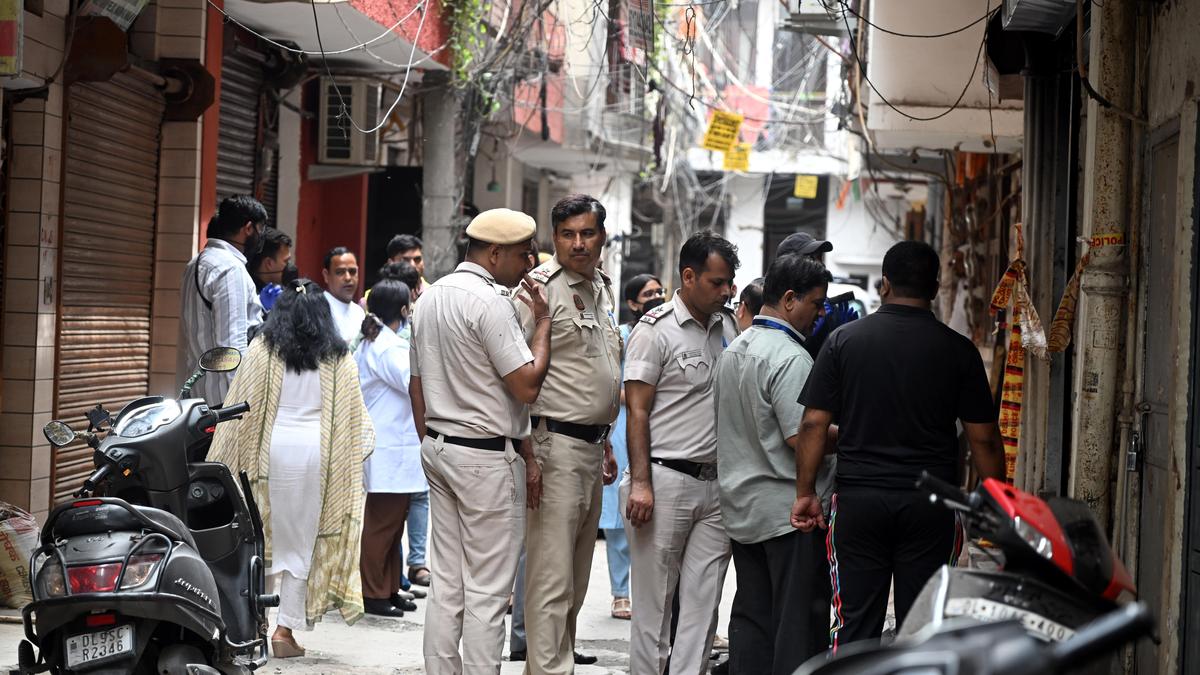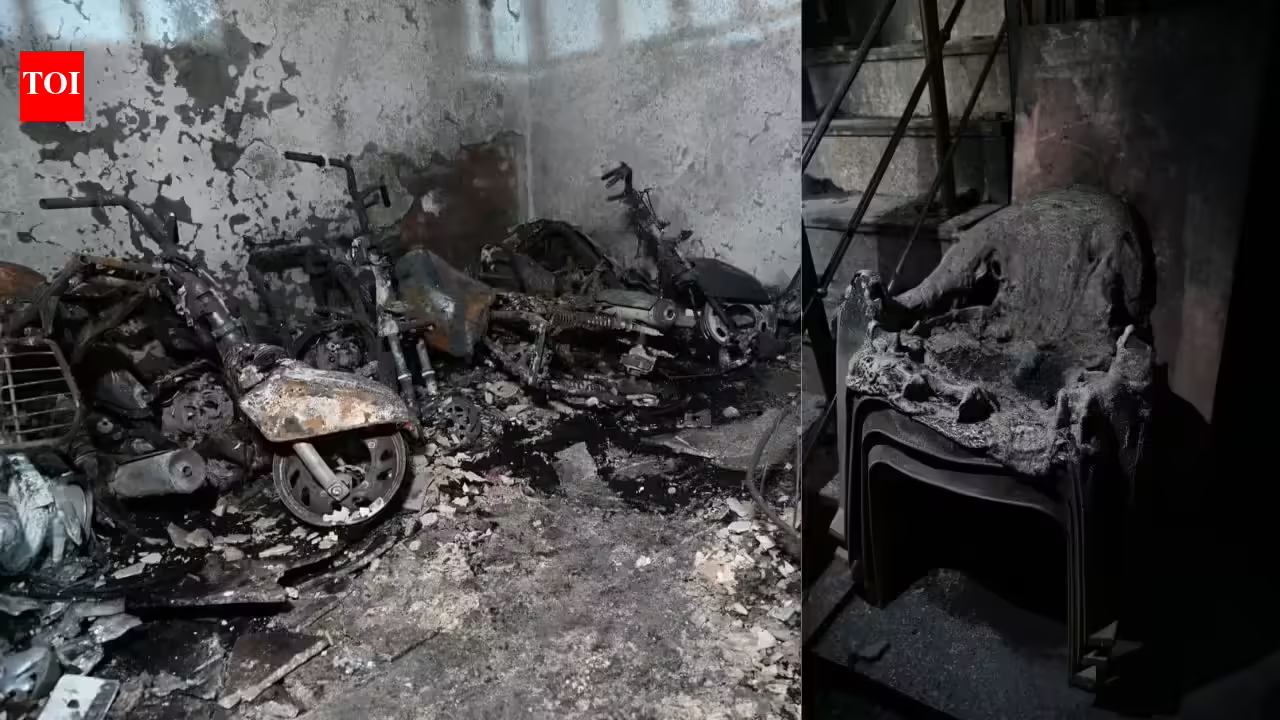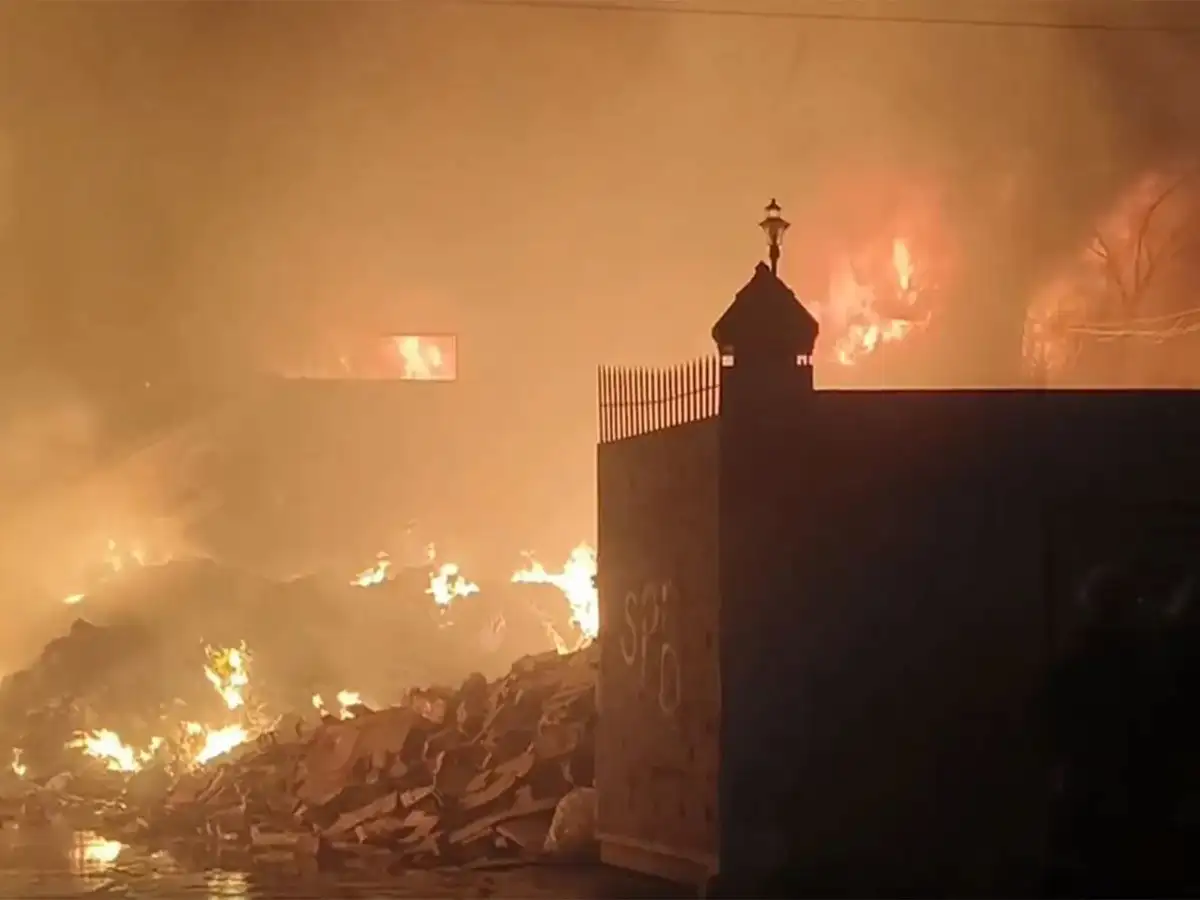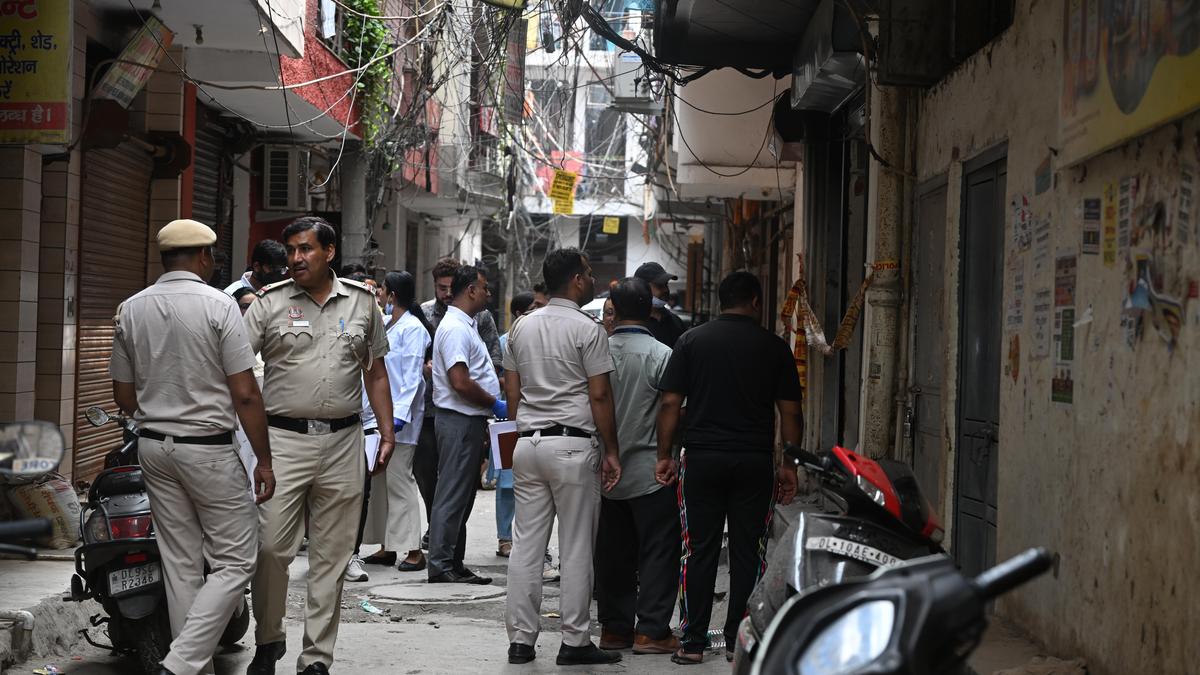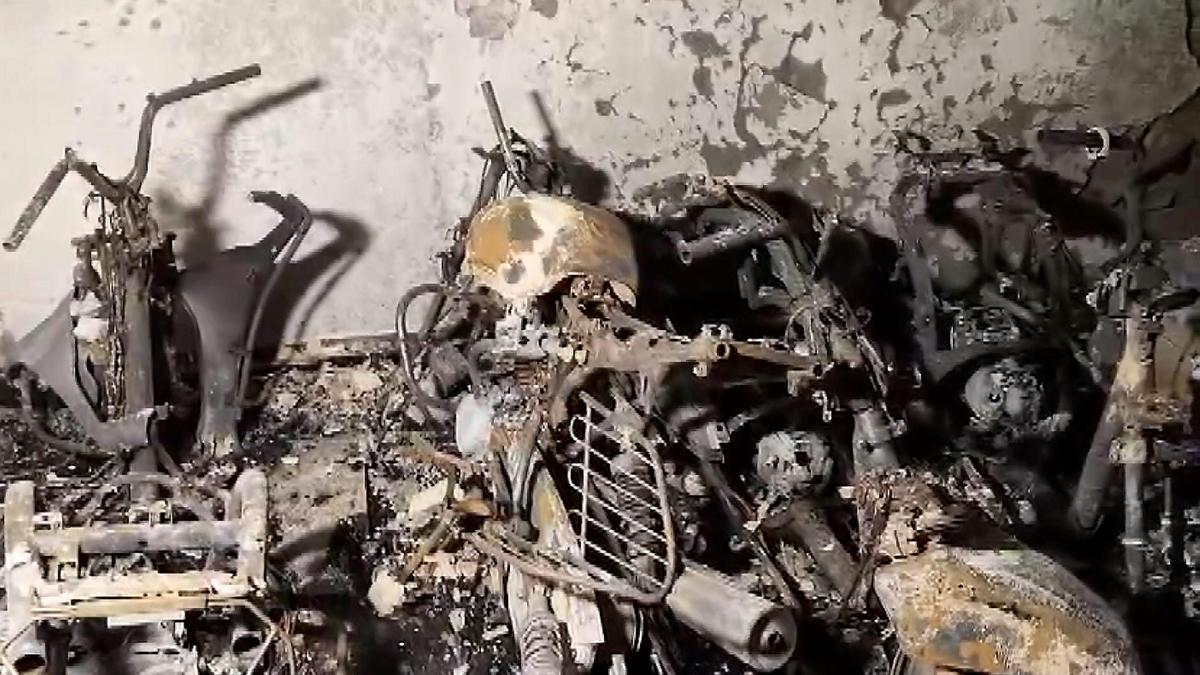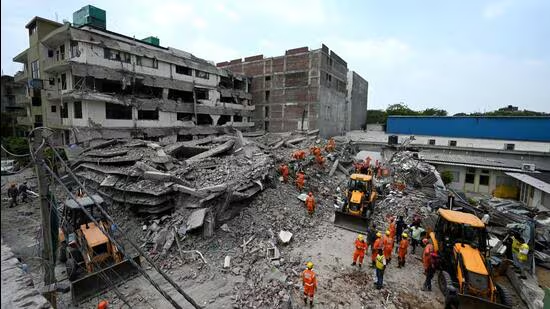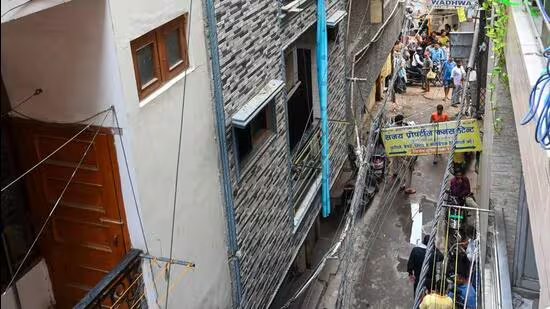
A fire that killed three people in a residential building in Tughlakabad Extension on Friday has exposed a critical misunderstanding at the heart of Delhi’s urban development expansion: that the regularisation of an unauthorised colony does not mean its buildings are structurally safe or compliant with construction norms.The cramped up lane in Tughlakabad Extension where the fire incident on Friday claimed three lives. (Vipin Kumar/HT Photo)Urban planning experts HT spoke to on Friday stressed that the tragedy highlights how parts of Delhi have been brought into the legal fold over the decades for the purposes of ownership rights, electricity, water connections and taxation, without a corresponding exercise to verify whether buildings meet basic safety standards.Tughlakabad Extension, where the fire occurred, was regularised in 1987 under a government scheme. However, many conditions envisaged under the regularisation process were never fully implemented, leaving the area vulnerable to unchecked construction activity.“There is a prescribed process for submitting building plans, but violations are widespread,” said Jagdish Mamgain, urban planning expert and former chairman of the Municipal Corporation of Delhi (MCD)’s Works Committee. In the case of Friday’s incident, Mamgain pointed to clear violations of the permitted G+4 (ground-plus-four) construction norm.A government official aware of details from Friday’s fire said that the builder had added extra floors and provided only a single staircase for entry-exit. When the fire erupted on the ground floor, smoke rapidly spread through the building, trapping residents on the upper floors.Tughlakabad Extension is a densely populated working-class neighbourhood that evolved from agricultural and grazing land into an informal urban settlement around the 700-year-old Tughlaqabad Fort. Its transformation mirrors Delhi’s larger story of migration-fuelled rapid urbanisation, driven by ever-growing demand for affordable housing that has constantly outpaced planning and regulation.The official cited above explained that it falls under the category of Unauthorised Regularised (UR) colonies – settlements that came up unplanned, but were later granted legality. A small part of the area is also among the 1,531 colonies taken up for regularisation by the central government in April.“Areas such as these have come up on agricultural or public land without prior layout or building plan approvals. They are brought into the legal fold and given formal status to allow property transactions. Even after regularisation, little has changed in terms of public infrastructure,” said a senior MCD official on condition of anonymity.“Successive governments have provided protection to such areas through regularisation in a bid to woo voters. Regularisation makes residents eligible for civic benefits such as water and electricity connections, but the unfortunate reality is that it is often done without adequately addressing structural safety concerns,” said an urban planner who requested anonymity.He added that in many unauthorised colonies and urban villages, additional floors continue to be constructed in violation of norms. “In several localities, buildings with five, six or even seven storeys stand on foundations that were never designed to bear such loads. Over the years, governments have pursued such measures largely for political gains.”According to official estimates, Delhi has around 5.5 million dwelling units, but fewer than 200,000 – just 4% – adhere to building plans. This means that a whopping 5.3 million structures either lack sanctioned plans altogether or have undergone unauthorised modifications after receiving approval.Friday’s tragedy, however, is far from an isolated case. Delhi has witnessed several disasters linked to illegal construction and poor enforcement over the years. One of the most devastating remains the Lalita Park disaster of November 2010, when a five-storey building collapse left 70 dead. More recently, 29 people have lost their lives in the last two weeks following the collapse of an illegally expanded building in Saidulajab and a fire in Hauz Rani which was operating 25 rooms instead of permitted six.Experts say the policy framework to address the issue already exists but remains only on paper.AK Jain, former commissioner (planning) of the Delhi Development Authority (DDA), said the Master Plan for Delhi (MPD)-2021 provides for the redevelopment of unauthorised colonies and includes provisions such as mandatory structural safety certificates within a stipulated time frame. “However, these provisions have not been implemented. Proper implementation could go a long way in addressing the problem,” Jain said.The issue has gained renewed attention following the Centre’s recent announcement that 1,511 of Delhi’s 1,731 unauthorised colonies will be authorised on an “as is where is” basis.Another third urban planner cautioned that the move should not be interpreted as blanket legalisation of all structures. “It does not mean that the entire colony is being granted legal status. It simply means that a person who has been living in a house for decades is being given legal ownership rights,” he said.
Tughlakabad Extn fire: Experts say ‘regularised’ areas may not mean safe
A fire in Tughlakabad Extension that killed three exposes flaws in Delhi’s building regulations, revealing safety issues in regularised colonies. | Latest News Delhi
771 words~4 min read