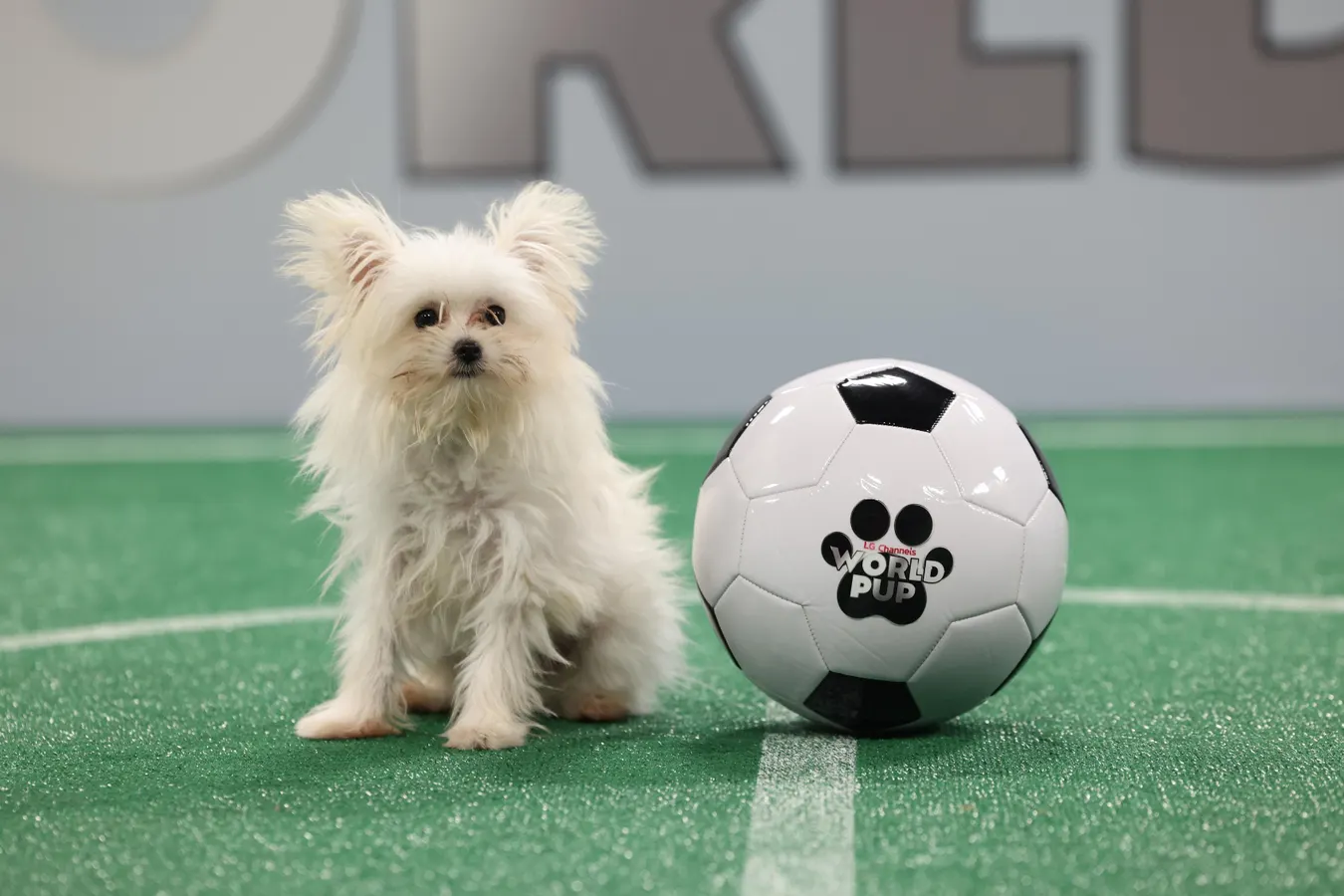
World cup? More like world pup. We rounded up iconic dog breeds from each country in the tournament. Scroll through the article and vote for your favorite breeds to advance out of the group stage!As the group stage of the World Cup begins, the team at USA TODAY Pets was wondering: Which iconic dog breeds originated from the various countries competing to be the best soccer team on the globe?Of course, German shepherds are associated with, well, Germany, but what about the unsung breeds connected to, say, Uruguay or Uzbekistan? After doing some digging (much like our furry friends), here’s what we found — and we want to know which breeds you think deserve to advance. Vote for your favorites as you scroll!(Main sources used to gather information for this story included the American Kennel Club (AKC) and the Federation Cynologique Internationale.)GROUP AMexico: We’re starting off our humble list with one of the most famous dog breeds on the planet: The Chihuahua. The AKC, which has recognized this small, terrier-like breed since 1904, says its namesake comes from the Mexican state of Chihuahua, where the earliest versions of the breed were found. The feisty dogs that punch above their weight they were even depicted in ancient paintings in Mexico.Another breed originating in Mexico is even older than the Chihuahua: The Xoloitzcuintli. Per the AKC, Xolos have been in Mexico for more than 5,000 years, making them the first dog of the Americas.South Africa: There are a number of dog breeds that draw their origin story from Africa, and several within the southern region. However, the boerboel is specifically named after the Boers: European settlers of Dutch, German and Huguenot descent who arrived in South Africa in the 1600s. These large guard dogs were tasked with protecting remote homes from ferocious predators.South Korea: South Korea's most well-known breed is the Jindo, which is named after the island off the country’s southwest coast. Koreans take pride in these hunting dogs; Jindos marched in the Opening Ceremonies of the 1988 Olympic games in Seoul.Czechia: The Cesky terrier is the national dog of Czechia, so it’s only natural we highlight it for this list. According to the AKC, this breed was born from the vision of geneticist Frantisek Horak in the mid 20th century. The result: A dog that can track down rats like a true terrier, but can also work in packs for bigger game. They’re considered clever and adventurous, making them an ideal family companion.GROUP BCanada: Coming from Canada’s easternmost province, the Newfoundland dog was bred to be partners with Canadian fishermen working in icy waters. These massive dogs have a sweet temperament, and their patient, watchful eye makes them a perfect “nanny dog” for children. Weighing in at up to 150 pound, these dogs are strong enough to bring drowning victims back to shore.Qatar: Qatar has no officially-recognized native dog breed. As a small peninsula nation with a relatively short history of formal breed development, it joins a handful of countries in this tournament without a canine representative to call its own.Bosnia and Herzegovina: Written history shows the tornjak breed has existed in Bosnia and Herzegovina for the past 1,000 years, serving mainly as a shepherd dog. This working dog is eager to take commands from its owner. “Tor” at the start of the breed’s name means an enclosure for sheep and cattle.Switzerland: The genial giant of the Swiss Alps is one of the most famous dog breeds in the world: The Saint Bernard. A welcome sight for stranded Alpine travelers, these dogs are credited with saving more than 2,000 lives over a 300-year period as they patrolled the Great St. Bernard Pass. That being said, the cask of brandy around their neck that’s often depicted in media was not a staple of their rescue gear.GROUP CBrazil: A working dog known for its profound suspicion of strangers, or ojeriza, the fila brasilerio has been the Mastiff’s counterpart in Brazil for years. According to the FCI, these dogs were bred to hunt large game and to keep cattle in check. In Portuguese, the verb “filar” literally means to hold, arrest, or grab, so these dogs aren’t messing around.Morocco: The aidi has been a mainstay of North Africa’s Atlas Mountains for years, serving as both a flock guardian and hunting companion. Another breed originating in the North Africa region, the sloughi, was often paired with the aidi for hunting purposes. Much like on the pitch, teamwork makes the dream work: The Aidi is a pro at sniffing out prey, while the sloughi has the speed to chase it down.Haiti: There is not a specific breed of dog associated with Haiti. However, mixed-breed street dogs known as Potcakes are a common sight in several Caribbean countries. Potcakes are not recognized as a breed by either the AKC or FCI. That being said, they are usually a mix of the Labrador, German Shepherd and Fox Terrier breeds.Scotland: Yes, the Scottish terrier is an iconic breed, but to represent the auld country, I’m electing to showcase the royal dog of Scotland: The Deerhound. Among the tallest dog breeds in the world, the Deerhound was bred to stalk the giant wild red deer. Although they come from the Greyhound family, they’re much larger than their counterparts. Deerhounds’ tapered head and long neck are distinctive features that give this hound a stately appearance.GROUP DUnited States: With so many breeds to choose from, I'm sure no matter which one I pick, I'll get grief for it. As a nod to the Founding Fathers, I'm choosing to highlight the American foxhound, one of the first breeds developed in the United States. George Washington himself was a key player in this breed's development — he owned 36 of them (per AKC)! If Washington's seal of approval isn't reason enough, nothing is.Paraguay: Paraguay is one of a handful of countries in this tournament with no officially recognized native breed — a rare blank slate in the dog world.Australia: Crossbred with dingoes, the Australian cattle dog (also known as the blue heeler) is the most iconic breed from down under. These high-energy dogs are highly intelligent and routinely outsmart their owners. If left to their own devices, they will get into some mischief, so it’s important for owners to give them ample exercise. Their coats typically have a unique mottling or speckling pattern.Turkey: Highly praised as the national dog of Turkey, the Kangal shepherd’s steady, bold presence kept sheep corralled during the days of nomadic animal husbandry. According to the FCI, this breed's black mask on a dun colored coat provided the perfect camouflage as they traveled the vast steppes of Eastern Turkey.GROUP EGermany: This one required no research whatsoever. Ladies and gentlemen, may I present – the German shepherd! With its reputation as one of the finest all-purpose working dogs, this breed has the attitude to match its diligence: Loyal, confident, courageous and steady. These dogs came onto the scene in the late 1800s and early 1900s, as German cavalry officer Captain Max von Stephanitz made it a priority to create the “ideal German herder.”Curaçao: Curaçao may be one of the smallest nations in this tournament, but it has one of the most charming canine stories. The island has no officially recognized native breed — but locals have long claimed the Westpointer as their own. Named after a neighborhood in the island's capital of Willemstad, the Westpointer is a free-spirited mixed breed that roams the streets of Curaçao and has become a beloved symbol of island life. No kennel club certification needed — sometimes a dog just belongs to a place.Ivory Coast: This West African nation does not have a breed it can claim as its own; however, the Azawakh is associated with the region. This sighthound is a sleek, elegant hunting dog that was kept by the Tuareg and other nomadic peoples of West Africa for centuries.Ecuador: The AKC only recognizes four hairless dog breeds, and the Ecuadorian hairless dog isn’t among them. According to Dogster.com, this breed comes from Ecuador’s western Santa Elena Peninsula, and it’s rare to see it outside of its home country. It’s a crossbreed between the Xoloitzcuintli and Peruvian hairless dog. These small, high-energy pups have plenty of spunk and a big heart.GROUP FSweden: When I saw that this breed was referred to as a “viking dog,” I knew it had to make its way onto our list. Enter the Swedish vallhund! Similar to corgis, these dogs are long and low, making it easier to nip the heels of cattle while dodging kicks to the head. What these dogs lack in size, they make up for in personality; their cheerful demeanor and unique vocalizations bring energy to any household.Netherlands: Considered a symbol of Dutch patriotism, the keeshond was at one point a familiar face around the canal barges of Holland. What makes the keeshond stand out from other spitz breeds, like pomeranians and Samoyeds, are its spectacles, which makes it appear the dog is wearing designer eyewear, the AKC says.Japan: The Shiba Inu is a bold, confident breed that’s been a staple of Japanese culture since ancient times, leading to its massive popularity as the country’s number one companion dog. This foxlike breed is named after its origin as a hunting dog in Japan’s mountains. “Shiba” means “brushwood” while “Inu” translates directly to “dog.”Tunisia: A mainstay in North African deserts, the sloughi is a lean, swift dog that made a living hunting hares, foxes, jackals, gazelles and wild pigs. Although their big, dark eyes give off a melancholic vibe, sloughis are quite gentle and loyal to their loved ones. Its coat comes in many shades, but the most common is the "sand black mask": The muzzle and eyes are black, while the body remains a light tan.GROUP GIran: Another breed not recognized by the AKC or FCI, the Sarabi (also known as the Persian mastiff) is considered the national dog of Iran. This giant, heavy-boned dog evolved from the war dogs of Ancient Persia, according to the website Dog Breed Info. Its name derives from the Sarab County of Iran, and much like the other massive dogs on this list, the Sarabi is a livestock guardian dog. I’m sure those instincts would make them excellent goalkeepers!New Zealand: Although not officially recognized by either the AKC or FCI, the huntaway is uniquely New Zealand; the country’s official Kennel Club identifies it as the nation’s only indigenous dog breed. Bred specifically for its stamina, intelligence and ability to bark on command, huntaways are well equipped to herd sheep. According to Pet Rescue NZ, this breed’s “focus on performance over pedigree has made the huntaway an icon of Kiwi rural culture.”Belgium: Another world-class working dog, the Belgian Malinois’ versatility and physical stamina make them highly sought as police and military K-9s. In fact, according to the AKC, a Malinois named Cairo was a member of Seal Team Six, contributing to the 2011 raid that took out Osama Bin Laden. Some distinguishing characteristics for this breed include its proud posture, mahogany or rich fawn coats, black ears and dark eyes that are reminiscent of Belgian chocolate.Egypt: According to the AKC, the pharaoh hound originated in ancient Egypt, although it is now most closely associated with Malta. The breed is known for its sleek build, rust-colored coat, amber eyes, and distinctive "blushing," in which the nose and ears turn pink when the dog is excited. It's worth noting that the basenji and sloughi, featured elsewhere on this list, also have deep ties to ancient Egypt.GROUP HSpain: Spain's entry is a literary legend. The galgo Español, or Spanish greyhound, is one of the oldest breeds in Europe, with roots tracing back to ancient Iberian civilization. It's so embedded in Spanish culture that Cervantes referenced the breed in the very first line of Don Quixote — making it arguably the most literary dog in history. Although similar to appearance to a typical greyhound, galgos tend to have a lighter build, longer tails and a streamlined head that makes it seem like they have larger ears. They also have two coat types: Smooth and rough.Cabo Verde: Cabo Verde has no officially recognized native dog breed. As one of the youngest nations in this tournament — uninhabited before Portuguese explorers arrived in 1462 — the island nation simply doesn't have the deep domestication history that produces recognized breeds. Once again, a rare blank slate in the dog world.Saudi Arabia: The dog breed most associated with the heart of the Arabian Peninsula is the Saluki — a sleek, swift sighthound that served royalty for thousands of years, including Alexander the Great. Built for speed and endurance, Salukis were prized for their ability to hunt in punishing desert heat, tracking and taking down gazelles across vast terrain. One of the oldest recognized breeds in the world, the Saluki is about as fitting a representative of Saudi Arabia as it gets.Uruguay: Uruguay’s pick is the cimarrón Uruguayo, the country’s only native breed recognized internationally. Descended from feral dogs that adapted to the country’s rugged interior, this breed earned a reputation for toughness, loyalty and resilience, which is appropriate for a nation that has long kicked above its weight on the World Cup stage.GROUP IFrance: Despite the fact that the French bulldog has become one of the most popular breeds in the world recently, I’m electing to showcase the Briard for France, since its roots date back to the country’s medieval days. This shaggy breed was reportedly favored by both Charlemagne and Napoleon, according to the AKC’s entry. The Briard name was inspired by Brie, the country’s dairy-producing region. What’s more French than that?Senegal: Senegal is another country that arrives at this tournament without a native breed to its name. West Africa has produced some remarkable dogs — the Azawakh being the region's most celebrated — but none that historians or kennel clubs have traced specifically to Senegalese soil.Iraq: Similar to the Sarabi of Iran, the Kurdish mastiff is another large, ancient livestock guardian, and it comes from the same general mountain region straddling the two country’s borders. Again, this breed isn’t acknowledged by the FCI, but its history traces back thousands of years and also has a lineage tied to Assyrian war dogs. Some of its distinct features include a deep chest, curled tail, loose skin, and floppy ears on a giant head, according to Roca Dog.Norway: Considering the Norwegian national team had a special Viking-themed photoshoot ahead of the tournament, it's only fitting that I pick a breed that sailed with those fierce warriors back in the day: the Norwegian elkhound. This robust spitz breed is easily identifiable by its lush silver-gray coat and powerful, sturdy build. Per the AKC, remains of these dogs have been found alongside Viking remains and weapons — evidence of just how central they were to Nordic culture.GROUP JArgentina: Another breed developed for big game hunting, the dogo Argentino has earned a reputation as a reliable, fiercely loyal guard dog. Its short, smooth coat is completely white, and its thick, muscular frame makes an immediate impression. The AKC says the dogo's presence emits explosive power and energy — much like the strikers on team Argentina.Algeria: Algeria shares its corner of North Africa with some of the world's most ancient dog breeds — the sloughi roams this region just as it does neighboring Tunisia and Morocco — but no breed has been formally claimed as distinctly Algerian. When it comes to canine representation, Algeria will have to sit this one out.Austria: A versatile farm dog, the Austrian pinscher came onto the scene in the 1920s, as systemic breeding between German pinschers and local dogs was prioritized. This stocky, medium-sized dog has an assertive, lively personality and is eager to play with its owners.Jordan: Jordan's entry is one of the oldest breeds on this entire list, the AKC says. The Canaan dog has roamed the deserts of the Levant for thousands of years, long before modern borders were drawn. Once used by Bedouin nomads to herd and guard livestock, this alert, agile breed is a living link to the ancient world, and one of the few breeds today that still closely resembles its wild ancestors.GROUP KPortugal: Meet the Portuguese podengo: This national dog of Portugal arrived on the Iberian Peninsula thanks to Phoenician traders circumnavigating Africa in the 700s BC. This rugged coursing hound comes in three sizes — small, medium and large — with the smallest variety famously serving as a ratter aboard Portuguese explorer ships. Its triangular ears and pyramid-shaped head give it a distinctive look, and per the AKC, these are generally funny dogs that love to play.DR Congo: The AKC says basenjis are contenders for the title of oldest dog breed — and their story begins in the Congo, where native hunters relied on them as trackers for thousands of years. They were so prized that they were gifted to the pharaohs of ancient Egypt, which is why this Central African breed turns up in Egyptian artifacts as well as Babylonian and Mesopotamian art. Known as the "barkless dog," its vocalizations are described as more like yodeling. Similar to cats, the basenji has the dainty habit of grooming itself — and its hallmarks include a short coat, curled tail, wrinkly forehead and expressive, almond-shaped eyes. It's no wonder the ancient Egyptians treasured them.Uzbekistan: Another livestock protector built to take on large predators, the Central Asian shepherd dog's origins can be traced back to the era of the Silk Road. This proud, independent breed has high work drive, endurance, and the courage to fend off wolves and bears. The AKC says these dogs can live to be as old as 17 — quite the outlier in the dog world.Colombia: Colombia’s signature breed is the Colombian fino hound, a scenthound developed for hunting in the countryside and prized for its stamina, voice and sharp nose. The breed was officially recognized in Colombia in recent years, marking it as the country’s first native dog breed. Lean and long-eared, these dogs are built to cover ground and alert hunters with their distinctive baying. The FCI recognized it on a provisional basis in February 2026.GROUP LEngland: The bulldog is about as English as it gets — a national symbol that has represented British grit and tenacity for centuries. Originally bred for bull-baiting, the breed was later refined into the gentle, loyal companion it is today. The AKC describes it as dependable and predictable, with a kind disposition that makes it an excellent family dog.Croatia: One of the most recognizable breeds in the world, Croatia's Dalmatia region is the official birthplace of the Dalmatian — and yes, there are plenty more than 101 of them there. With their regal appearance, they were a fixture alongside the horse-drawn carriages of European nobles. But they're blue collar too, having earned a longtime place in firehouses around the world.Ghana: Ghana doesn't have a formally recognized native breed, but its indigenous dogs — sometimes called avuvi — have been a fixture of rural life for centuries, used for hunting and guarding across the region.Panama: Panama does not have a widely recognized native dog breed, at least not in the formal kennel-club sense. Instead, the country is better represented by local dog populations and mixed-breed street and village dogs rather than a single standardized breed.
FIFA World Cup 2026: A dog breed for every competing nation
Which dog breed represents your World Cup country? We matched every competing nation with its own.
3,227 words~15 min read