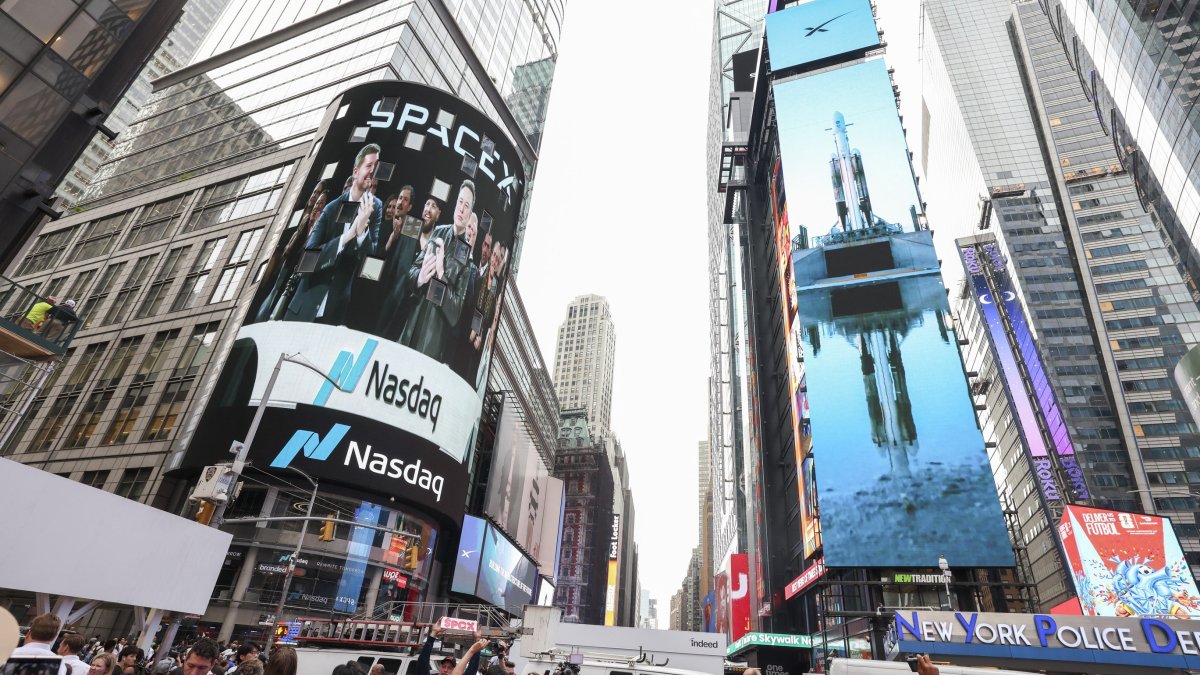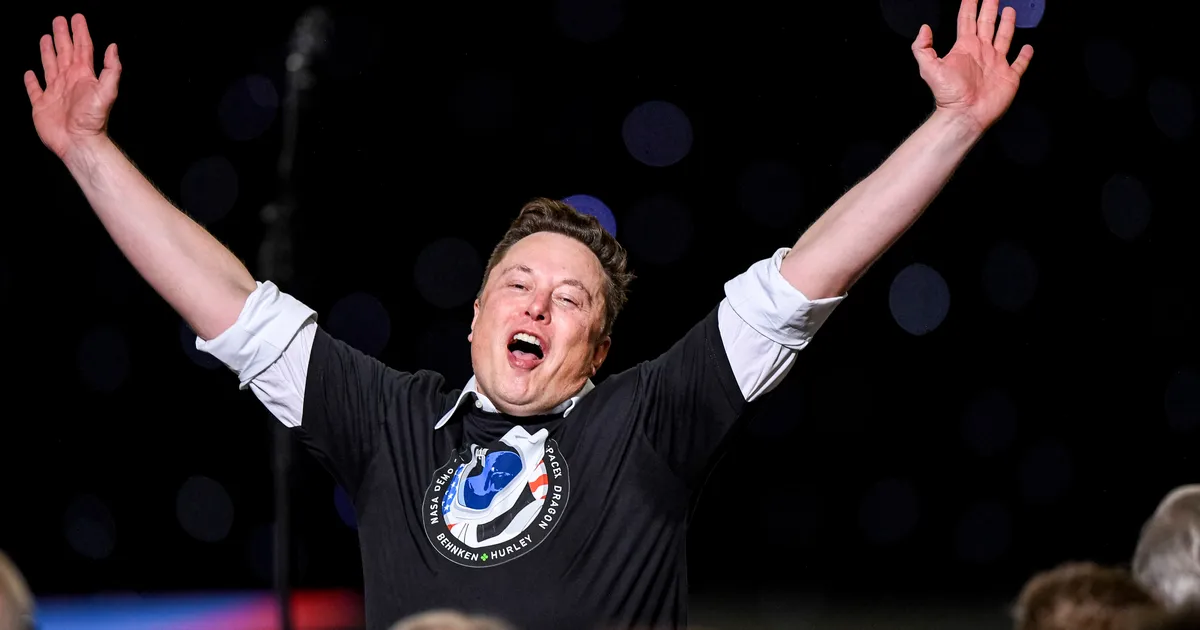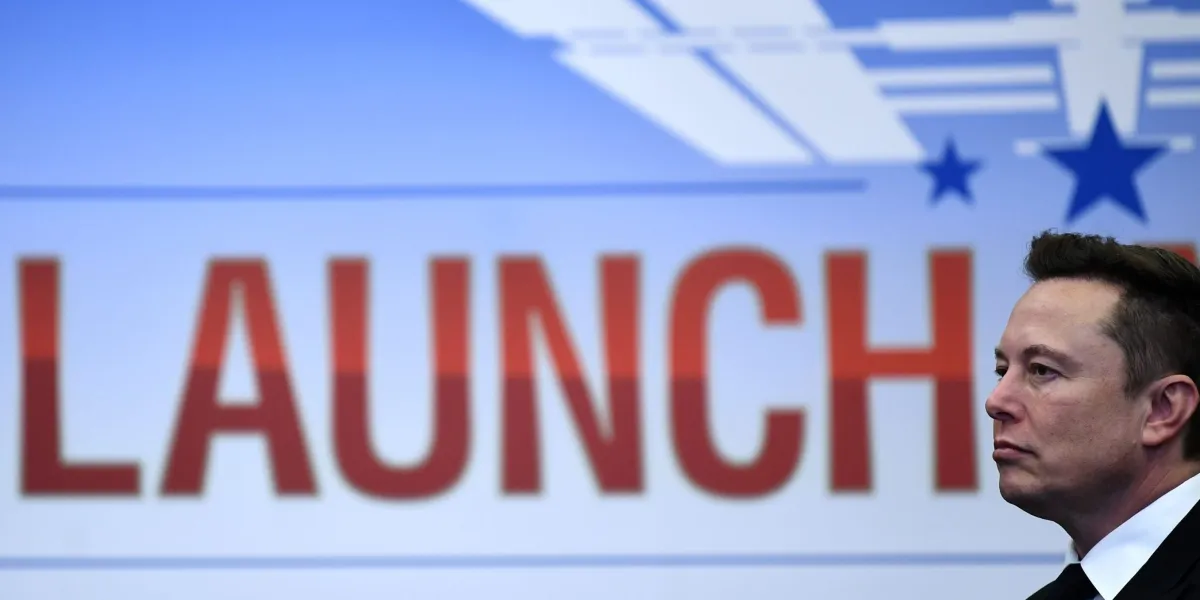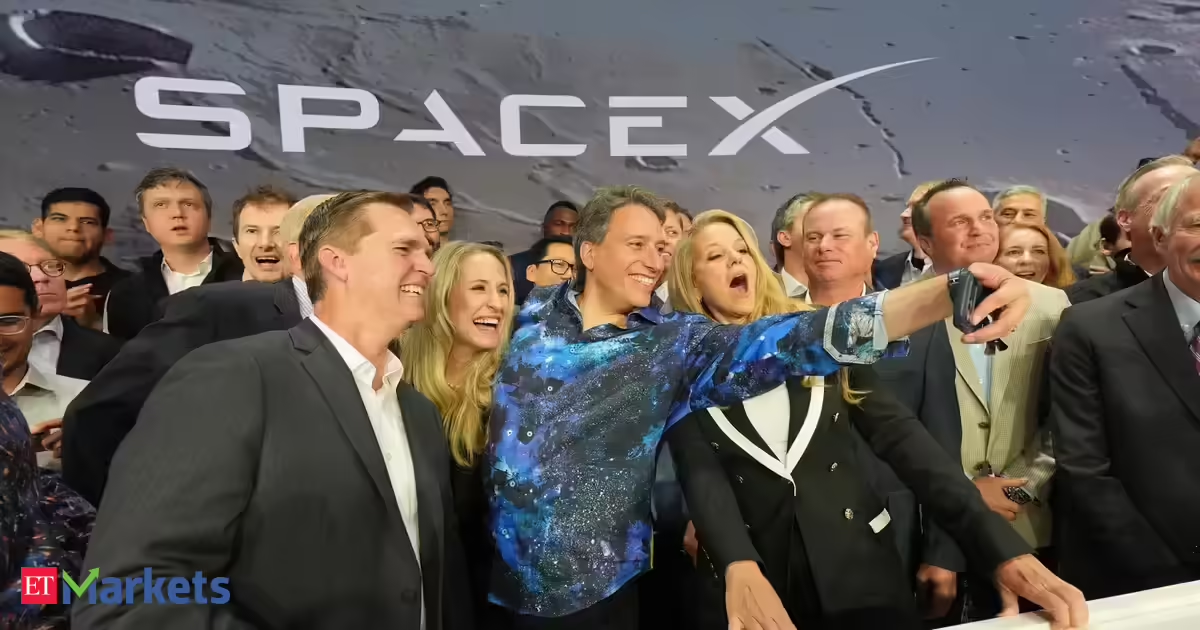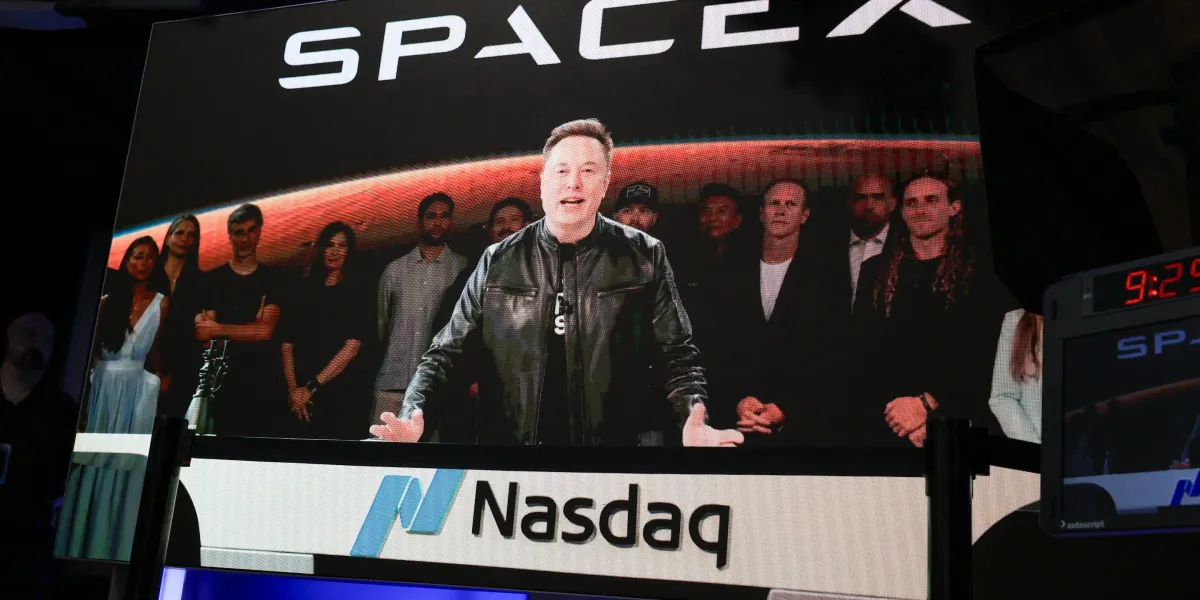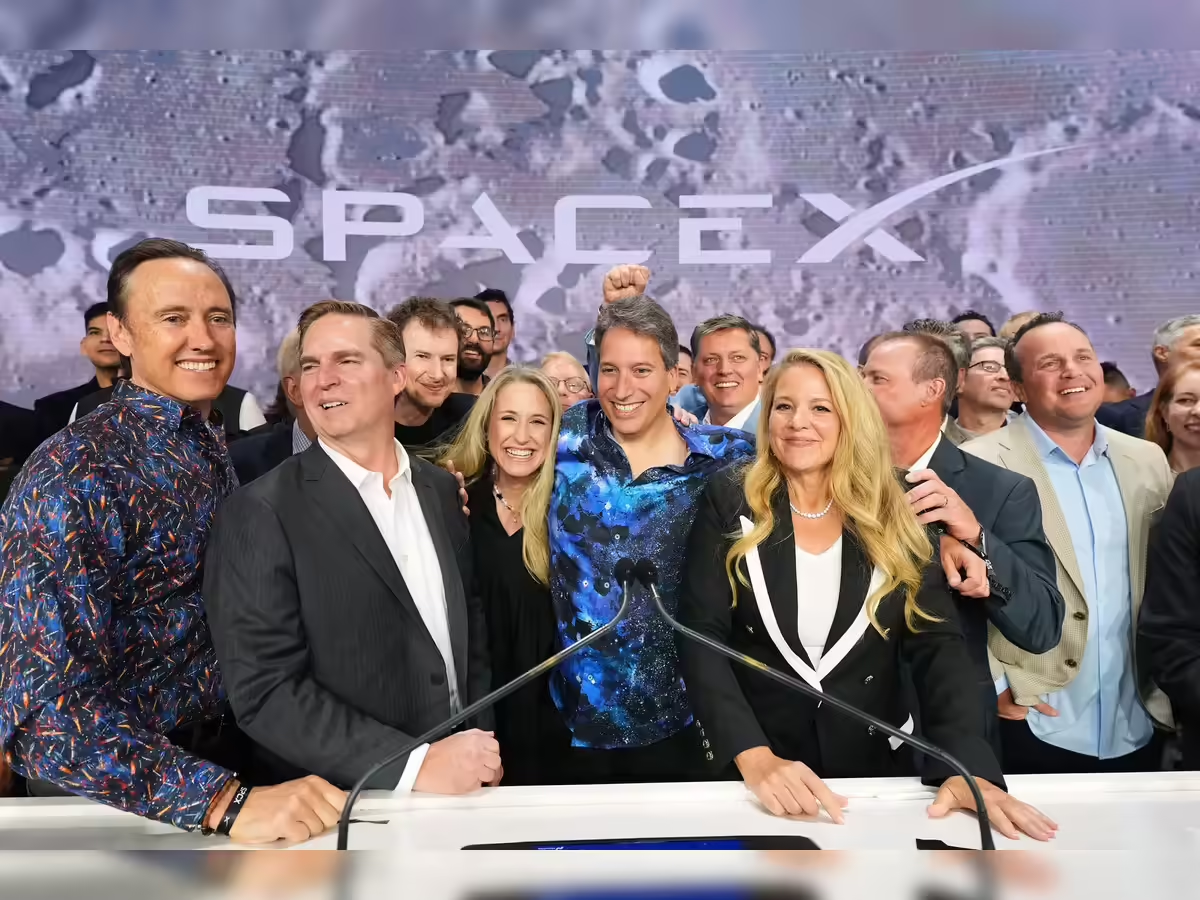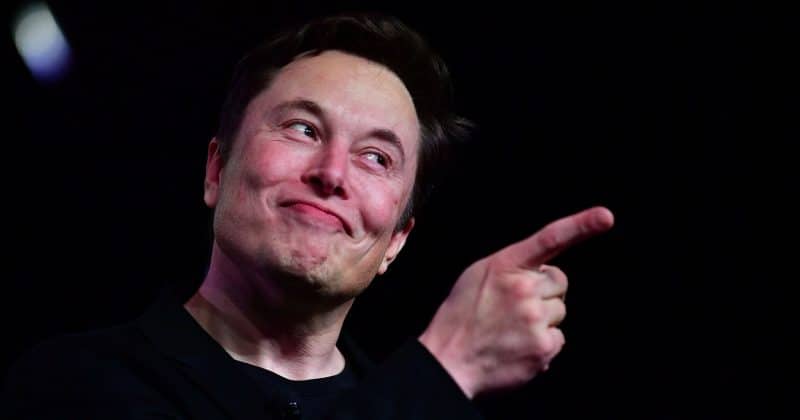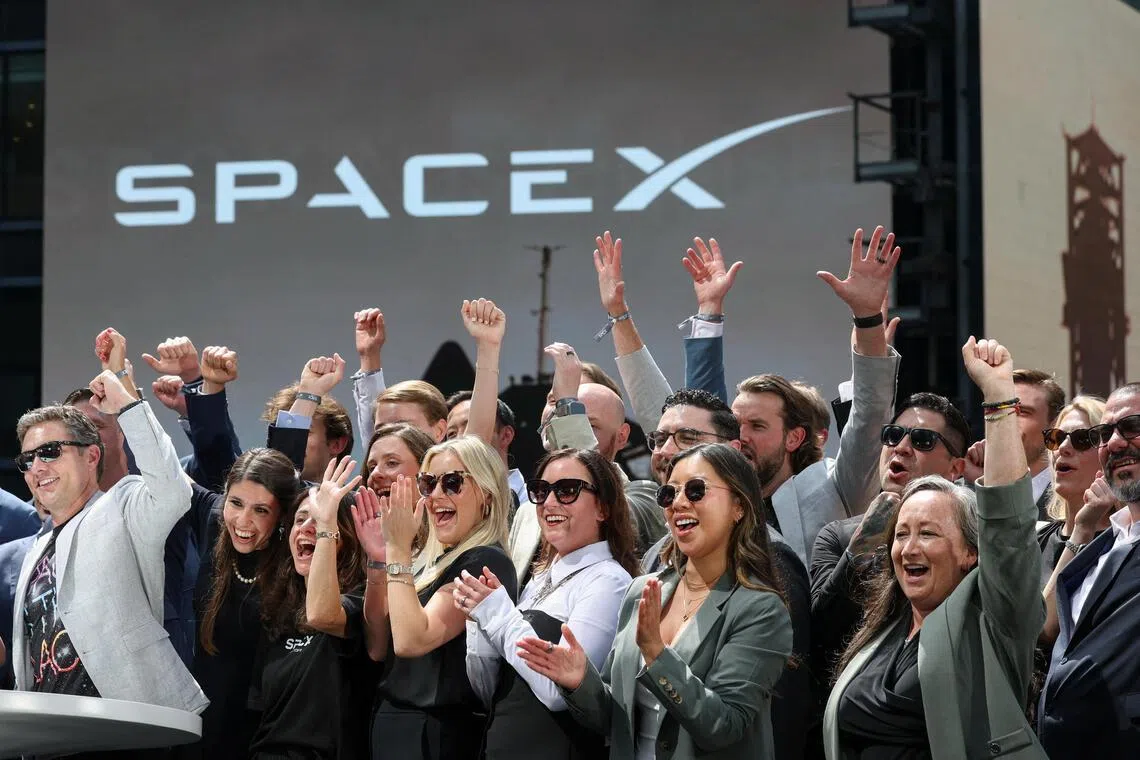
NEW YORK - SpaceX soared in its Nasdaq debut on June 12, sending its value past US$2 trillion (S$2.5 trillion), as investors jumped at the chance to get a piece of Elon Musk’s sprawling empire spanning rockets, internet service and AI after a record-setting IPO.The launch was smoother than many observers expected, with trading kicking off late on the morning of June 12, swinging for most of the session between gains of 15 per cent and 30 per cent above June 11 pricing with little in the way of volatility.Shares ended the day at about US$161 a share, up 19 per cent, making SpaceX the sixth-largest US company, though the final settlement price had yet to be determined.The trading, which surpassed 500 million shares, or about US$80 billion in volume, capped off a lead-up fraught with anxiety over the exchange’s ability to handle the launch, particularly after a recent swoon in technology shares that raised concerns about the stratospheric gains in AI-linked names.With mega-listings from AI heavyweights Anthropic and OpenAI waiting in the wings, market watchers worried that a flood of new IPOs could hurt market performance following a long period with a relative dearth of offerings.But investors across the spectrum, from large institutions to retail fans of Musk, ended the day euphoric.“SpaceX is not only a record breaker in terms of money raised at a stock market debut, but it has also left other big names for dust. When the starting valuation is already pushing US$2 trillion, adding that much value at the click of a finger is impressive,” said Dan Coatsworth, head of markets at AJ Bell.Retail investors received about 20 per cent of the allocation, far more than the typical IPO, with some even celebrating an allocation of one share.The landmark listing cements Musk’s status as the first trillionaire ever - even though the firm posted a loss of nearly US$5 billion in 2025 and generated only a fraction of the revenue brought in by similarly valued tech giants.SpaceX executives, including president Gwynne Shotwell and chief financial officer Bret Johnsen, celebrated at the Nasdaq market site in New York’s Times Square after ringing the opening bell on June 12.Musk held a separate event for employees in Texas.The IPO is a culmination of Musk’s long-held ambitions in space and technology, and has stood out for rewriting Wall Street’s IPO playbook and drawing legions of retail investors into the market.At US$75 billion, the deal’s proceeds were more than double those of Saudi Aramco’s record-setting 2019 IPO.The valuation could rise further should underwriters exercise their right to sell additional shares, a decision typically made within 30 days after the offering.“Seeing the company that I joined when it was just some sketches on paper become this valuable is almost surreal,” said Tom Mueller, a founding SpaceX employee who spent 18 years at the company and is now chief executive officer of Impulse Space, a spacecraft startup. As a shareholder, he said it was “almost surreal” to watch SpaceX’s IPO.Although SpaceX may have to wait for entry into the S&P 500 , its expected fast-track inclusion in the Nasdaq 100 will soon make it a major holding for passive funds and ETFs that track the index, creating a fresh source of demand for its shares.“We have to go back 100 years to get comparable entrepreneurs. He’s a visionary unlike others, and he executes extremely well,” said Joel Shulman, CEO of ERShares, which manages an ETF that has an exposure to SpaceX.It will take about a month before it gets added to that index under Nasdaq’s new fast-entry rules, as opposed to a typical wait of as much as a year.Some analysts expect SpaceX’s debut to trigger a reshuffling of investor portfolios, creating selling pressure on other technology heavyweights as funds rotate into the stock.On June 12, shares of other space firms and satellite companies declined sharply, with Planet Labs down 8 per cent and EchoStar down 14 per cent.For all the excitement surrounding the IPO, determining what SpaceX is actually worth remains a difficult valuation exercise.SpaceX said its market opportunity spans US$28.5 trillion, a figure it called the largest in human history.With its leading position in space - the firm says its operation is responsible for more than four-fifths of the mass launched into orbit over the past three years - and revenues from Starlink, some investors said it has a strong foundation upon which to build.With revenue of US$18.7 billion in 2025, the company’s market cap puts its price-to-revenue ratio at roughly 110, far above other megacap stocks. Some analysts have already issued positive ratings on the company. Morningstar analysts this month said it is more fairly valued at around US$780 billion, and CFRA on June 12 started coverage with a sell rating.“This is not a name you’re buying based on fundamentals. For me, the analogy is Amazon. This was a company that changed the way we live,” said Nancy Tengler, CEO and CIO of Laffer Tengler Investments.“If the stock drops to US$100, that’s not ideal, but it wouldn’t change our long-term view. We want to participate.” REUTERS
SpaceX value surges past $2 trillion in historic IPO debut
Shares ended the day at about US$161 a share, up 19 per cent. Read more at straitstimes.com. Read more at straitstimes.com.
847 words~4 min read