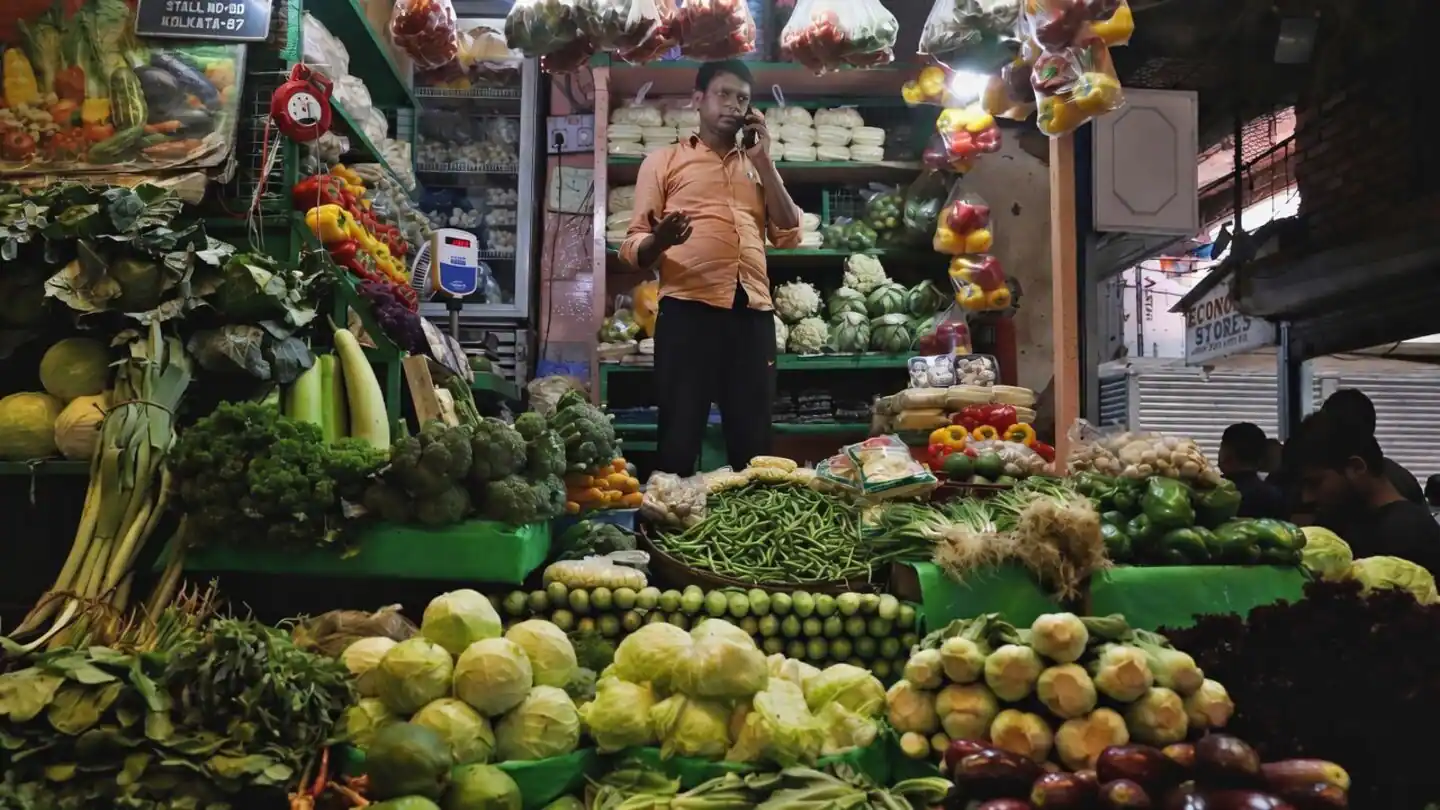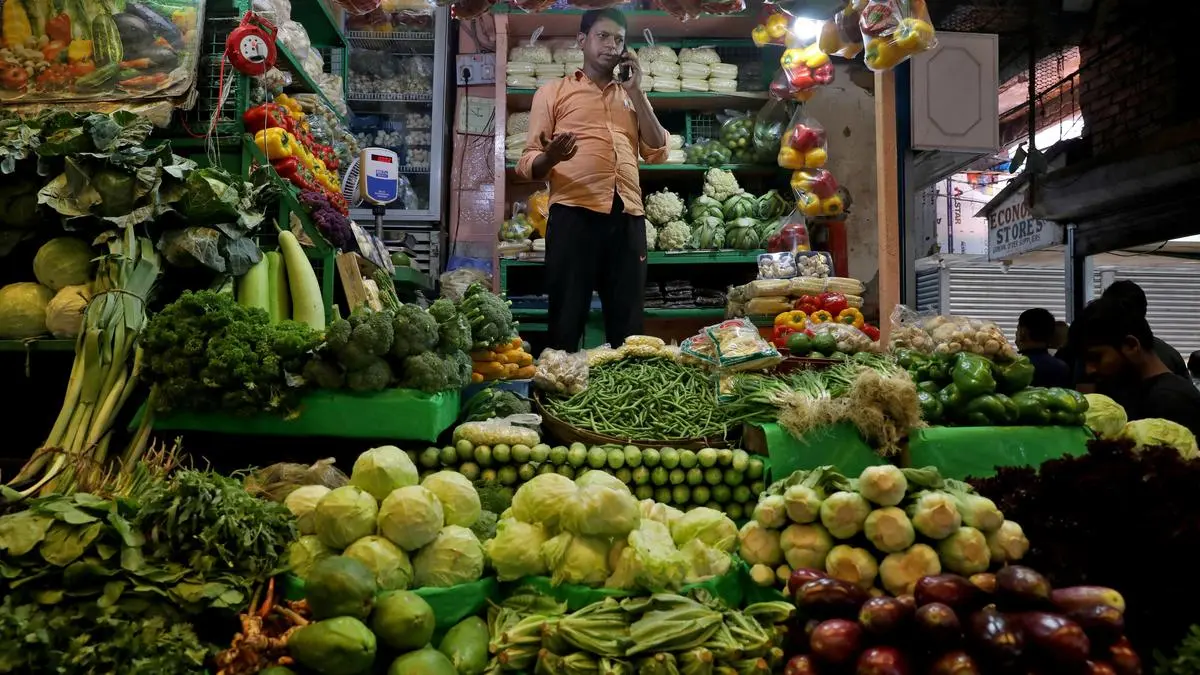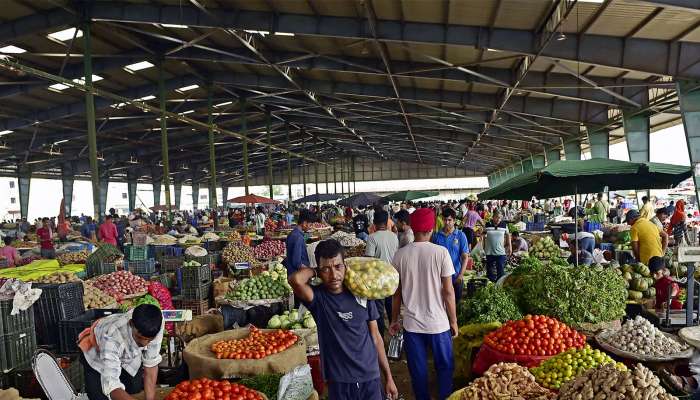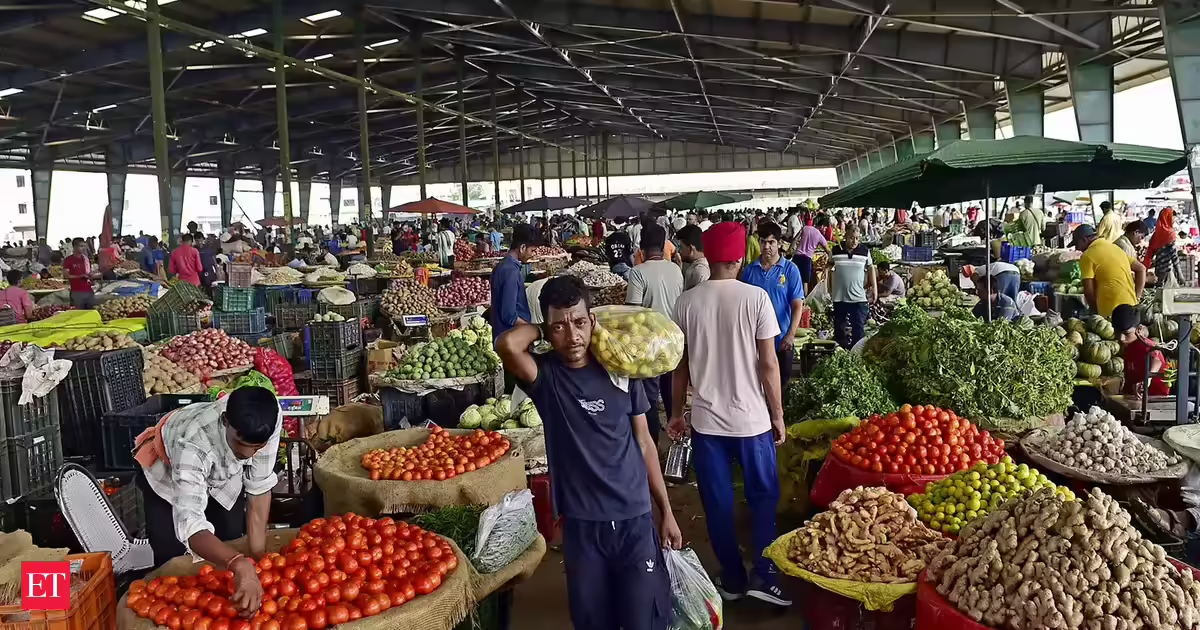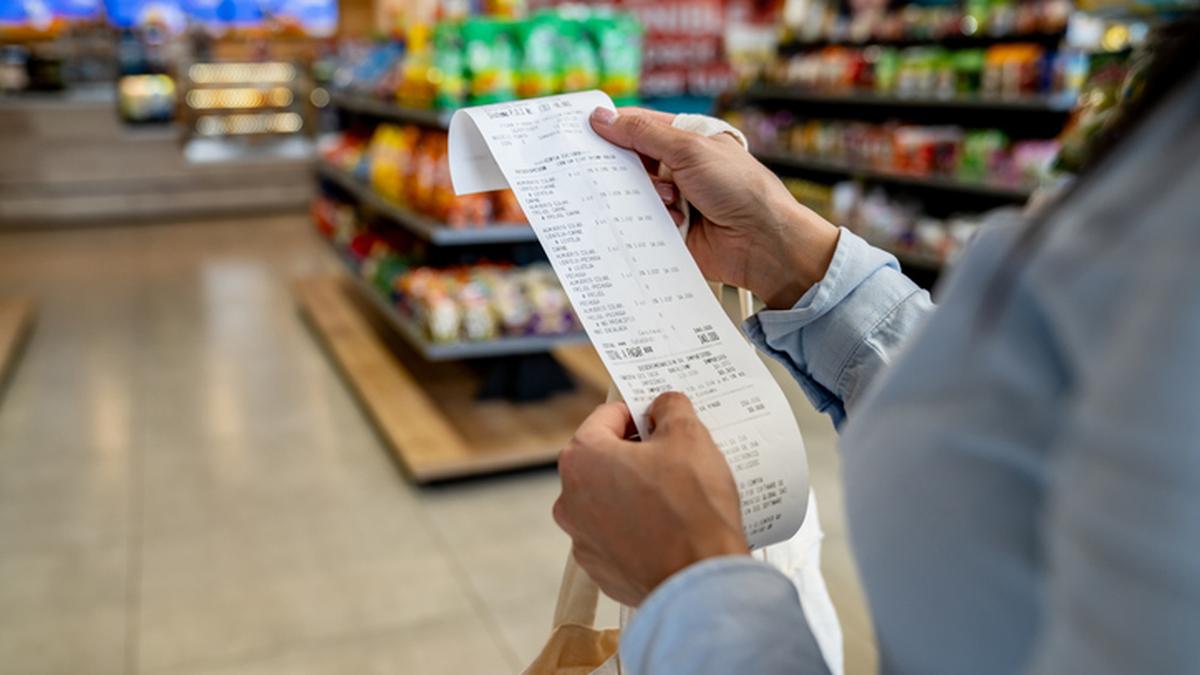
The increase in retail inflation can be largely attributed to the rise in food prices, with the Consumer Food Price Index (CFPI) inflation at 4.8% in May 2026, inching up from 4.2% in the previous month.
| Photo Credit: Getty Images/iStockphotos
Retail inflation, as measured by the Consumer Price Index (CPI), increased to 3.9% in May as food prices rose, according to data from the Ministry of Statistics and Programme Implementation (MoSPI) released on Friday (June 12, 2026). The inflation rate was 3.5% in April.Retail prices moved at the fastest pace since January 2025, when the index increased 4.06%, making the May figure the highest in 16 months.The headline numbers had reduced since October 2024, when the inflation was over 6%. By October 2025, it had almost stagnated. From November 2025, retail inflation started rising due to the low base and now, it is just 0.07% short of the Reserve Bank of India (RBI)’s target inflation rate of 4%.The higher print was observed both in headline and core inflation. The latter too increased to 3.73% marking three consecutive months of quickening price rise. While headline inflation covers all goods and services, core inflation is calculated without considering food, fuel and electricity prices.The increase in retail inflation can be largely attributed to the rise in food prices, with the Consumer Food Price Index (CFPI) inflation at 4.8% in May 2026, inching up from 4.2% in the previous month.Several food staples experienced a faster rate of inflation or slowing rate of deflation. Cereal prices increased 0.28% entering the positive territory for the first time since January 2026. Most of the increase came from rice, prices of which increased 0.23% after staying in deflation territory since the beginning of the calendar year.Among kitchen staples, tomato prices increased 48.4% in May 2026, from 35.3% a month before, breaking a four-month trend of slowing inflation. Deflation of onion prices slowed to 2.2% in the reporting month from 17.7% in April 2026. Potato prices did not show any major signs of increase, and continued to deflate at 23% for the second consecutive month.“The monsoon is already delayed and the advice given to farmers was to wait for the rains to arrive before sowing their seeds for the relevant crops,” said Madan Sabnavis, Chief Economist at the Bank of Baroda.Housing, water, electricity, gas and other fuels inflation — the second largest group of items constituting 17.6% of the retail basket — quickened to 1.73% in May 2026, from 1.71% a month before. LPG and other categories slowed for the third straight month to 2.02% from more than 5% in March 2026. Petrol and diesel inflation rose to 6% in May 2026, from 2.8% in April 2026 and just 0.5% in March 2026, showing the transmission of fuel costs. Fuel inflation, however, stayed above February levels of 1.7%.Higher fuel prices also showed in the inflation print of transport goods. Transport costs that shrunk mildly or were stagnant since January 2026, increased 1.75% in May 2026, mostly attributable to the increase in logistics prices due to the war in West Asia.The May 2026 inflation was broadly in line with economists’ forecasts. Further, economists expect the retail goods to become dearer in June 2026 due to cost transmission from the West Asia war. The annual CPI inflation is expected to be anywhere between 5% and 5.5%, with potential rate hikes in October 2026 or December 2026 monetary policy review. Besides the cost passing through from West Asia, analysts are also tracking the less-than normal monsoon ensuing from El Nino. Published - June 13, 2026 01:18 am IST