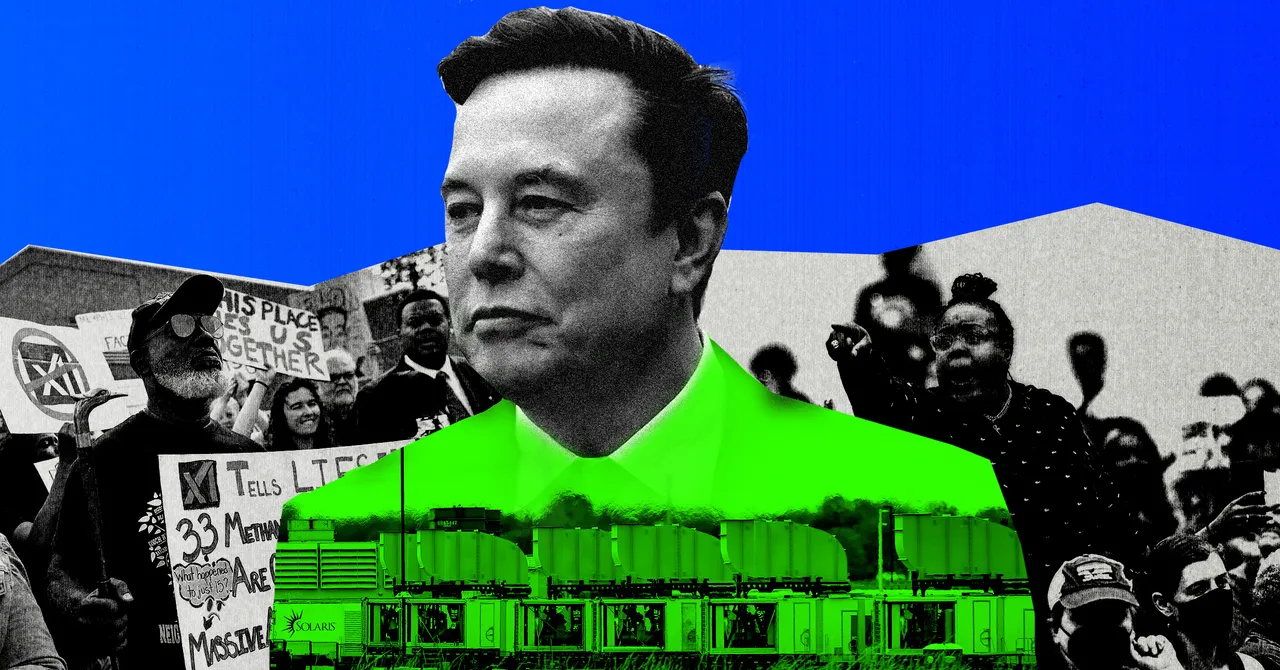
Elon Musk didn’t just leave California. He took Tesla, SpaceX, X, and xAI with him, a corporate exodus that could cost the Golden State potentially hundreds of billions in lost tax revenue.
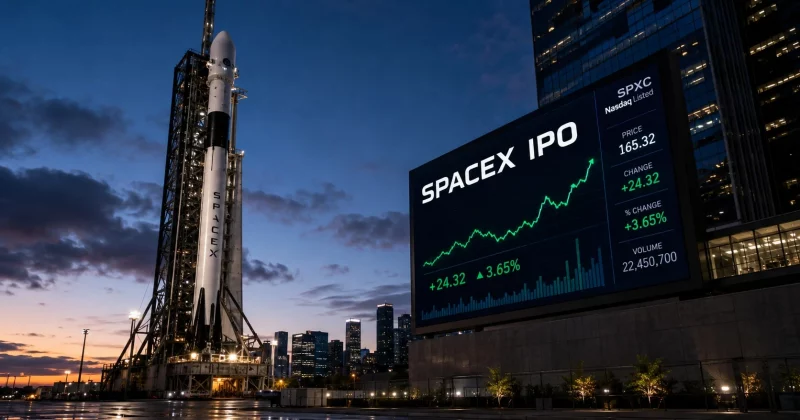
The financial damage is difficult to overstate, particularly with SpaceX’s anticipated IPO looming. The company is expected to reach a valuation of roughly $1.77 trillion, and plans to sell approximately 555.6 million shares at $135 each, projecting a raise of around $75 billion in June 2026. That kind of liquidity event, happening with a Texas-headquartered company rather than a California one, represents a fiscal nightmare for Sacramento.
The timeline of a slow-motion exit
Tesla kicked things off in 2021, relocating its headquarters from Palo Alto to Austin, Texas. Musk cited regulatory friction and general dissatisfaction with California’s business environment.
Then came July 2024, when both SpaceX and X (formerly Twitter) announced their own transitions to Texas. SpaceX pointed toward Starbase, while X headed to Austin. Musk specifically referenced new California laws, including a controversial transgender youth policy, as catalysts for the decision.