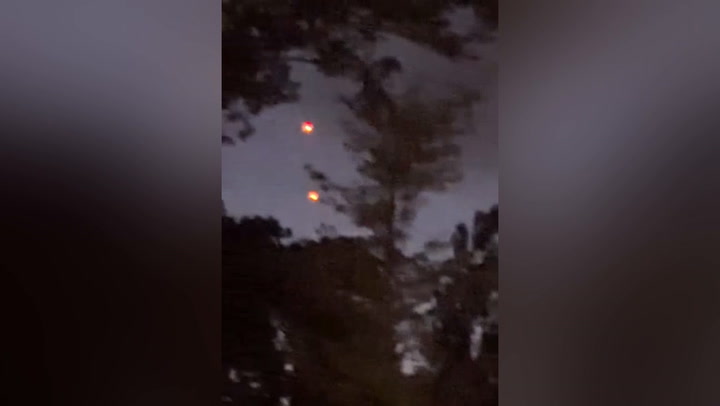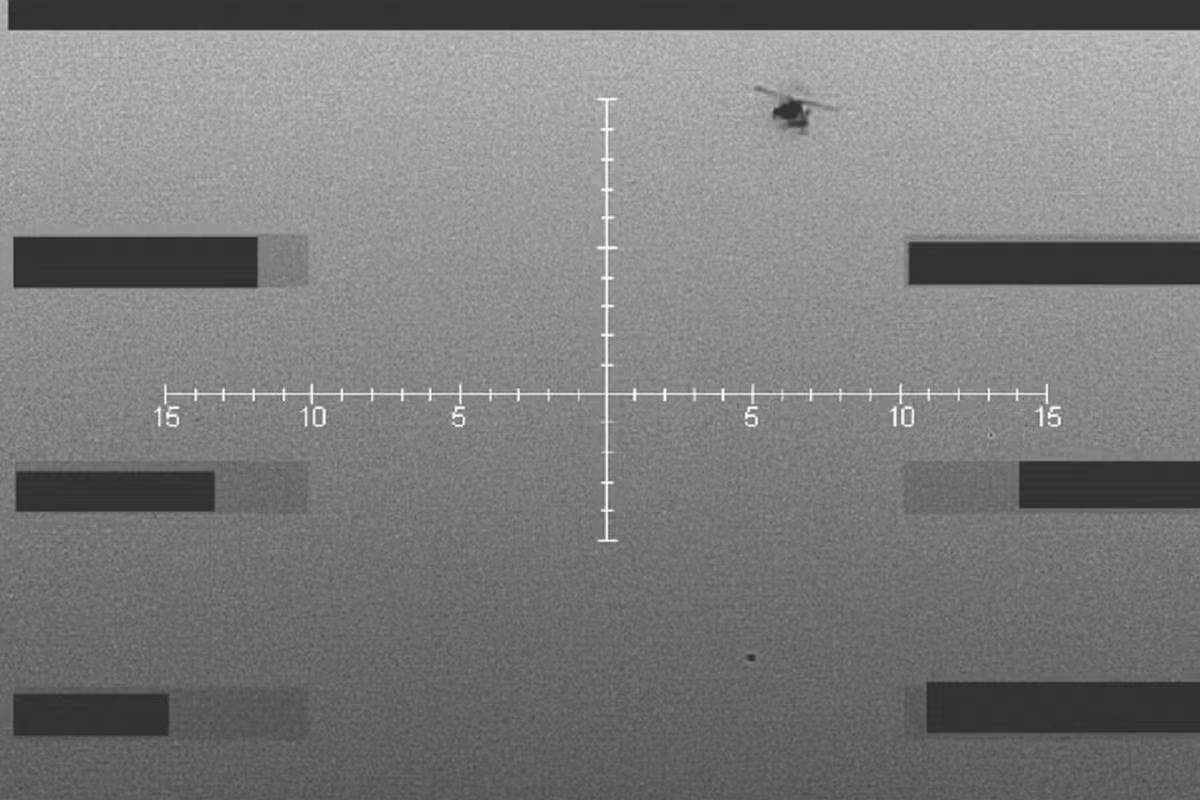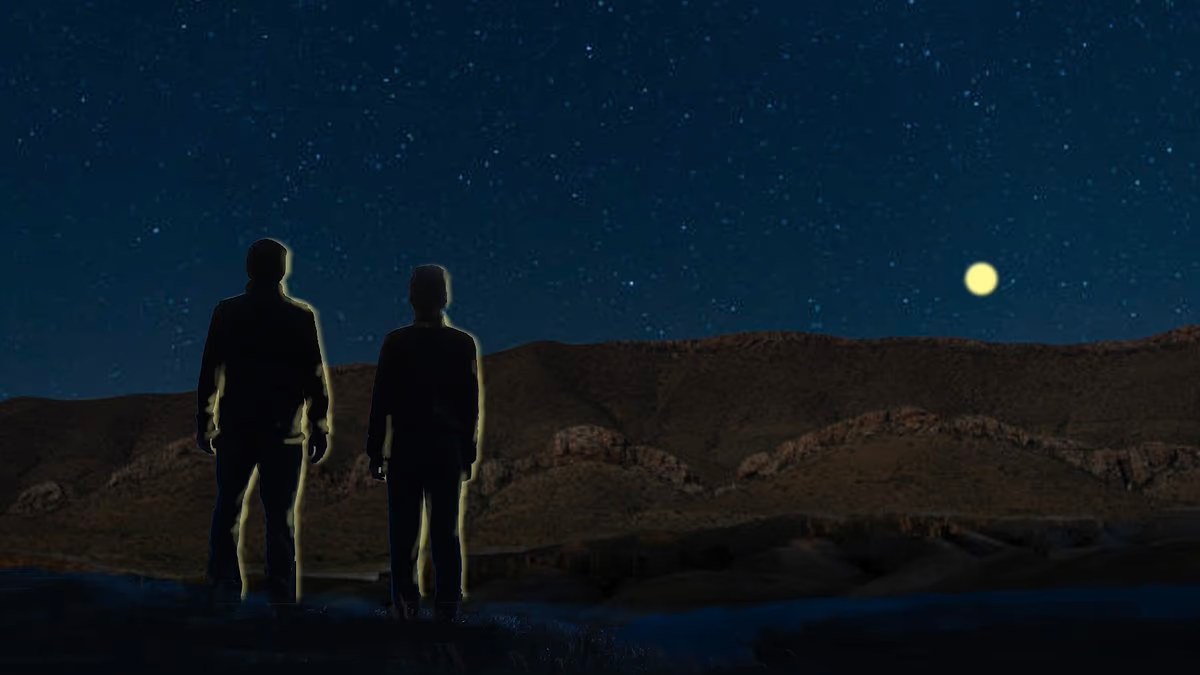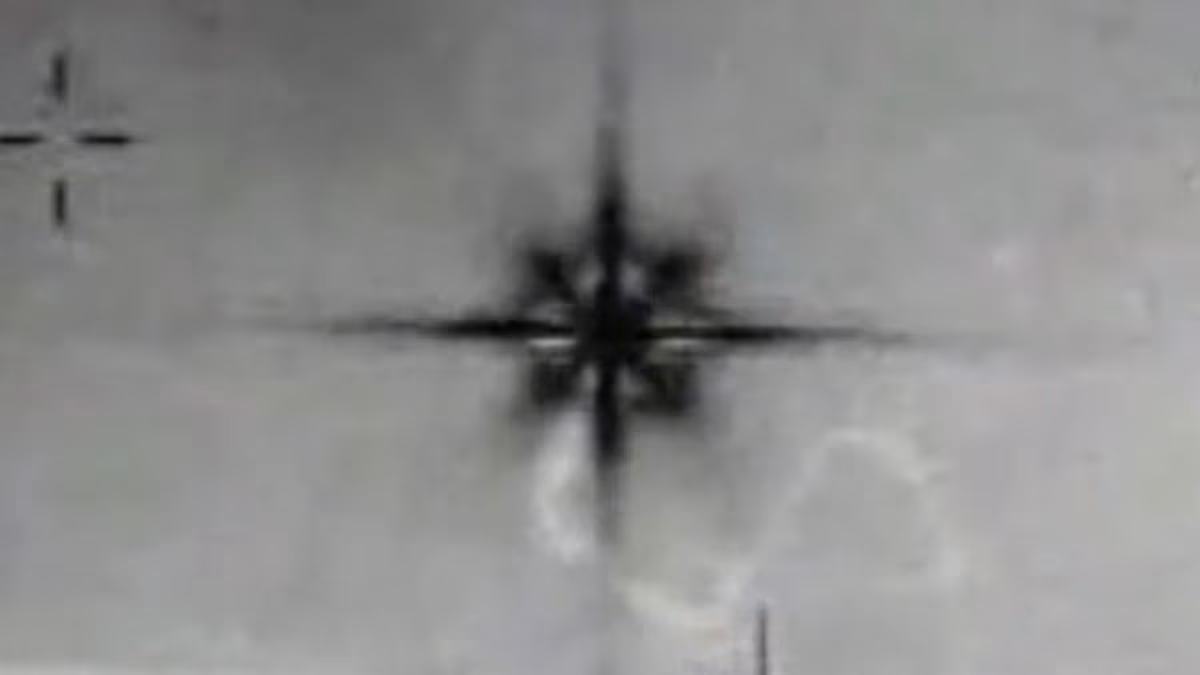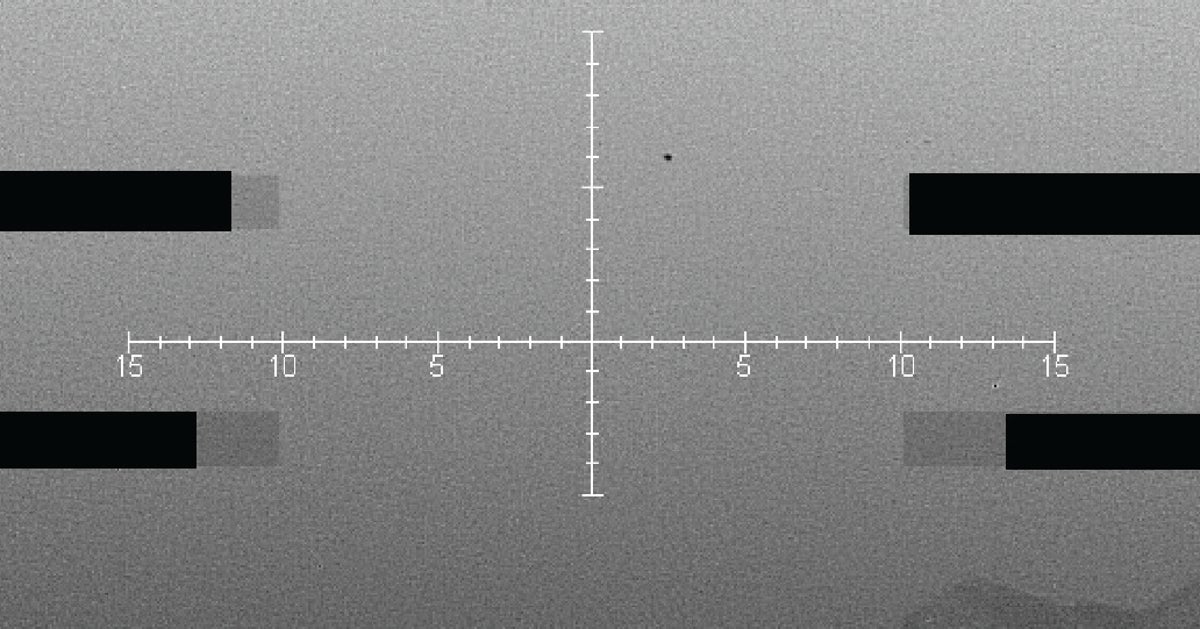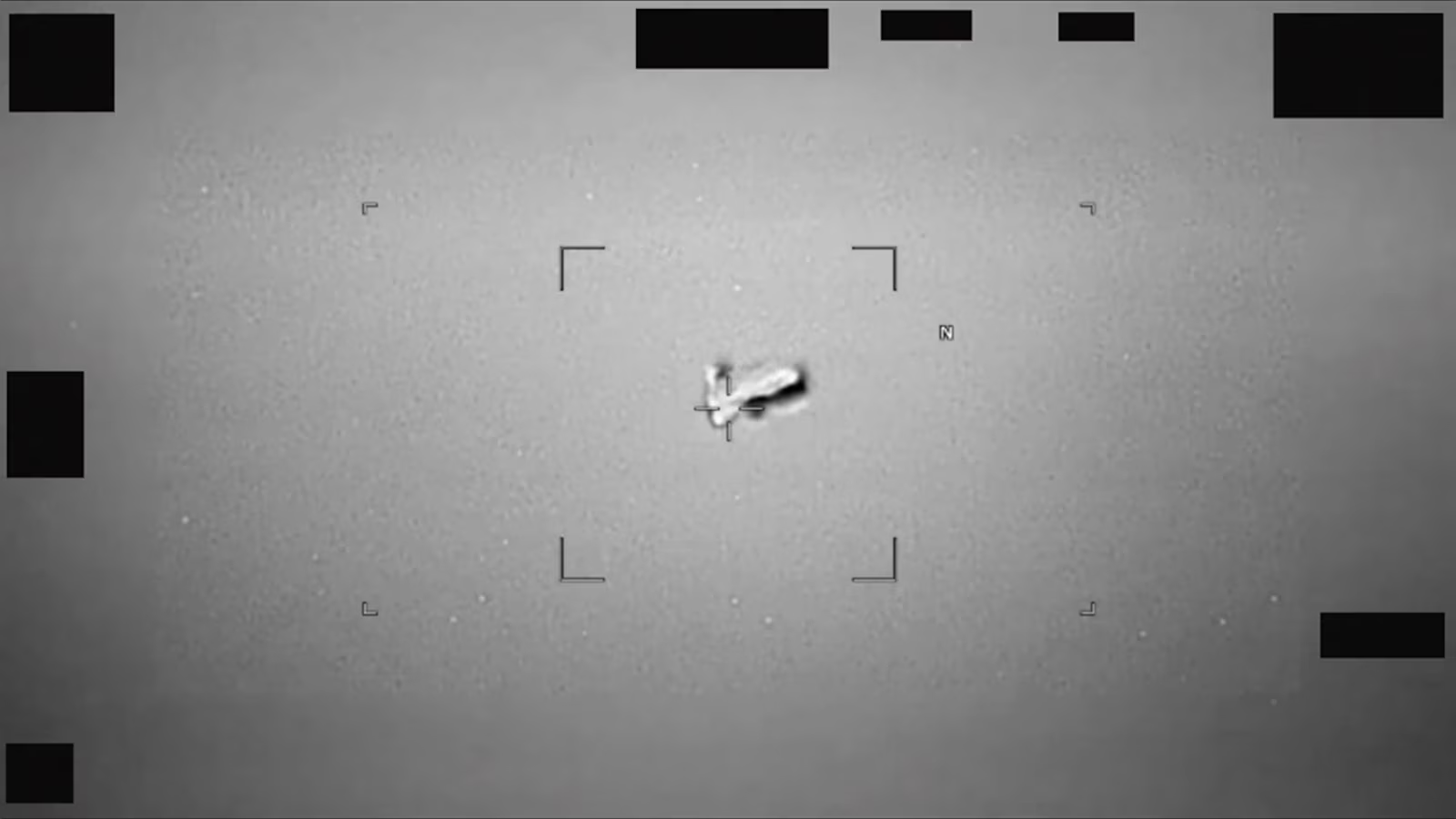
No bombshells so far in the latest Pentagon batch of declassified Unidentified Anomalous Phenomena files. But they show the CIA hid its involvement.Show Caption
WASHINGTON – They’re out there! The latest batch of newly declassified Pentagon documents about potential alien contact, that is.The Trump administration, on June 12 – the same day a new Steven Spielberg blockbuster on alien visitors comes out − released a third tranche of previously top-secret UFO files from military and civilian intelligence agencies.The new documents, photos, drawings and videos add to the government's rapidly expanding archive of unexplained sightings, known in official parlance as UAPs, or Unidentified Anomalous Phenomena.So far, there are no bombshells, based on a USA TODAY review of the documents, and early social media postings from other media and the legions of UFO-ologists out there. But the files do include documentation, as in previous releases, of some sightings and other observations that investigators were unable to explain, leaving the true details of the phenomena unresolved.The release marks the latest chapter amid a resurgent public interest in UFOs, spurred by recent high-profile Congressional hearings on the topic. And this time, whether intentionally or not, it aligns with the release of Spielberg's "Disclosure Day," a sci-fi thriller in which the acclaimed director of other alien-themed movies explores how humans might deal if we found out we weren't alone in the universe.The declassified materials uploaded to the Department of Defense’s website on Friday morning offered no immediate evidence about alien visitors to planet Earth. But they did contain some intriguing reports and exchanges dating back to the 1950s about the potential for life beyond our own floating blue orb.In one case, CIA officials hid their spy-agency affiliation from a scientist, Dr. Leon Davidson, who was seeking answers about an alleged “space message and its transmitter.”An 'extraordinarily noncommittal and evasive answer' by the CIA“We have contacted Dr. Davidson by telephone advising him that we cannot resolve his problem concerning the space message and its transmitter because records on the matter have been destroyed by the evaluating agency,” R.P.B. Lohmann wrote in a “confidential” letter to the CIA’s “Chief, Contact Division” and others on Jan. 9, 1958.Leon Davidson was a chemical engineer who worked on the Manhattan Project and at Los Alamos, and who “studied and collected material on UFOs” from 1949 into the 1960s, according to archival materials at Columbia University. The Columbia University Libraries houses the “Leon Davidson Flying Saucer Collection” as part of its Rare Book and Manuscript Library, its website says.“Davidson accepted this statement with the comment that he had been told this before,” and said he was trying to water down his pending article about “Air Force handling of space sightings” enough for it to get approved by a Pentagon security review team.“We appreciate that there have been many cooks in the kitchen on this dish and that, as a result, the extraordinarily noncommittal and evasive answer we were instructed to give Davidson was perhaps the only one possible if we were to avoid crossing up previous statements of our own, and other involved agencies, to this man,” Lohmann wrote. “But the answer was hardly fair to Davidson, and one not likely to be fully accepted by him.”Lohmann also noted that two agency officials dealing with Davidson tried to “conceal their CIA identity from him,” but that they were “reasonably sure that … he knew very well with whom he was dealing.”In signing off, Lohmann wrote, “We are sure more will be heard from Davidson.”'Unprecedented levels of interest'Pentagon spokesman Sean Parnell posted on X that the files were released as part of President Donald Trump’s Presidential Unsealing and Reporting System for UAP Encounters (PURSUE).Parnell said there had been “unprecedented levels of interest in both this topic” and the release of the files, housed at WAR.GOV/UFO, so the public – and the legions of UFO researchers – can study them. The site has received more than 1.7 billion hits worldwide since its launch on May 8, 2026.Parnell said the Pentagon “and our agency partners are actively working on the next release of UAP files.” Those agencies include the White House, various U.S. intelligence agencies, the FBI, the Department of Energy and NASA.The questions linger. New documents, at least, are out there for perusal.This is a developing story and will be updated.