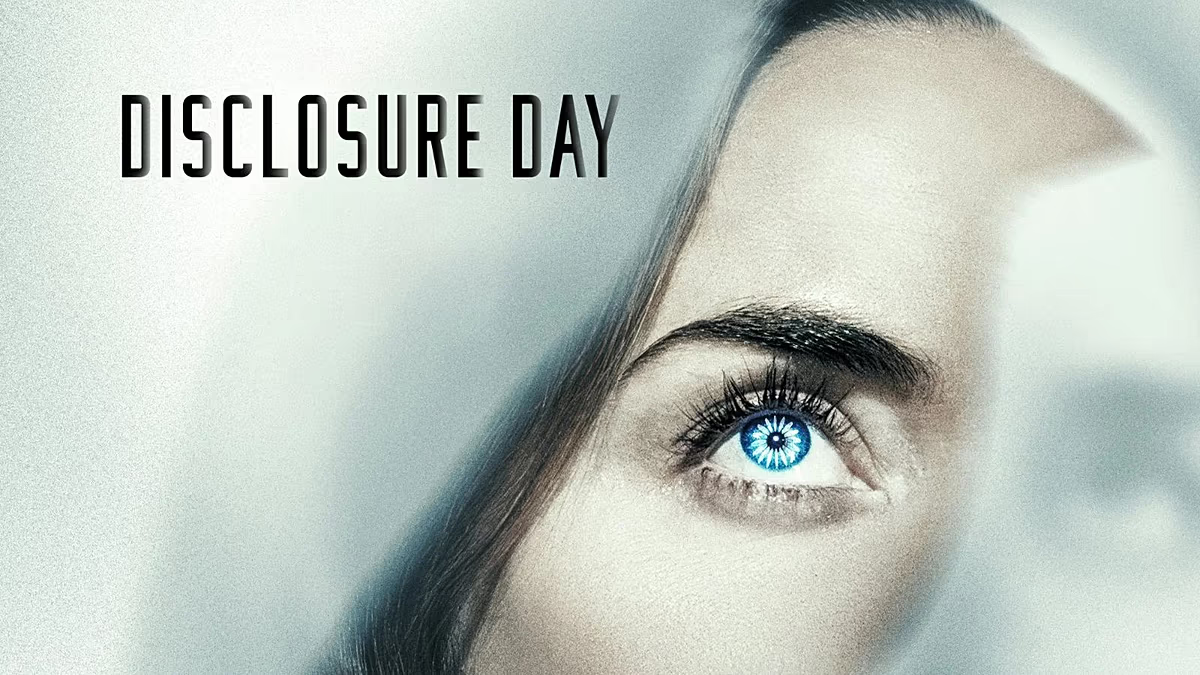
This essay discloses the ending of the movie Disclosure Day, so do not read if you want to avoid the truth until it is revealed to you in theaters.
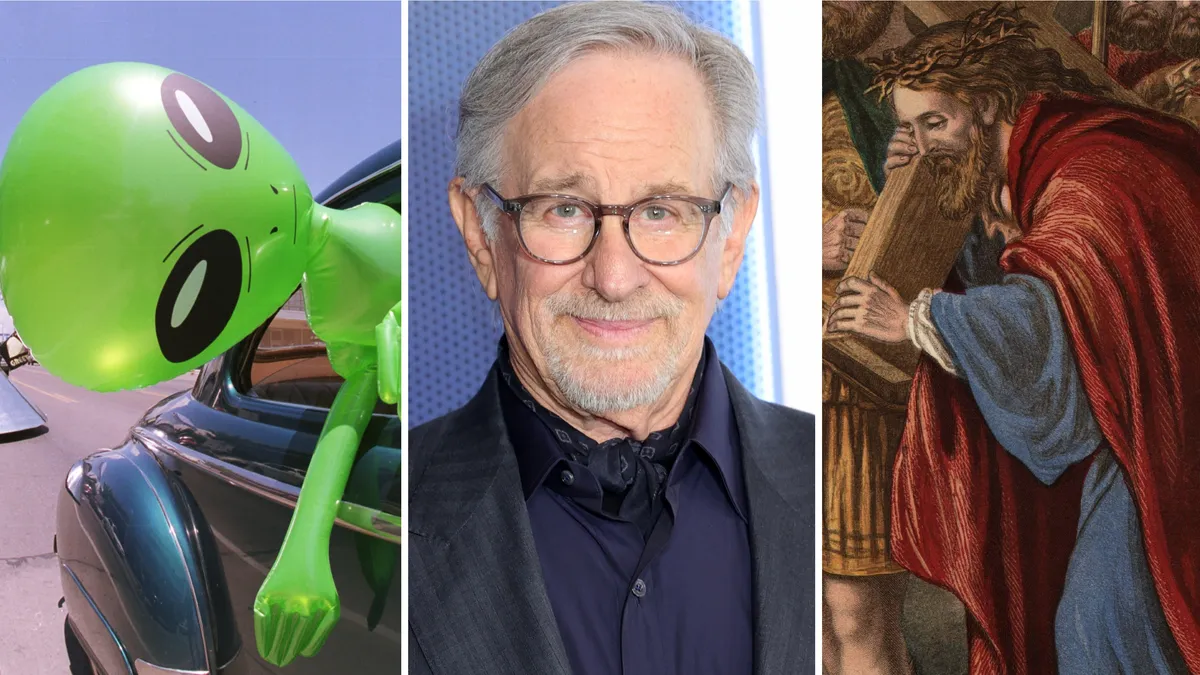
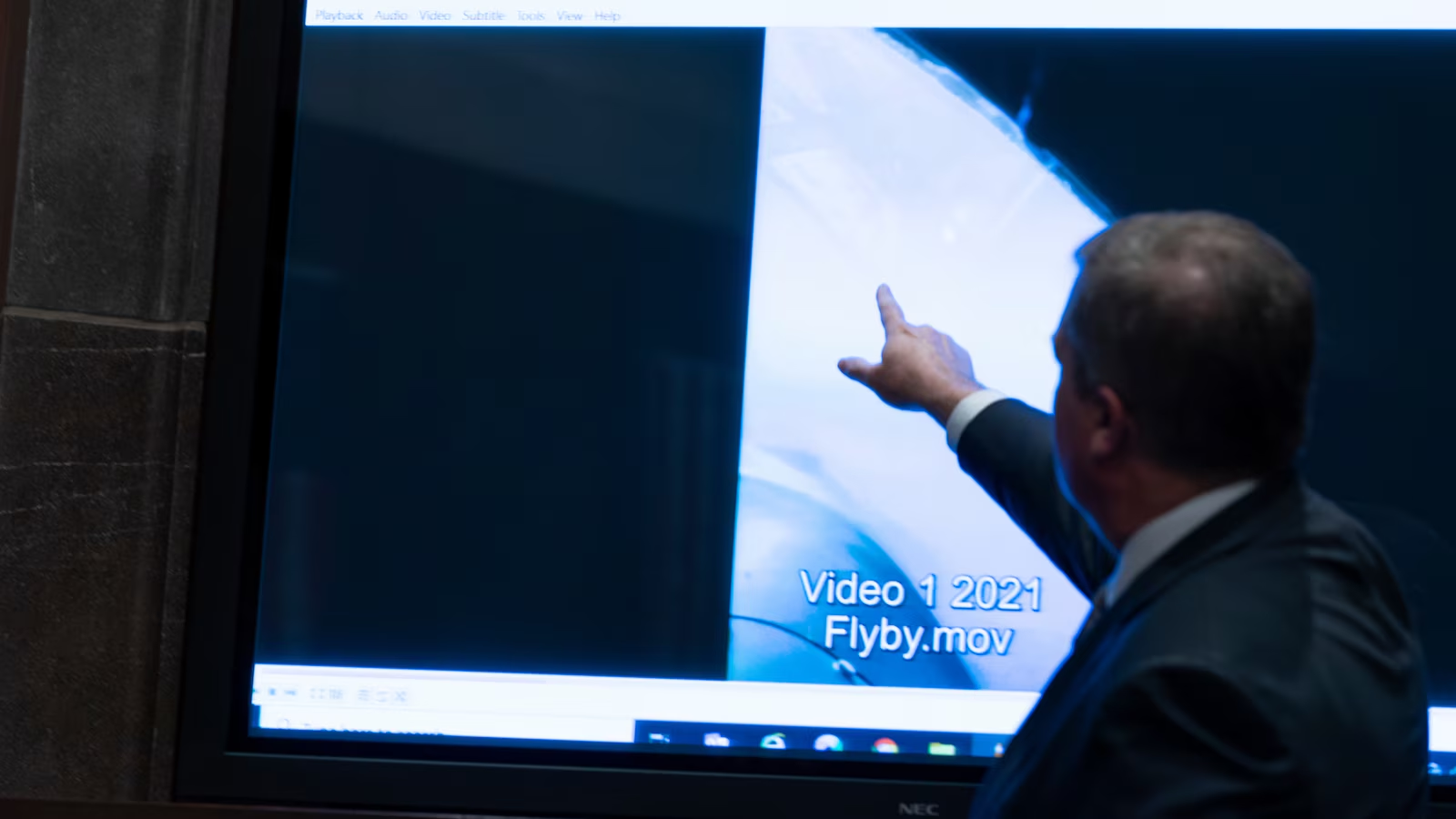
In The X-Files, special agent Fox Mulder kept a poster in his office featuring a photo of a flying saucer worthy of a 1950s pulp novel cover above the words “I Want To Believe.” It was not a declaration of faith, but an admission of desire—and a very relatable aspect of human behavior. Sure, the poster says, UFO conspiracies may be a little nuts, but wouldn’t it be fantastic if they weren’t? For fellow travelers, Steven Spielberg’s newest movie, Disclosure Day, is a deliverance.
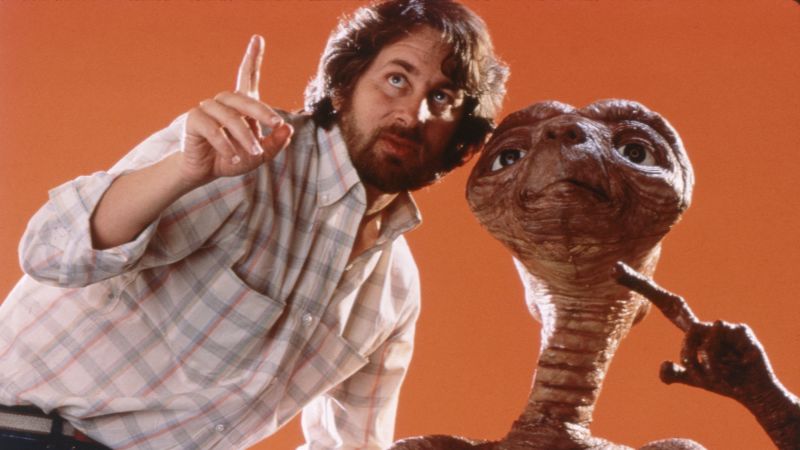
Few want to believe more than Spielberg, the 79-year-old film director and producer whose early empire was built off the back of adventure, fantasy, thrills, and, in some key cases, aliens from outer space. Though today equally respected for prestige dramas and historical epics, he’s always kept a foot in science fiction. The prolific auteur brought this duality home well in 1993, releasing both Schindler’s List and Jurassic Park in the same calendar year, and again in 2005, releasing Munich and War of the Worlds. He can look back with pride at spearheading the historical archive at the USC Shoah Foundation, but he can also rely on a solid payday whenever there’s a new installment in the noisy and childish Transformers franchise, of which he is an executive producer.