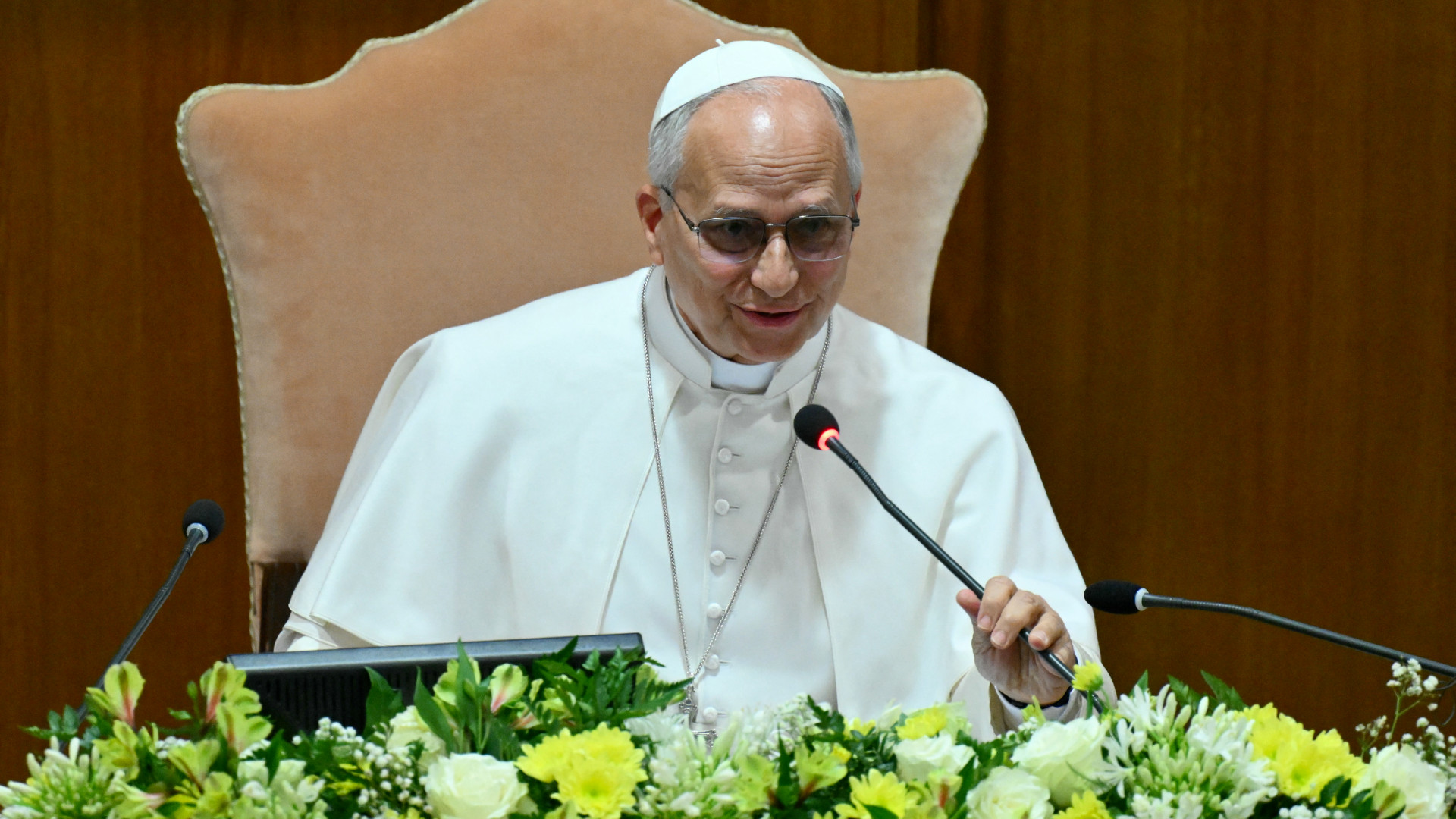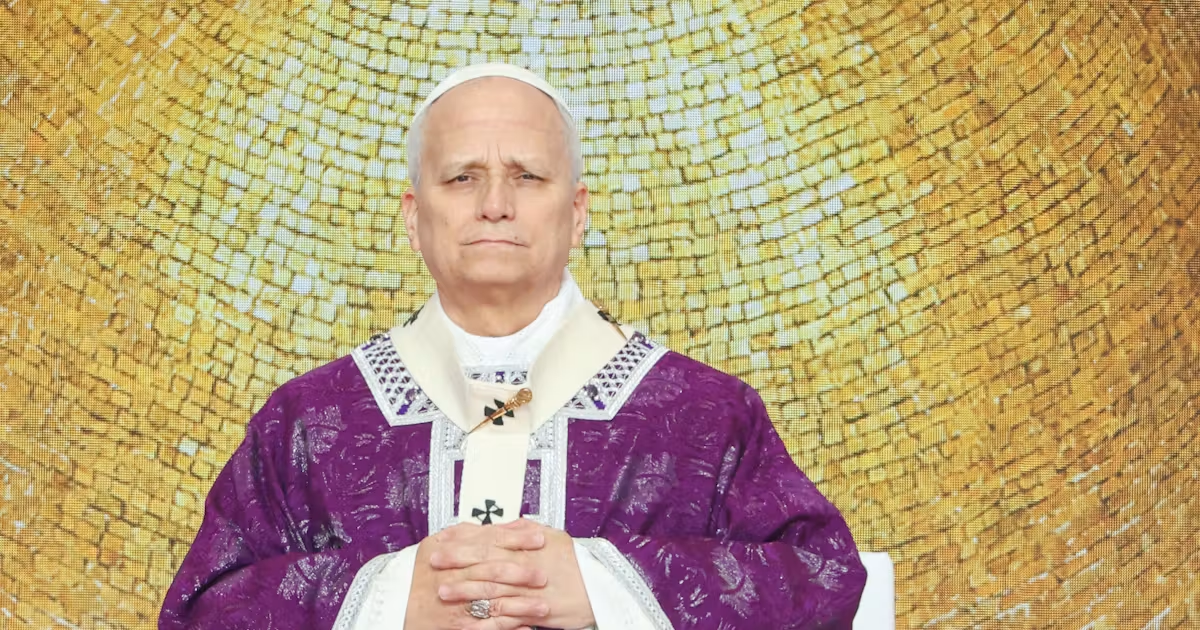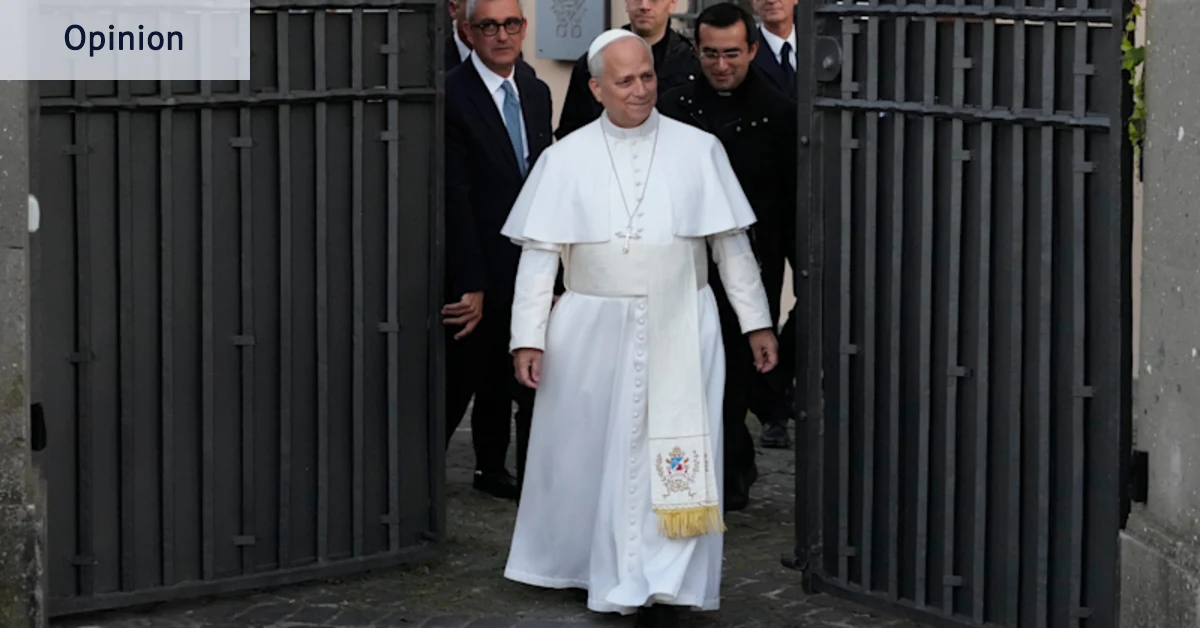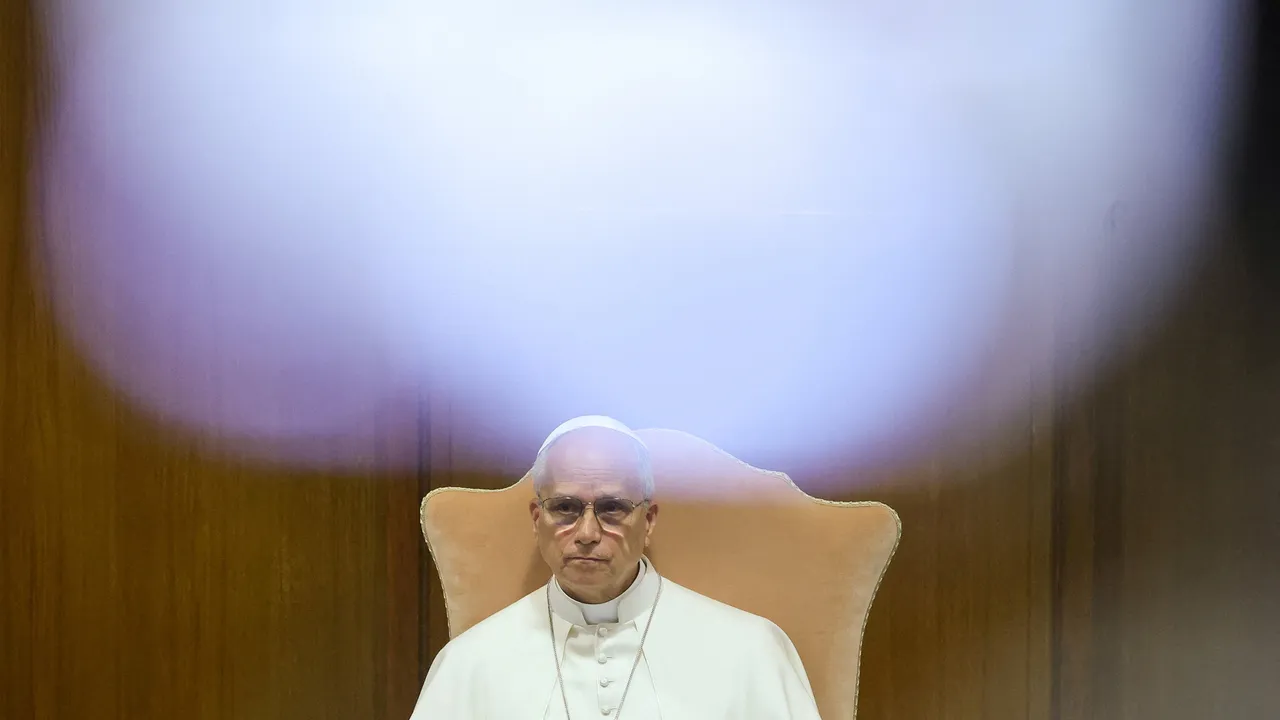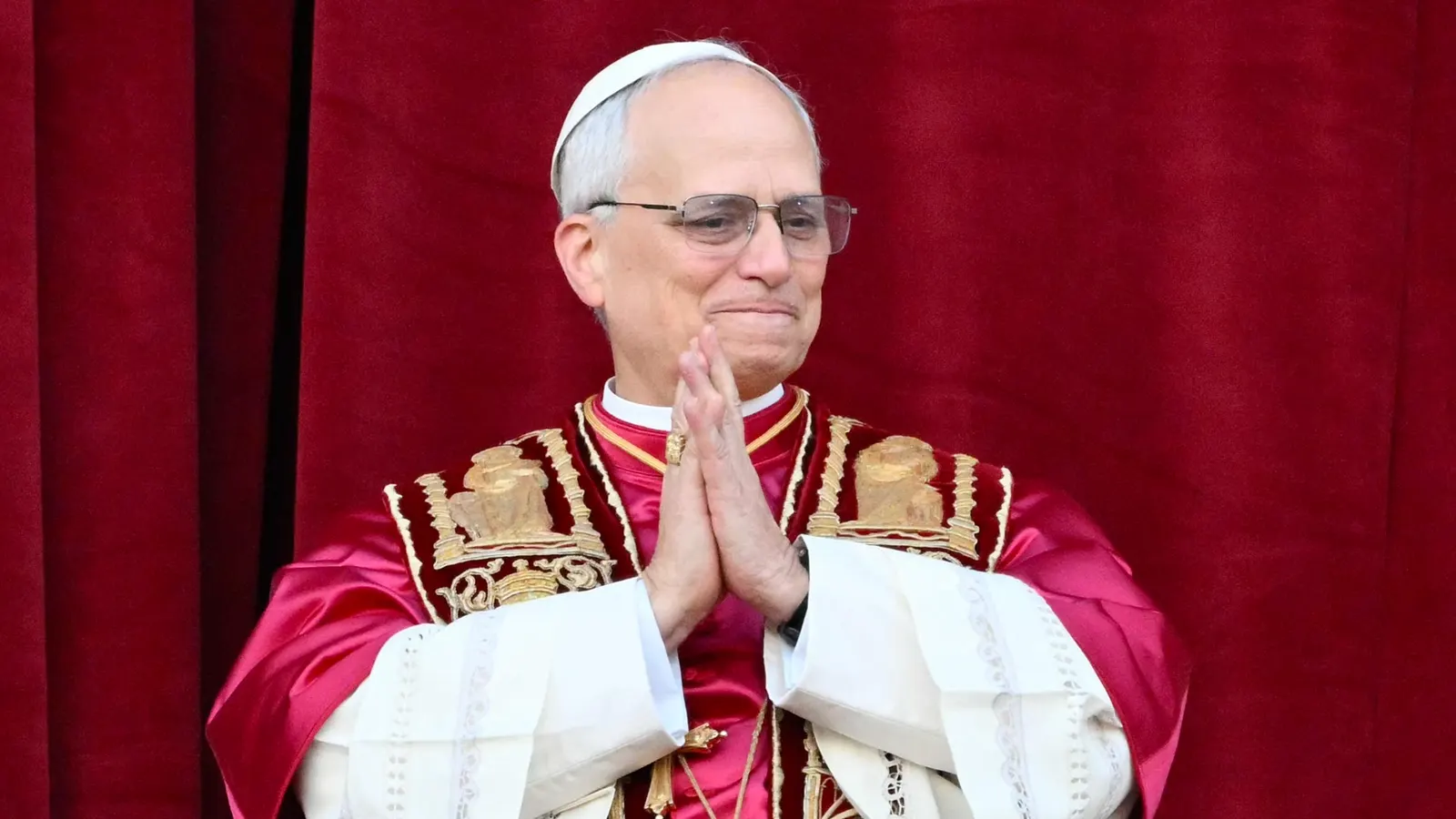
Pope Leo XIV recently presented the Catholic Church’s first encyclical on digital technology, Magnifica Humanitas. Silicon Valley’s atheist critics complained that the Holy Father had missed a chance to humble humanity before artificial superintelligence. Yet in the document is something more useful: an opening between technology and religion that may be society’s best hope in the age of AI. The case for bridging the divide is both principled and practical; spiritual and secular.
Some in the tech industry have rejected the protective, regulatory impulses of the encyclical, but in doing so they miss the deeper opportunity it offers. The greatest risk for the AI industry today is not rules but uncertainty: policy that swings wildly from one administration and jurisdiction to the next. The stabilising and consistently influential force of ancient traditions offers technology the roots it needs to grow. It provides predictability for the guardrails required and a defence against the caprices of politics.
De redactie van NRC selecteert de beste artikelen uit The Economist voor een breder perspectief op internationale politiek en economie.
More than that, partnership with religious traditions is not merely a short-term political convenience. Rather, it offers a way to steer and legitimise technology broadly, trading some immediate speed for far wider adoption and the avoidance of a devastating social backlash.