Friday, June 12th 2026 - 19:35 UTC
The reform also envisages a reduction of the state apparatus —from 27 to 20 ministries, according to a draft law— to cut spending and finance a future salary reform
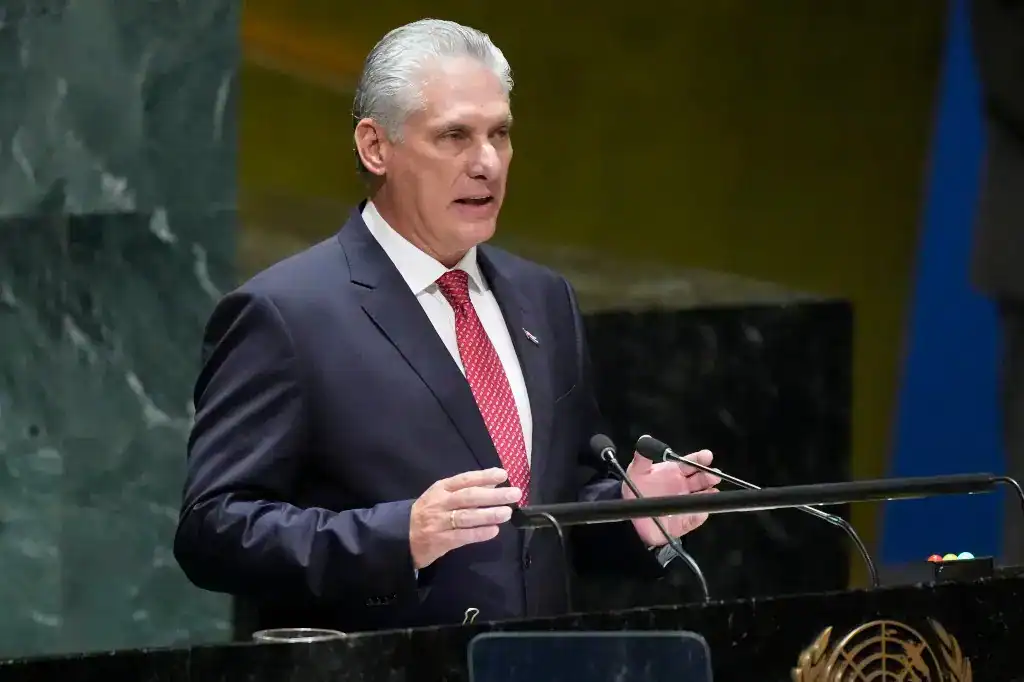
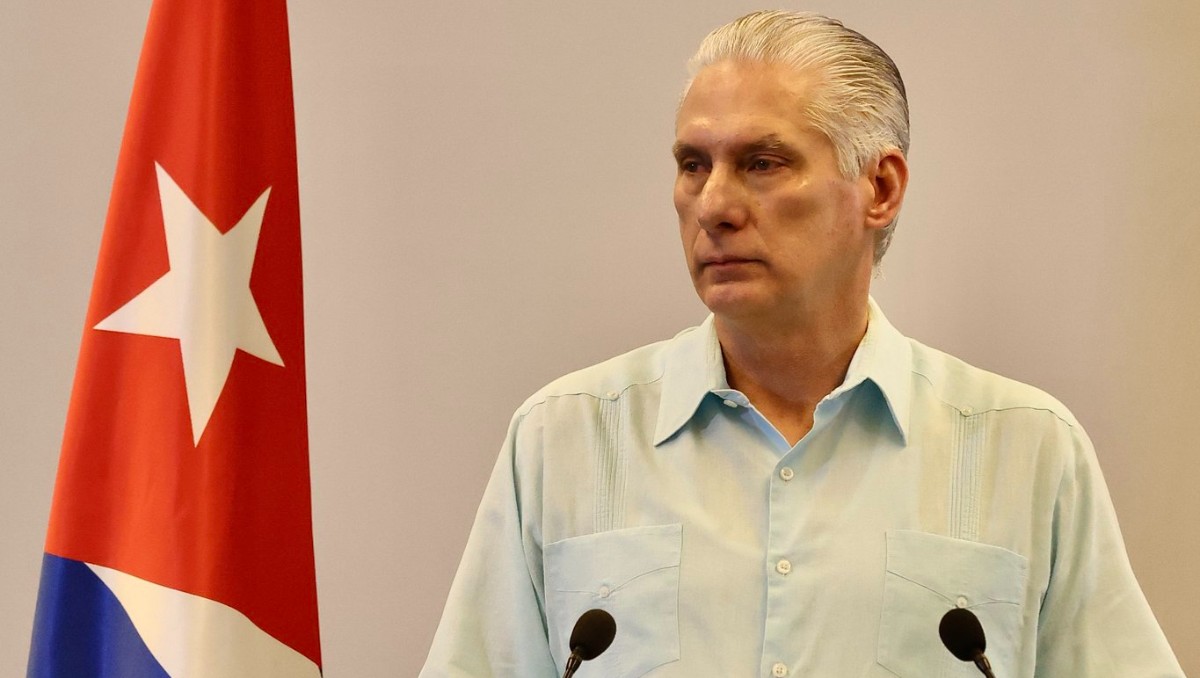
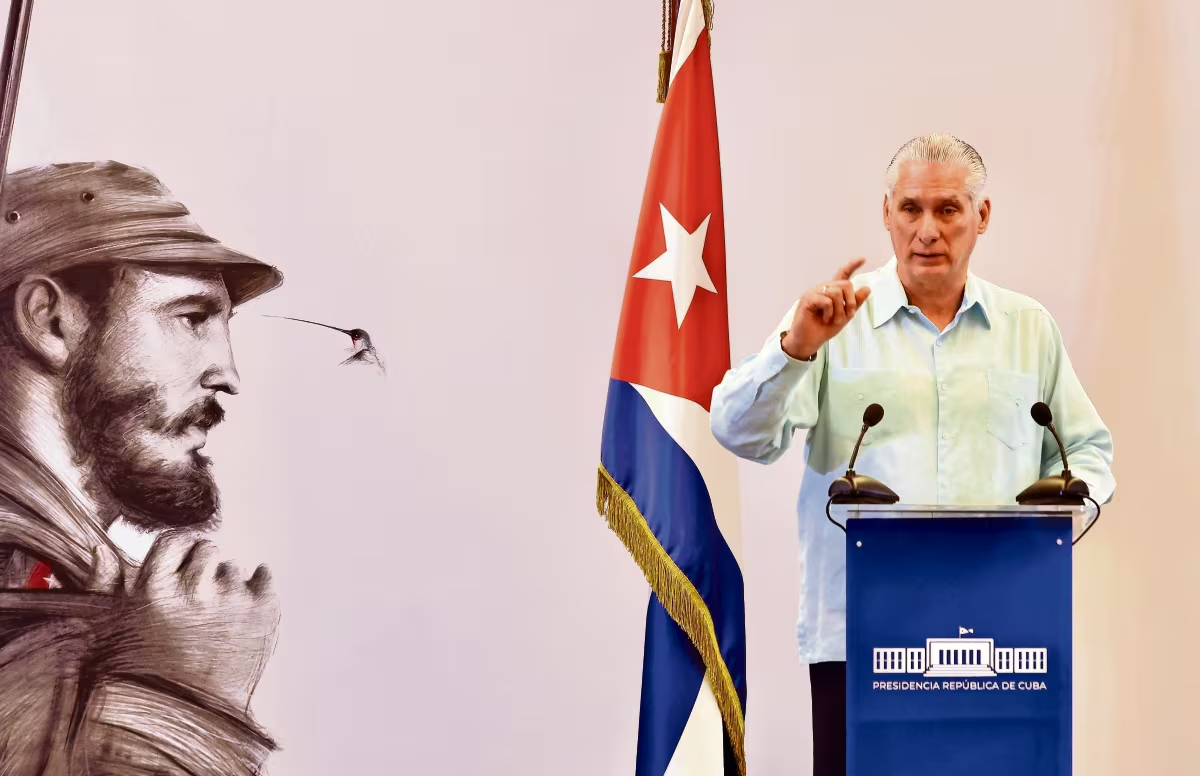
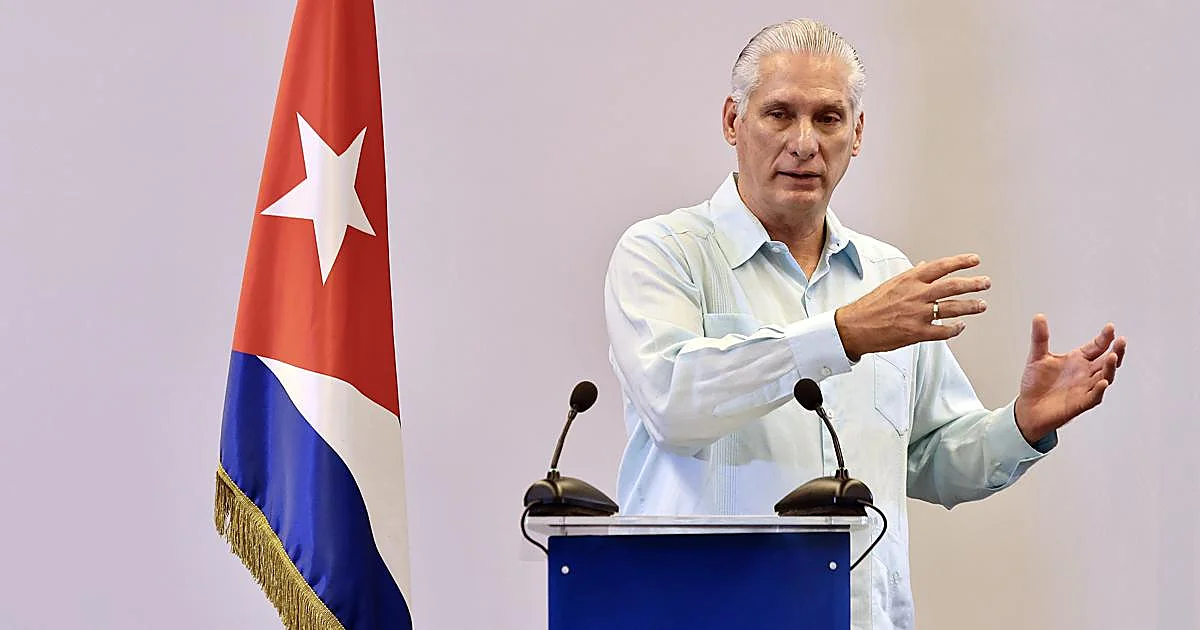
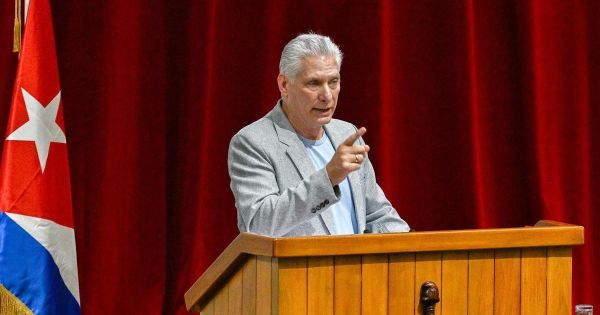
Cuba's President Miguel Díaz-Canel on Friday announced a broad package of economic reforms, under the so-called Economic and Social Program for 2026, to confront one of the most severe crises in the island's recent history, amid strong pressure from Donald Trump's government. “These are times when we have to change,” the president said, without specifying an entry-into-force date or the legal norms that will underpin each measure.
The core of the plan is an unprecedented decentralization of the state apparatus. Municipalities will be able to manage their own foreign-currency income, decide on their companies and economic actors and even carry out foreign-trade operations without state intermediation. State enterprises will gain autonomy to design salary systems without caps, reinvest profits, import and export, and take part in the foreign-exchange market. The package also authorizes investments by Cubans living abroad on equal terms, opens more sectors to the private sector —the small and medium-sized enterprises known as mipymes— and provides for replacing product subsidies with aid targeted at vulnerable people, instead of the current ration book.