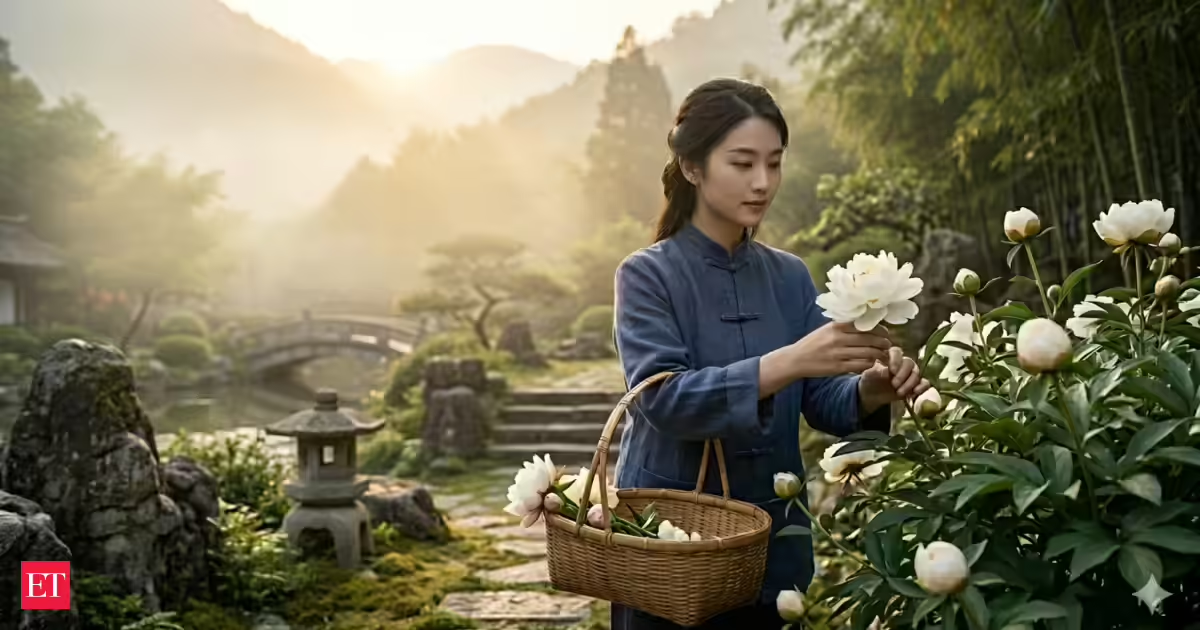
Chinese Proverb of the Day explores traditional sayings from around the world that continue to offer simple yet powerful lessons about life, emotions, relationships, and human nature. The Chinese proverb of the day, “The flower has intentions, but the water has no feeling,” reflects the sadness of one-sided emotions and the reality that feelings cannot always be controlled or returned.This proverb uses the gentle image of a flower and flowing water to describe a deeper truth about human relationships. A flower may lean toward the water and hope for connection, but the water continues to move without awareness or attachment. The saying reminds us that affection, care, and effort are not always met with the same feelings from others.Many Chinese proverbs use images from nature to explain complicated emotions and experiences. Flowers, rivers, mountains, and seasons often appear in traditional wisdom because they reflect the changes and patterns found in human life.Chinese culture has a long tradition of philosophical thinking about balance, acceptance, and the natural flow of events. These proverbs have been passed down through generations because they capture emotions that people across different times and places can understand.Over time, this proverb has remained meaningful because it speaks to a common human experience. Many people have loved, cared, or hoped for something that did not return in the same way. The saying encourages acceptance and emotional wisdom.Chinese Proverb of the Day: Not every feeling finds an answer“The flower has intentions, but the water has no feeling.”The proverb presents a quiet but powerful observation about love and attachment. Through the relationship between the flower and the water, it describes the difference between having feelings and receiving them in return.The first part of the proverb focuses on the flower. The flower represents someone who has emotions, hopes, or a desire for connection. It may symbolize a person who gives love, attention, or effort while wishing for the same in return.The second part turns toward the water. The water moves naturally, without intention or awareness of the flower’s feelings. It does not reject the flower out of cruelty, but it simply follows its own path.This reflects an important truth about life. Sometimes people care deeply for someone who does not feel the same way. Sometimes one person is ready for a connection while another person is not.The proverb suggests that feelings cannot always be forced. Love and affection require mutual understanding, and true connection happens when both sides are willing to meet each other.Why Do One-Sided Feelings Hurt So Much?Human beings naturally seek connection. When people invest their emotions, time, and energy into someone, they often hope those feelings will be recognized and returned.However, relationships do not always develop equally. One person may feel strongly while another person may remain distant or simply experience things differently.In modern life, people often struggle with expectations. Social media and romantic stories can create the idea that every feeling should have a perfect ending. But real life is more complicated. People have different emotions, experiences, and priorities.This Chinese proverb offers a reminder that rejection or unreturned feelings are part of the human experience. It encourages people to understand that not every connection is meant to last, and not every feeling will have the response we hope for.Life Lessons from the ProverbLove cannot be forcedTrue affection must come naturally. Feelings grow when both people genuinely choose the connection.Acceptance brings peaceUnderstanding that some things cannot be changed allows people to move forward with greater calm.Not every effort creates the same resultA person can give their best and still experience a different outcome than expected.Protect your emotional balanceCaring for others is valuable, but it is also important to respect your own feelings and needs.Why This Proverb Is Still Relevant TodayIn today’s world, relationships and emotions are often complicated by constant communication and high expectations. People can easily become attached while waiting for someone else to respond in the same way.This proverb remains powerful because it reminds us that another person’s feelings are outside our control. We can offer kindness, honesty, and care, but we cannot demand that someone’s heart moves in the same direction.The message is not about becoming cold or avoiding love. Instead, it teaches emotional maturity. It encourages people to appreciate genuine connections while accepting that some feelings may remain unanswered.The flower and the water create a simple picture of life’s emotional reality. Sometimes we reach out, and sometimes the world continues moving in another direction.Its message remains timeless because it reflects a simple truth: we may control the love we give, but we cannot always control the love we receive.
Chinese Proverb of the Day: 'The flower has intentions, but the water has no feeling...'- A timeless lesson about unreturned feelings and life’s uncertainties
A Chinese proverb, "The flower has intentions, but the water has no feeling," illustrates the pain of one-sided emotions and life's uncertainties. It uses the imagery of a flower reaching out to flowing water to explain that affection and effort are not always reciprocated. The saying encourages acceptance and emotional wisdom, reminding us that not every feeling finds an answer.
764 words~3 min read