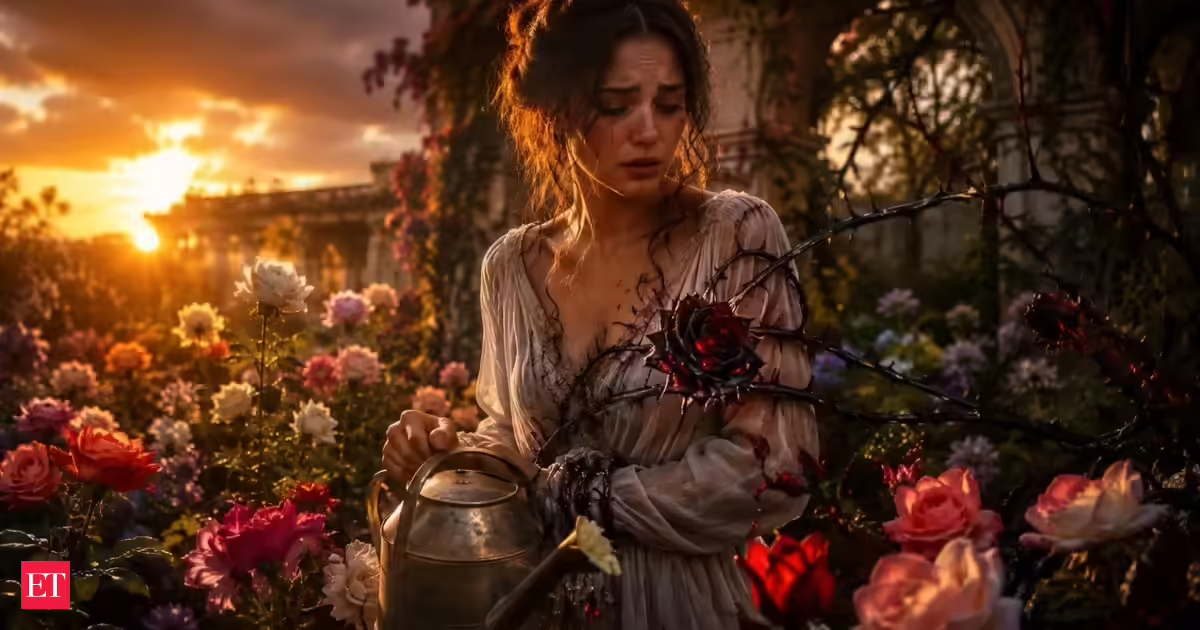
Spanish proverb of the day: Love often begins with hope. People enter relationships believing that effort can fix almost anything. They give second chances, third chances and sometimes even tenth chances. They invest time, energy, patience and emotion into people they care about. While commitment is one of the most admirable qualities in any relationship, there is a subtle danger hidden inside it. Sometimes individuals become so focused on saving every connection that they forget to nurture themselves. They spend years watering flowers that were never meant to bloom while neglecting the garden they already possess. That timeless human tendency forms the heart of today's Spanish-inspired proverb of the day. Filled with gentle satire and emotional wisdom, the saying explores love, heartbreak, self-worth and personal growth through a simple yet unforgettable image. In an era where many people measure their value through relationships, the proverb offers a refreshing reminder that healthy love should enrich a person's life, not consume it.“The woman who watered every flower learned too late which one was her garden.”The proverb immediately paints a vivid picture. Imagine a woman walking through a vast field filled with flowers. Every flower appears beautiful. Some are bright and colorful. Others seem rare and fascinating.You Might Also Like:Determined to help them all grow, she spends her days carrying water from one flower to another. She gives her attention generously. She gives her energy freely. She gives her care endlessly.Years pass. One day she turns around and notices something surprising. The garden that truly belonged to her has been waiting quietly in the background all along. The satire hidden in the proverb is subtle but powerful. The woman is not unkind. She is not selfish. Her mistake is caring for everything except the place where her own future could grow.What does the proverb mean?At its core, the proverb teaches a lesson about emotional investment. The flowers represent relationships, romantic interests and people who enter our lives. The garden symbolizes personal well-being, self-respect and the relationships that genuinely deserve long-term attention.Many people spend enormous amounts of energy trying to rescue connections that are one-sided, unhealthy or temporary. Meanwhile, they neglect themselves. The proverb suggests that love should not require abandoning your own growth. Giving to others is admirable. Forgetting yourself is costly.You Might Also Like:Why this proverb feels especially relevant todayModern relationships often create confusion between attention and affection. Many people assume that the more effort they invest, the more valuable the relationship becomes.As a result, they stay too long in situations that no longer serve them. They continue texting people who rarely respond. They continue pursuing partners who remain emotionally unavailable. They continue trying to prove their worth to individuals who fail to appreciate it.The proverb gently challenges this behavior. The woman keeps watering flowers because she believes every flower deserves saving. Eventually she discovers that not every flower was meant to become her future.The hidden lesson about breakupsOne reason breakups can feel devastating is because people often mourn more than the relationship itself. They mourn the time invested. They mourn the hopes attached to the relationship. They mourn the version of the future they imagined.You Might Also Like:The proverb offers a comforting perspective. Not every flower is meant to become a garden. Some relationships arrive to teach lessons. Others arrive to reveal strengths. Still others help people understand what they truly need from a partner. The end of a relationship does not automatically mean the investment was wasted.Sometimes the lesson is the harvest.What the proverb teaches about healthy loveInterestingly, the saying is not a warning against caring. It is a lesson about balance.The healthiest relationships occur when people nurture one another without neglecting themselves. A strong partnership allows both individuals to grow. It encourages dreams rather than replacing them.It supports personal identity rather than consuming it. The proverb reminds readers that genuine love should feel like adding water to a thriving garden, not endlessly rescuing flowers that refuse to take root.Why young people may connect with this wisdomFor younger generations navigating modern dating, the proverb feels especially relevant. Many people are taught to chase affection rather than evaluate compatibility.They focus on being chosen instead of asking whether a relationship is right for them. The result is often emotional exhaustion. The proverb offers an alternative perspective. Instead of asking, "How can I make this person stay?" a more useful question may be, "Is this relationship helping both of us grow?"That shift changes everything. It replaces desperation with clarity. It replaces anxiety with self-respect.The deeper message behind the gardenWhat makes this proverb optimistic is that the garden never disappears. Even after years of distraction, it remains. The opportunity for growth remains. The possibility of healthy love remains. The woman's mistake is not irreversible. She simply needs to recognize where her energy truly belongs. The same lesson applies to life.People often spend years searching for validation from others before discovering that confidence grows when they invest in themselves. The strongest relationships are often built by individuals who have already learned how to nurture their own gardens.
Spanish Proverb of the Day: ‘The woman who watered every flower learned too late which one was…’ The hidden relationship mistake that leaves good people heartbroken and emotionally exhausted
Spanish proverb of the day for today delivers a timeless lesson about relationships, self-worth and emotional wisdom. Its message is both gentle and profound. Love is a beautiful thing, but not every relationship deserves endless investment.
842 words~4 min read