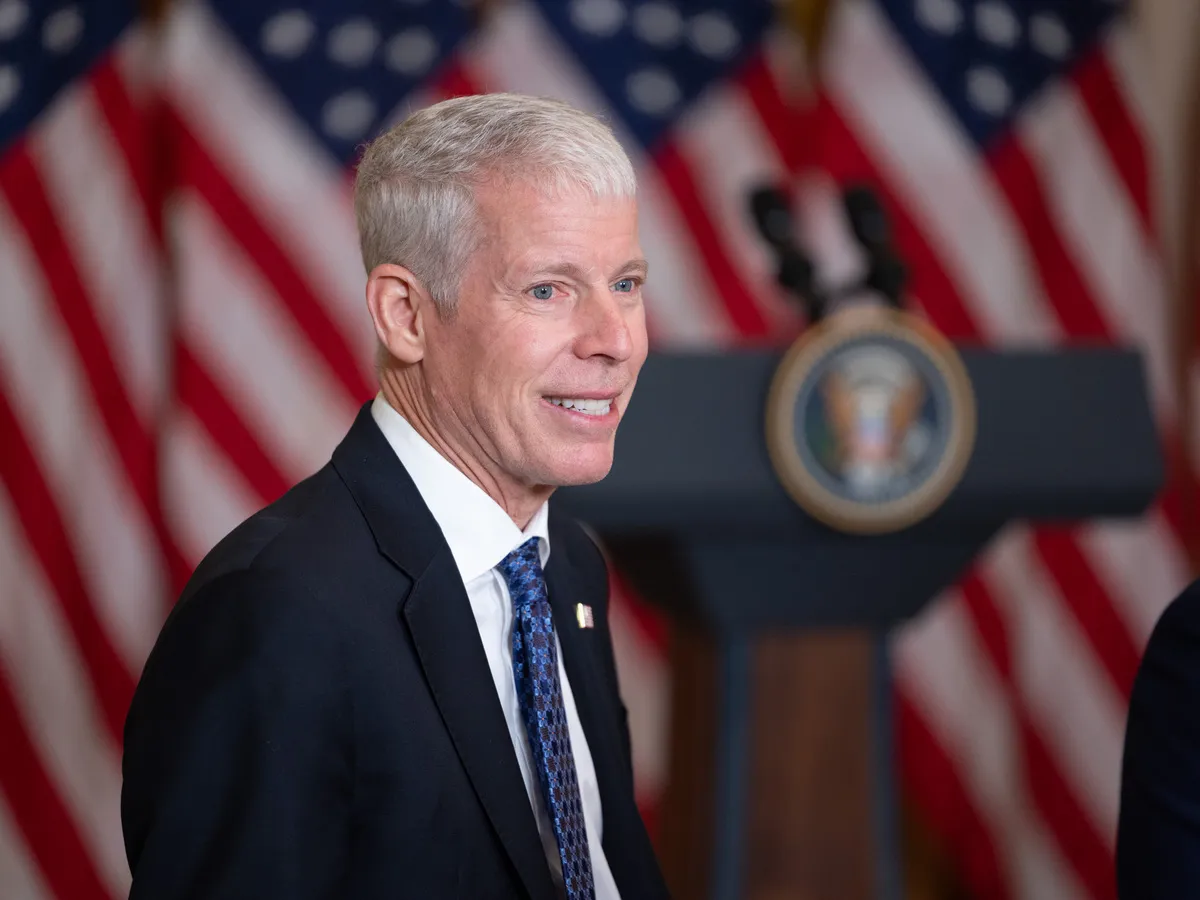
Skip to Content News Archives Economy Energy Oil & Gas Renewables Electric Vehicles Mining Commodities Agriculture Real Estate Mortgages Mortgage Rates Finance Banking Insurance Fintech Cryptocurrency Work Wealth Smart Money Wealth Management Investor Personal Finance Family Finance Retirement Taxes High Net Worth FP Comment Executive Women Puzzmo Newsletters Financial Times Business Essentials More Innovation Information Technology FP500 Podcasts Small Business Lives Told Tails Told Shopping Financial Post Store Obituaries Place a Notice Advertising Advertising With Us Advertising Solutions Postmedia Ad Manager Sponsorship Requests Classifieds Place a Classifieds ad Working Profile Settings My Subscriptions Saved Articles My Offers Newsletters Customer Service FAQ News Economy Energy Mining Real Estate Finance Work Wealth Investor FP Comment Executive Women Puzzmo Newsletters Financial Times Business Essentials HomeCommoditiesEnergyOil & GasTrump's energy chief says half of Hormuz stoppages restoredInternational oil futures fell 3.4% in LondonAuthor of the article:Last updated 1 hour ago You can save this article by registering for free here. Or sign-in if you have an account.U.S. Energy Secretary Chris Wright attends the Presidential AI Challenge National Champion Awards Ceremony at the White House on June 9, 2026 in Washington, DC. Photo by Anna Rose Layden/Getty ImagesRoughly 7 million barrels of daily oil and fuel shipments are flowing through the Strait of Hormuz, or about half of the volumes stranded at the start of the Iran war, said U.S. Energy Secretary Chris Wright.Subscribe now to read the latest news in your city and across Canada.Exclusive articles from Barbara Shecter, Joe O'Connor, Gabriel Friedman, and others.Daily content from Financial Times, the world's leading global business publication.Unlimited online access to read articles from Financial Post, National Post and 15 news sites across Canada with one account.National Post ePaper, an electronic replica of the print edition to view on any device, share and comment on.Daily puzzles, including the New York Times Crossword.Subscribe now to read the latest news in your city and across Canada.Exclusive articles from Barbara Shecter, Joe O'Connor, Gabriel Friedman and others.Daily content from Financial Times, the world's leading global business publication.Unlimited online access to read articles from Financial Post, National Post and 15 news sites across Canada with one account.National Post ePaper, an electronic replica of the print edition to view on any device, share and comment on.Daily puzzles, including the New York Times Crossword.Create an account or sign in to continue with your reading experience.Access articles from across Canada with one account.Share your thoughts and join the conversation in the comments.Enjoy additional articles per month.Get email updates from your favourite authors.Create an account or sign in to continue with your reading experience.Access articles from across Canada with one accountShare your thoughts and join the conversation in the commentsEnjoy additional articles per monthGet email updates from your favourite authorsSign In or Create an AccountorWright said the U.S. will fully reopen the waterway with or without Iran’s assistance. He spoke during the Bloomberg Energy Security Executive Briefing in Houston on Friday.At the start of the war in late February, about 20 million barrels of daily shipments were stranded as the strait was effectively shut. Several million barrels were diverted to alternative ports outside the Persian Gulf, leaving about 14 million trapped, Wright said.That represented “a big flow gap,” he said. “And we’re just going to restore flows ourselves.”The restoration of 7 million barrels a day “is a bigger number than I think people had been expecting,” Dan Pickering, chief investment officer at Houston investment bank Pickering Energy Partners, told the conference after Wright’s remarks. It “helps justify, if you will, prices that have been maybe a little bit lower than people thought.”International oil futures fell 3.4 per cent in London and earlier in the session dipped to less than US$86 a barrel, the lowest since the early weeks of the war. Prices have descended about 45 per cent from the war-time high above US$126 touched in late April.Chevron Corp. chief executive Mike Wirth said there are indications that flows through the strait are probably not as high as the energy secretary said. Wirth also cautioned against making premature assumptions about headlines related to any truce negotiations.“Our view would be it’s probably not quite that much,” Wirth said during a question-and-answer session at the event. As far as the potential for a truce, he said “the evidence would say you shouldn’t fully believe that until you see the agreement signed and you see the actions begin to come into effect. Iran has a long history of being a kind of a patient and immovable negotiating force.”After months of war and then an unsteady ceasefire, the U.S. and Iran may sign an agreement to reopen the Strait of Hormuz on the sidelines of the Group of Seven world leaders summit next week, Bloomberg reported earlier in the day, citing senior officials.A senior Iranian official indicated overnight that a deal is likely, said a G7 official and a diplomat from outside the group, who both asked not to be named discussing sensitive matters. This year’s G7 summit takes place from June 15 to June 17.Wright said he wants to see the U.S. Strategic Petroleum Reserve that as been tapped to cushion the blow of war-related disruptions “completely full.” Wright also ruled out any sort of export ban to bolster domestic energy supplies.With assistance from Kevin Crowley Join the Conversation This website uses cookies to personalize your content (including ads), and allows us to analyze our traffic. Read more about cookies here. By continuing to use our site, you agree to our Terms of Use and Privacy Policy.
Trump's energy chief says half of Hormuz stoppages restored
Roughly 7 million barrels of daily oil shipments are flowing through the Strait of Hormuz, said U.S. Energy Secretary Chris Wright. Read on.
918 words~4 min read