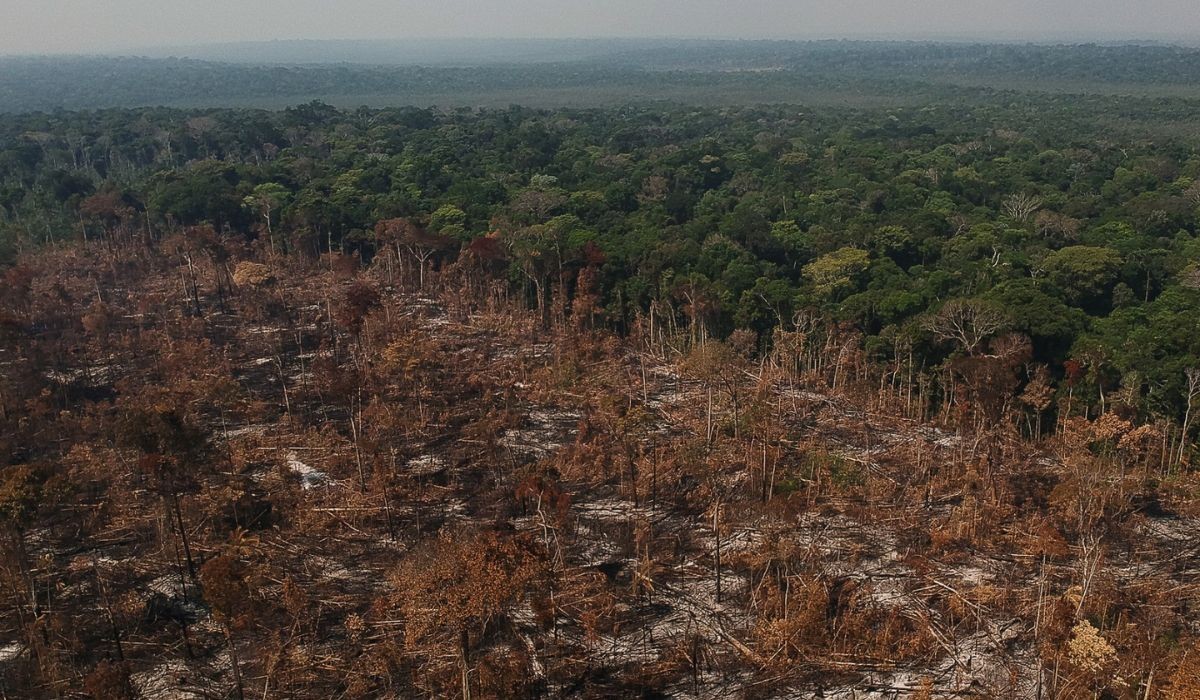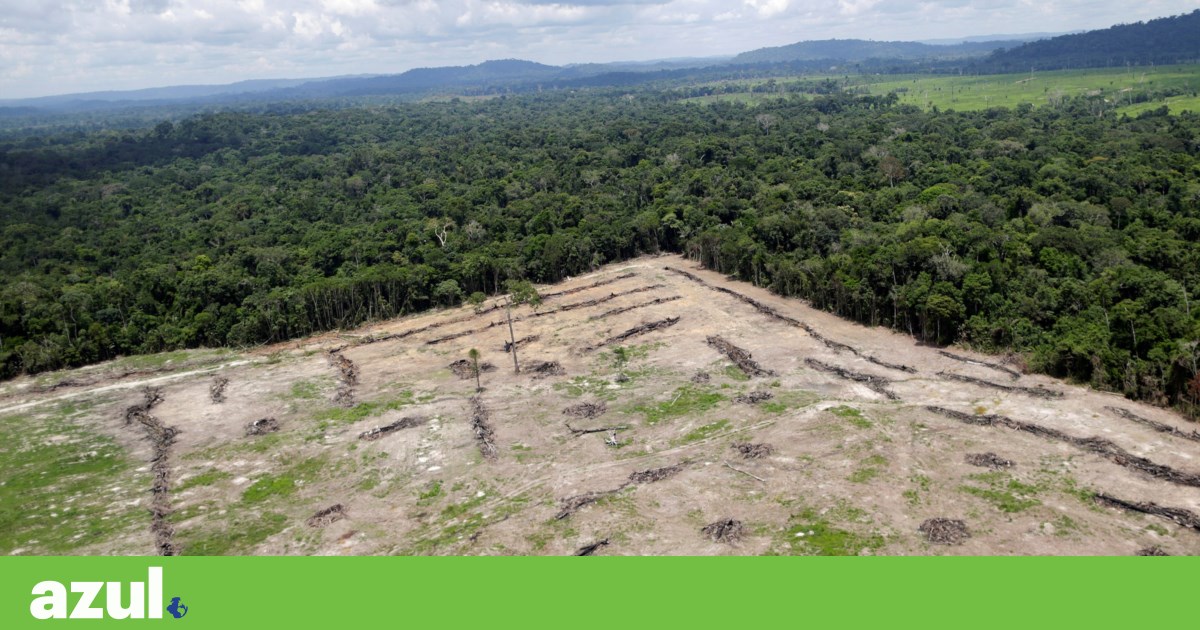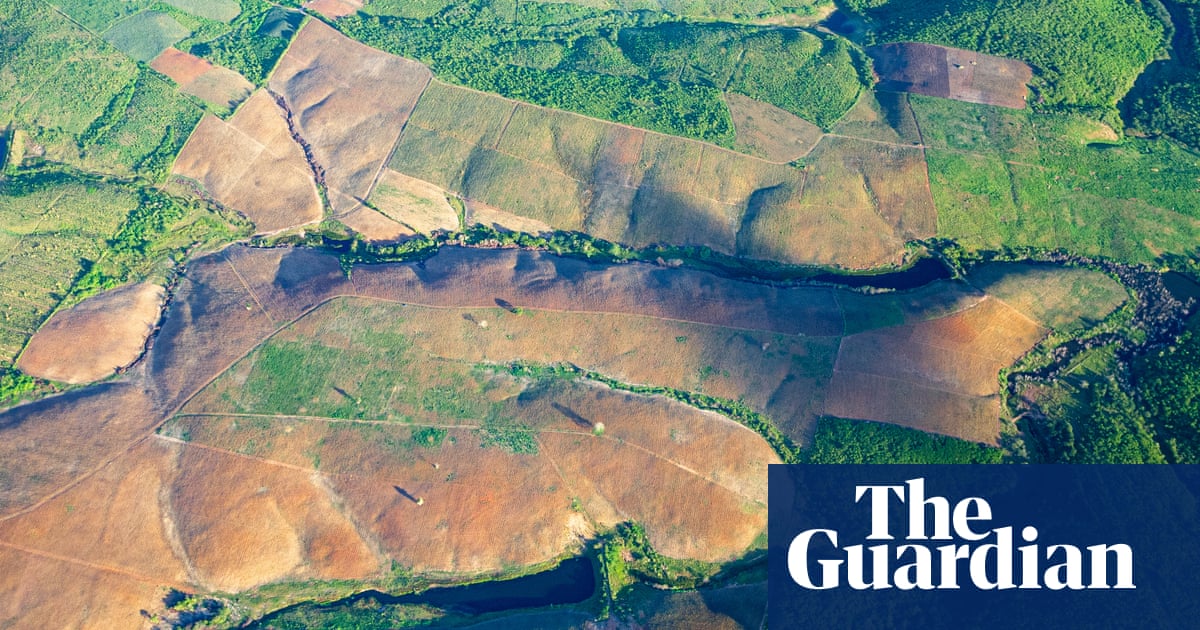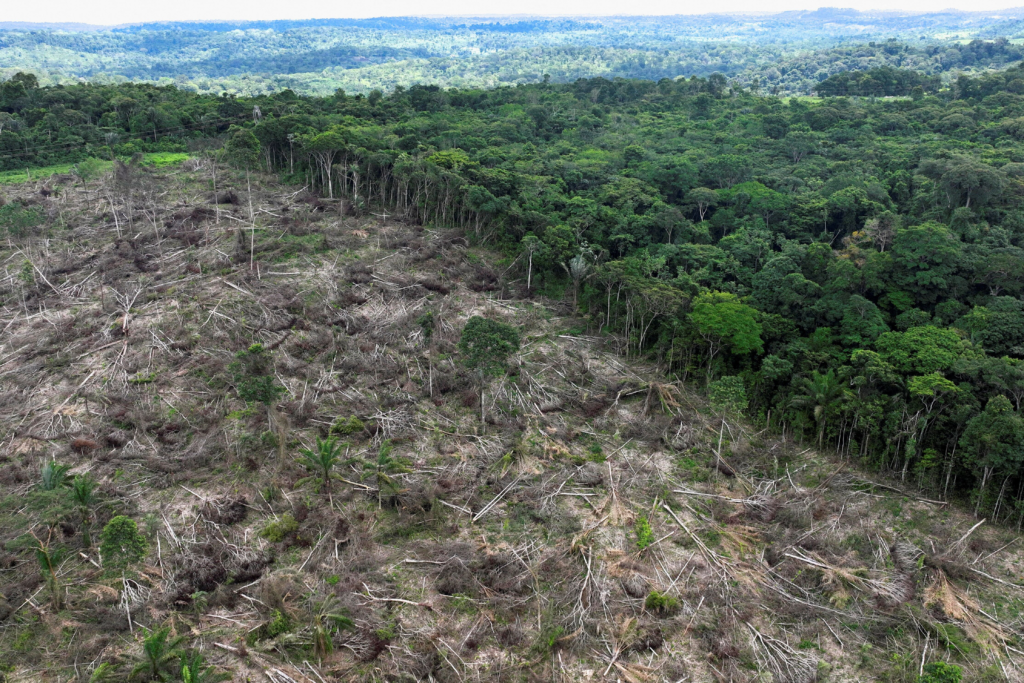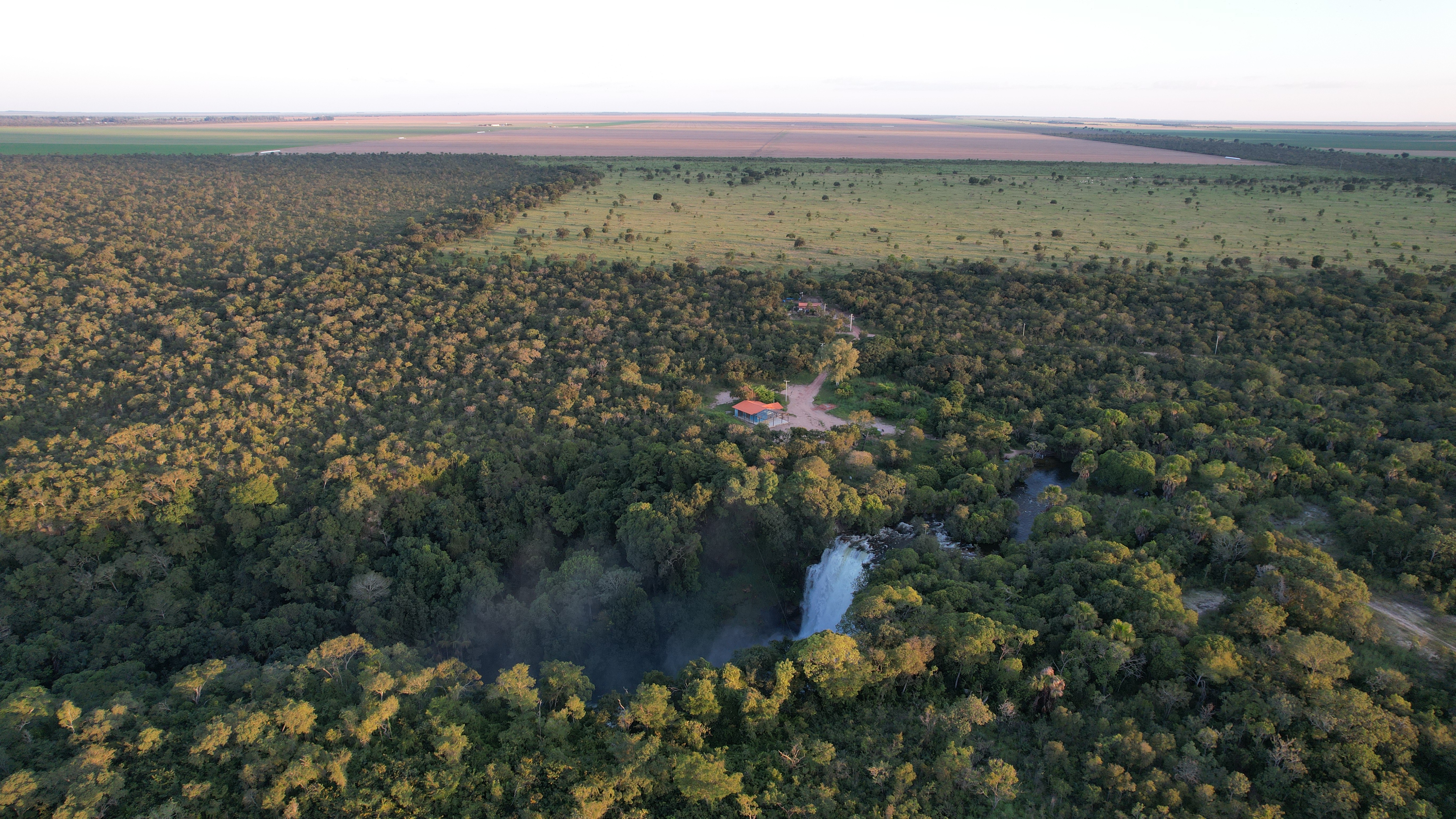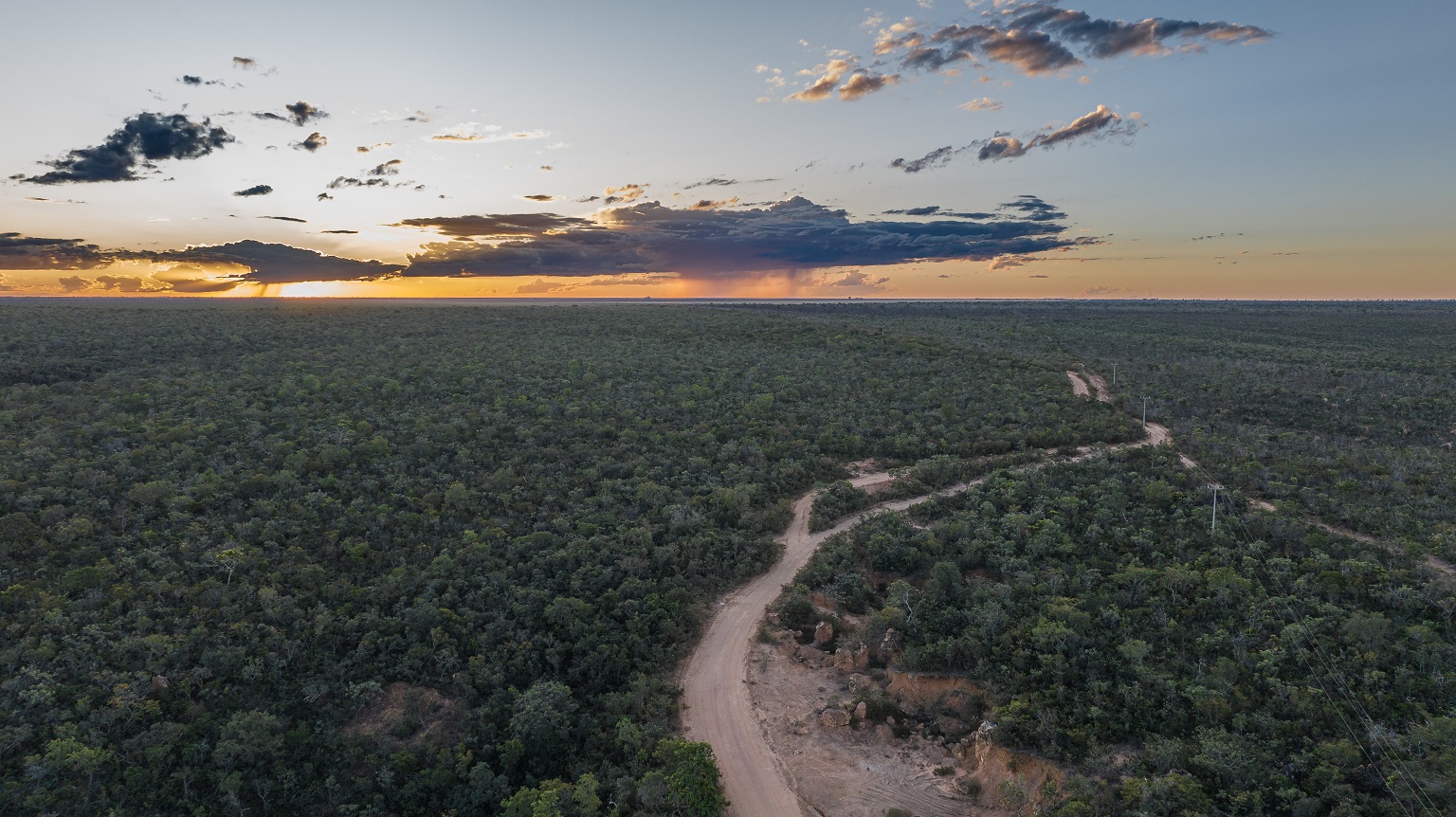
The Cerrado is a massive and biodiverse ecodomain that also plays an important role in carbon storage and water cycling, making it a crucial asset for Brazil.Yet more than 55% of the Cerrado’s native vegetation has been lost since the 1970s, and less than 3% is under full protection, far below what is needed to maintain biodiversity and ecological processes.Biodiversity loss advances silently, with species disappearing before they are even formally described by science, as several co-authors of a new review article explain.This post is a commentary. The views expressed are those of the authors, not necessarily of Mongabay.
The Brazilian Cerrado, recognized as one of the world’s most species-diverse and threatened ecodomains on the planet, faces increasing pressure from large-scale agriculture and land conversion. “Ecodomains” are large areas where the predominant native vegetation is of a given general type, such as the Cerrado. These areas, officially termed “biomes” in Brazil since 2004 (a use of this term different from that in the ecological sciences), include both enclaves of native vegetation other than the predominant one and large areas that have been converted to agriculture and other uses.