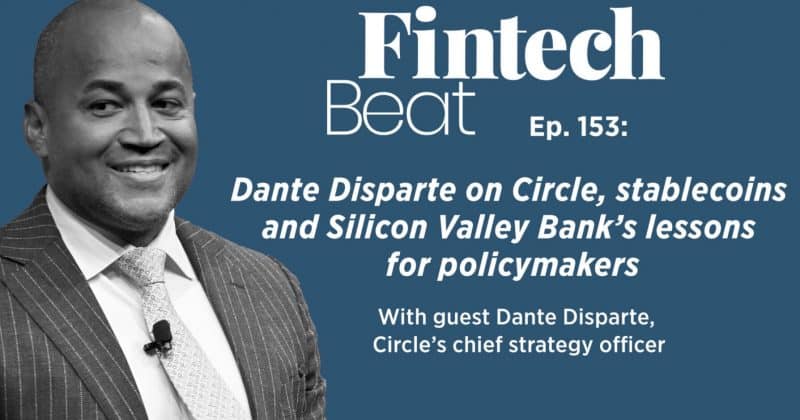
Dante Disparte, Circle’s Chief Strategy Officer and Head of Global Policy, argues that the debate about whether open payments infrastructure can compete with closed networks is now effectively resolved. The evidence, in his view, isn’t theoretical. It’s playing out in the corporate strategies of some of the biggest names in finance.
The incumbents are switching sides
PayPal, Stripe, Visa, and Mastercard have all begun integrating stablecoin functionalities into their payment systems. When the companies that essentially *are* the closed payment networks start bolting on open infrastructure, that tells you something about which direction the wind is blowing.
Circle’s USDC, a dollar-pegged stablecoin, sits at the center of this thesis. The company has positioned it not as a speculative asset but as programmable money, a building block for a new kind of financial plumbing that anyone can plug into.
Disparte, who has served as Circle’s Chief Strategy Officer since 2021, argues that stablecoins running on public blockchains are faster, cheaper, and more globally accessible than traditional payment rails.