In the last article, I wrote about how programs make decisions using conditionals. We went through how a program can make a decision, choosing one path over another based on whether a condition is true or false.
But what if we need to perform the same action multiple times? Let's say you have a list of about 1,000 users and want to email each of them. You wouldn't write the email-sending code 1,000 times. Instead, you would write it once and have the program repeat it for each user. This is where looping comes in.
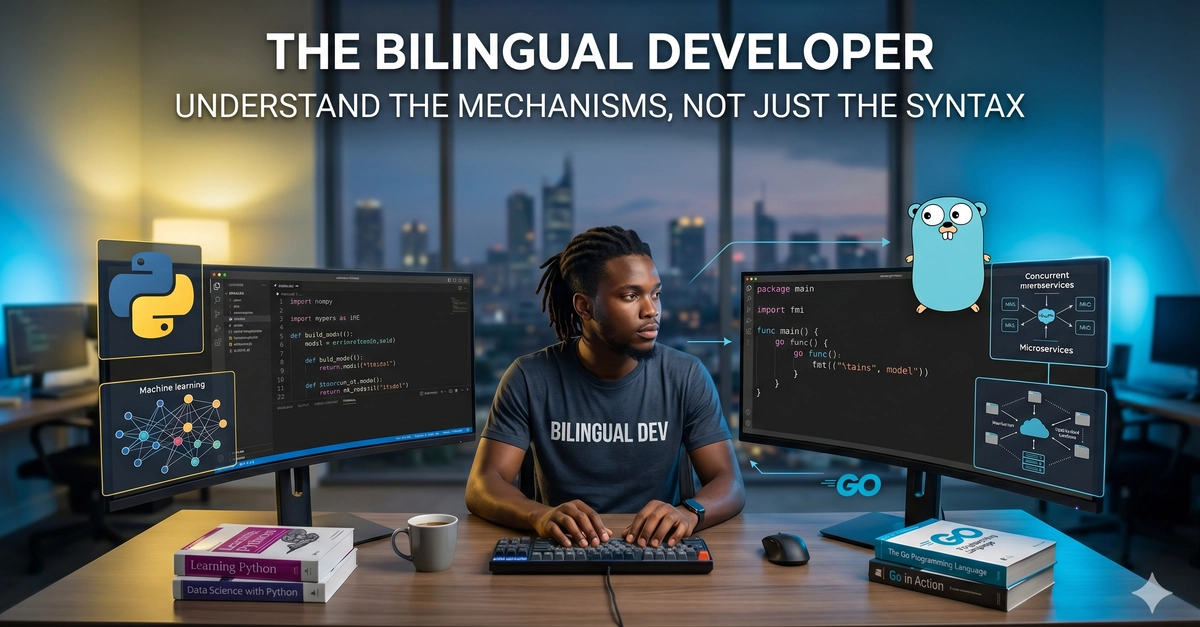
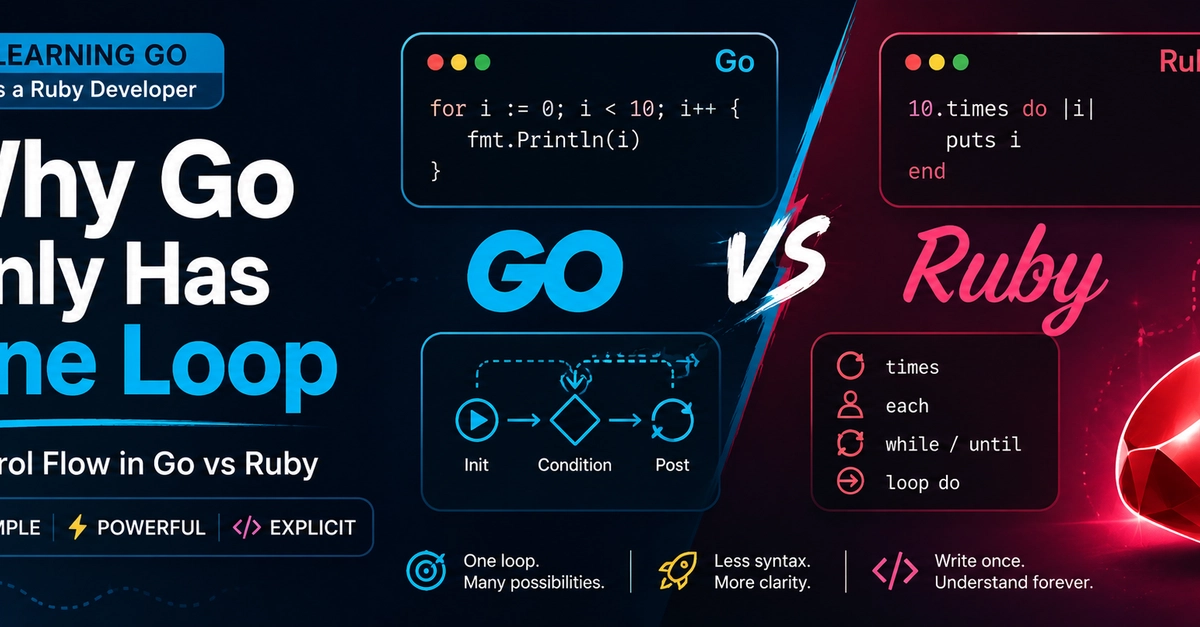
Looping allows a program to repeatedly execute a block of code until a condition is met or until all items in a collection have been processed. It's one of the most powerful concepts in programming because it helps us automate repetitive tasks and work with large amounts of data efficiently. Whether you're building a web application, analyzing data, processing files, or developing APIs, you'll find loops everywhere. Let's see how Python and Go approach this concept.
Understanding Iteration
Iteration simply means moving through a collection of data one item at a time. For example, if you have: