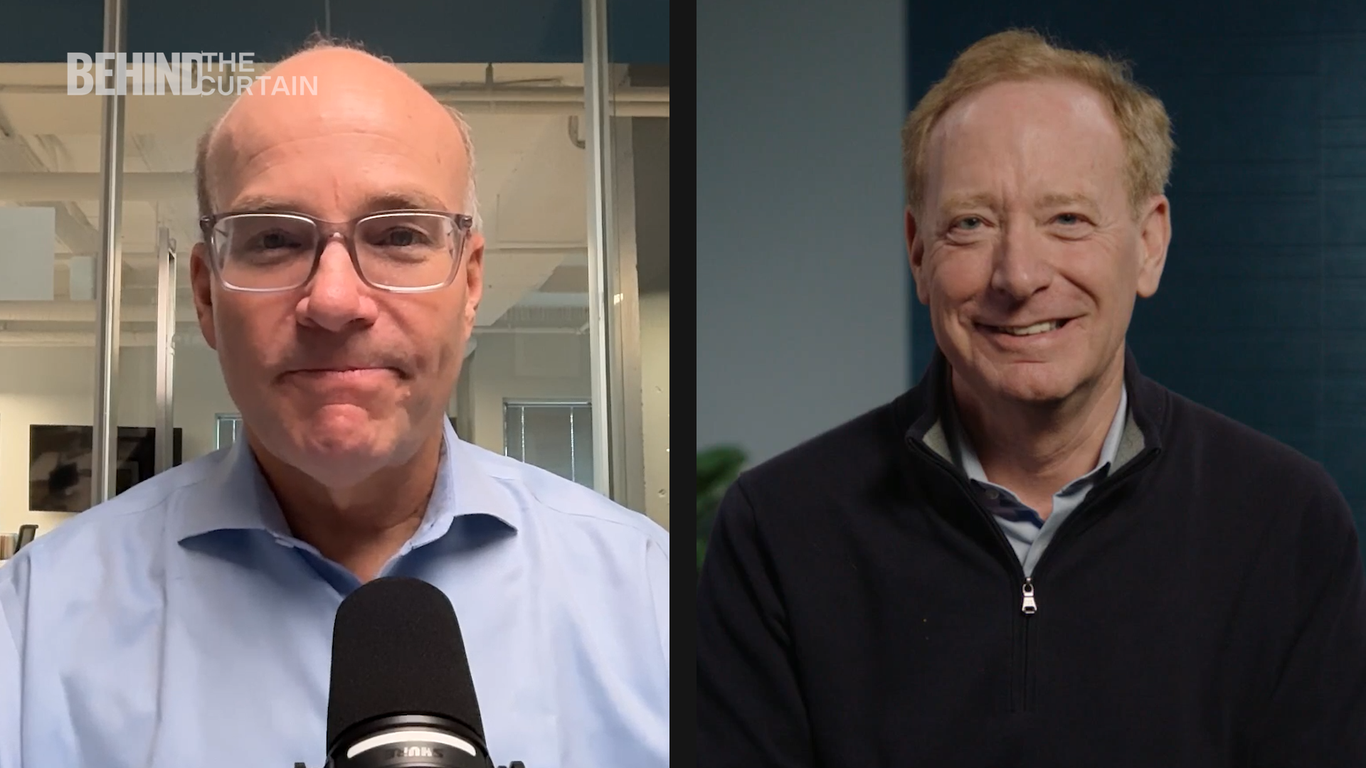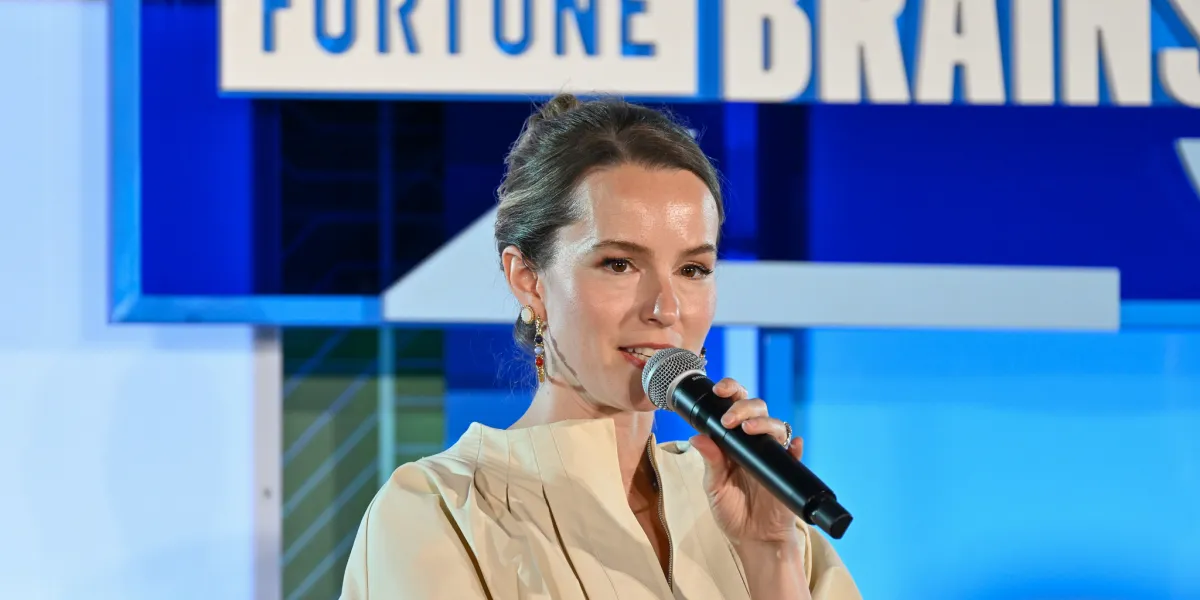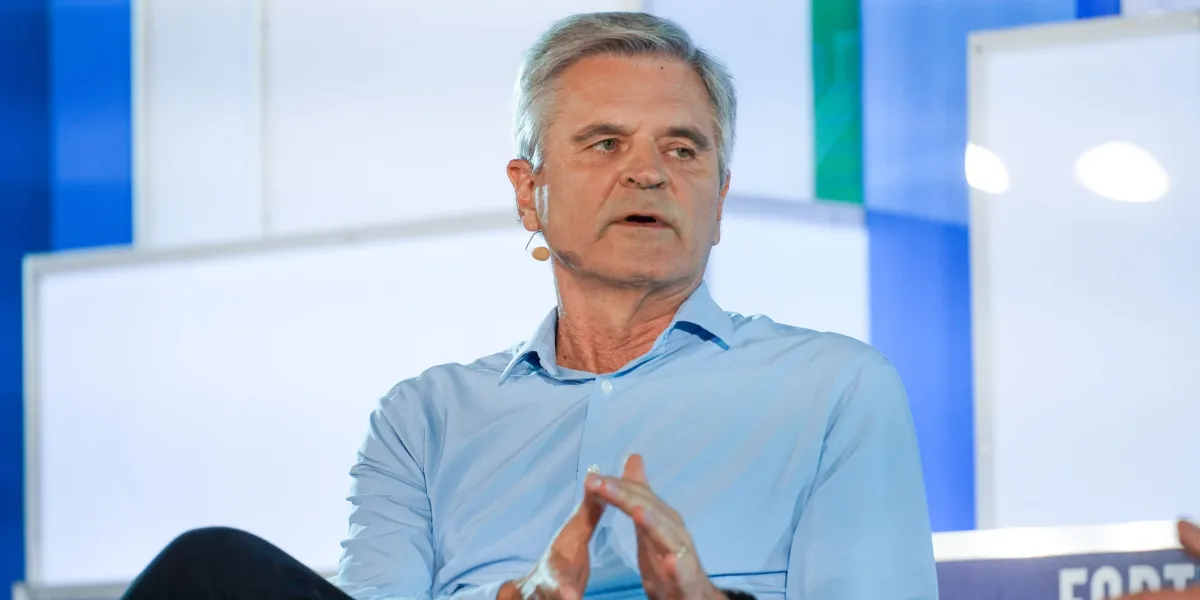
AOL cofounder and Revolution CEO Steve Case sees a “huge, huge opportunity” in artificial intelligence, but he’s less certain about the upside of its impact on the workforce. Striking a balance will ultimately land in the “messy middle,” he said at Fortune’s 25th annual Brainstorm Tech conference in Aspen this week.
“To argue that this is so risky that you need to essentially slow it down or hobble its development, which is sort of what the European Union’s approach is, and worry more about what might go wrong than what might go right would really limit the growth, innovation and America’s lead in AI and the world when obviously China and others are trying to take us on,” said Case. “The flip side, though—which I suspect some in the audience would say that this should just should be left alone and we should do whatever we want and let it rip—seems reckless and irresponsible.”
Case, who spoke with Brainstorm Tech founder David Kirkpatrick, started AOL in 1985 when just 1% of Americans were online, and then led it as CEO while it grew into the largest internet company of the 1990s and became the first to go public in March 1992. Its $165 billion merger with Time Warner in 2001 is considered the peak of the dotcom boom, and ultimately, of AOL’s relevance—within a few years the merger began to unravel, and a new generation of Web companies including Google and social networking services rose to prominence.