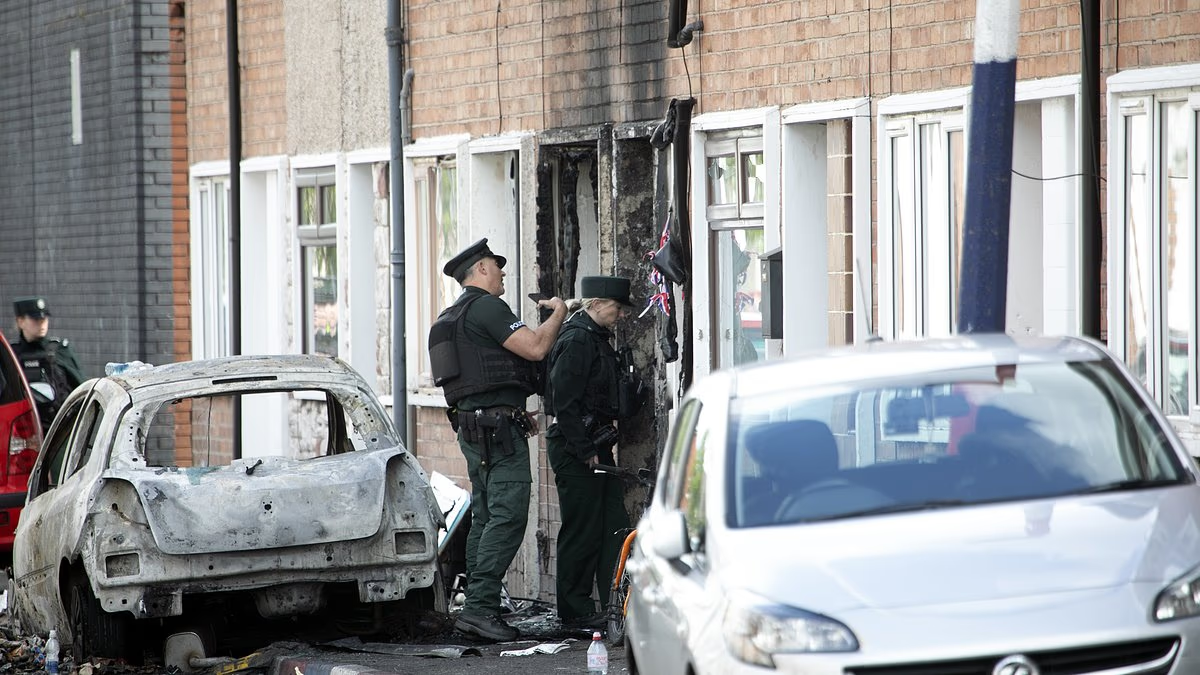
Authored by Steve Watson via modernity,Vague new rules will allow UK regulators to pressure platforms over "legal but harmful" content whenever government ministers declare a crisis, while the same government ploughs ahead with mandatory phone scanning, digital ID lockdowns, and jail threats for tech bosses who refuse to spy on every device.The latest move from Northern Ireland Secretary Hilary Benn makes explicit what privacy campaigners have long warned: the Online Safety Act is being weaponised far beyond any child-protection claim.Benn confirmed that the internet regulator will now wield enhanced powers to tackle "false information" online during "times of crisis," directly tying the recent Belfast unrest to this framework. The regulator has already contacted platforms, with ministers asserting that violence "appears to have been incited online."'If we are living in a country where you cannot report the truth, we are living under a dictator.'
Adam Brooks warns of government censorship as Labour announces a social media crackdown 'in times of crisis' after the Belfast unrest. pic.twitter.com/6yyNDXqWNh
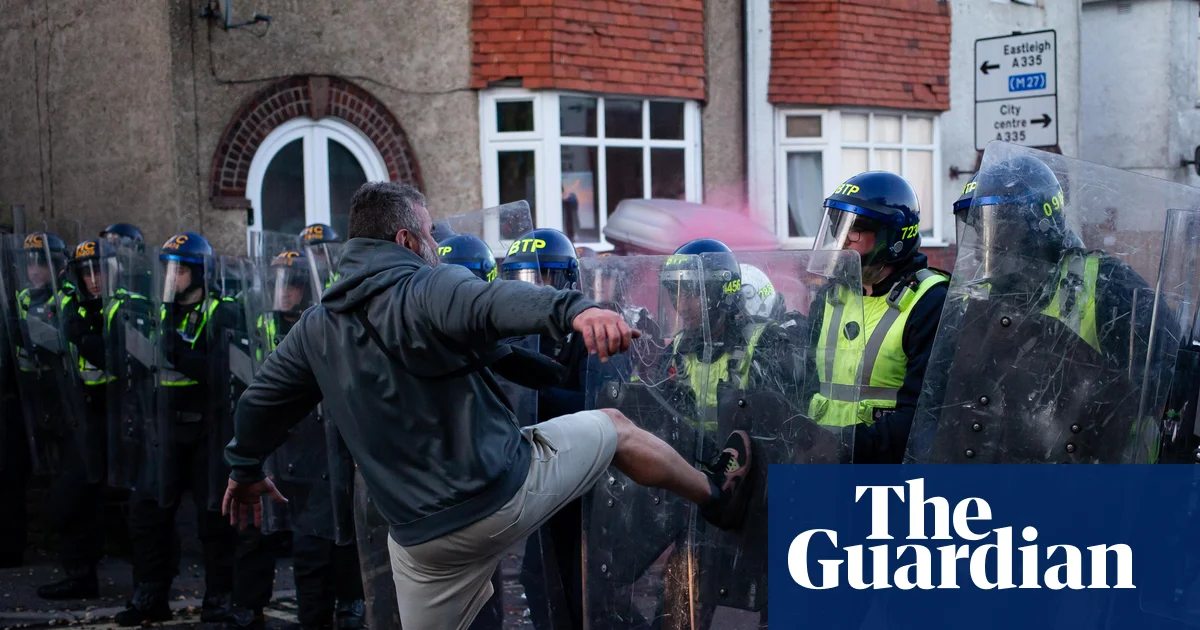
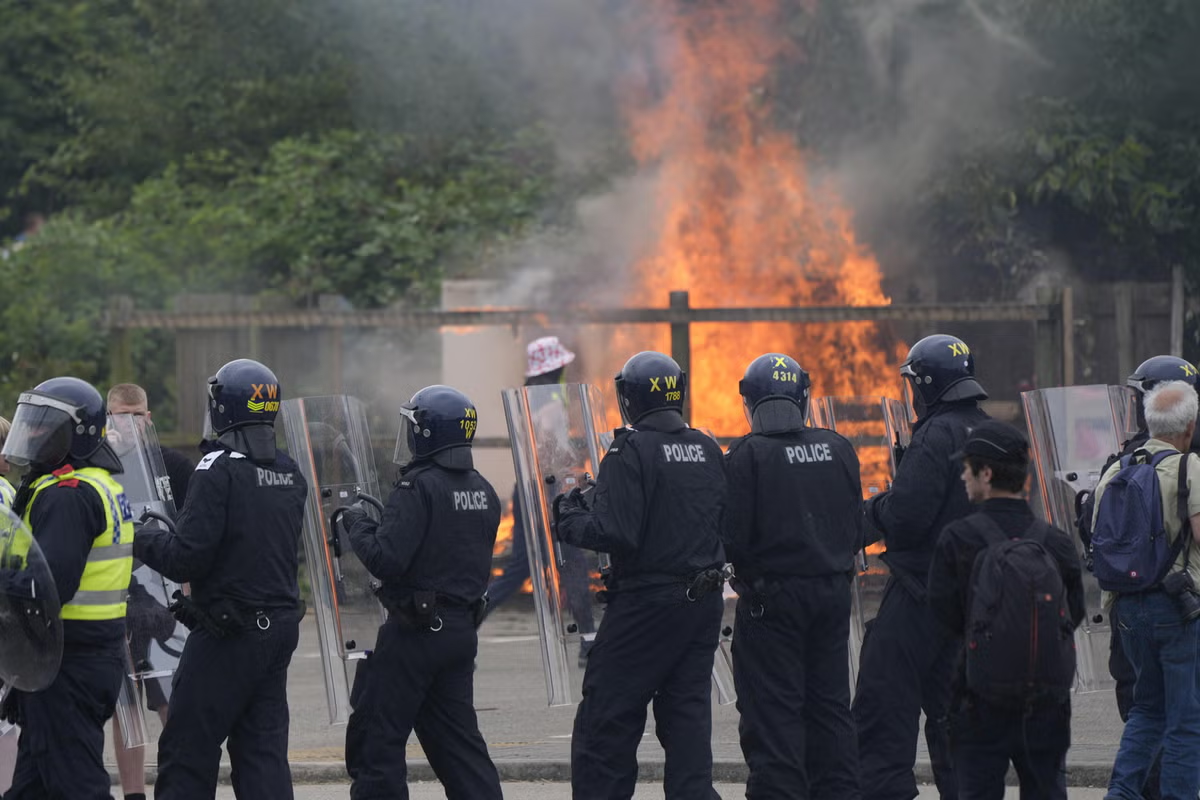
- GB News (@GBNEWS) June 11, 2026Benn stated that if people put online 'false information,' "it is not acceptable and it may well be a criminal offence depending on the circumstances as the chief constable made clear yesterday."When asked how a "time of crisis" would be defined, Benn said it "will be set out in due course."The unrest followed a serious knife attack on a local man by an asylum seeker and escalated into protests involving vehicle fires, arson attacks on homes, and clashes with police that injured a dozen officers.In addition, Ofcom, the UK's regulator for communications, responsible for overseeing broadcasting, telecommunications and - since the passage of the Online Safety Act - the major online platforms, is now using its powers to direct platforms toward enhanced, crisis-specific moderation measures whenever it or ministers identify spikes in 'illegal 'harmful' content during whatever it deems a 'crisis' event.An Ofcom open letter published this week directly addresses the Belfast situation. It states: "Following a serious knife attack that took place in Belfast on Monday night, we have seen civil unrest in the city, some of which appears to have been incited online. This has included racially motivated incidents of violence, arson attacks on homes and vehicles, and attacks against police."The letter goes on to remind online service providers of their duties under the Online Safety Act 2023 to assess and mitigate risks of 'illegal' content, including material amounting to offences of stirring up hatred or provoking violence.It emphasises that "previous crises have shown how a sudden increase in the amount of illegal content circulating online can manifest in hate crime and violence in the real world" and that "usual content moderation systems and processes may not be sufficient in such circumstances."Crucially, Ofcom confirmed new measures added to its online safety codes of practice under which platforms "should have procedures in place to respond to spikes in illegal content during a crisis." These measures, confirmed the day before the letter, are expected to be enacted by platforms immediately, without waiting for parliamentary approval. The letter stresses that services must "act now to address illegal content" and follow existing crisis protocols where they exist.This directly engages the core claim in widely shared analysis on X that the Online Safety Act - repeatedly sold to the public as a child-protection measure - is now being applied to adult content and civil unrest with no reference to children in the regulator's own crisis guidance.The government said the Online Safety Act was about protecting children. We were called conspiracy theorists for saying it wasn't!