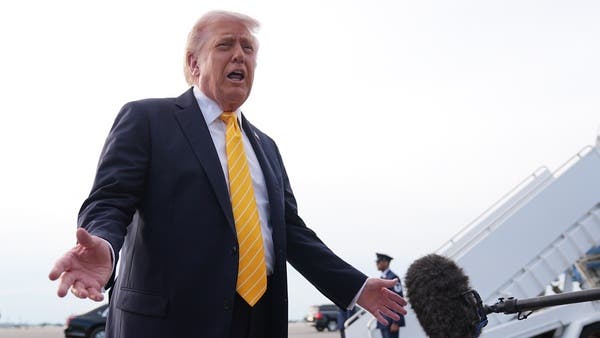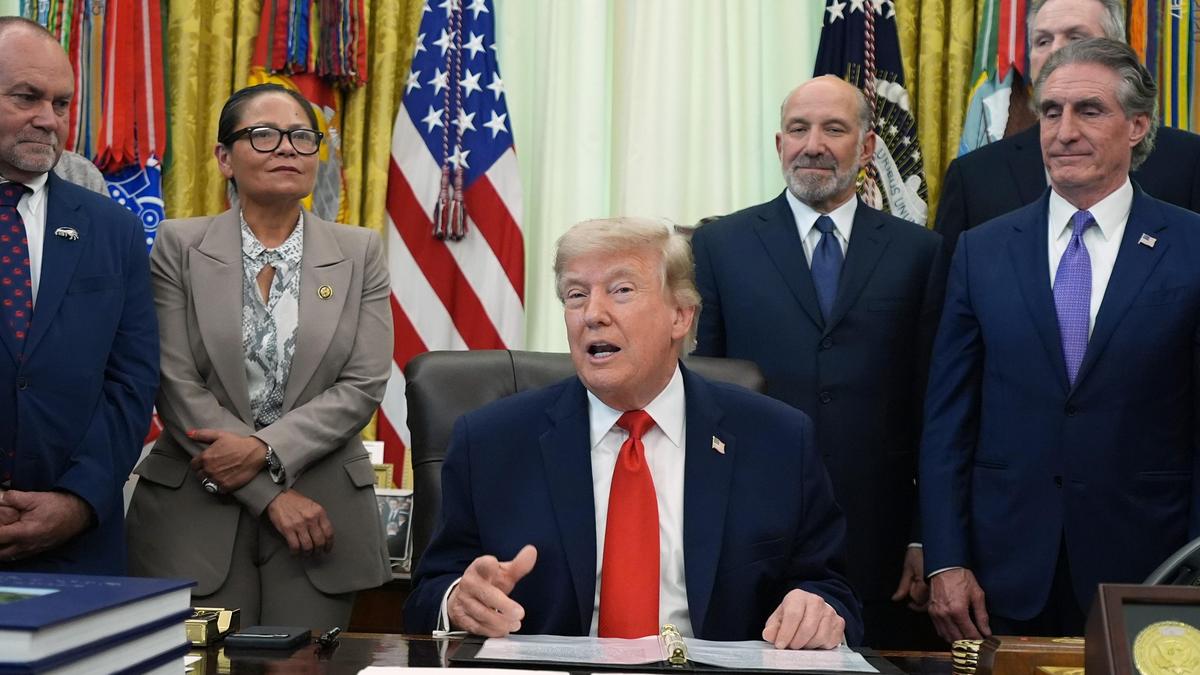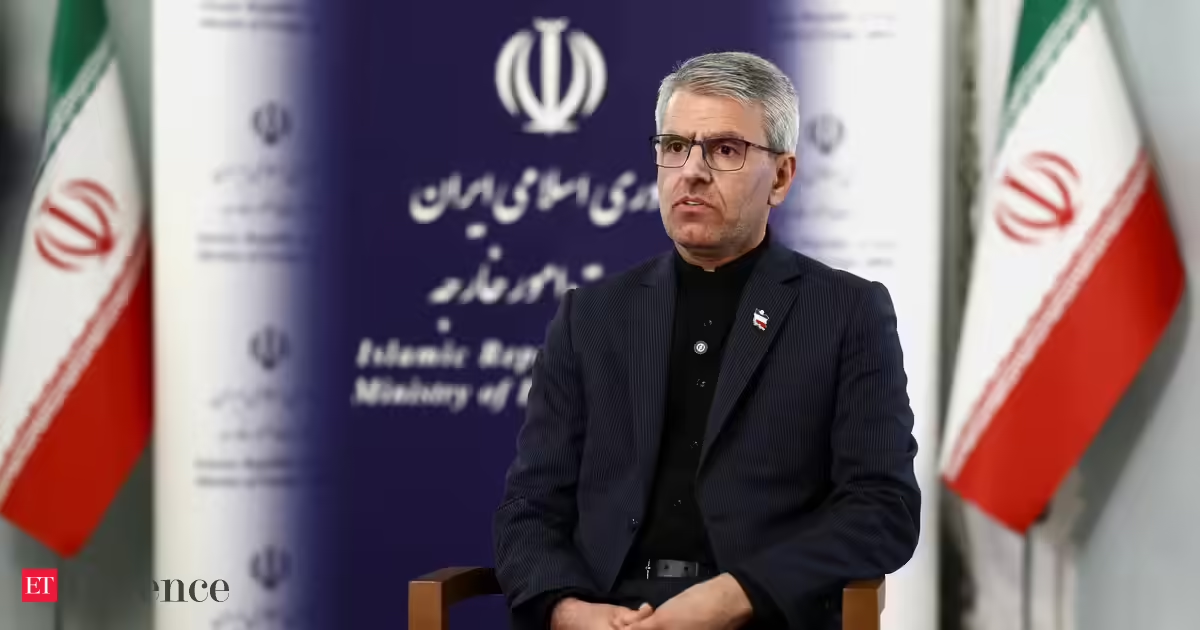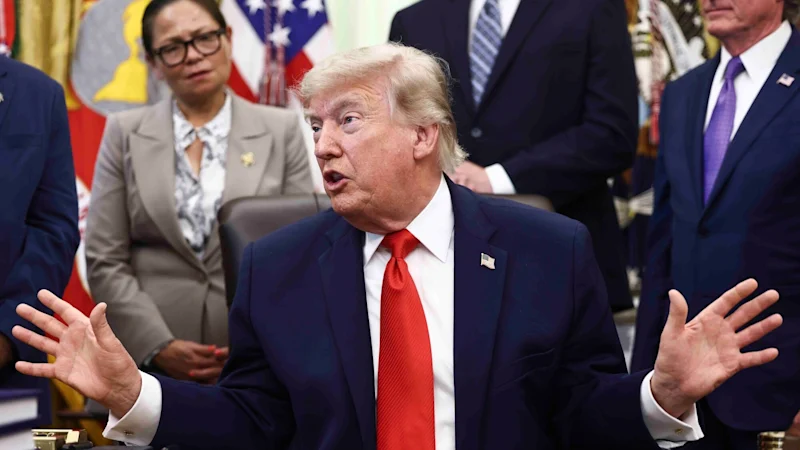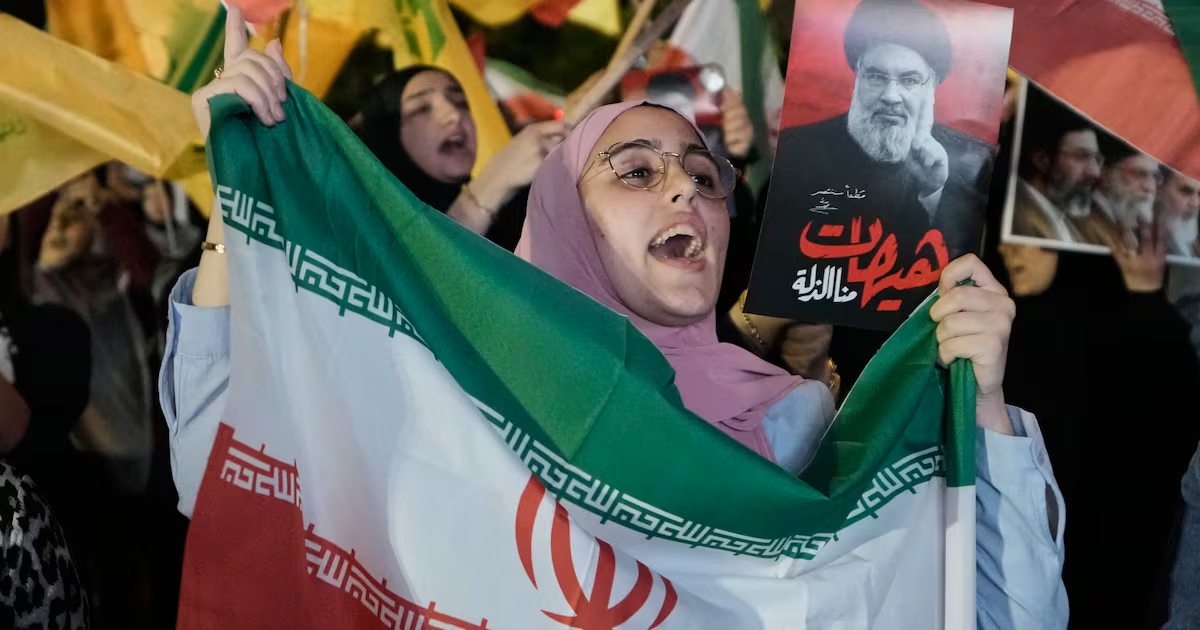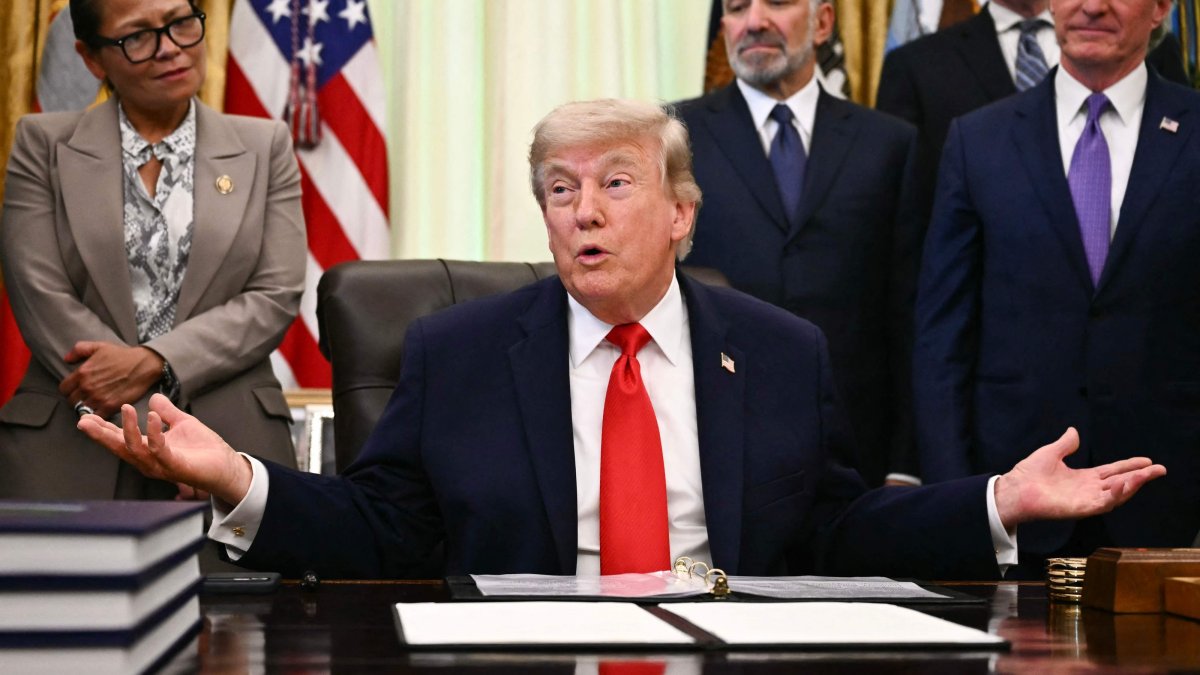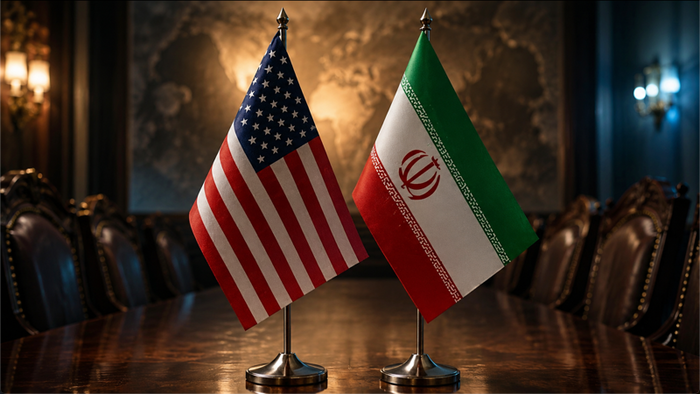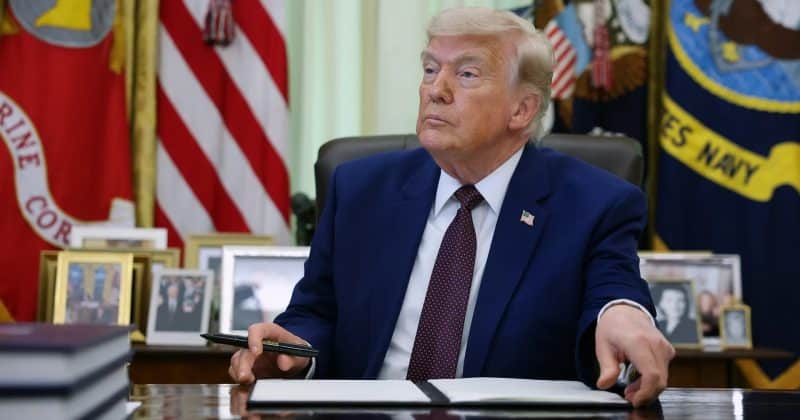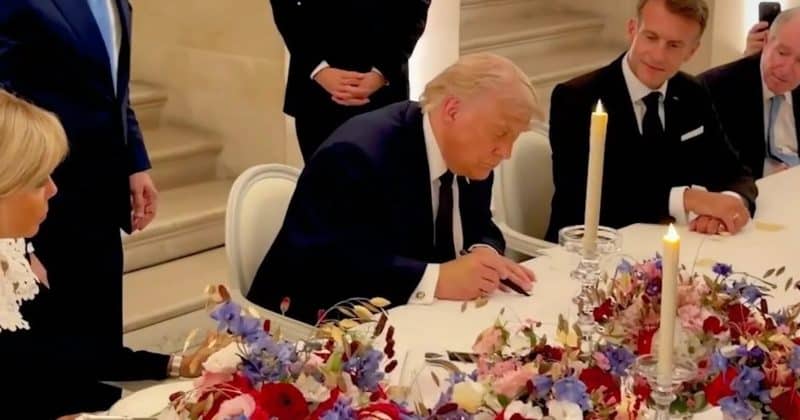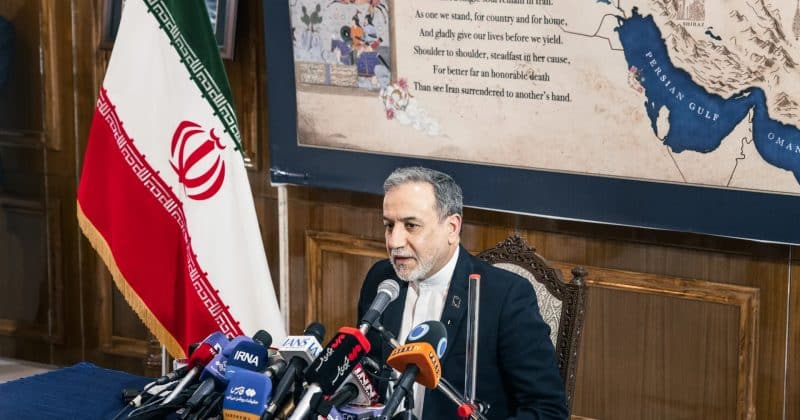
President Donald Trump announced that Iran apologized for what he called false information and that a peace deal could be signed as early as this weekend. The potential agreement, which Trump suggested could take the form of a memorandum of understanding, would address Iran’s nuclear program and reopen critical energy routes in the region.
Trump indicated on June 11 that a signing could happen in Geneva as soon as Sunday. He has previously claimed, during April and May, that Iran had “agreed to everything” regarding negotiations over its enriched uranium stockpile and broader nuclear ambitions.
The “apology” Trump referenced appears to connect to a broader diplomatic thread. In March, Iranian President Masoud Pezeshkian extended an apology to neighboring countries over military strikes, pledging that Iran would refrain from such actions unless attacked first.
Trump has also taken aim at media coverage of the negotiations, accusing CNN specifically of false reporting on Iranian statements.
The strategic significance here centers on the Strait of Hormuz, through which a massive portion of the world’s oil supply flows daily. Any escalation in US-Iran tensions has historically sent oil prices spiking, while de-escalation tends to have the opposite effect. Lower and more predictable energy costs reduce inflation pressure, which gives central banks more room to maintain or ease monetary policy.