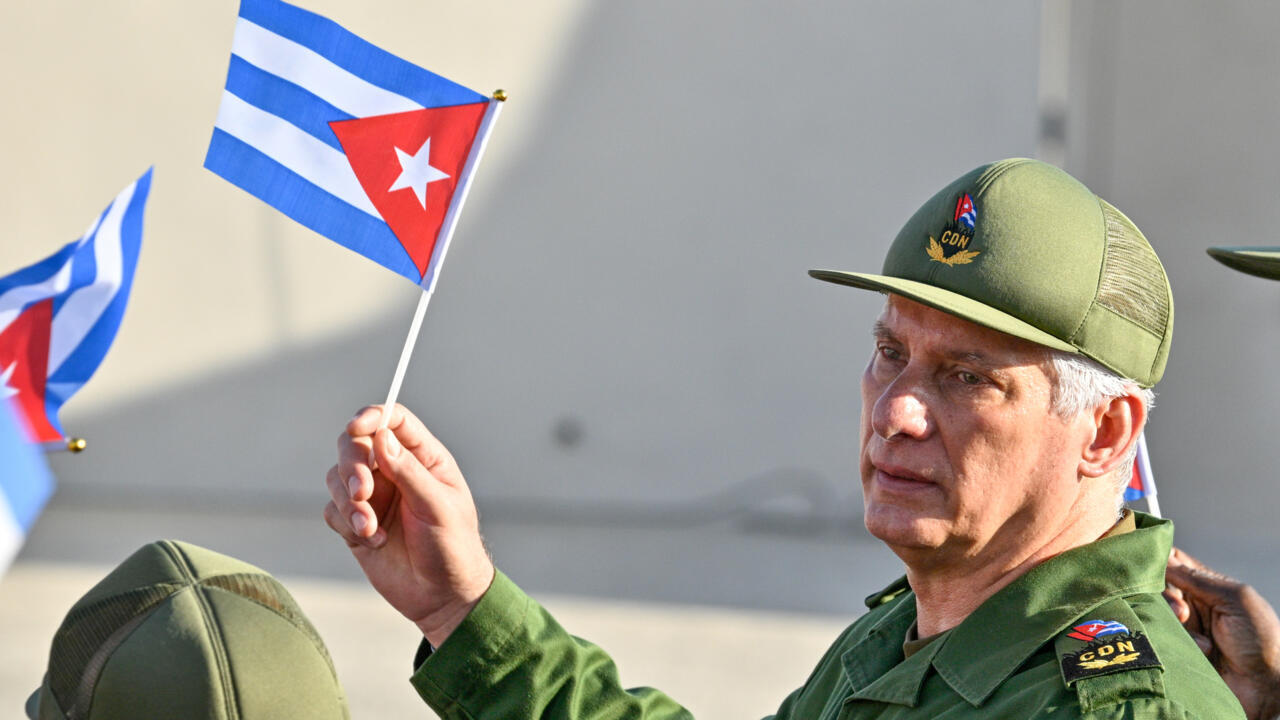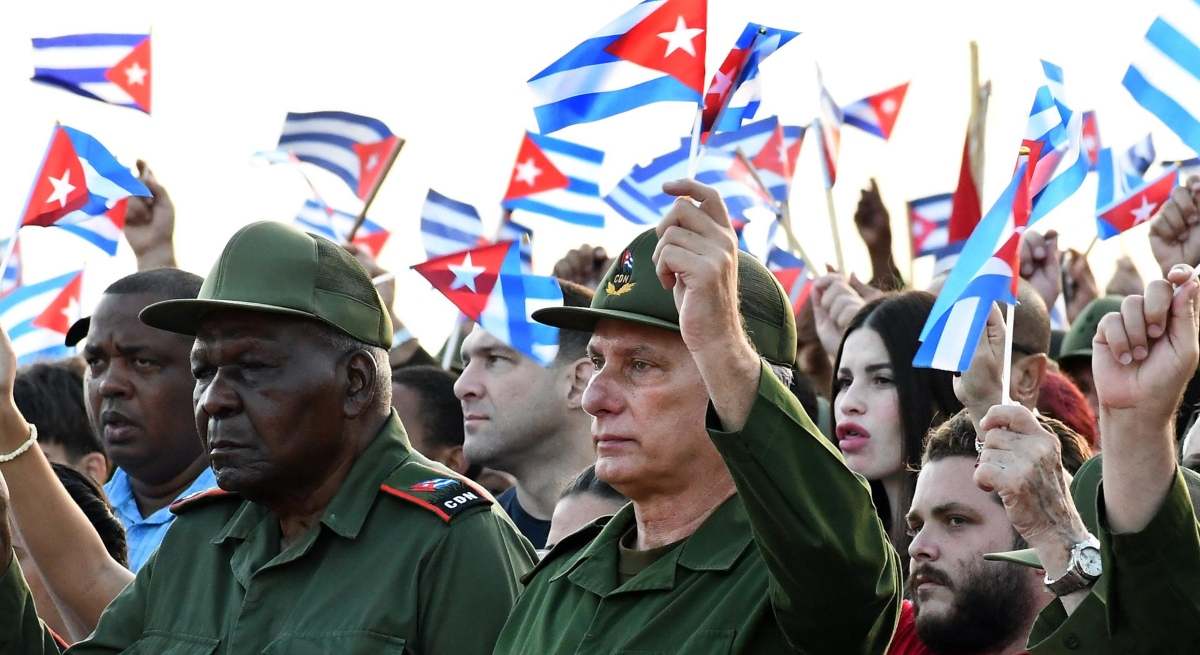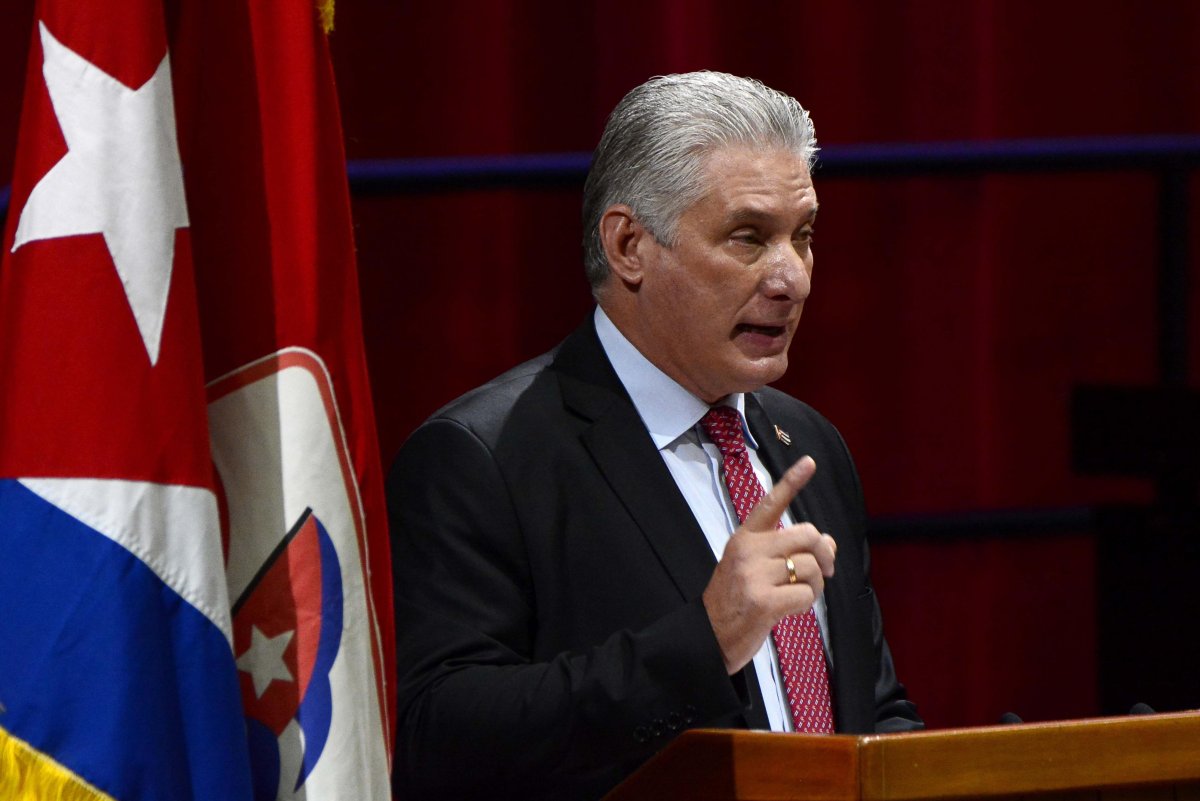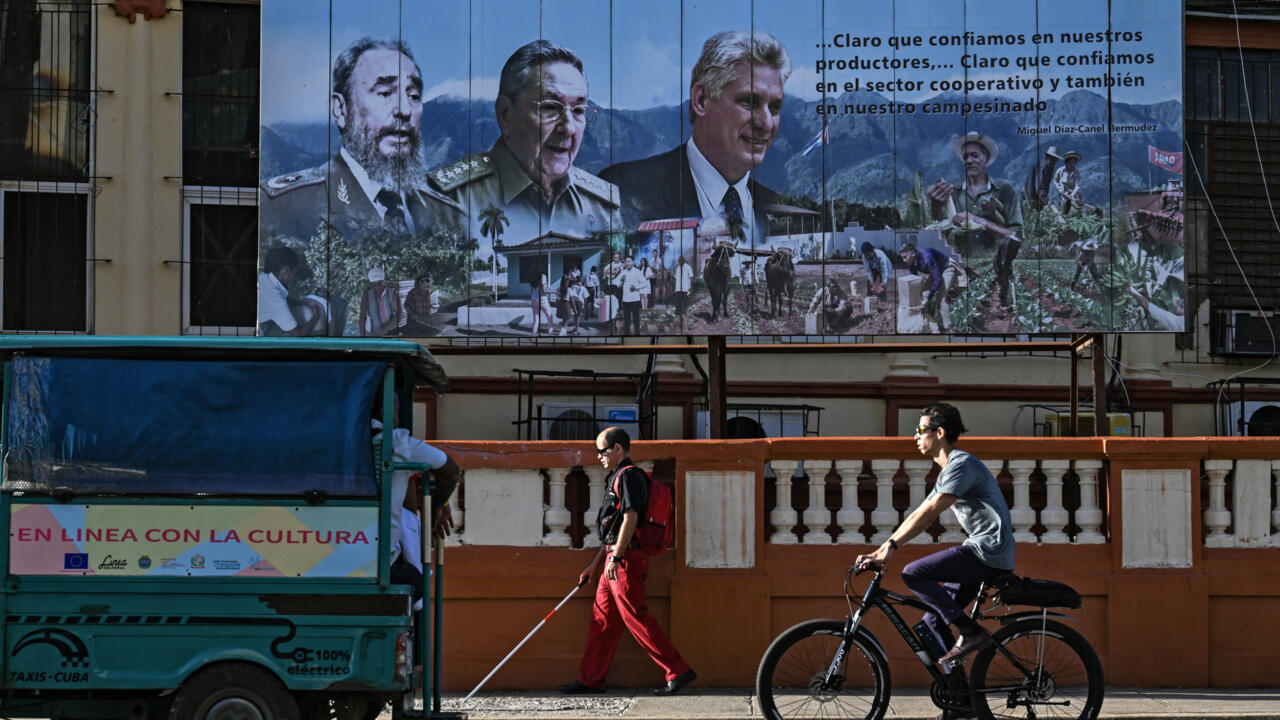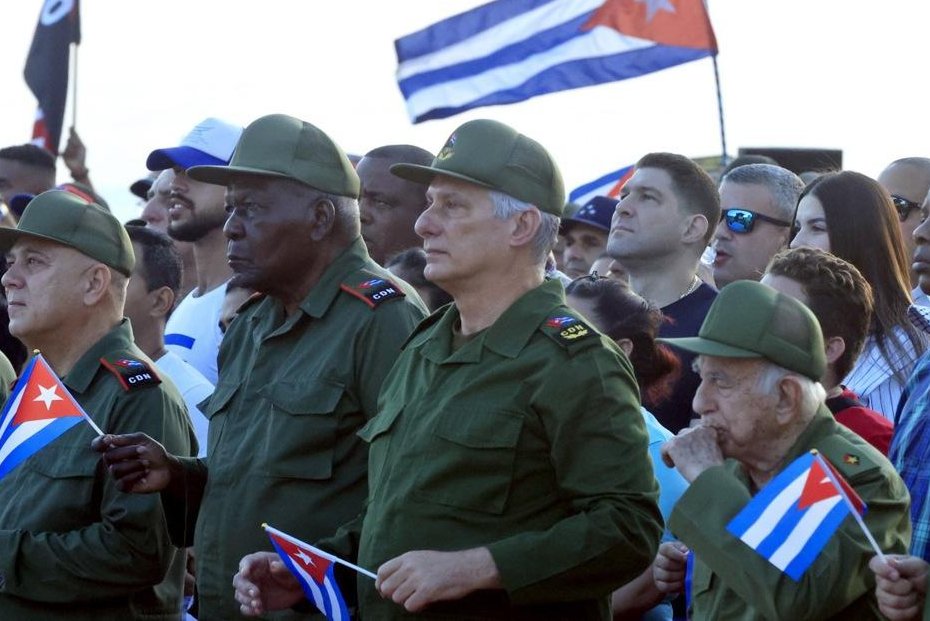
Cuban President Miguel Diaz-Canel (C) attends an event in support of former Cuban President Raul Castro in Havana on May 22 after the U.S. Department of Justice unsealed two days earlier a federal criminal indictment charging the 94-year-old Castro, along with five other co-defendants, for his alleged role in the February 1996 shoot-down of two unarmed U.S. civilian aircraft operated by a Cuban exile relief group. Photo by Ernesto Mastrascusa/EPA
June 12 (UPI) -- Cuba's government on Friday announced a broad package of economic reforms aimed at restructuring key aspects of the country's economic model, just hours after the United States imposed a full financial blockade on state oil company Unión Cuba-Petróleo, or CUPET.
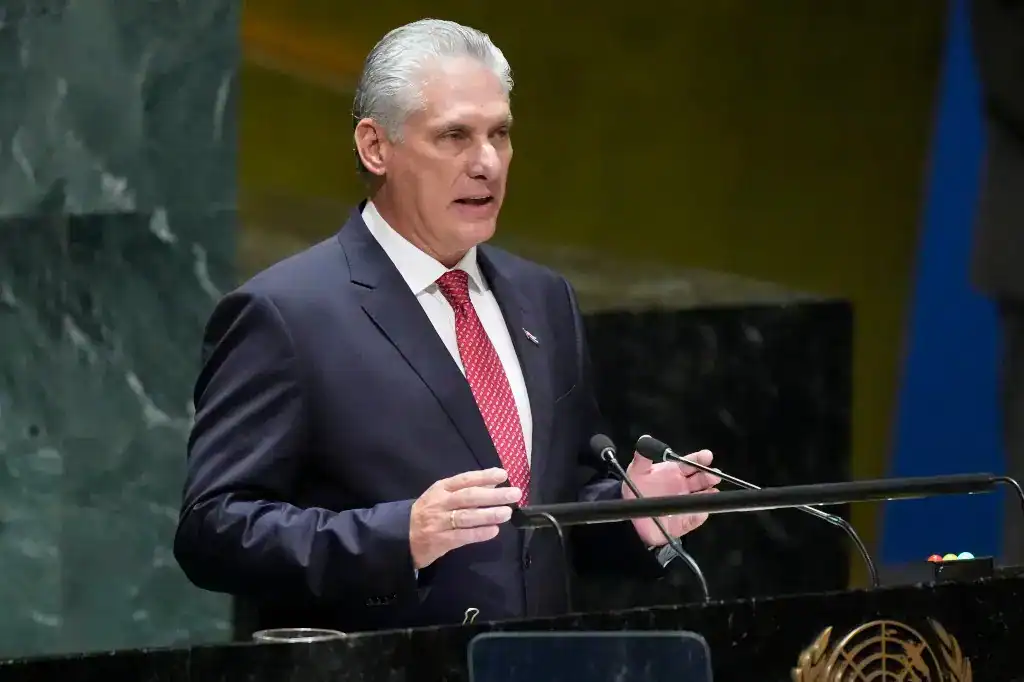
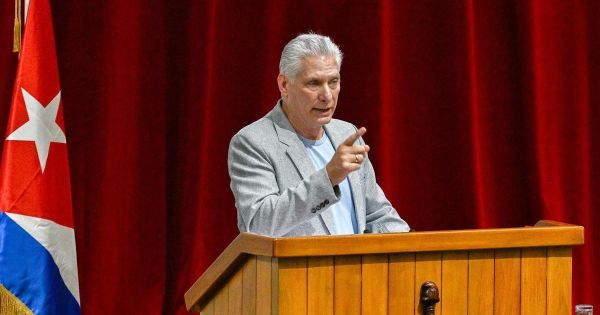
Speaking on state television, Cuban President Miguel Díaz-Canel defended the shift toward decentralization, saying that "these are times when change is necessary."
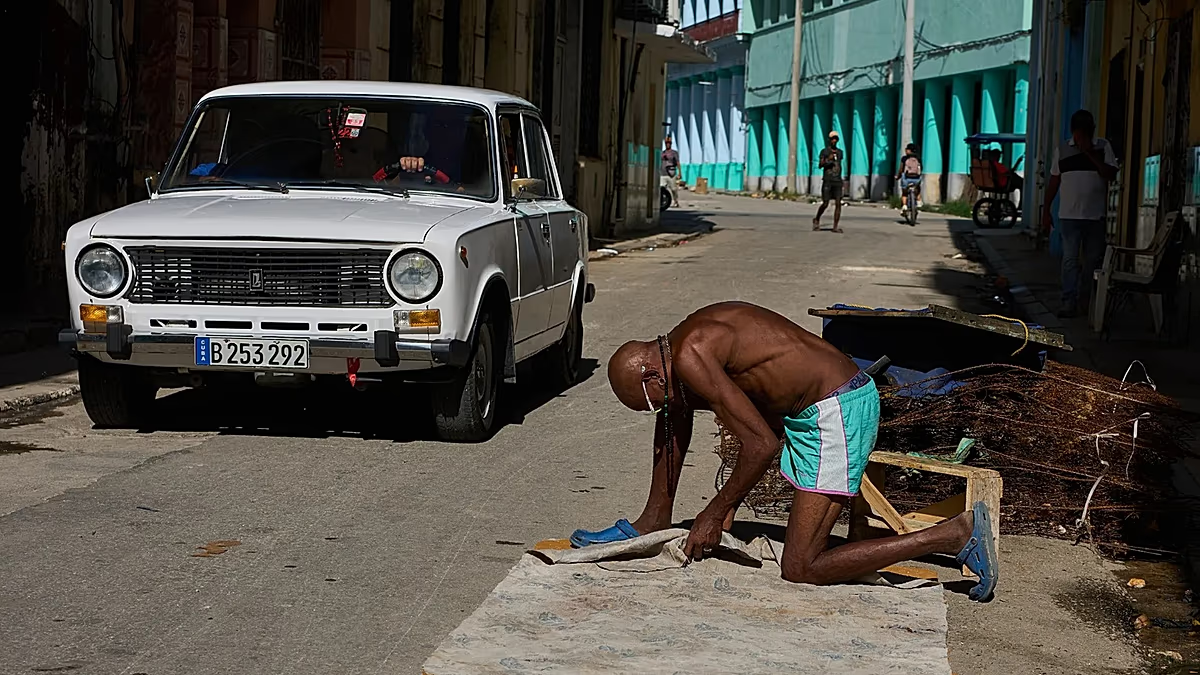
The measures are part of the government's 2026 Economic and Social Program, a roadmap inspired by the economic models of China and Vietnam. Havana says the plan is intended to address the island's deep economic crisis, high inflation and widespread shortages of goods and services.
| En declaraciones a la prensa, el Presidente @DiazCanelB informó sobre nuevas medidas que estará tomando el país próximamente para dinamizar la economía cubana, en medio del recrudecimiento sin precedentes del #bloqueo de los Estados Unidos a la Isla.https://t.co/72AGrGjMKj— Presidencia Cuba (@PresidenciaCuba) June 12, 2026