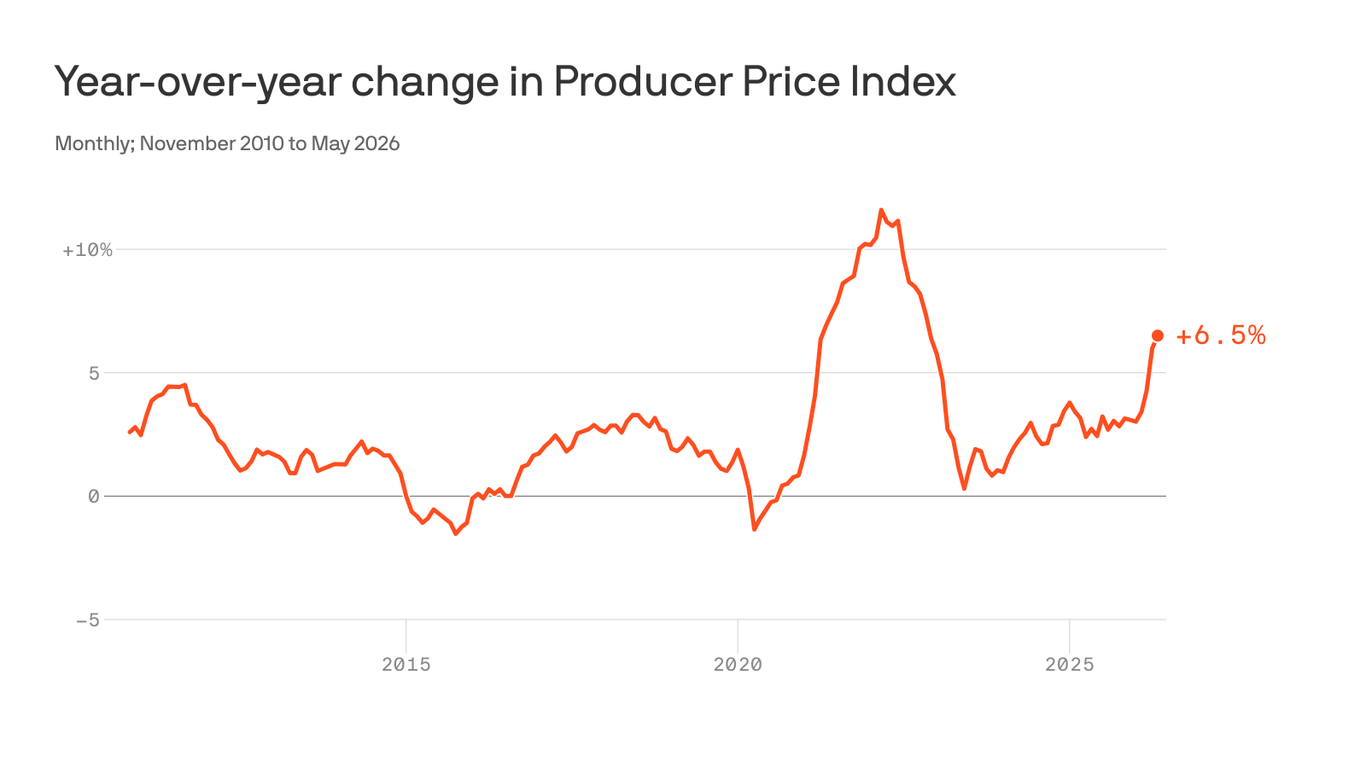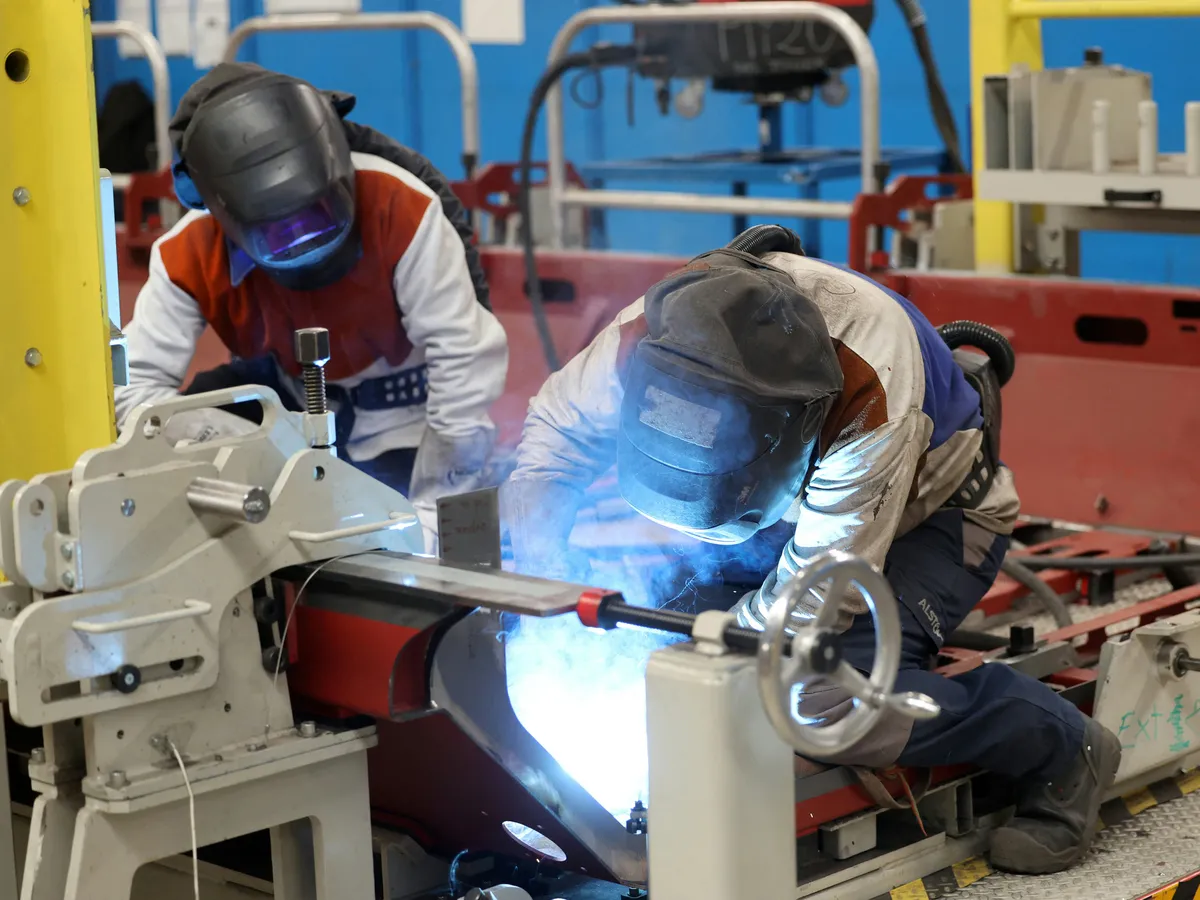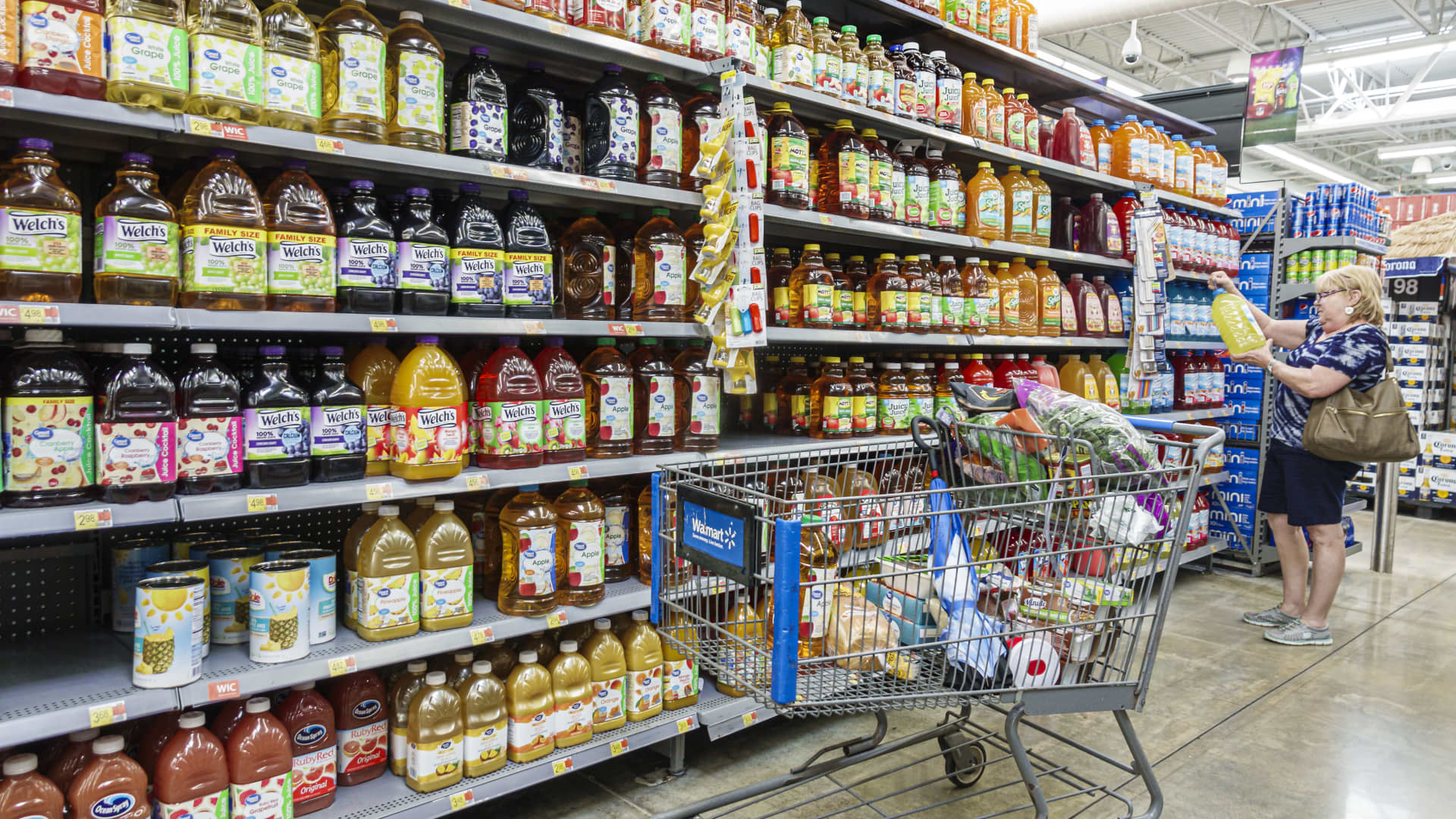
Skip to Content News Archives Economy Energy Oil & Gas Renewables Electric Vehicles Mining Commodities Agriculture Real Estate Mortgages Mortgage Rates Finance Banking Insurance Fintech Cryptocurrency Work Wealth Smart Money Wealth Management Investor Personal Finance Family Finance Retirement Taxes High Net Worth FP Comment Executive Women Puzzmo Newsletters Financial Times Business Essentials More Innovation Information Technology FP500 Podcasts Small Business Lives Told Tails Told Shopping Financial Post Store Obituaries Place a Notice Advertising Advertising With Us Advertising Solutions Postmedia Ad Manager Sponsorship Requests Classifieds Place a Classifieds ad Working Profile Settings My Subscriptions Saved Articles My Offers Newsletters Customer Service FAQ News Economy Energy Mining Real Estate Finance Work Wealth Investor FP Comment Executive Women Puzzmo Newsletters Financial Times Business Essentials HomeNewsEconomyHigher costs for plastics used everywhere are becoming next inflation headacheIn earnings calls, large corporations across industries are warning about the rise in plastics costsAuthor of the article:Last updated 1 hour ago You can save this article by registering for free here. Or sign-in if you have an account.Some manufacturers are receiving only about 70 per cent of the resin they need, while lead times for certain materials have stretched from one to three months. Photo by Dane Rhys/BloombergUnited States plastic suppliers say they are running out of room to absorb high costs of raw materials, raising the prospect of price increases for consumer goods ranging from groceries to cars later this year.Subscribe now to read the latest news in your city and across Canada.Exclusive articles from Barbara Shecter, Joe O'Connor, Gabriel Friedman, and others.Daily content from Financial Times, the world's leading global business publication.Unlimited online access to read articles from Financial Post, National Post and 15 news sites across Canada with one account.National Post ePaper, an electronic replica of the print edition to view on any device, share and comment on.Daily puzzles, including the New York Times Crossword.Subscribe now to read the latest news in your city and across Canada.Exclusive articles from Barbara Shecter, Joe O'Connor, Gabriel Friedman and others.Daily content from Financial Times, the world's leading global business publication.Unlimited online access to read articles from Financial Post, National Post and 15 news sites across Canada with one account.National Post ePaper, an electronic replica of the print edition to view on any device, share and comment on.Daily puzzles, including the New York Times Crossword.Create an account or sign in to continue with your reading experience.Access articles from across Canada with one account.Share your thoughts and join the conversation in the comments.Enjoy additional articles per month.Get email updates from your favourite authors.Create an account or sign in to continue with your reading experience.Access articles from across Canada with one accountShare your thoughts and join the conversation in the commentsEnjoy additional articles per monthGet email updates from your favourite authorsSign In or Create an AccountorA gauge of wholesale prices of plastic resins and materials jumped by 14 per cent to an almost four-year high last month as the Iran war choked off supplies of key components. For producers like Shawn Gross, whose Corry, Pennsylvania-based company supplies moulded parts used in automotive and heating systems, the squeeze is reaching a breaking point.“We are going to need to pursue the price increases with our customers more aggressively,” said Gross, chief executive officer of Viking Plastics. “What the world needs to understand is there is going to be a real impact that is not even yet felt.”Get the latest headlines, breaking news and columns.By signing up you consent to receive the above newsletter from Postmedia Network Inc.A welcome email is on its way. If you don't see it, please check your junk folder.The next issue of Top Stories will soon be in your inbox.We encountered an issue signing you up. Please try againPlastics are everywhere — from snack packaging to refrigerator parts — and about 98 per cent of it is made of fossil fuels. One reason why U.S. consumers haven’t felt the full impact of the war-driven price increases in petrochemicals like polyethylene that are used in everyday products is because costs move slowly through supply chains.Gross, whose suppliers include Dow Inc. and clients include Ford Motor Co., is at the centre of it all. Prices for some polyethylene inputs used by Viking have risen more than 40 per cent this year, he said. Resin pellets for plastic cutlery at a plant in Chicago.Petrochemical prices have retreated from their highs in recent weeks as demand has softened and oil prices fell below US$100 a barrel, but they remain well above their pre-conflict levels. Much of the damage is already done anyway, according to Gross.Producers like Dow have already pushed through price hikes to businesses that convert plastic resins into packaging and other products. As those costs are passed from one company to the next, higher prices ultimately make their way to consumers.“You need to get the dollars and cents out of the customer, and that’s going to trickle into the price of vehicles being higher,” Gross said. “It’s going to be every industry.”Manufacturers in Asia and Europe were the first to come under strain because they depend largely on naphtha, a crude-derived feedstock that is used to make ethylene and propylene. Shortages of naphtha-derived ink materials even forced a Japanese snack maker to temporarily switch some products to black-and-white packaging.The U.S. was relatively spared because many petrochemical plants run on ethane from shale gas — a cheaper alternative to naphtha that has been less affected by the Middle East conflict.But as Asian and European buyers compete for supplies, raw materials are starting to run short in the U.S. too, prompting companies to hoard inventory and putting additional pressures on costs.Edward Dominion, founder of consumer-goods packaging firm D6 Inc., said raw material costs for his Sulphur Springs, Texas-based company have doubled alongside increases in freight, fuel and transportation. He, too, is already working to pass on the costs to customers.Some buyers are receiving only about 70 per cent of the resin they need, he said, while lead times for certain materials have stretched from one to three months. Fresh-food packaging — for products like produce, bakery goods, meat and cheese — will get hit first.If shortages persist, shoppers could begin seeing gaps on shelves by August and September, he said.“It gets real when somebody wants to go to the shelf and buy something and it’s not there,” Dominion said.In earnings calls, large corporations across industries are warning about the rise in plastics costs.Lowe’s Cos., the home-improvement chain, said in May that it was working with suppliers to mitigate the impact of higher prices in commodities including resin and “sharing in that burden.”Whirlpool Corp., whose refrigerators, dishwashers and washing machines contain dozens of plastic components, expects higher resin prices to drive up raw material costs in the second half, chief executive Marc Bitzer told investors last month. Cases of bottled water for sale at a Costco store in Burbank, California.Restaurant chain Cava Group Inc. told investors it has built higher energy-related costs into its annual guidance, including pressure from fuel surcharges, utilities and polyethylene expenses tied to food, beverage and packaging.Meanwhile, Costco Wholesale Corp. flagged rising costs across parts of its supply chain as petroleum-derived inputs become more expensive.“We are anticipating further inflation in a number of non-food categories as higher resin costs start to flow into cost-of-goods,” chief financial officer Gary Millerchip said during the retailer’s quarterly earnings call. “Particularly if oil prices remain at elevated levels, it’s likely to see some increases in items that have sort of plastic components or polyester or cotton because of the impact of higher resin costs.”Consumers are already paying more for necessities, from fuel to food, and household savings buffers have thinned since the last major inflation surge in 2022. The consumer-price index jumped 4.2 per cent in May, the highest inflation rate in over three years, mainly because of energy costs.As the plastics shock moves closer to consumers, it will likely add more challenges for President Donald Trump and Republicans ahead of midterm elections in the fall.In a recent impromptu conversation at a local Pennsylvania restaurant, Gross, the moulding-company executive, said he tried to explain as much to his local Republican congressman.“I told him, I believe Republicans will suffer in the midterms because of this inflation, and it’s detrimental to our business,” said Gross. “It’s going to put pressure on us through the rest of the year. Whether they can do anything about it, I have no idea.”—With assistance from Christopher Charleston and Devika Krishna Kumar. Join the Conversation This website uses cookies to personalize your content (including ads), and allows us to analyze our traffic. Read more about cookies here. By continuing to use our site, you agree to our Terms of Use and Privacy Policy.
Higher costs for plastics used everywhere are becoming next inflation headache
U.S. plastic suppliers are running out of room to absorb raw material costs, raising the prospect of consumer goods price increases. Read on
1,452 words~7 min read