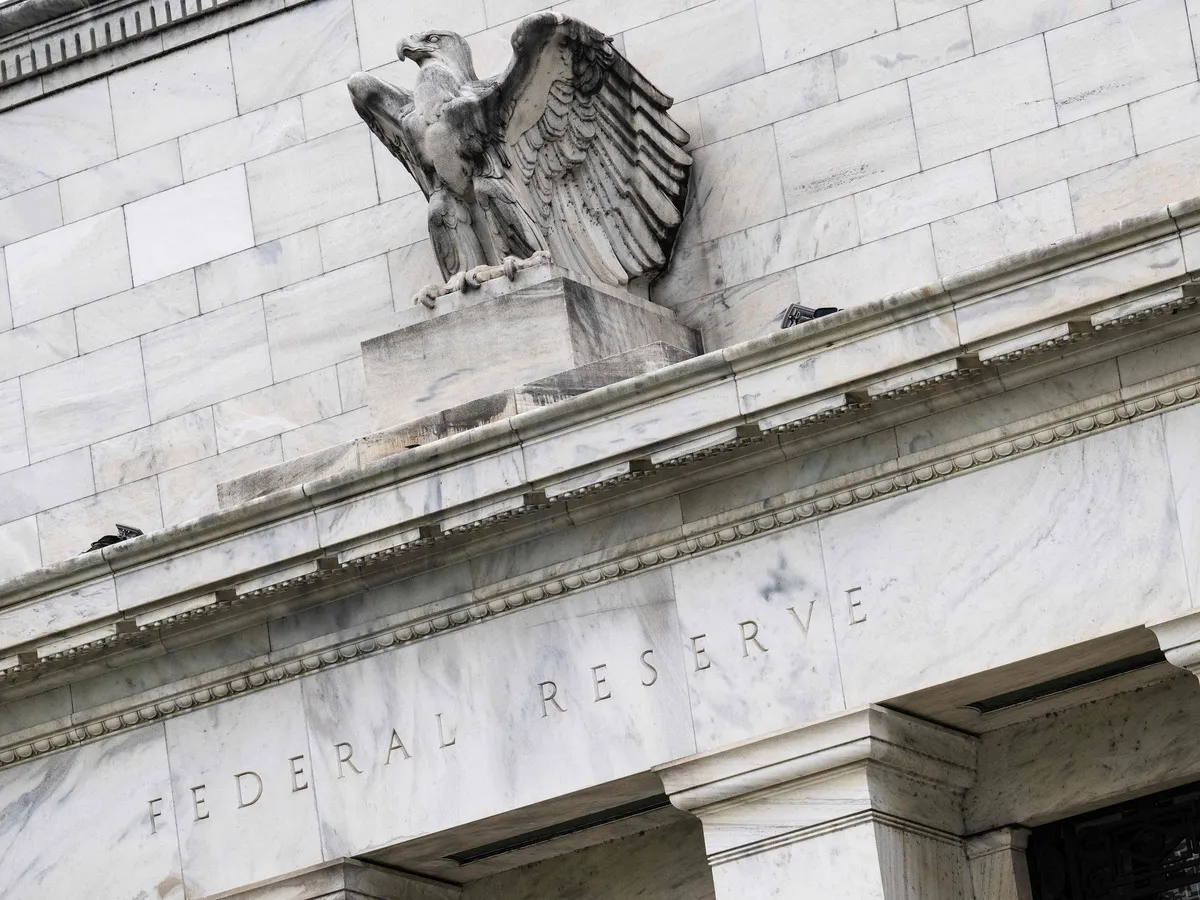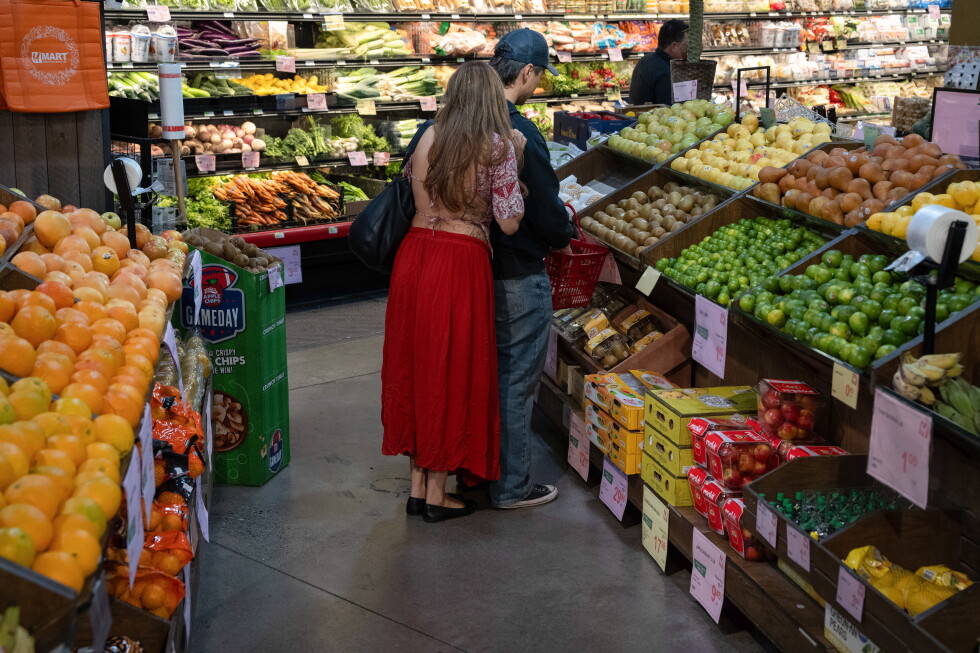
Skip to Content News Archives Economy Energy Oil & Gas Renewables Electric Vehicles Mining Commodities Agriculture Real Estate Mortgages Mortgage Rates Finance Banking Insurance Fintech Cryptocurrency Work Wealth Smart Money Wealth Management Investor Personal Finance Family Finance Retirement Taxes High Net Worth FP Comment Executive Women Puzzmo Newsletters Financial Times Business Essentials More Innovation Information Technology FP500 Podcasts Small Business Lives Told Tails Told Shopping Financial Post Store Obituaries Place a Notice Advertising Advertising With Us Advertising Solutions Postmedia Ad Manager Sponsorship Requests Classifieds Place a Classifieds ad Working Profile Settings My Subscriptions Saved Articles My Offers Newsletters Customer Service FAQ News Economy Energy Mining Real Estate Finance Work Wealth Investor FP Comment Executive Women Puzzmo Newsletters Financial Times Business Essentials HomeNewsEconomyU.S. producer prices rise most since 2022 on energy costsA core measure of wholesale inflation that excludes food and energy increased 5.2% from April 2025Author of the article:Last updated 2 days ago You can save this article by registering for free here. Or sign-in if you have an account.Alstom employees work on an assembly line during a press visit of the Alstom plant organized for the presentation of the first MI20 train that will be used by RATP and SNCF on the Île-de-France lines, in Crespin, northern France, on May 7, 2026. Photo by LO PRESTI / AFP via Getty ImagesU.S. wholesale inflation accelerated in April to the fastest pace since 2022 on a war-driven increase in energy prices that’s feeding into higher freight transportation costs.Subscribe now to read the latest news in your city and across Canada.Exclusive articles from Barbara Shecter, Joe O'Connor, Gabriel Friedman, and others.Daily content from Financial Times, the world's leading global business publication.Unlimited online access to read articles from Financial Post, National Post and 15 news sites across Canada with one account.National Post ePaper, an electronic replica of the print edition to view on any device, share and comment on.Daily puzzles, including the New York Times Crossword.Subscribe now to read the latest news in your city and across Canada.Exclusive articles from Barbara Shecter, Joe O'Connor, Gabriel Friedman and others.Daily content from Financial Times, the world's leading global business publication.Unlimited online access to read articles from Financial Post, National Post and 15 news sites across Canada with one account.National Post ePaper, an electronic replica of the print edition to view on any device, share and comment on.Daily puzzles, including the New York Times Crossword.Create an account or sign in to continue with your reading experience.Access articles from across Canada with one account.Share your thoughts and join the conversation in the comments.Enjoy additional articles per month.Get email updates from your favourite authors.Create an account or sign in to continue with your reading experience.Access articles from across Canada with one accountShare your thoughts and join the conversation in the commentsEnjoy additional articles per monthGet email updates from your favourite authorsSign In or Create an AccountorThe producer price index rose six per cent from a year ago, according to Bureau of Labor Statistics data out Wednesday. That topped all estimates in a Bloomberg survey of economists. The monthly gain was also the sharpest since 2022.A core measure of wholesale inflation that excludes food and energy increased 5.2 per cent from April 2025 — the biggest advance in more than three years.Get the latest headlines, breaking news and columns.By signing up you consent to receive the above newsletter from Postmedia Network Inc.A welcome email is on its way. If you don't see it, please check your junk folder.The next issue of Top Stories will soon be in your inbox.We encountered an issue signing you up. Please try againThe yield on the 10-year Treasury note moved higher and stock-index futures fluctuated after the figures.The inflation snapshot at the wholesale level follows Tuesday data that showed a steep annual increase in consumer prices. With a fragile truce in place and no end to the Middle East conflict in sight, other goods and services risk becoming more expensive as companies seek to pass on high energy and transportation costs.The PPI data likely reinforce Federal Reserve officials’ views that inflation should remain their top concern in the face of the war-driven surge in oil prices that’s starting to ripple through to other parts of the economy.“This report will set off alarm bells at the Fed and add fuel to the political conversation about affordability,” Carl Weinberg, chief economist at High Frequency Economics, said in a note. “They suggest that energy price increases are indeed ‘bleeding’ into core prices at the producer level.”The PPI report showed goods prices, which include fuels, also increased by the most since 2022. Energy costs rose 7.8 per cent in April following an even larger advance in the prior month.Services costs climbed 1.2 per cent, the most in four years. Prices for transportation and warehousing services — a category forecasters had flagged as especially sensitive to the conflict — jumped five per cent, driven by trucking and higher margins at fuel retailers.The PPI report showed costs for truck transportation of freight jumped 8.1 per cent — the most in data back to 2009. Margins for machinery and equipment wholesalers also climbed substantially.Several components of the PPI are of particular interest because they feed into the the Fed’s preferred inflation gauge, the personal consumption expenditures price index.Those categories were mixed in April. While airfares and healthcare costs rose, portfolio management fees declined. The Bureau of Economic Analysis is scheduled to release April PCE price data, along with income and spending figures, on May 28.While the labour market is showing some momentum, consumer sentiment now stands at record lows and inflation-adjusted wages are falling, which could put a dent on household spending — and therefore economic growth — later this year. Fed officials have indicated the central bank is unlikely to reduce interest rates in the near future.Another PPI measure pointed to persistent inflation pressures earlier in the production process. The costs of processed goods for intermediate demand increased 5.6 per cent in the past two months, the largest such advance in five years. Even excluding food and energy, prices of processed goods accelerated in April.With assistance from Giovanna Serafim, Julia Fanzeres and Matthew Boesler Join the Conversation This website uses cookies to personalize your content (including ads), and allows us to analyze our traffic. Read more about cookies here. By continuing to use our site, you agree to our Terms of Use and Privacy Policy.
U.S. producer prices rise most since 2022 on energy costs
U.S. wholesale inflation accelerated in April to the fastest pace since 2022 on a war-driven increase in energy prices. Read more.
1,065 words~5 min read