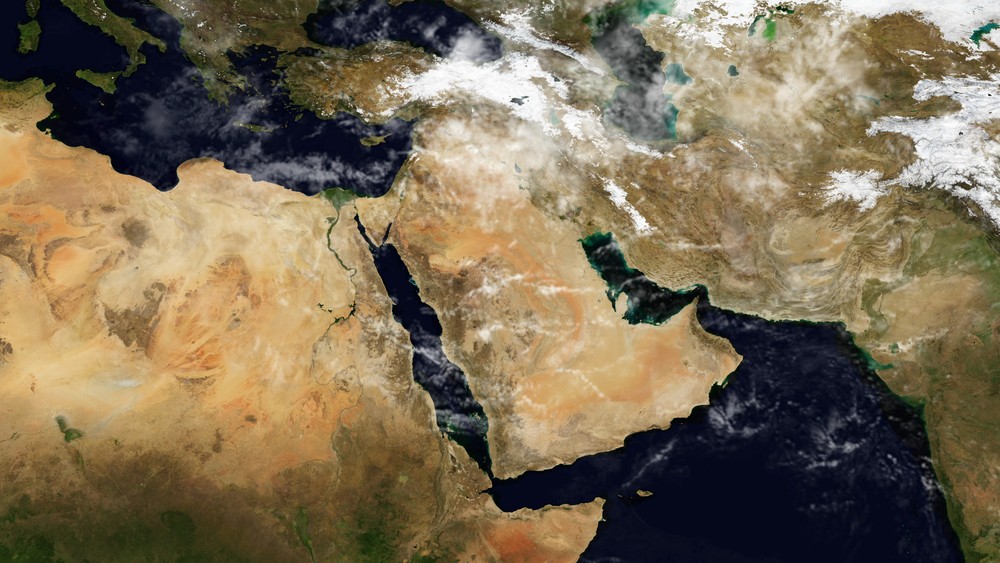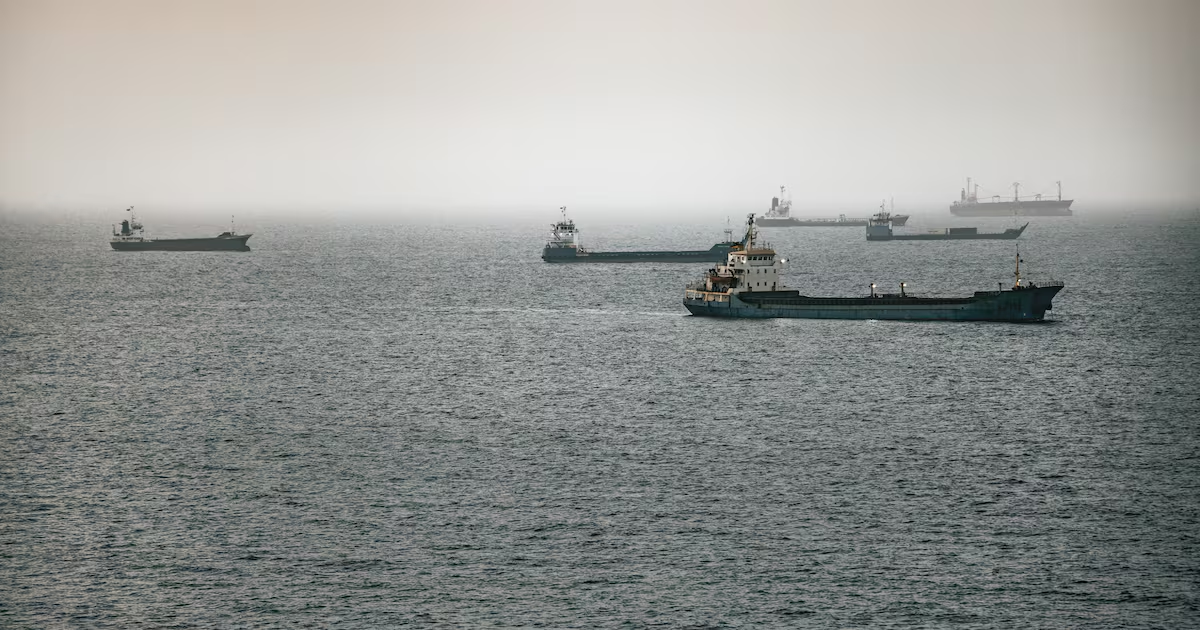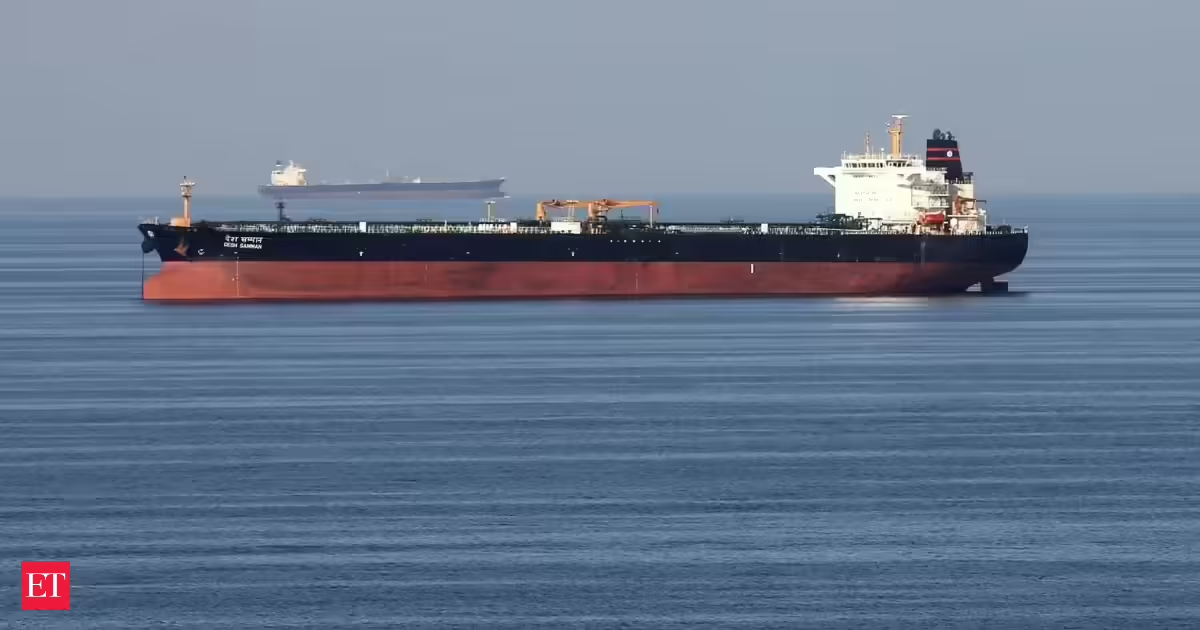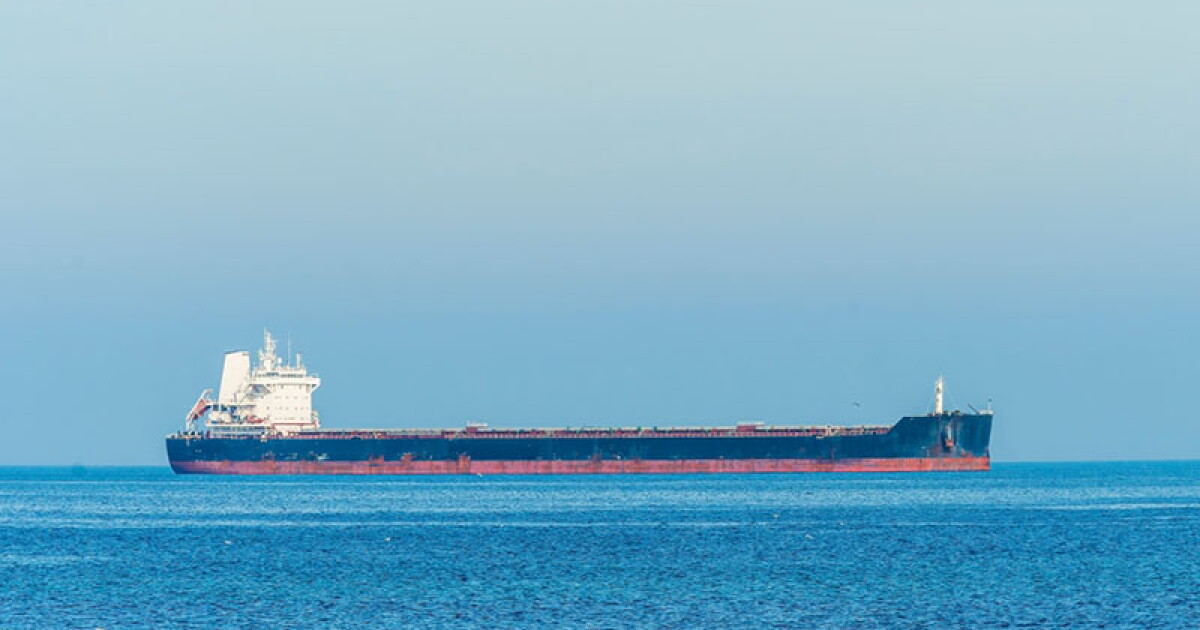
LONDON, June 12 : Since the start of the Iran war and Tehran's announcement that the Strait of Hormuz was "closed", the market has grappled to put a figure on lost crude supply and to predict the price of oil.Initial calculations were simple: add up all non-Iranian Gulf crude oil exports, some 12 million to 15 million barrels a day, and you easily have the biggest crisis in history.Accordingly, benchmark Brent crude futures shot to nearly $120 per barrel in early March. Analysts warned it was just the beginning as forecasts of $200 hit the headlines triggering inflationary concerns for consumers and businesses.Tankers dropped anchor as Iran's threats made voyages too risky, and trying to spot any tanker making a run for it was nearly impossible due to U.S. curbs on satellite imagery over the Gulf and ships spoofing their locations.
MILLIONS OF BARRELS ARE GETTING OUTBut tankers have escaped, some spotted by ship-tracking firms, some unseen, and as evidence comes to light, the market is adding up these volumes as it examines why oil has fallen below $90 despite the Iran war rumbling on, wrongfooting market bulls.U.S. President Donald Trump on Wednesday said over 100 million barrels of oil had passed through the strait as part of what he called a secret U.S. mission to support oil tankers. Shipping data firm Kpler estimated that some 136 million barrels of non-Iranian crude had moved through Hormuz and Gulf of Oman export channels between the start of April and June 10, or about 1.9 million barrels a day. "After an initial disruption at the onset of the conflict, flows strengthened as alternative logistics scaled up," Kpler said.Among these "alternative logistics" have been Iraq, Kuwait and the UAE exporting large quantities of crude in tankers with their satellite systems turned off - sometimes in arrangements with Iran and sometimes without, according to trading sources.Those exports add to oil flows of around 4 to 5 million barrels per day from Saudi Arabia, which has been shipping from its Red Sea port of Yanbu since March. SHORTFALL WELL BELOW INITIAL ESTIMATESThe International Energy Agency in its latest report estimated that Gulf supply was down by 14 million barrels per day, or around 14 per cent of world supply.But the figure could be closer to 5 to 6 million barrels per day, sources at two major trading companies said, citing internal calculations based on producers finding ways to keep cargoes moving.Iraqi exports currently stand 2.5 to 3.0 million barrels per day below normal, Kuwait's are down by some 1.5 million, Saudi Arabia and the UAE by some 0.5 million each, according to calculations by one of the sources.External factors, including a jump in U.S. oil exports, a record 400-million-barrel international emergency stocks release, and reined-in Chinese demand have also been important in cooling the oil market.Factoring in that drop in Chinese demand, the current market shortfall could be closer to 2 million barrels, one of the sources said."It's an indication that commercial oil markets are sufficiently supplied for now given all the ways the world has adapted to the shock," said Bjarne Schieldrop of SEB regarding oil's fall from March and April highs.FALLING INVENTORIES A LOOMING RISKDespite the market adapting, its workarounds can only go so far, and the world's oil stocks are dwindling, increasing the risk of renewed price spikes.Stockpiles in the world's largest economies are headed toward their lowest levels since at least 2003, squeezed at a record pace due to the lost Gulf output, the U.S. Energy Information Administration said on Tuesday.U.S. inventories are falling fast and currently stand at 351 million barrels in two key U.S. hubs, S&P Global Energy said in a report. The "danger zone" for these stocks begins at around 325 million barrels, it said."As inventories drop below this threshold, the market becomes increasingly vulnerable to logistical bottlenecks and price spikes," it said. (Addiitonal reporting by Seher Dareen and Robert Harvey, editing by Jason Neely)