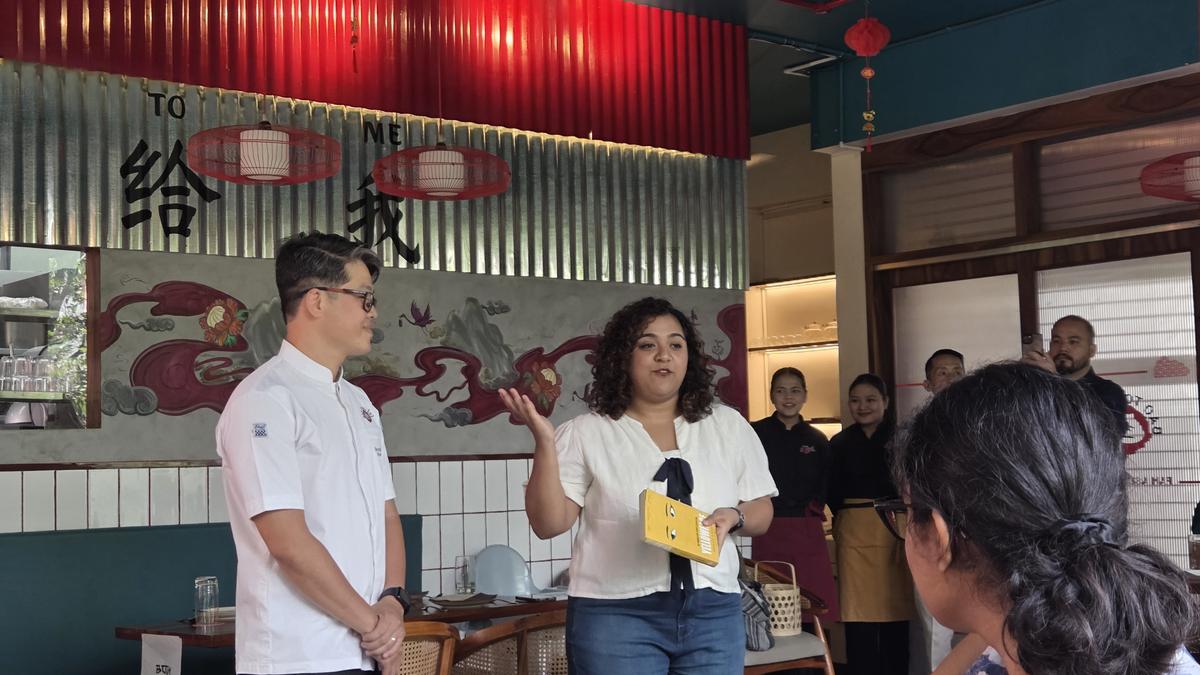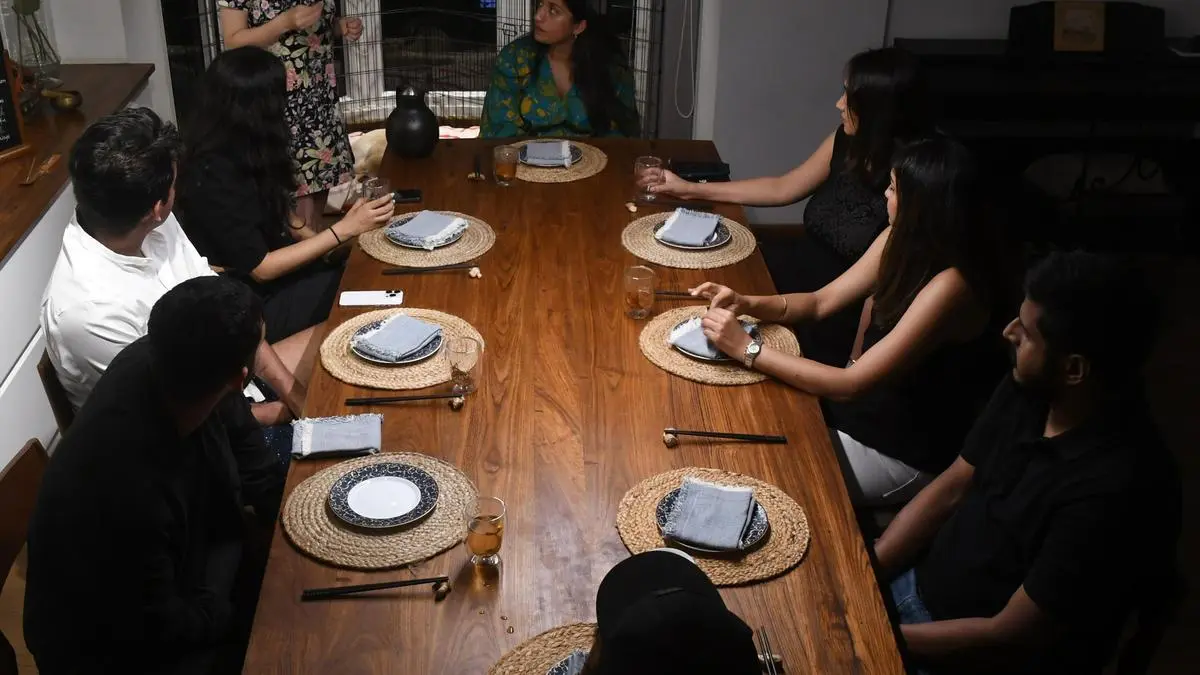
On a recent Saturday evening in Bengaluru, Siddhi Jain found herself seated between a venture capitalist and a ceramic artist in a stranger’s living room. The table was set for a dozen guests. Some had arrived alone, others in pairs. By the time dessert was served, conversations had drifted from startup burnout and solo travel to book recommendations and neighbourhood discoveries.For Jain, who had recently moved to Bengaluru, the dinner offered something that neither work nor social media had managed to provide: a sense of belonging.That search for connection is increasingly driving a new dining trend across India’s cities. Supper clubs—intimate, reservation-only meals often hosted in private homes or unconventional venues—are emerging as a counterpoint to crowded restaurants, noisy bars and algorithm-driven social networks. Food may bring guests to the table, but community is increasingly what keeps them there.What began as a niche hospitality format has evolved into a growing ecosystem of hosts, chefs and entrepreneurs building businesses around curated experiences. Unlike restaurants, where efficiency and scale often take precedence, supper clubs thrive on scarcity, storytelling and shared participation.For Aditya Ramakrishnan, founder of Bengaluru-based Ma La Kitchen, the idea began with a personal frustration. His wife, originally from Chengdu in China’s Sichuan province, struggled to find authentic Sichuan food in India.“I felt like there’s a market for it, given how popular Asian food is here and how a lot of people are looking for more traditional, authentic food,” Ramakrishnan says. Rather than open a restaurant, he chose a lower-risk route. “I thought the supper club was just a very easy way to start something.”What started as an experiment with a handful of guests soon turned into a thriving operation. At its peak, Ma La Kitchen hosted dinners three times a week, accommodating 12 to 14 guests each evening at roughly ₹4,200 per person. “We’ve always been sold out,” says Ramakrishnan. “For me, it was a very profitable business.”Yet profitability alone does not explain the appeal.Beyond Food, Towards ExperiencesThe most successful supper clubs are increasingly positioning themselves as experience businesses rather than food businesses.At Xanadu Kitchen, founder-chef Susan George and creative and brand lead Aashna Rao have transformed their home into a rotating stage for immersive themed evenings. One dinner may transport guests to Middle-earth through a Lord of the Rings-inspired menu; another could revolve around Harry Potter, cinema, literature or cultural celebrations.“The food is one part of the story,” George says. “Every element is designed to bring the theme to life. Guests don’t simply attend dinner—they’re stepping into an evening built around a shared idea, story or world.”That shift reflects a broader change in consumer behaviour. Diners increasingly want participation rather than passive consumption. “People are increasingly seeking connection, intimacy and participation,” George says. “In many ways, supper clubs create temporary communities around a table.”The trend is particularly visible in Bengaluru, where a large population of migrants, young professionals and entrepreneurs are constantly looking to expand their social circles.Dhiraj Shah, co-founder of Bunco, which hosts The Tasting Lab supper club, believes the format fills a gap left by traditional social spaces.“I think supper clubs have become a really interesting way for people to come together over food and connect in a way that feels more authentic than many traditional social settings,” Shah says. “The food is what brings people in, but it’s often the connections that make the experience memorable.”Tickets for The Tasting Lab are priced at ₹1,707 and frequently sell out within minutes. Yet Shah insists commercial objectives are secondary. “From the beginning, the goal was never to maximise profitability; it was to maximise creativity.”That philosophy is echoed across the category. While restaurants compete on menu innovation, ambience and convenience, supper clubs are increasingly competing on something harder to replicate: human connection.“What people are increasingly seeking is participation rather than consumption,” says George. “They don’t just want a reservation; they want something memorable to be part of.”In a world where social interactions are increasingly mediated through screens, India’s growing supper club movement is betting on an older idea—that strangers sharing a meal can still become a community, one course at a time.Published on June 12, 2026
At India’s supper clubs, the real menu item is community
Experience the growing trend of India's supper clubs, where food fosters community and authentic connections thrive.
687 words~3 min read