AP, TOKYO
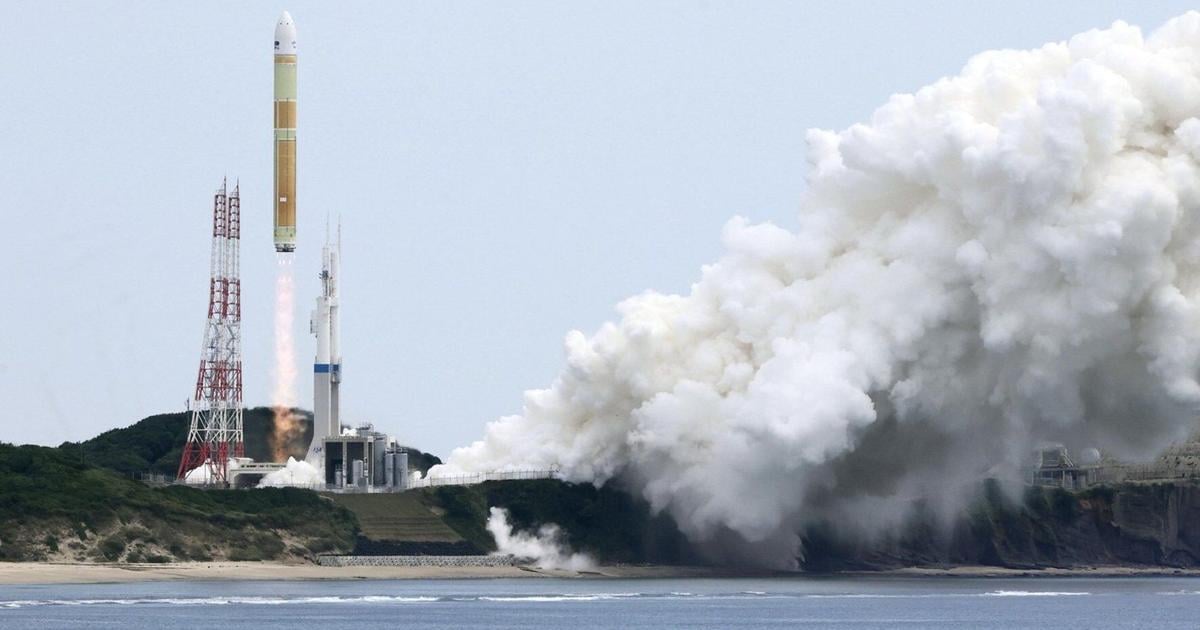
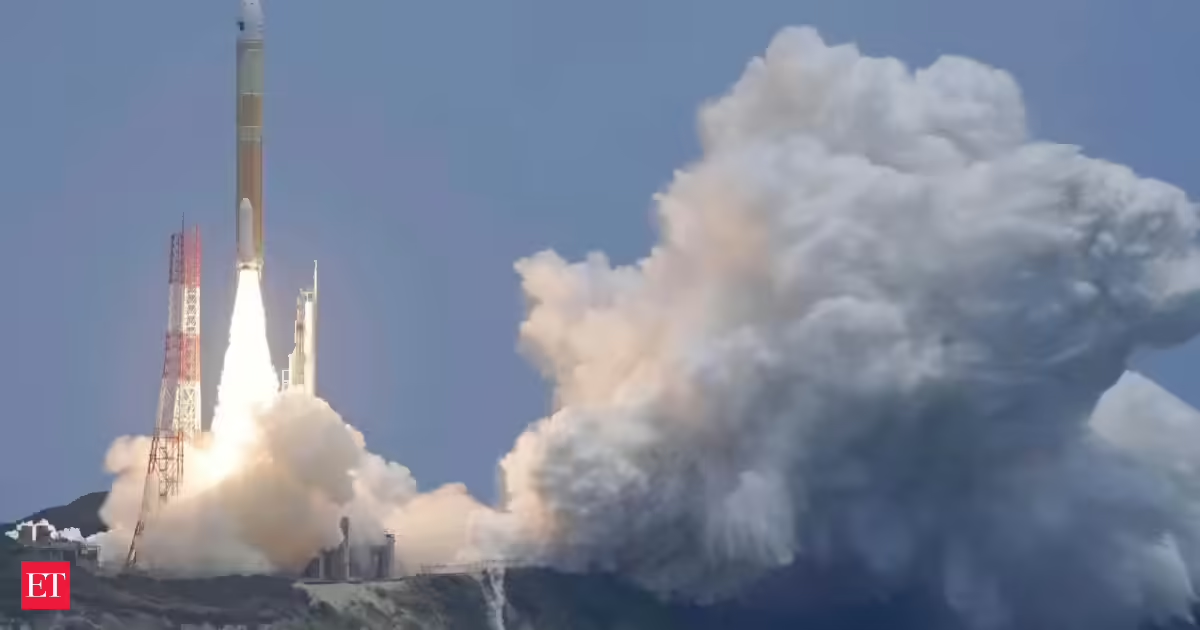
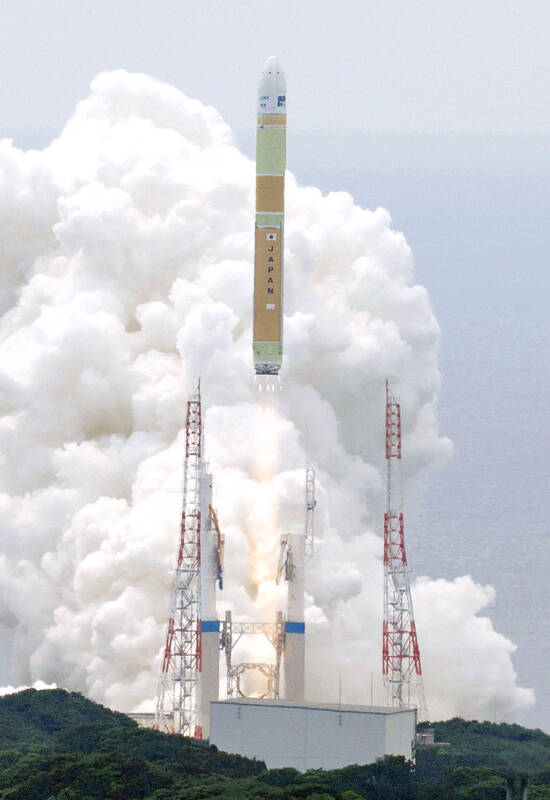
Japan’s H3 rocket returned to flight yesterday with the debut of a new low-cost variant, a badly needed success for the country’s new flagship rocket that has struggled with mission failures while facing an increasingly competitive space industry.The H3 rocket took off from the Tanegashima Space Center on a southwestern Japanese island and its second stage successfully reached a targeted orbit, the Japan Aerospace Exploration Agency (JAXA) said.Six small satellites developed by universities and other organizations carried by the vehicle also were believed to be successfully separated, JAXA said.
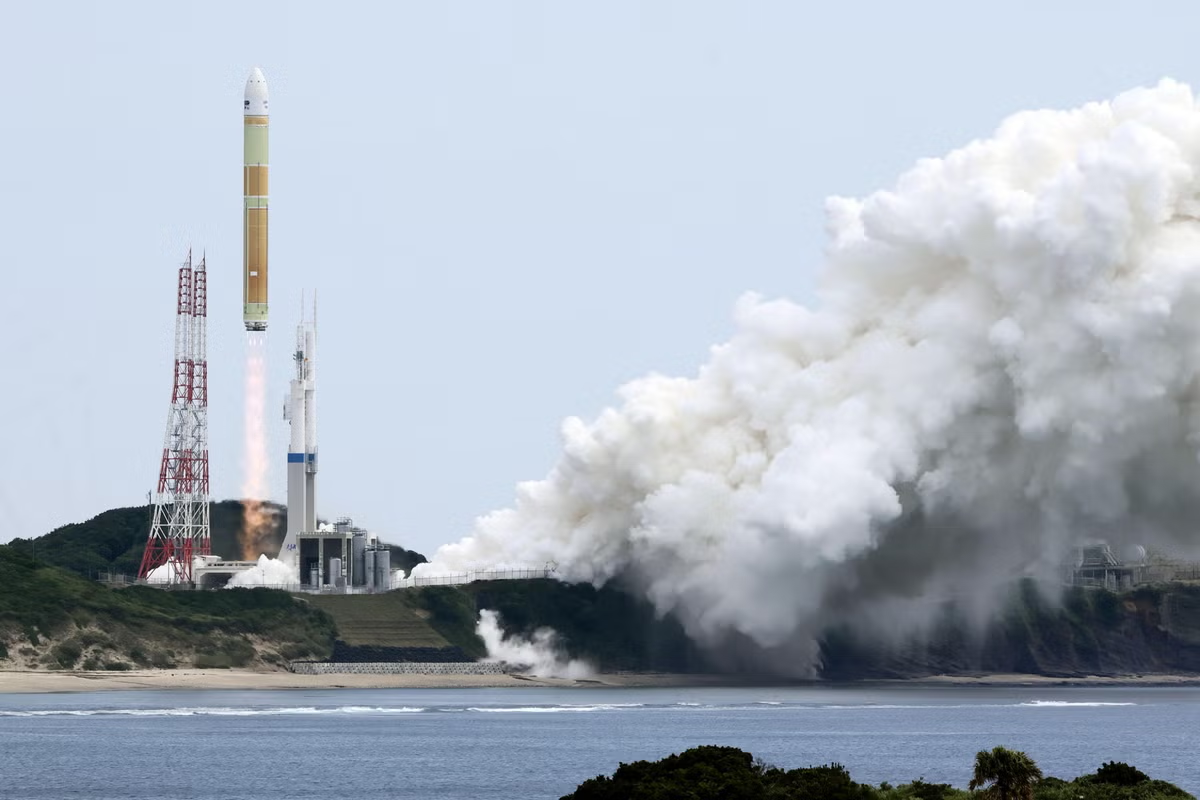
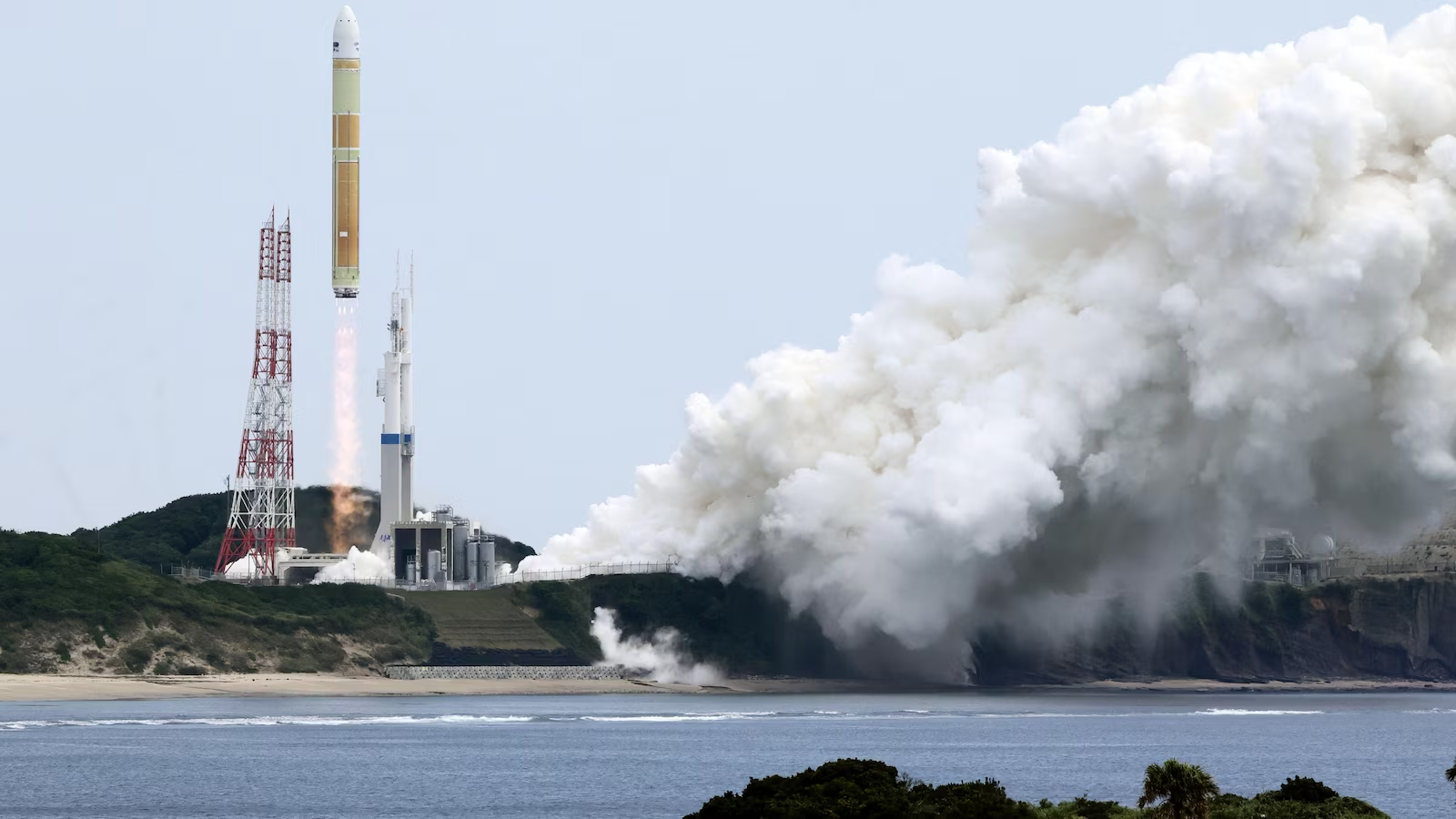
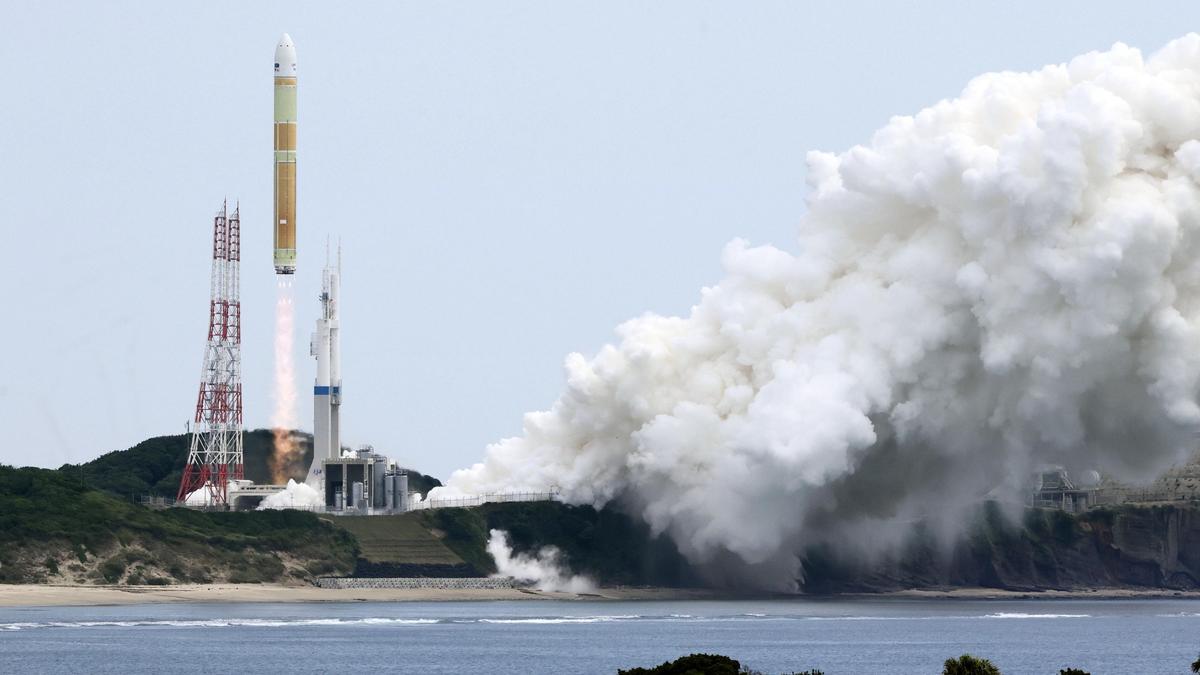
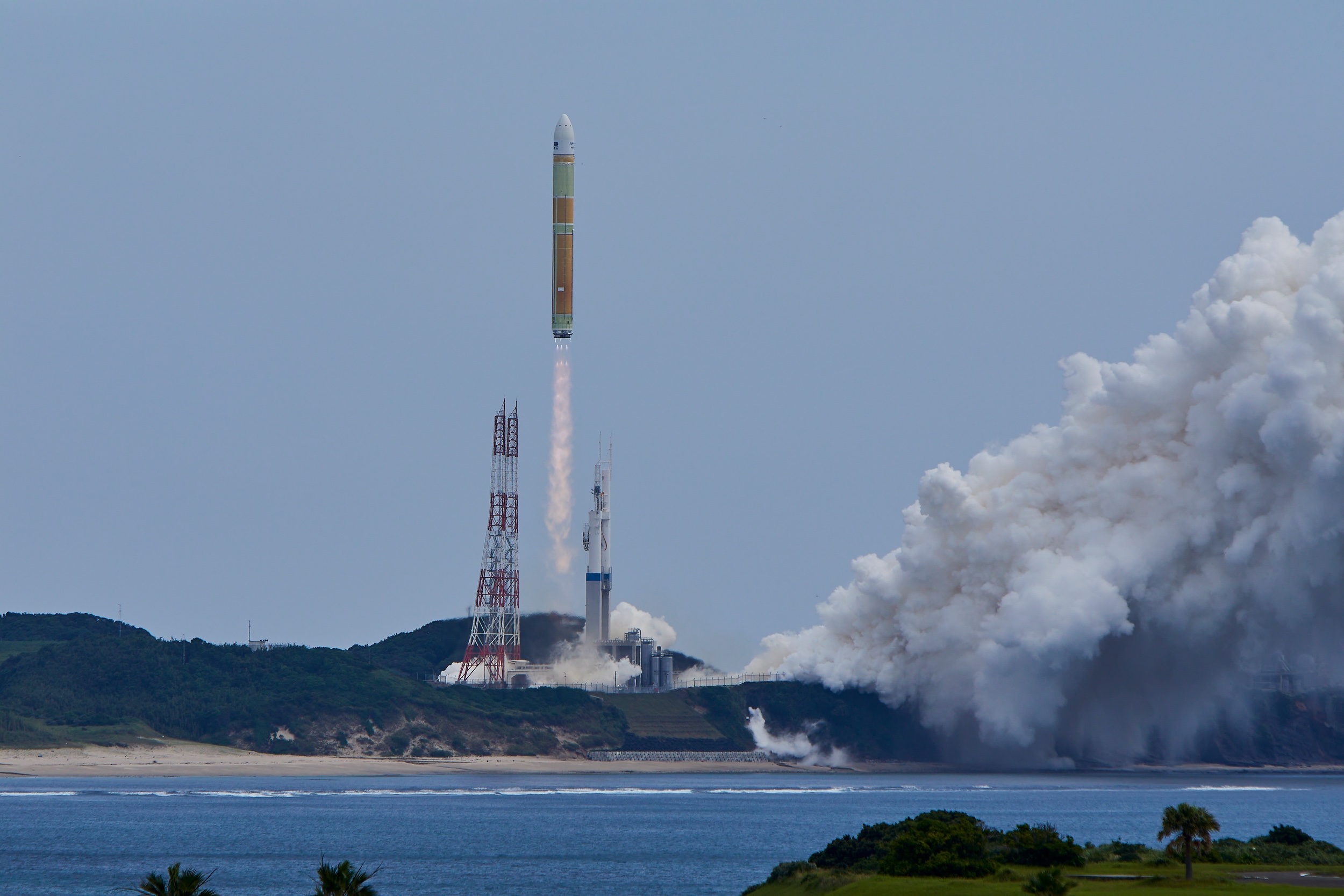
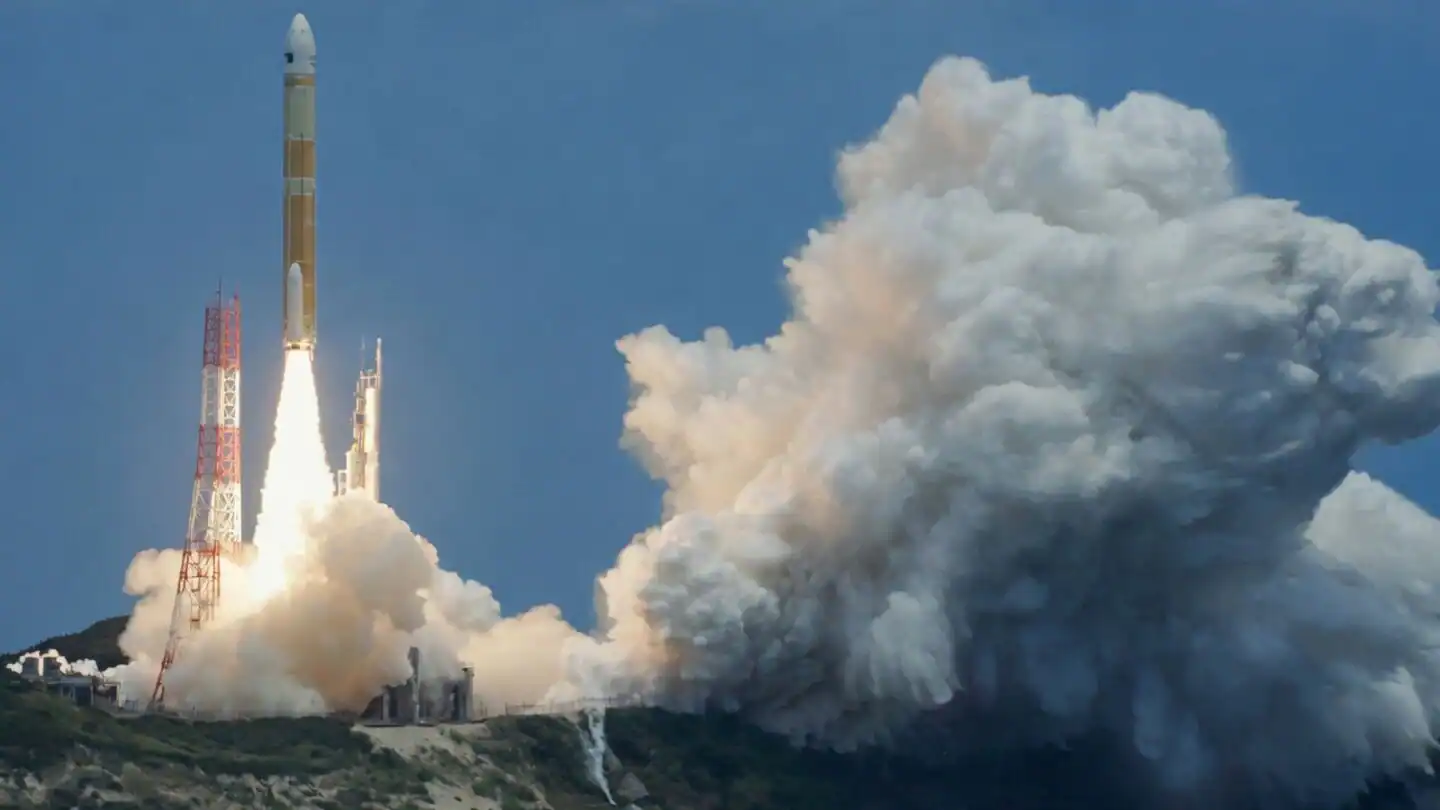
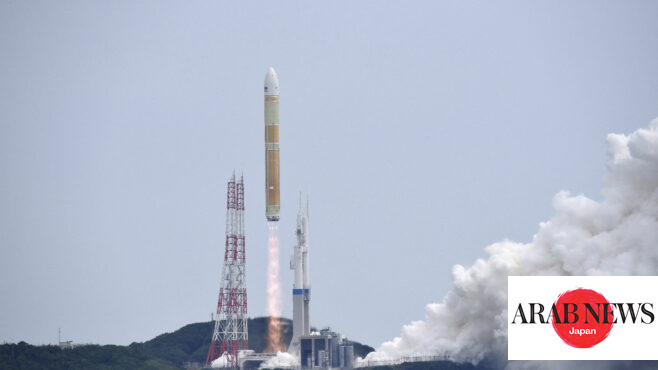
Japan’s H3 rocket lifts off from the Tanegashima Space Center in Japan yesterday.
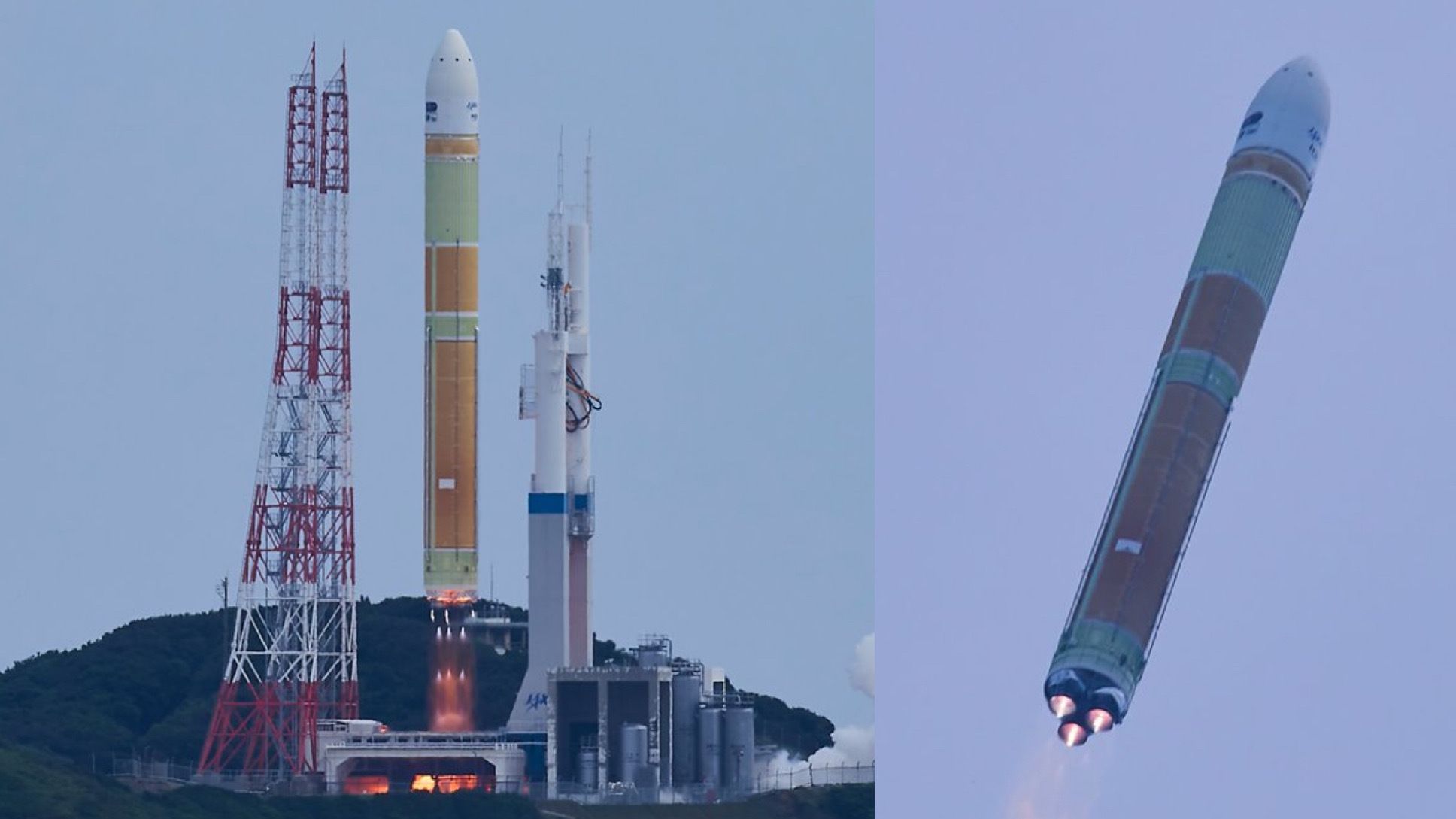
The mission marked the debut for the H3’s new “30 configuration” equipped with triple liquid-fuel LE-9 engines and no rocket boosters, which is intended to be a low-cost version making the series more competitive. The variant is one of three designed to accommodate a wide range of customer needs.The sixth successful launch comes after two failures.
During its debut flight in March 2023, the H3 failed to ignite its second-stage engine. Then in December last year, the rocket launched with a navigation satellite, but failed to put the payload into a planned orbit due to a malfunctioning second-stage engine.The H3 had been grounded since and a third failure would have been a major blow to Japan’s future space projects, including a Mars mission planned for 2028. A smaller Epsilon S series also has been delayed since it caught fire during a test in 2024.