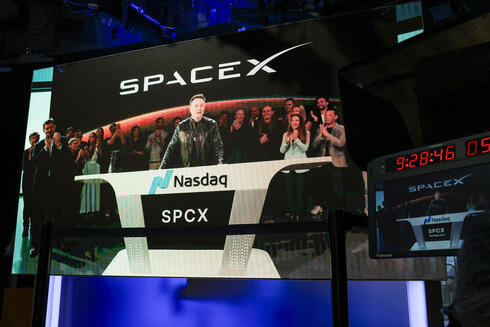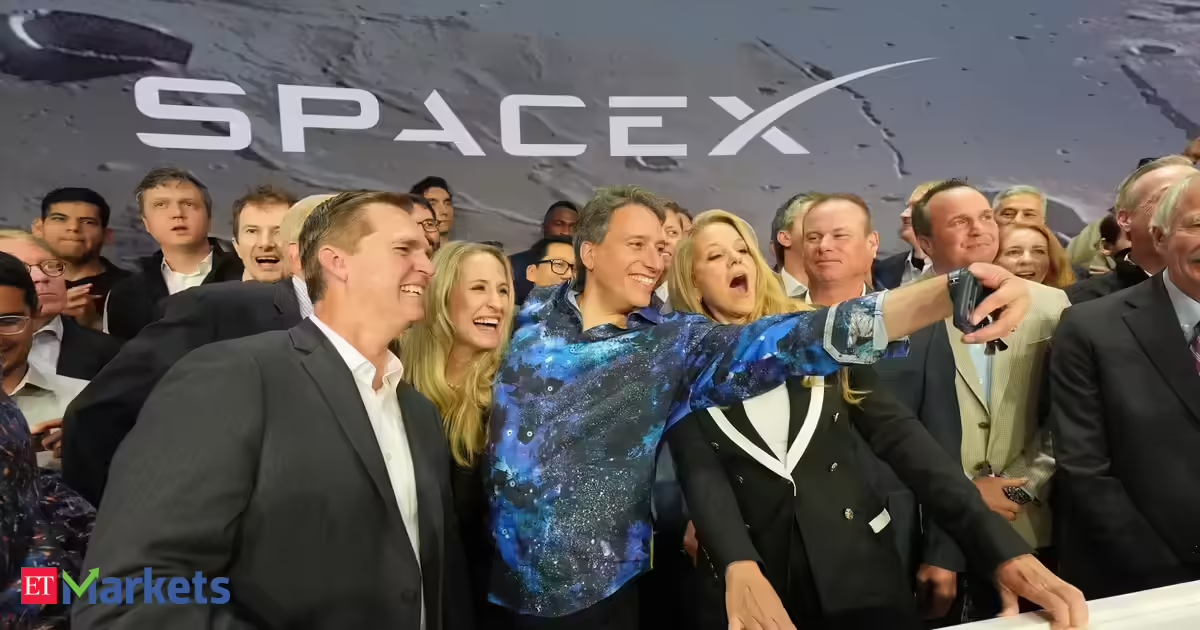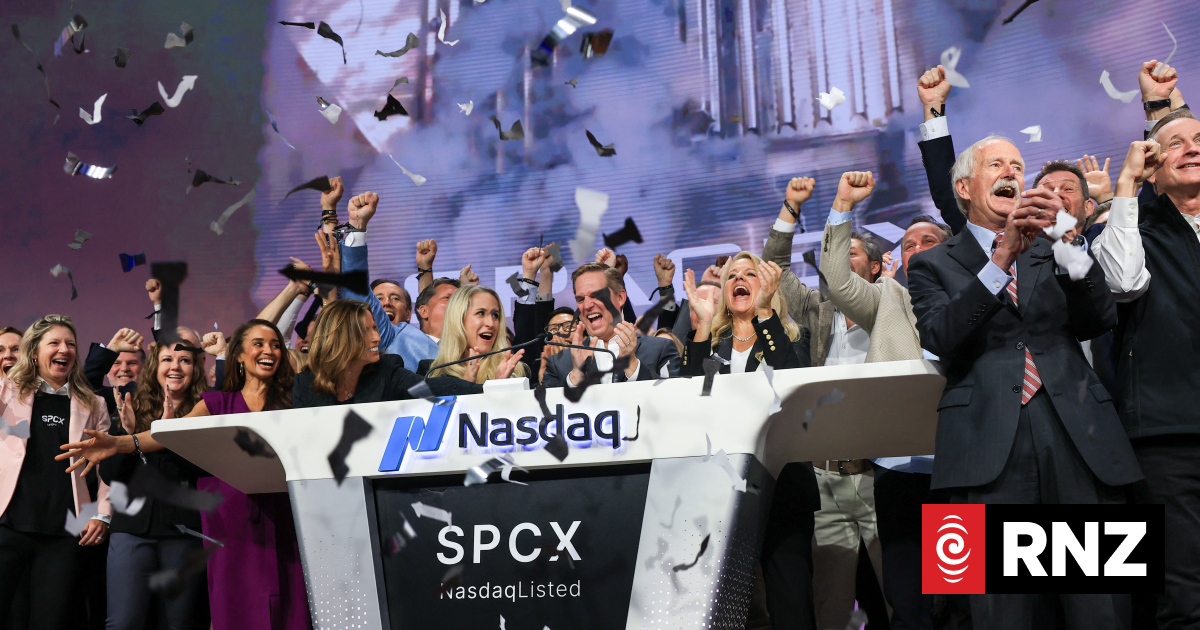
SpaceX was to begin trading on the NASDAQ yesterday after investors poured US$75 billion into the world’s biggest initial public offering (IPO) ever, betting that Elon Musk’s space, communications and artificial intelligence (AI) ambitions can justify a US$1.77 trillion valuation.The landmark listing cemented Musk’s status as the first trillionaire ever and propelled SpaceX into the ranks of the world’s most valuable companies — even though the firm posted a loss of nearly US$5 billion last year.The stock’s performance will be a test for the so-called “Musk premium,” which has been the force behind Tesla’s US$1 trillion-plus valuation.
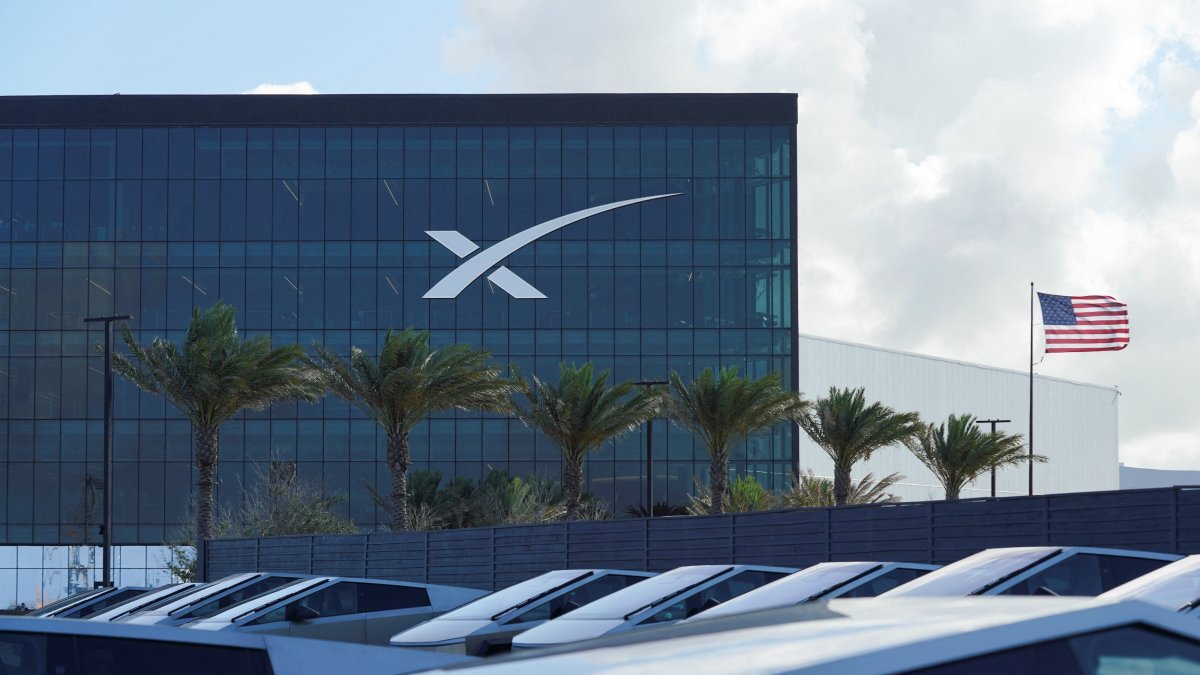
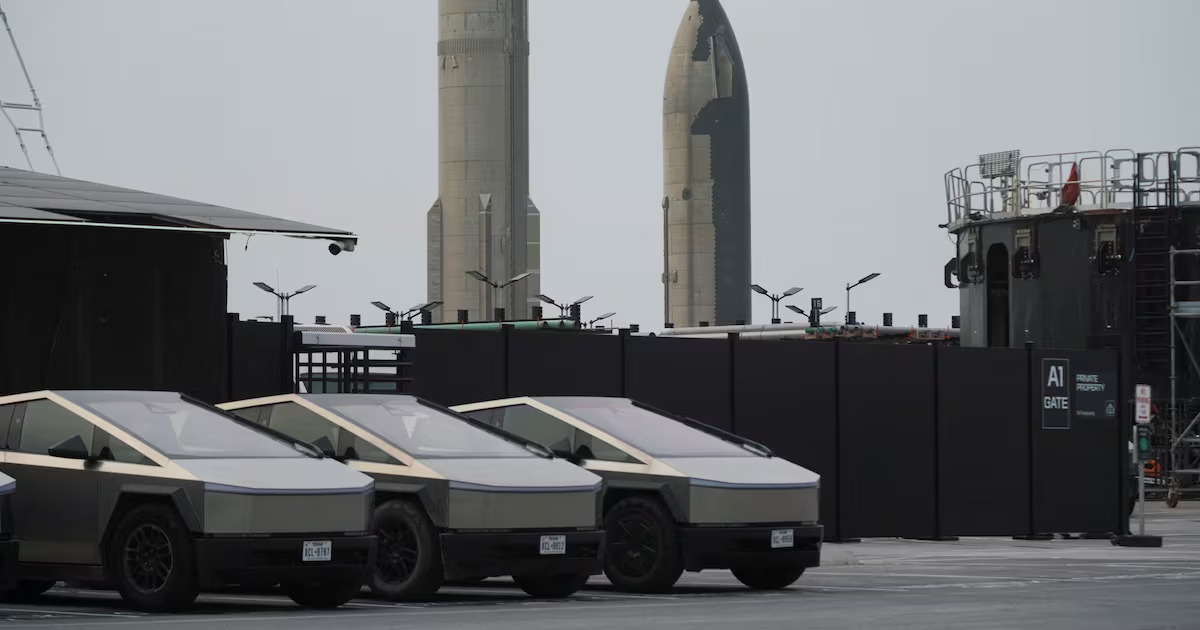
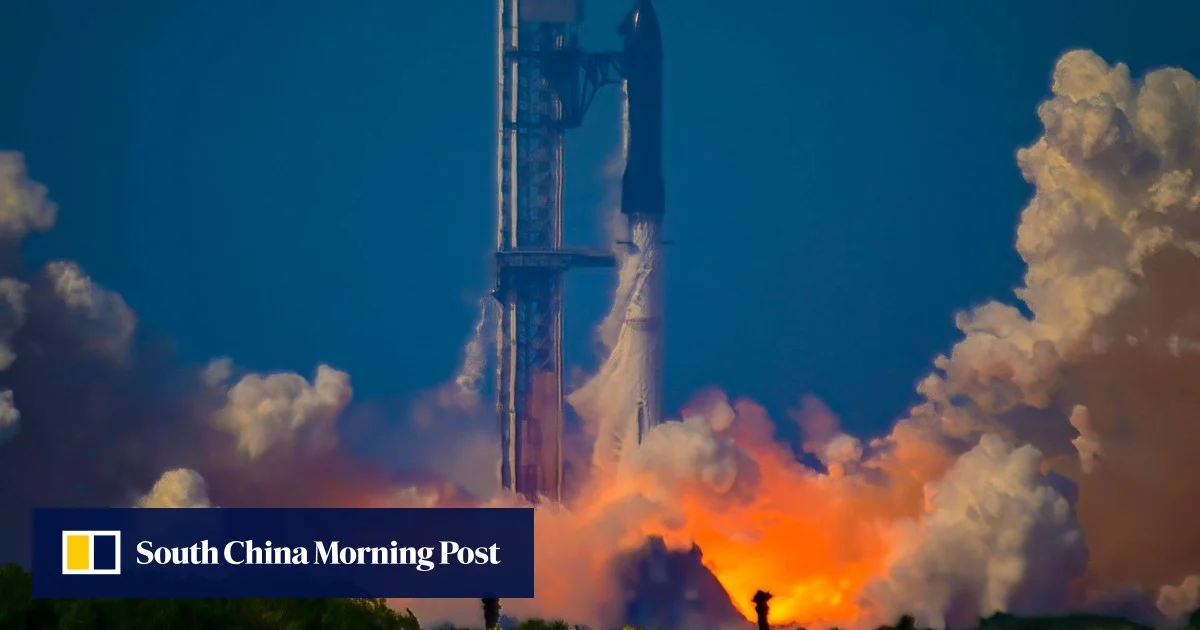
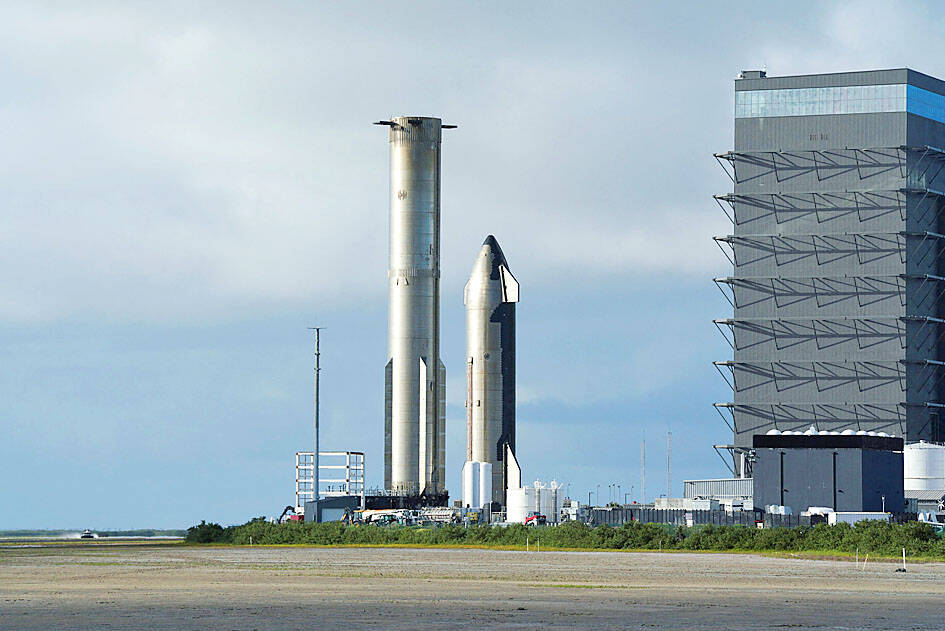
A SpaceX building and Starship are pictured ahead of the SpaceX initial public offering in Starbase, Texas, on Thursday.
It will also be closely watched for signals on investor appetite ahead of forthcoming IPOs for AI heavyweights Anthropic and OpenAI.With SpaceX widely viewed as a dress rehearsal for a new generation of mega-listings, market participants would also be watching how smoothly the debut unfolds.
Exchanges and underwriters are under pressure to demonstrate that they can handle the listing’s extraordinary order volumes and avoid a repeat of the technical failures that marred Meta’s 2012 debut.Shares are likely not to trade until the middle of the trading day, as the exchange collects buy and sell orders and underwriters delay trading until supply and demand is balanced.SpaceX priced the IPO at US$135 per share and sold 555.56 million shares.The record IPO is a culmination of Musk’s long-held ambitions in space and technology, and has stood out for rewriting Wall Street’s IPO playbook and drawing legions of retail investors into the market.At US$75 billion raised, the deal’s proceeds more than doubled that of Saudi Aramco, the previous record-holder, in its 2019 listing.Its sale made SpaceX the first US trillion-dollar debut and seventh-largest US company by market capitalization.Its valuation could rise further should underwriters exercise their right to sell additional shares, a decision typically made within 30 days after the offering.Although SpaceX might have to wait for entry into the S&P 500, its expected fast-track inclusion in the NASDAQ 100 will soon make it a major holding for passive funds and exchange traded funds that track the index, creating a fresh source of demand for its shares.It is expected to take about a month before it gets added to that index under NASDAQ’s new fast-entry rules, as opposed to a typical wait of as much as a year.Some analysts expect SpaceX’s debut to trigger a reshuffling of investor portfolios, creating selling pressure on other technology heavyweights as funds rotate into the stock.The frenzied interest presents opportunity and peril, as some retail investors might chase the stock if they miss out on the IPO, said Jay Woods, chief market strategist at Freedom Capital Markets.SpaceX set aside 30 percent of the offering for retail investors to capitalize on Musk’s popularity with individuals who have helped drive massive gains in Tesla shares.“Historically, those investors tend to be the most vulnerable if momentum reverses,” Woods said. “I think there will be better opportunities to enter this name down the road.”