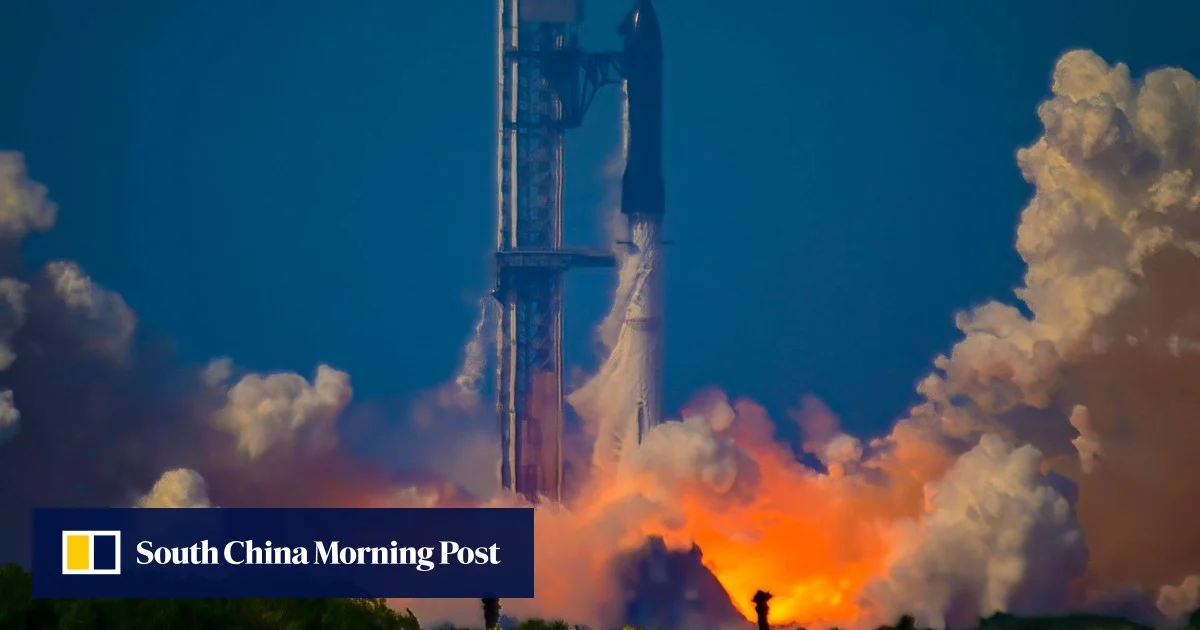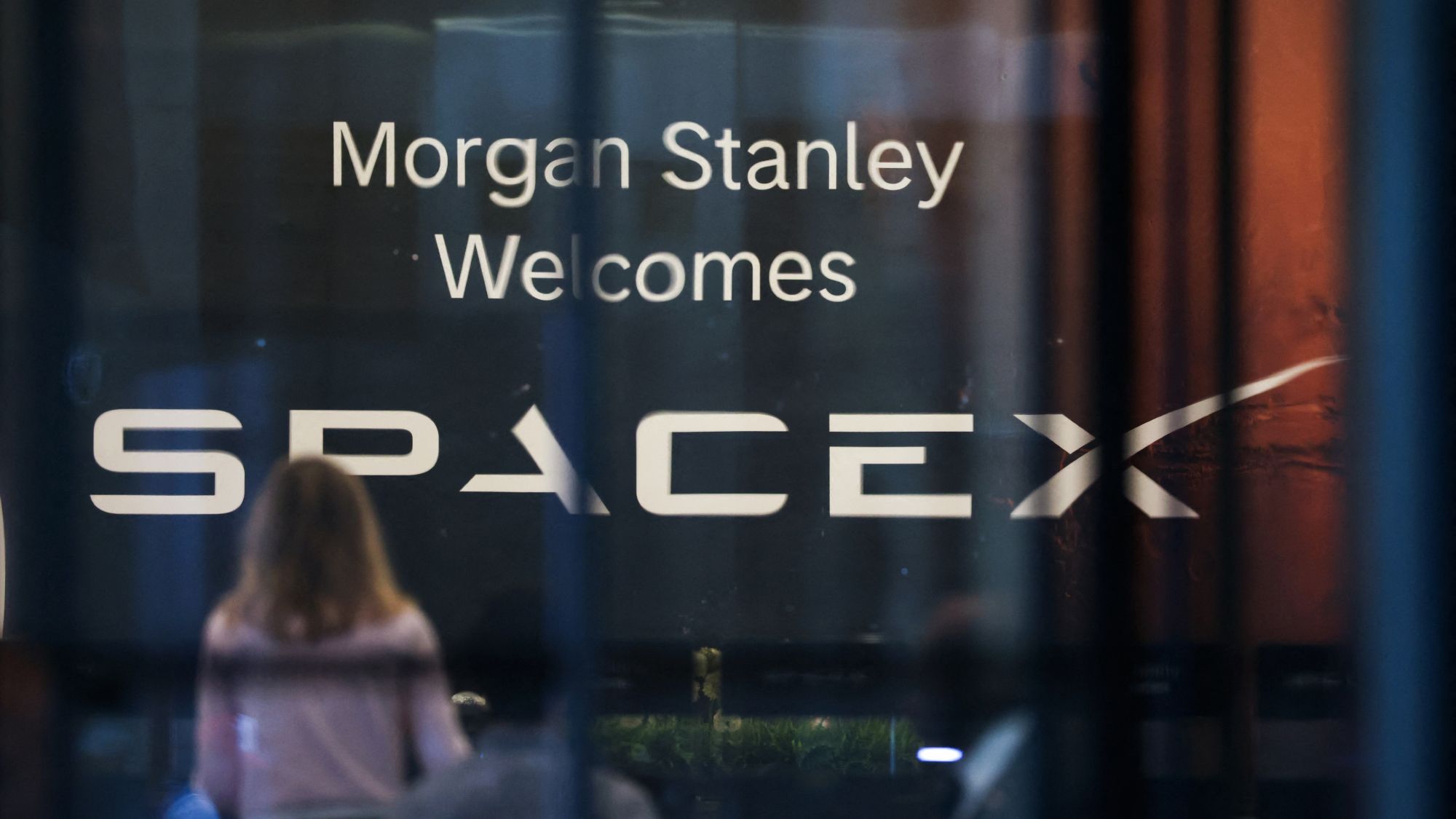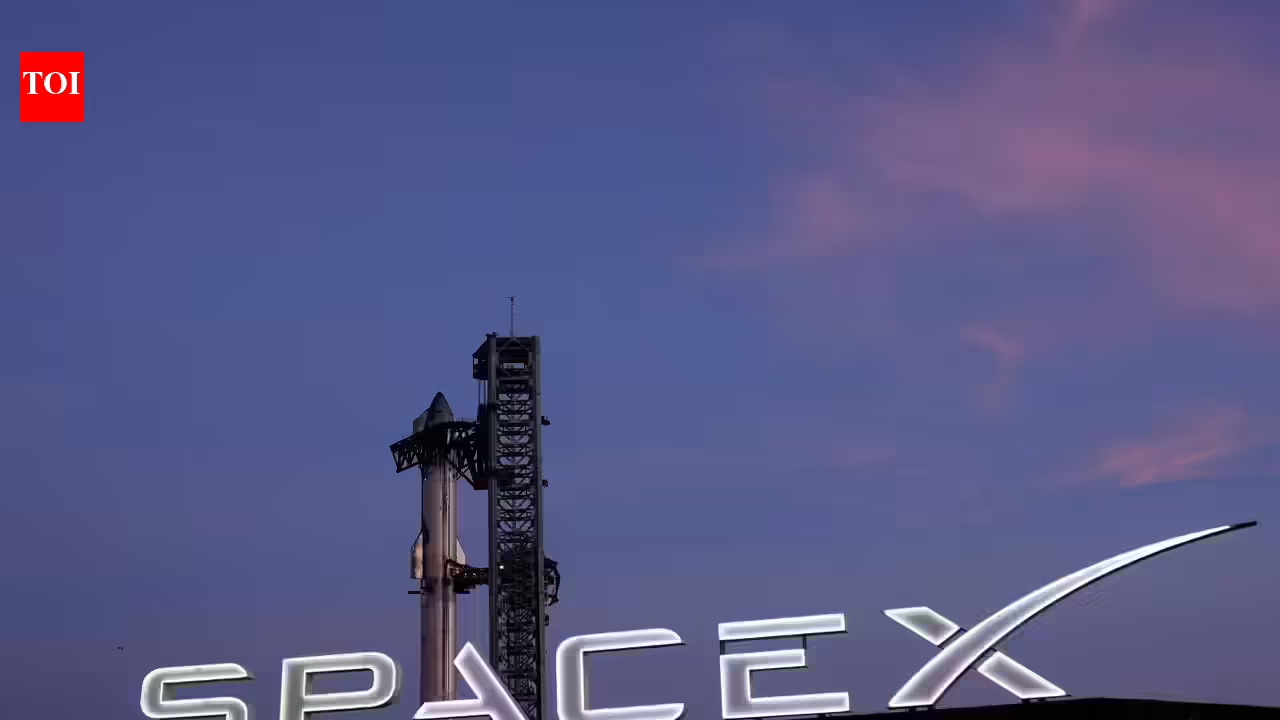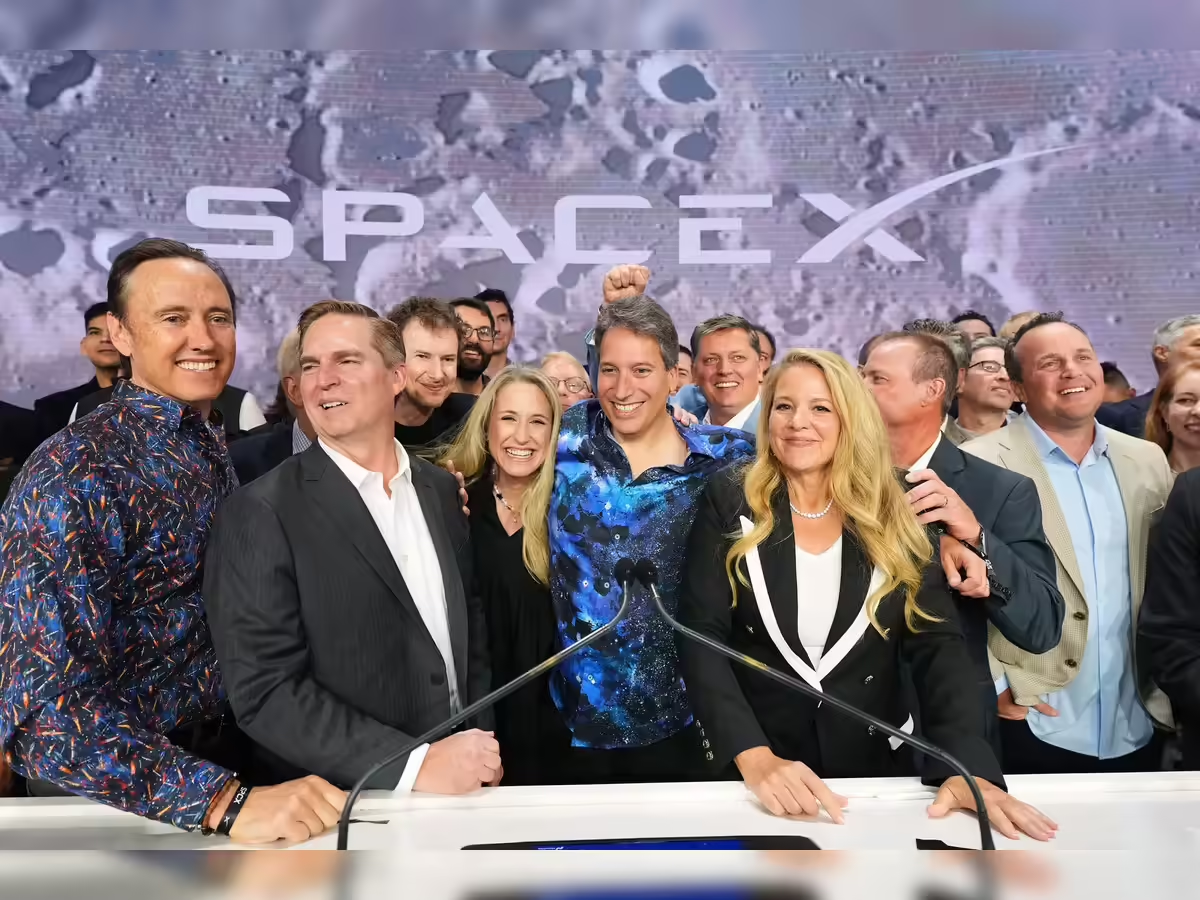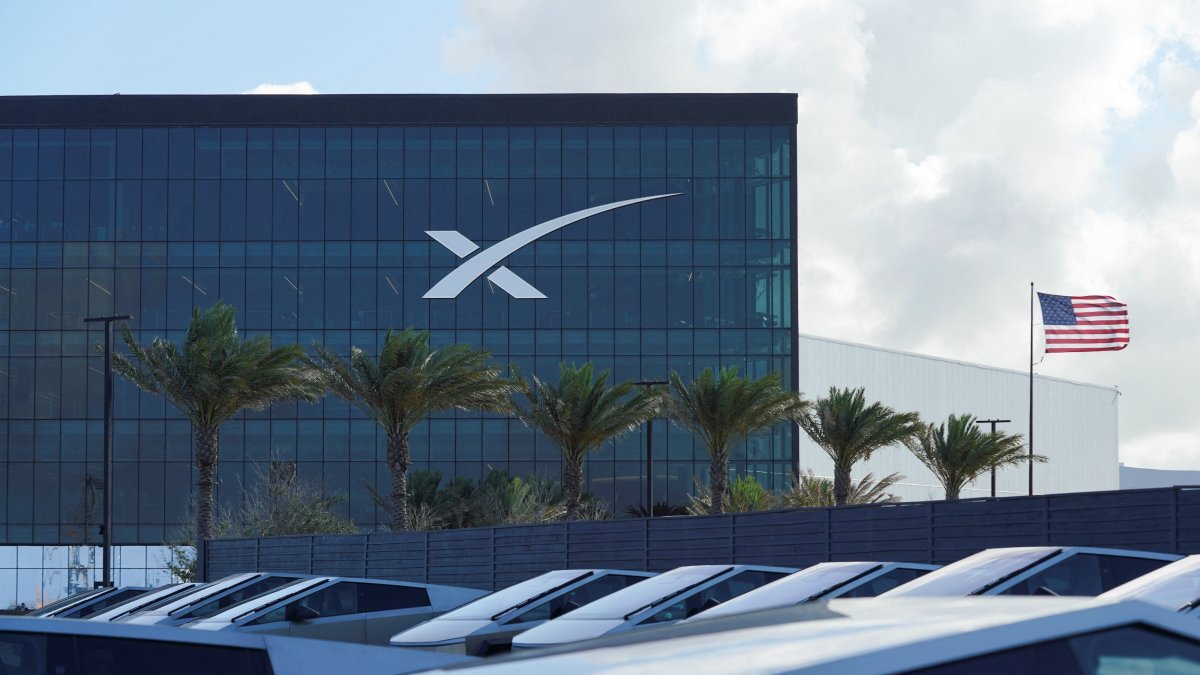
SpaceX is set to begin trading on Nasdaq on Friday after investors poured $75 billion into the world's biggest IPO ever, betting that Elon Musk's lofty space, communications and AI ambitions can justify a $1.77 trillion valuation.
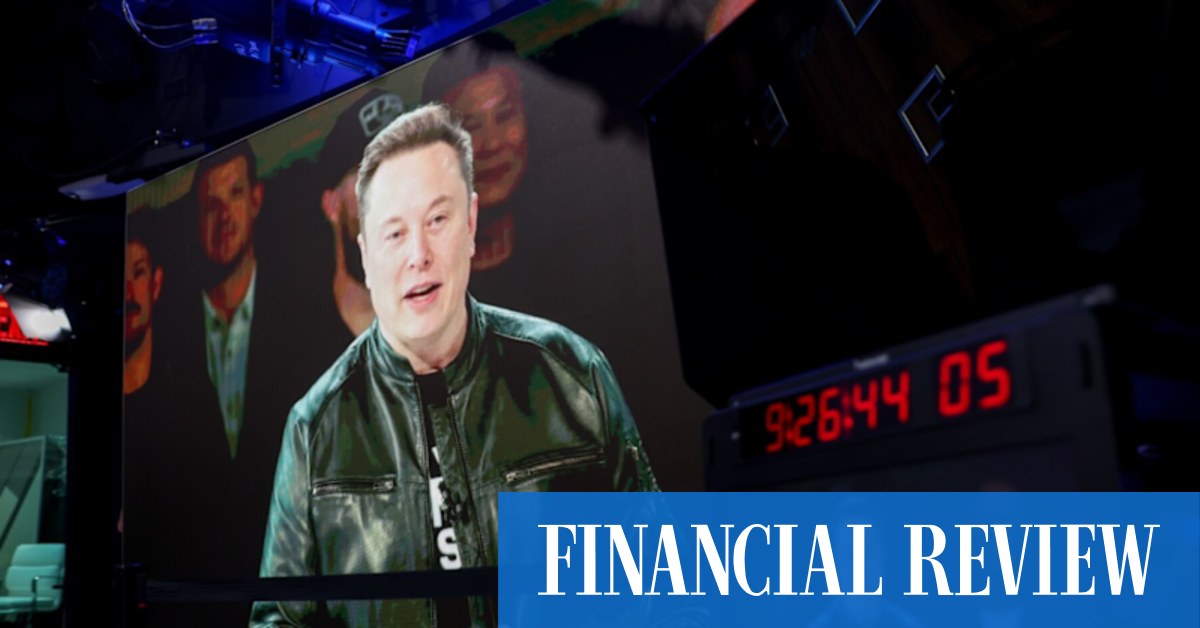
The landmark listing cemented Musk's status as the first trillionaire ever and propelled SpaceX into the ranks of the world's most valuable companies – even though the firm posted a loss of nearly $5 billion last year and generated only a fraction of the revenue brought in by similarly valued tech giants.
The stock's performance will be a test for the so-called "Musk premium," which has been the force behind Tesla's $1 trillion-plus valuation. It will also be closely watched for signals on investor appetite ahead of forthcoming IPOs for AI heavyweights Anthropic and OpenAI.
With SpaceX widely viewed as a dress rehearsal for a new generation of mega-listings, market participants will also be watching how smoothly the debut unfolds. Exchanges and underwriters are under pressure to demonstrate they can handle the listing's extraordinary order volumes and avoid a repeat of the technical failures that marred Meta's 2012 debut.
Shares will likely not trade until the middle of the trading day, as the exchange collects buy and sell orders and underwriters delay trading until supply and demand is balanced. SpaceX priced the IPO at $135 apiece and sold 555.56 million shares.