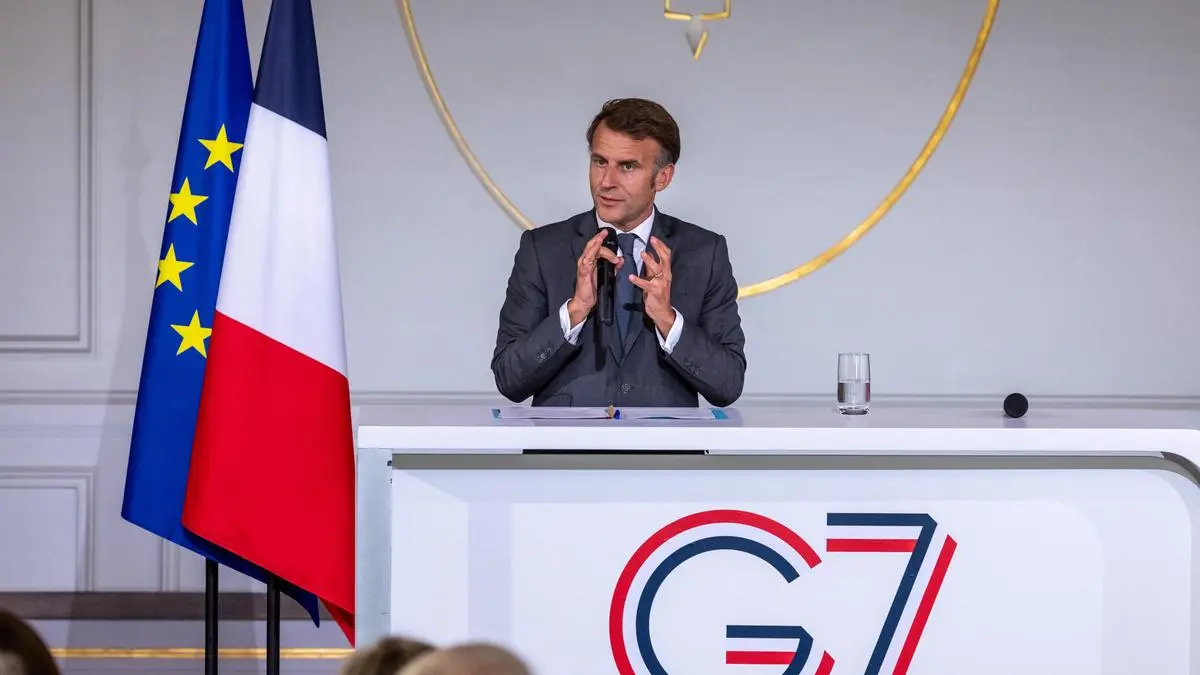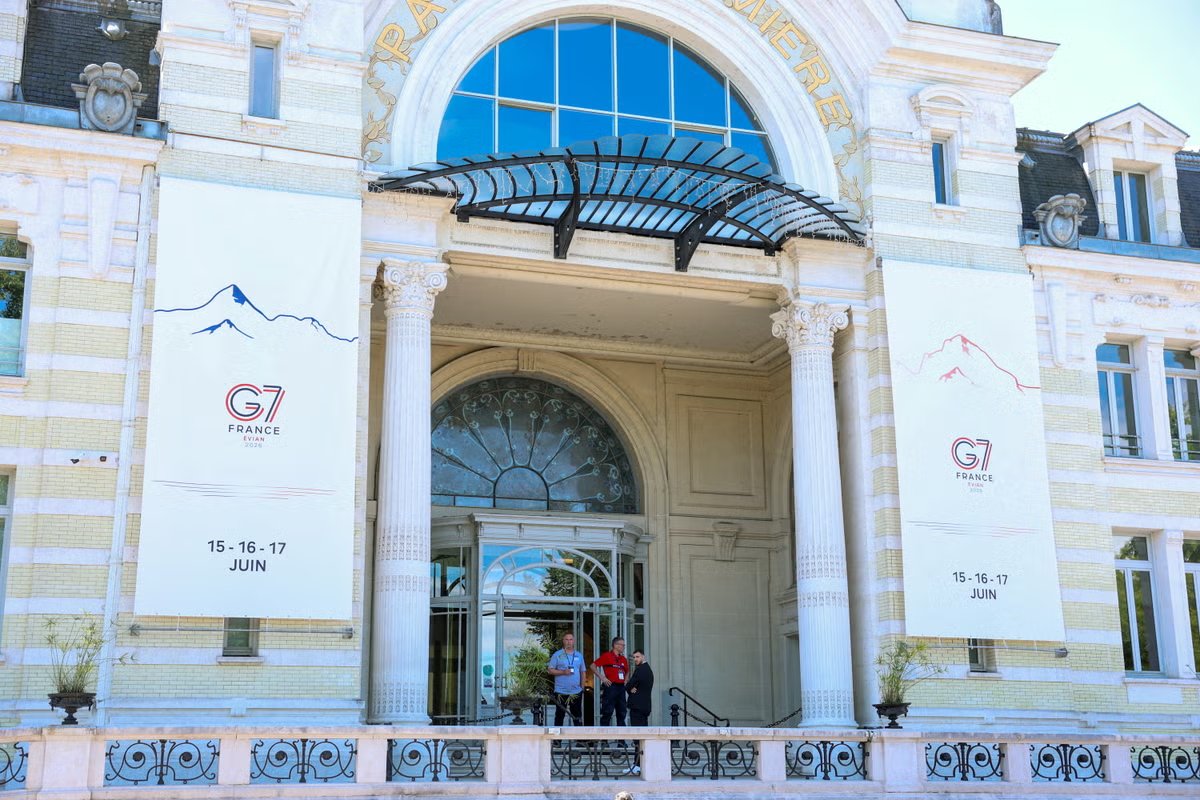
The Group of Seven (G7) is returning to where it began. Leaders from the world’s advanced economies are set to convene in Évian-les-Bains, France, from June 15 to 17, as France hosts the G7 in a year marked by geopolitical fragmentation, economic insecurity, and renewed questions about the role of the forum itself.
The setting is fitting. In 1975, France hosted the first meeting of what was then the Group of Six, created in the aftermath of oil shocks, inflation, and the collapse of the Bretton Woods monetary order. More than fifty years later, many of the same structural anxieties are back in sharper form: energy insecurity, trade tensions, sovereign debt stress, industrial competition, and doubts about whether advanced economies can coordinate in a more divided global economy.
France has framed its presidency around restoring the G7’s original purpose as a forum for dialogue among major economic powers and reducing global imbalances.
Here’s a look inside the numbers that will frame the summit.
Bilateral trade data will never provide a comprehensive picture. But the striking shifts in G7-China imports and exports, over a period of only one year, help explain why the thinking within the G7 is shifting so fast. A consensus is building that what makes Chinese industrial overcapacity harmful is that the surge in Chinese exports is accompanied by a drop in China’s imports. This is visible across all G7 economies apart from Canada’s, which is also the smallest. Europe and Japan have all noticed imports from China increasing substantially and quickly.