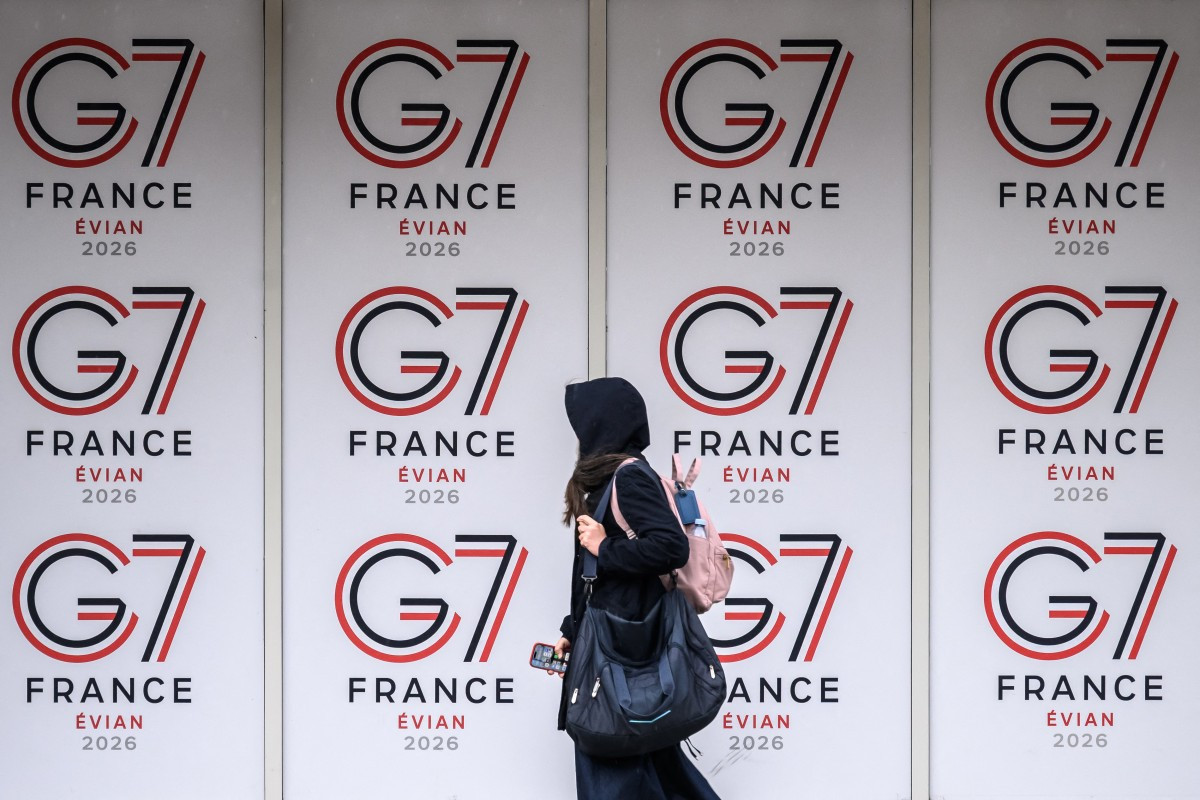
President Donald Trump is heading to the G7 summit in Évian-les-Bains, France, this June with a familiar talking point: the US trade deficit. His plan is to put America’s persistent trade imbalance front and center at one of the world’s most high-profile diplomatic gatherings, linking foreign aid commitments to trade deals in the process.
The move comes roughly 14 months after Trump’s “Liberation Day” tariffs reshaped the global trade landscape, and the consequences of those measures are still reverberating through economies on both sides of the Atlantic.
The tariff hangover is still very real
On April 2, 2025, Executive Order 14257 declared a national emergency over trade imbalances and unleashed a wave of tariffs. UK goods exports to the United States fell approximately 25% following the 2025 tariff measures, leaving British exporters in a subdued environment that has persisted well into 2026.
Competing agendas in the French Alps