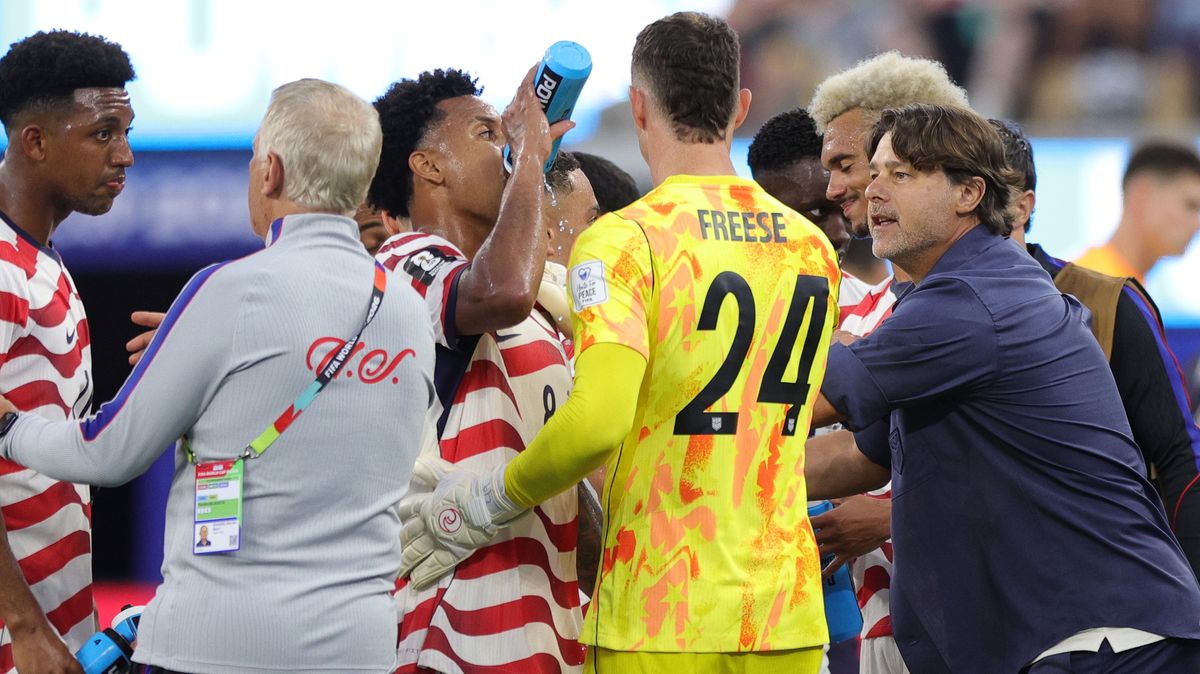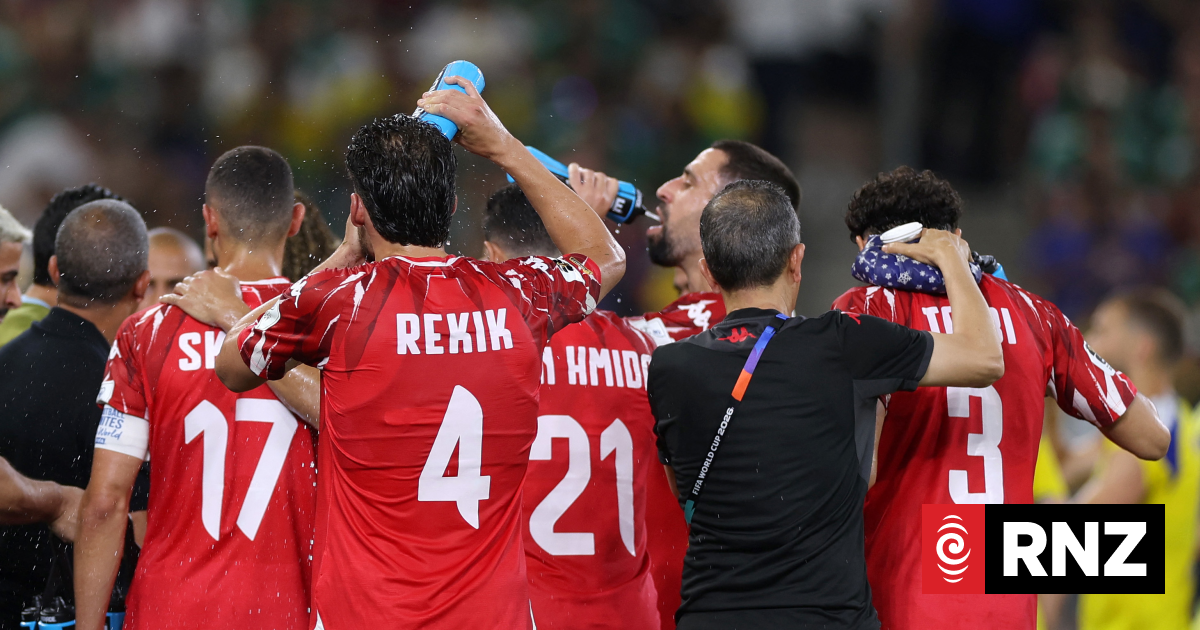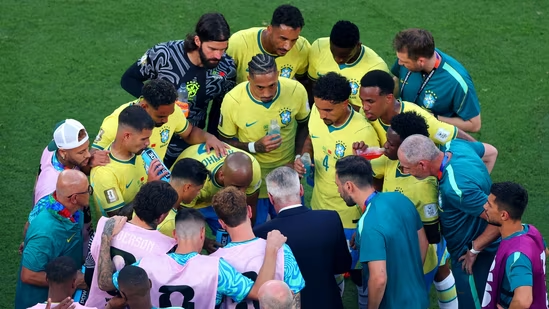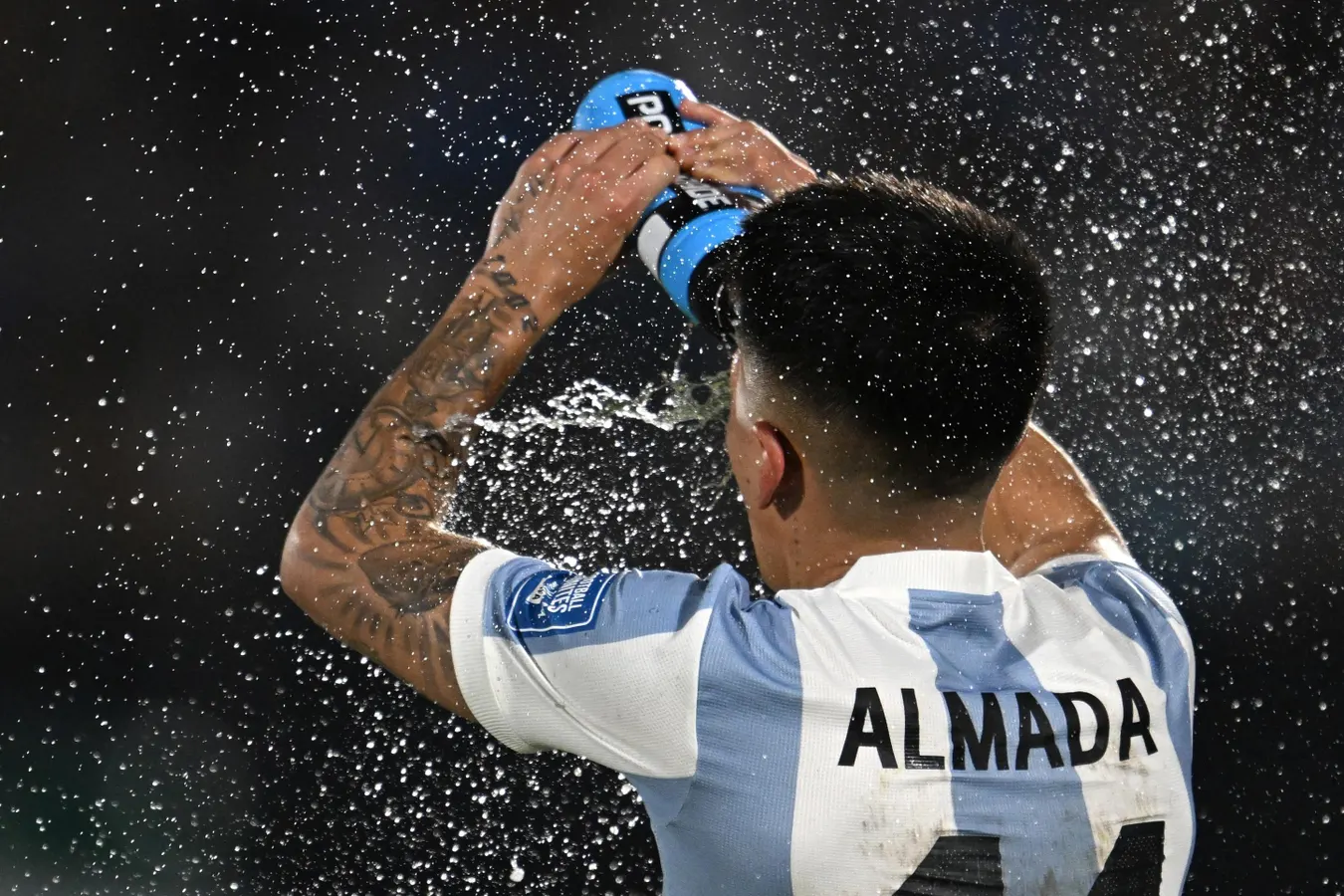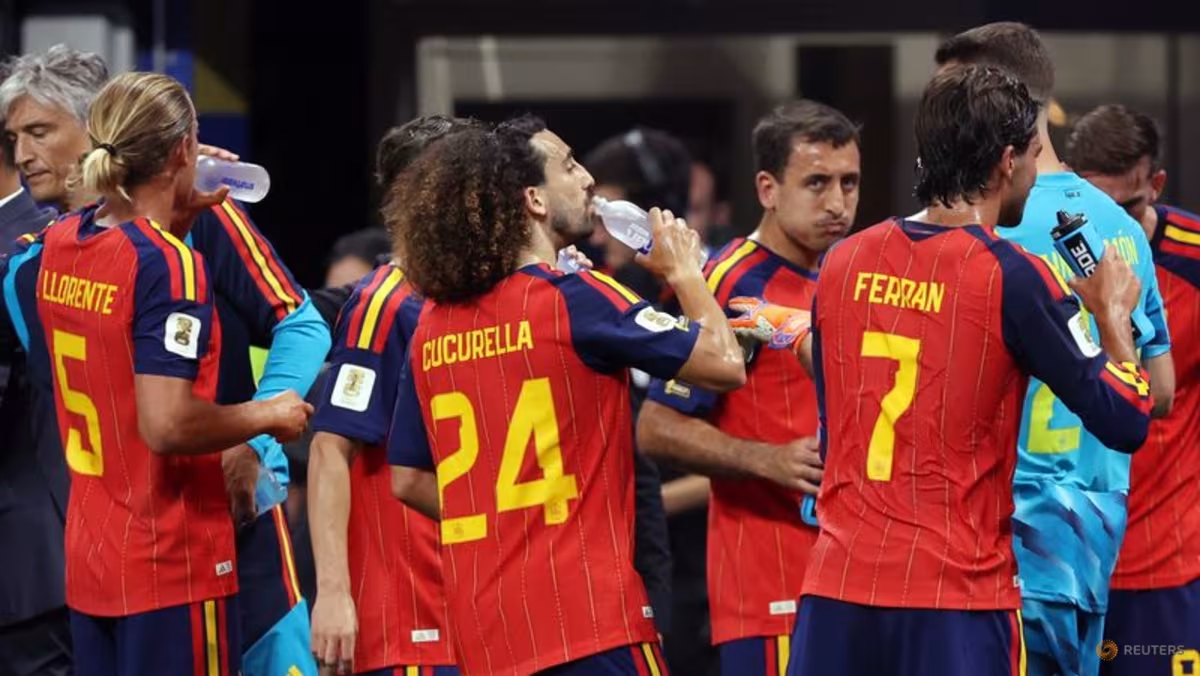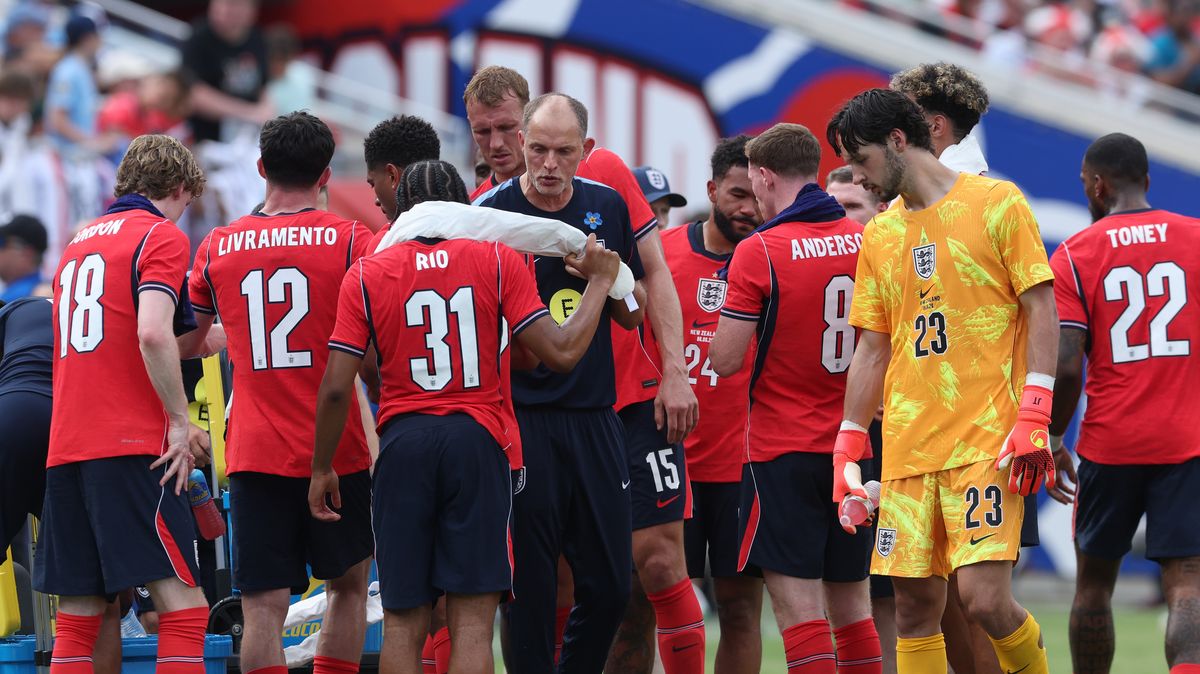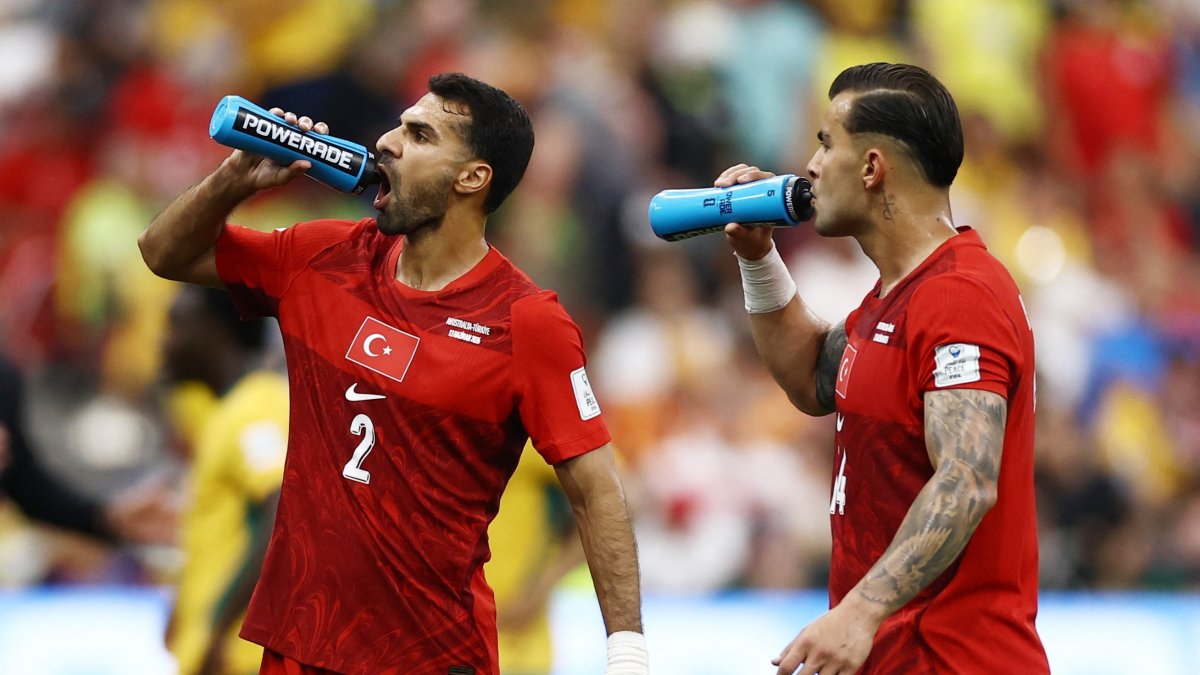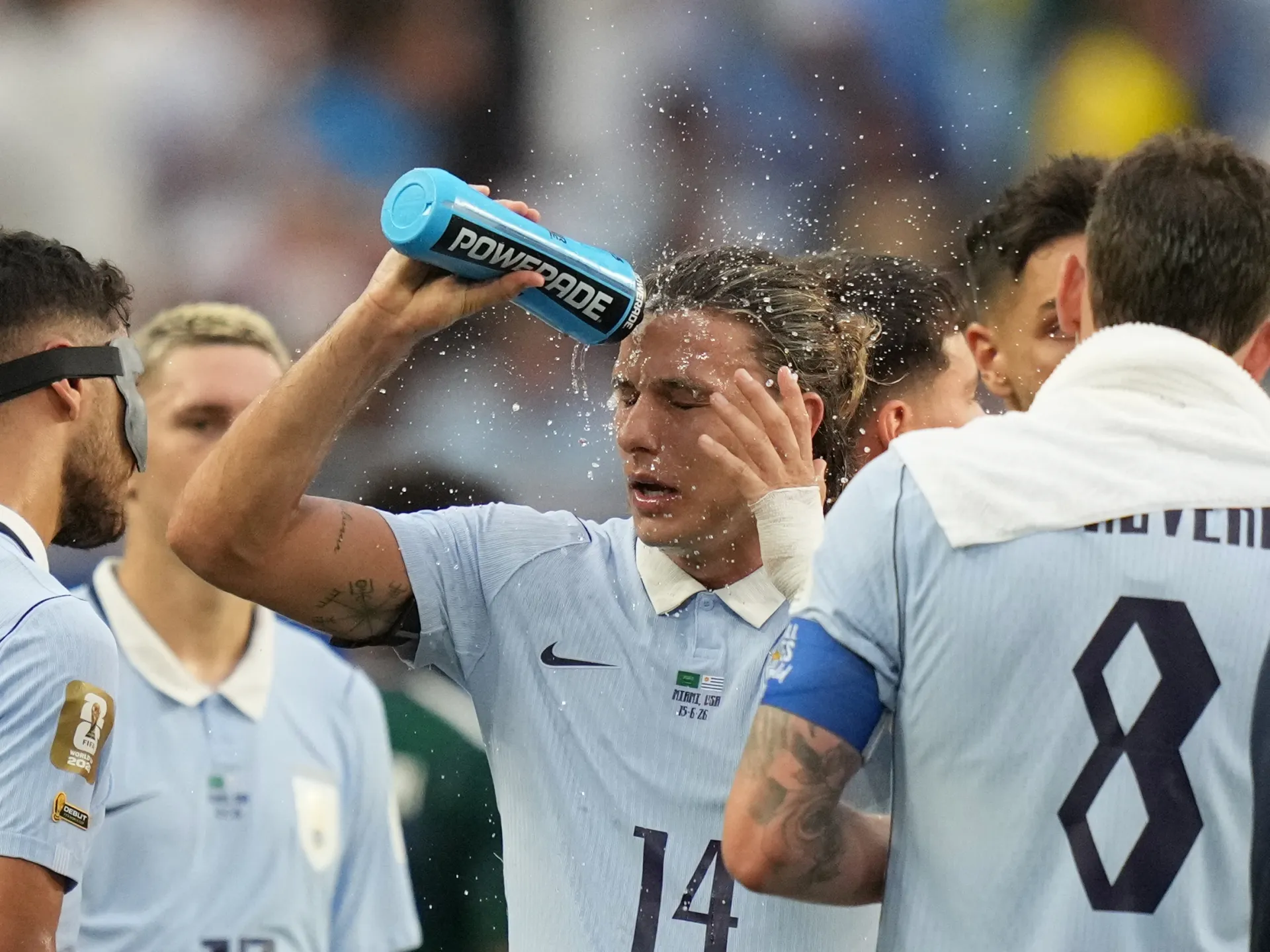
The rules of association football are forever evolving, but their core principles remain the same.The field must be rectangular, players start with 11 players on each team and outfield players aren’t allowed to handle the ball (well, unless the wind is blowing in a westerly direction on an even day of the month in which case accidental handball is a penalty, according to the very straightforward handball rules of 2026).Another key one is that matches comprise two halves lasting 45 minutes each. Or do they?This World Cup has seen the introduction of mandatory hydration breaks midway through the halves of all matches. So what’s that all about? And how has it impacted the opening games? We have some questions.Why are there hydration breaks at the World Cup?FIFA announced the three-minute hydration breaks last December, which seemed a sensible move given the heat and humidity levels expected during the tournament. A surprising element of the move was that they made them mandatory, whatever the weather.The laws of the game dictate that in certain weather conditions, i.e. high humidity and temperatures, ‘cooling breaks’ usually lasting 30 to 90 seconds are allowed to allow, in the words of the International Football Association Board (IFAB) “the body’s temperature to fall”.IFAB states these are different from drinks breaks, which are: “…of no more than one minute, (for) players to rehydrate; these are different from ‘cooling’ breaks.”FIFA said the ‘streamlined and simplified’ version of breaks seen at previous tournaments, including last year’s Club World Cup, would see the referee stop the game 22 minutes into each half to allow rehydration.“There will be no weather or temperature condition in place, with the breaks being called by the referee in all games, to ensure equal conditions for all teams, in all matches,” the announcement added.It was also stated that it was irrelevant whether there was a roof over the stadium or what the temperature was.South Korea’s players during the hydration break (Lars Baron/Getty Images)How might it impact football?We saw the first signs of this in the opening two matches, Mexico versus South Africa and South Korea against the Czech Republic.With breaks coming as soon after the 22-minute mark as possible (i.e. whenever the ball goes out of play or the referee deems it an appropriate time to pause), it throws open the feasibility of the match’s momentum being completely altered.If a team is under severe pressure at around that time, perhaps facing a barrage of shots or corners, for example, a hydration break brings a natural end to that momentum, just like the half-time interval would. The Czech Republic were well on top during the first half against South Korea, but the hydration break abruptly ended that spell of pressure, and when play resumed, there was a lengthy period of pretty sedate play.
World Cup hydration breaks: Why do they exist? How will it impact the game? What about adverts?
Hydration breaks were a new feature on the opening day of the World Cup — but what is the reasoning behind them?
TL;DRAI
FIFA mandated three-minute hydration breaks at the 22-minute mark of each half at the 2026 World Cup to ensure equal conditions regardless of weather or stadium conditions. The stoppages convert matches into a four-quarter format, allowing teams to reset momentum and broadcasters to monetize breaks through commercials, fundamentally altering match dynamics and tactical flow.
1,066 words~5 min read