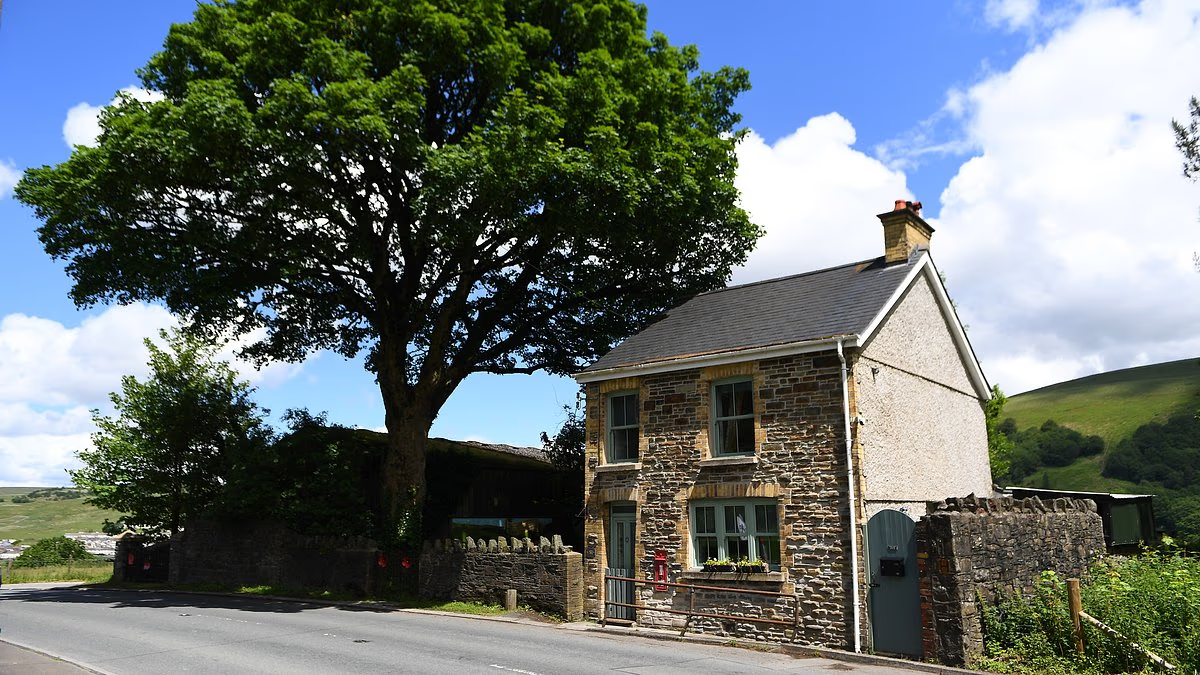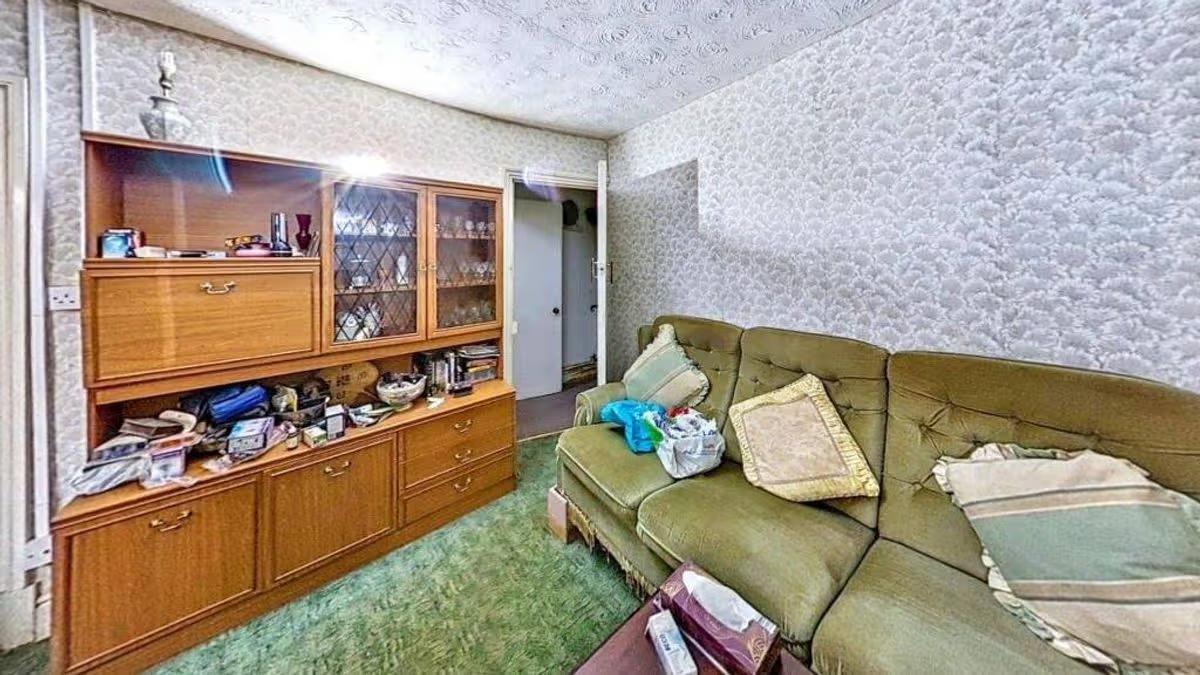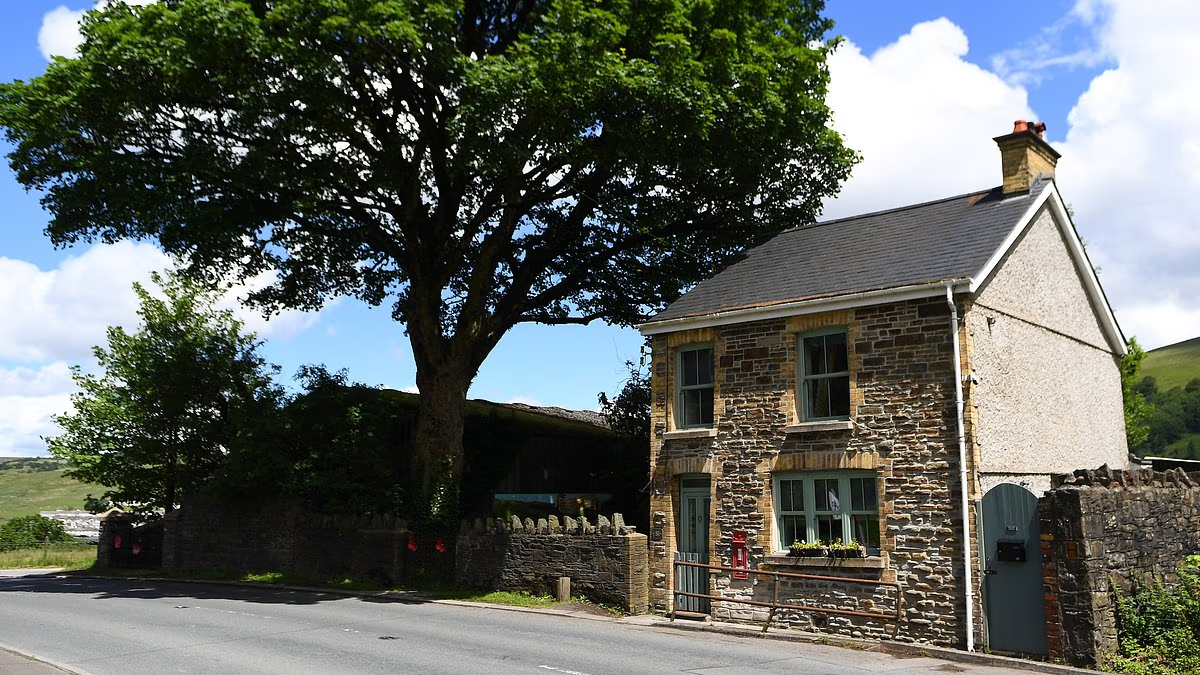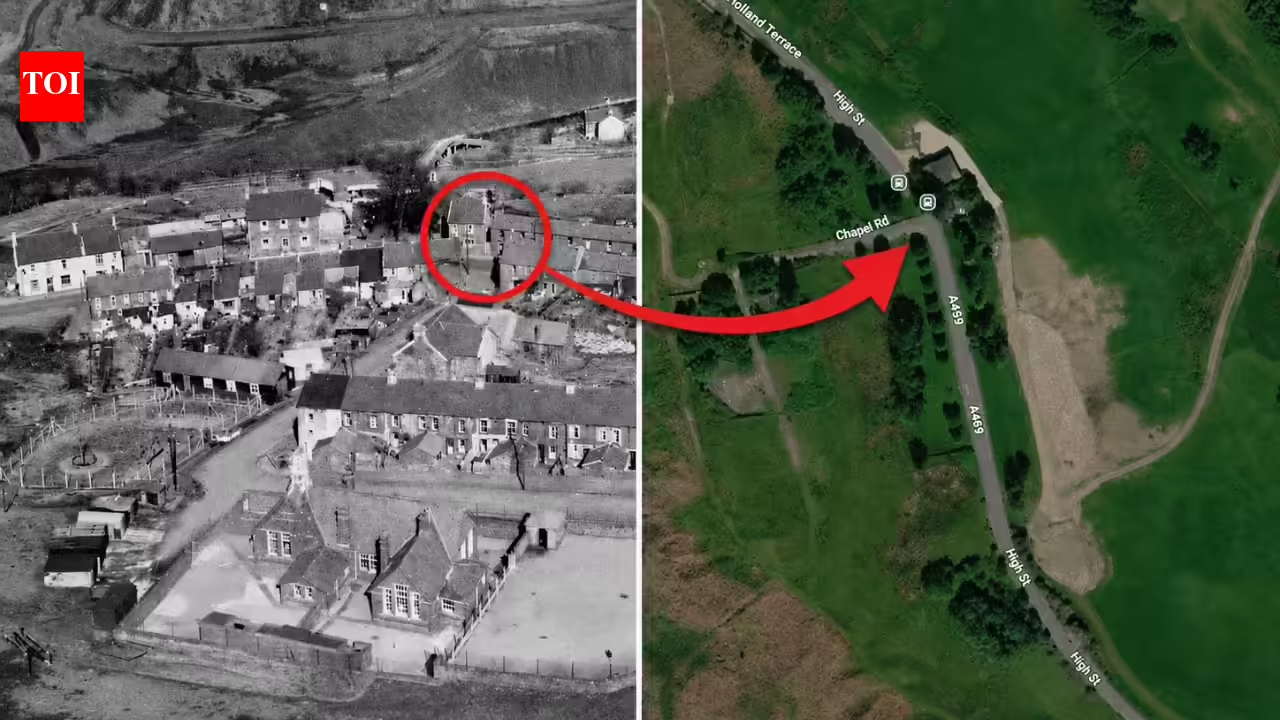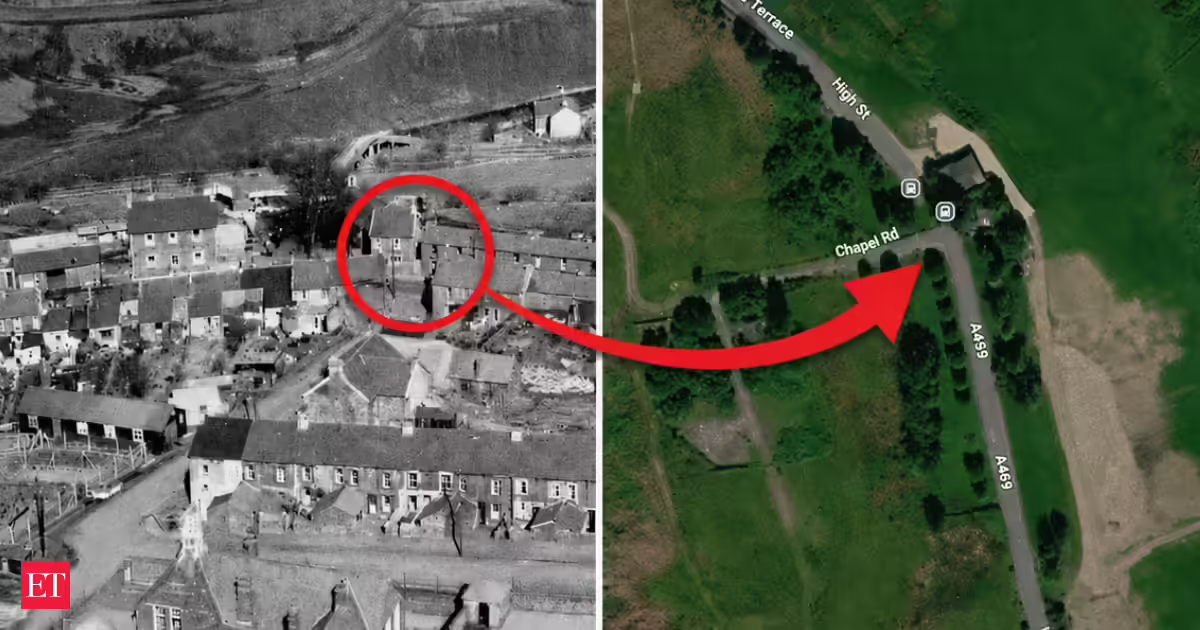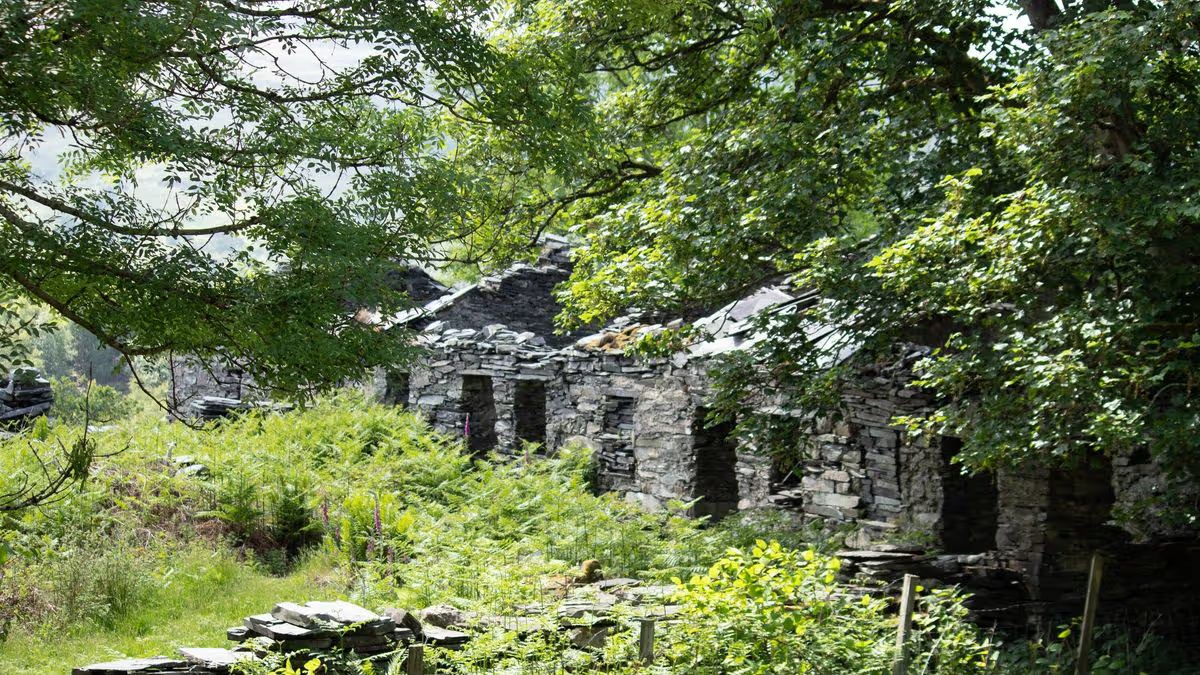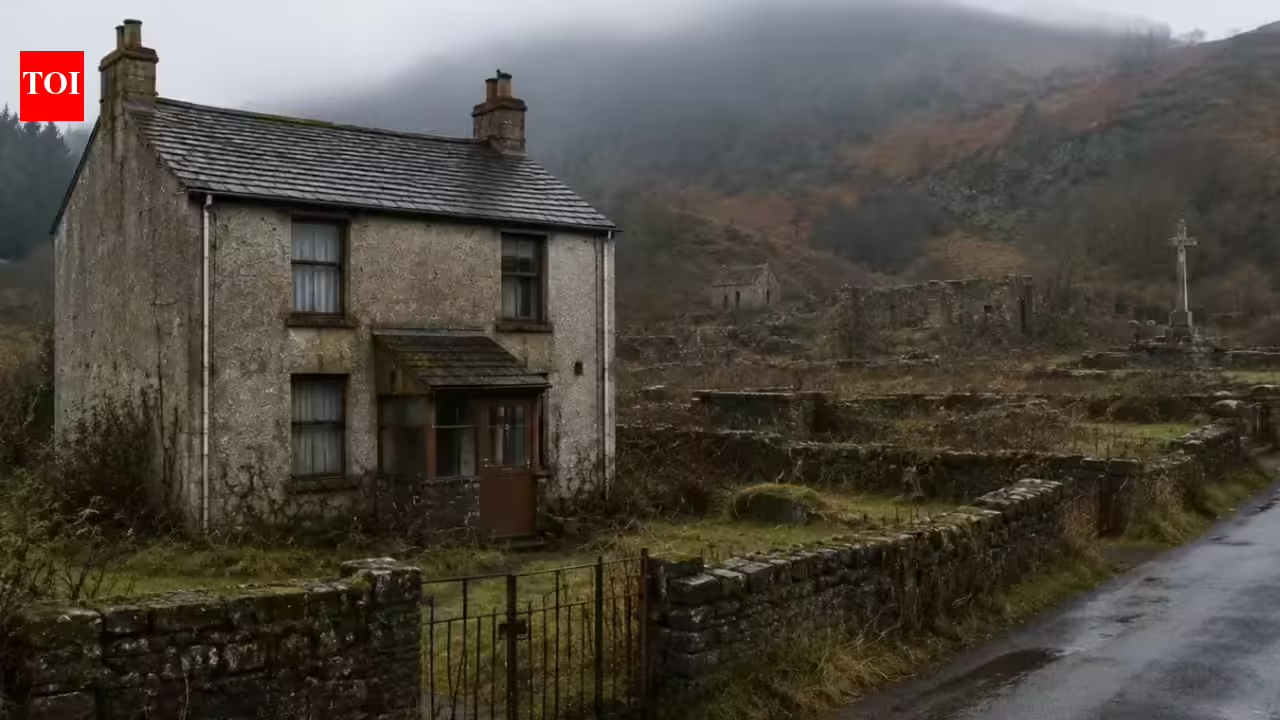
AI image used for representationNearly four decades after hundreds of residents fled a Welsh mining village over fears of a catastrophic landslide, the last remaining house in the abandoned settlement is set to go under the hammer.Number 2 Lawrence Terrace, the sole surviving home in Troedrhiwfuwch in Caerphilly County, Wales, has been listed for auction with a guide price of £35,000. More than 600 residents and their pets left the village in 1985 after authorities warned that unstable ground conditions could trigger a devastating landslip.The mystery behind the village's final homeWhile almost every property in the village was demolished following the evacuation, this modest three-bedroom house somehow escaped the wrecking ball."Why this otherwise ordinary three-bedroom house survived while all the others didn't remains a bit of a mystery," auctioneer Sean Roper of Paul Fosh Auctions said. He added that uncovering the reason could become part of the intrigue for the property's future owner.The house is one of only two structures still standing in the former village, alongside the old post office building and a nearby war memorial.Once a thriving mining communityTroedrhiwfuwch was once a bustling settlement complete with a chapel, church, pub, school, library, post office and local shop. Historical records show the village consisted of 94 homes spread across High Street, Chapel Road and Lawrence Terrace.Concerns about geological instability had lingered for years, with local authorities fearing that movement in the surrounding mountainside could eventually engulf the village without warning. Residents were relocated and most buildings were subsequently razed.Auction dates announcedThe surviving property features two reception rooms, a kitchen and bathroom on the ground floor, along with three bedrooms upstairs. It also includes front and rear gardens and several sheds.Describing the sale as "truly unique", Roper said the house offers a rare connection to a community that has otherwise disappeared from the map. The online auction will begin on June 23 and conclude on June 25.A village with an unusual pastTucked away amid the scenic landscapes of western Wales is a village of around 2,000 residents that appears, at first glance, much like any other rural settlement. But its history sets it apart from almost every other community in the country.The village seen today is not located on its original site. Around a century ago, the entire settlement was relocated a short distance away, creating one of Wales' most unusual historical stories.Ruins of the original village remainTraces of the original settlement can still be found, with abandoned cottages and even a villa standing as reminders of the village's former location. The atmospheric ruins have attracted explorers, with one describing the site as a "Welsh Angkor Wat" because of its haunting appearance and gradual reclamation by nature.A legacy of displacementThe story is part of a broader and often controversial chapter in Welsh history. The relocation and flooding of communities to create reservoirs supplying water to England's growing cities remains a deeply emotional issue for many in Wales.Perhaps the most famous example is the village of Capel Celyn, whose residents were forced to leave before the settlement was submerged to create a reservoir serving Liverpool.Today, the relocated village and the remains of its original site offer a striking glimpse into a forgotten past, standing as a reminder of the communities reshaped by major infrastructure projects and changing national priorities.
Inside UK's 'ghost village': Last remaining house in listed for sale 40 years after mass exodus
Nearly four decades after hundreds of residents fled a Welsh mining village over fears of a catastrophic landslide, the last remaining house in the abandoned settlement is set to go under the hammer.
548 words~2 min read