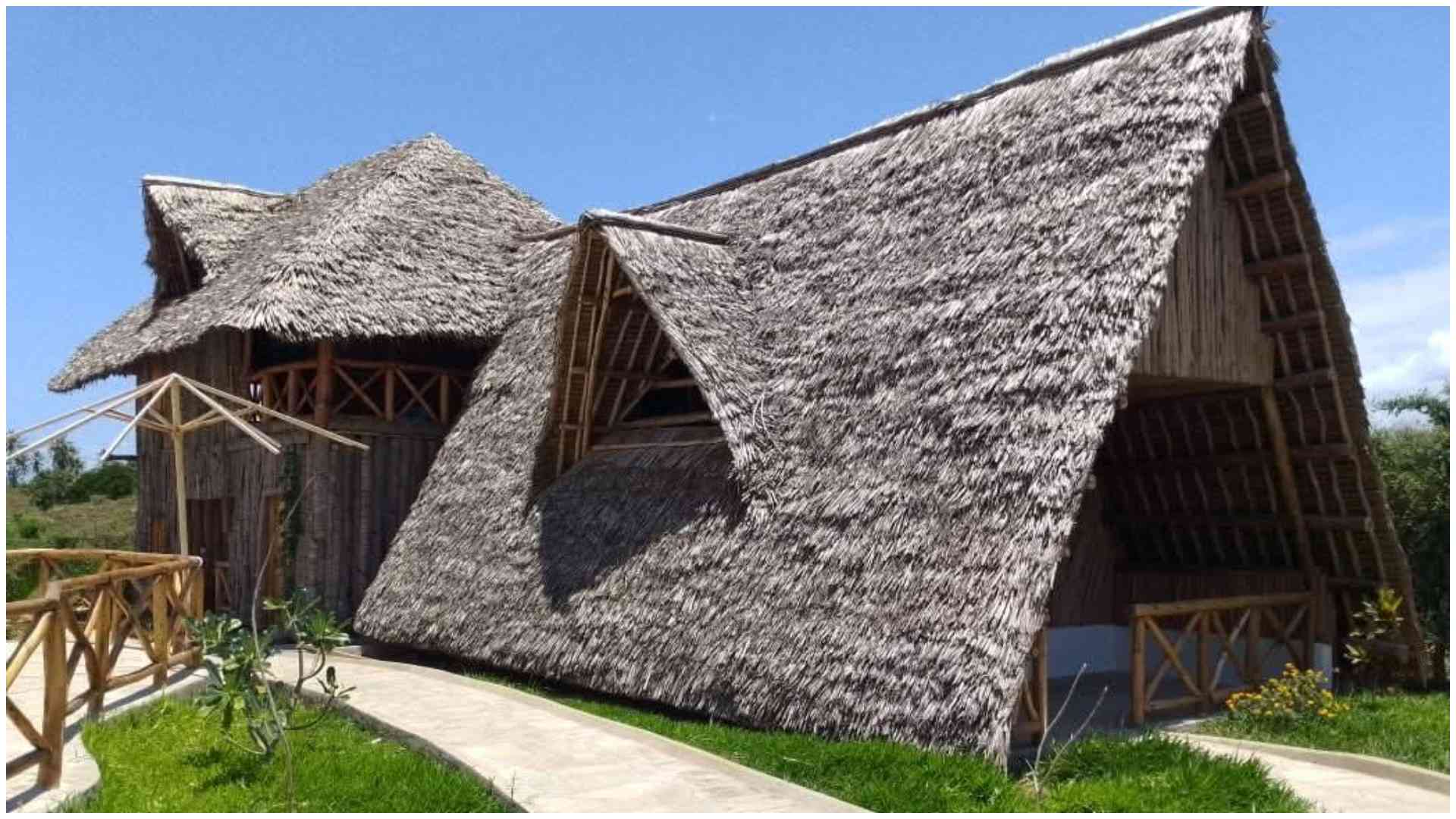
For decades, makuti roofing has dominated the coastal housing infrastructure as developers struck a delicate balance between maintaining coastal aesthetic heritage and fire risks.
And true to the fears, most hoteliers have incurred huge losses after their makuti thatched establishments were burnt to ashes. Other developers say the cost of insuring the makuti roofed property has also gone up.
However, Dr Sam Ikwaye, executive officer of the Kenya Association of Hotelkeepers and Caterers (KAHC) Coast branch, advocates for makuti, adding that it supports the local economy, empowers local palm tree farmers and preserves the local cultural and aesthetic appeal that draws much of the international tourism to the magical Kenyan coast.
“However, there is the fire hazard dilemma,” Dr Ikwaye points out.
Dr Ikwaye adds that while makuti roofing provides natural aeration and a tropical aesthetic, it is highly flammable and has been the primary culprit in major property losses at the coast. He states that there have been calls to modernise makuti thatch.