Audio By Vocalize
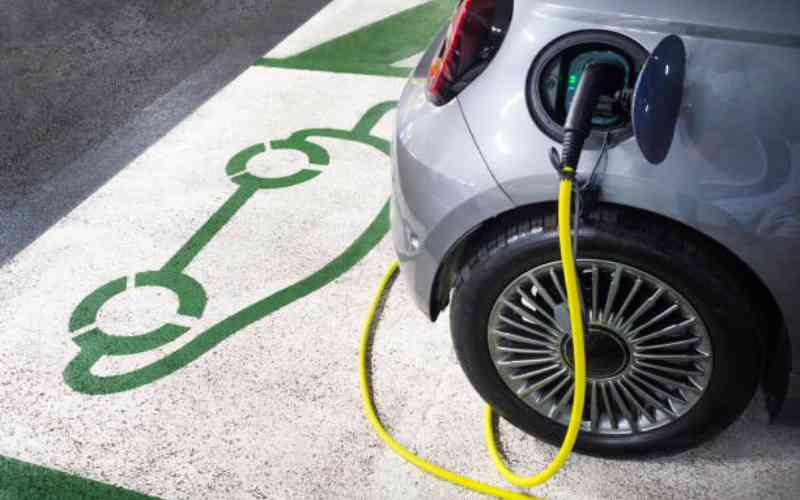
Electric car at a charging point. [iStockphoto]
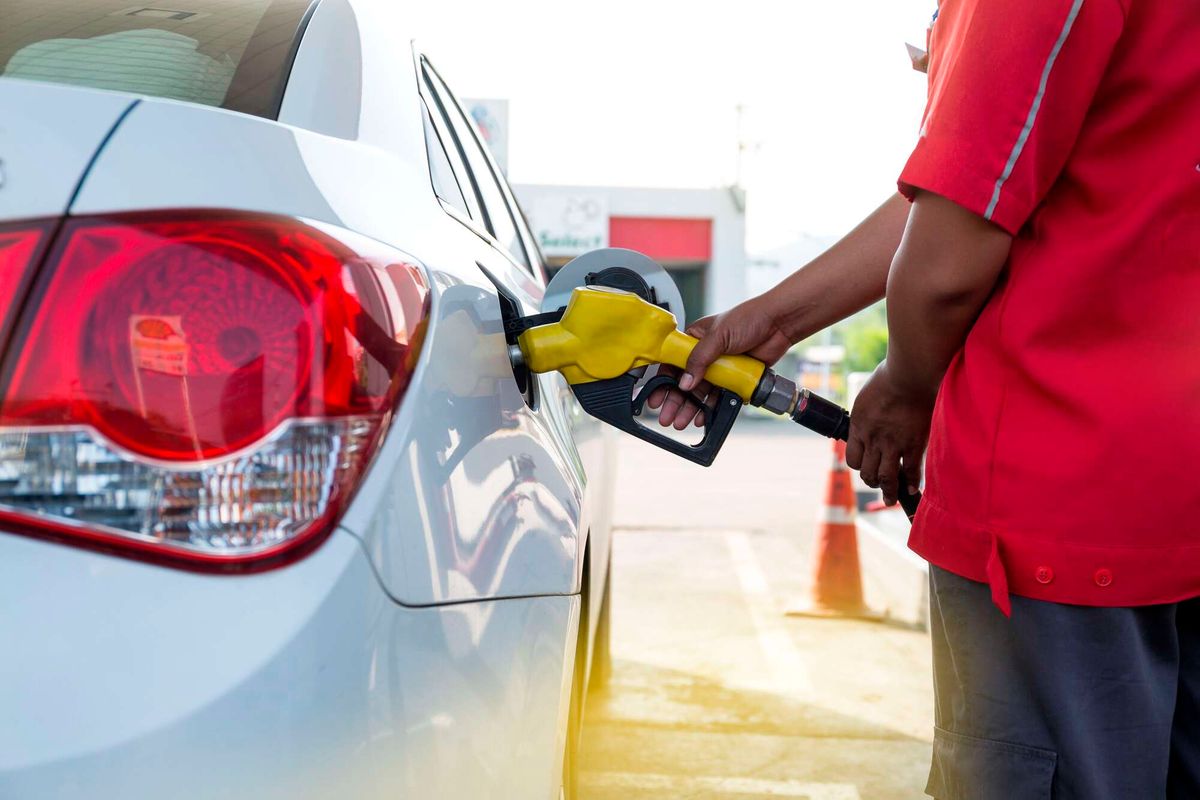
The sting at the pump has become all too familiar for Kenyans. Since the beginning of 2026, fuel prices have fluctuated significantly. Petrol prices have ranged from Sh178.28 to Sh214.25 per litre, while diesel prices have ranged from Sh166.54 to Sh242.92 per litre. For millions of people, this is more than a price adjustment; it is a daily economic shock that ripples through transport fares, food prices, and the cost of doing business.
But amid the frustration lies a deeper question: How long will Kenya remain so vulnerable to volatile global fossil fuel markets?
Until now, Kenya has relied heavily on imported fossil fuels. Fuel imports consume almost 5 per cent of GDP. In some African countries, the rate is even higher. This exposes the economy to external shocks beyond its control.