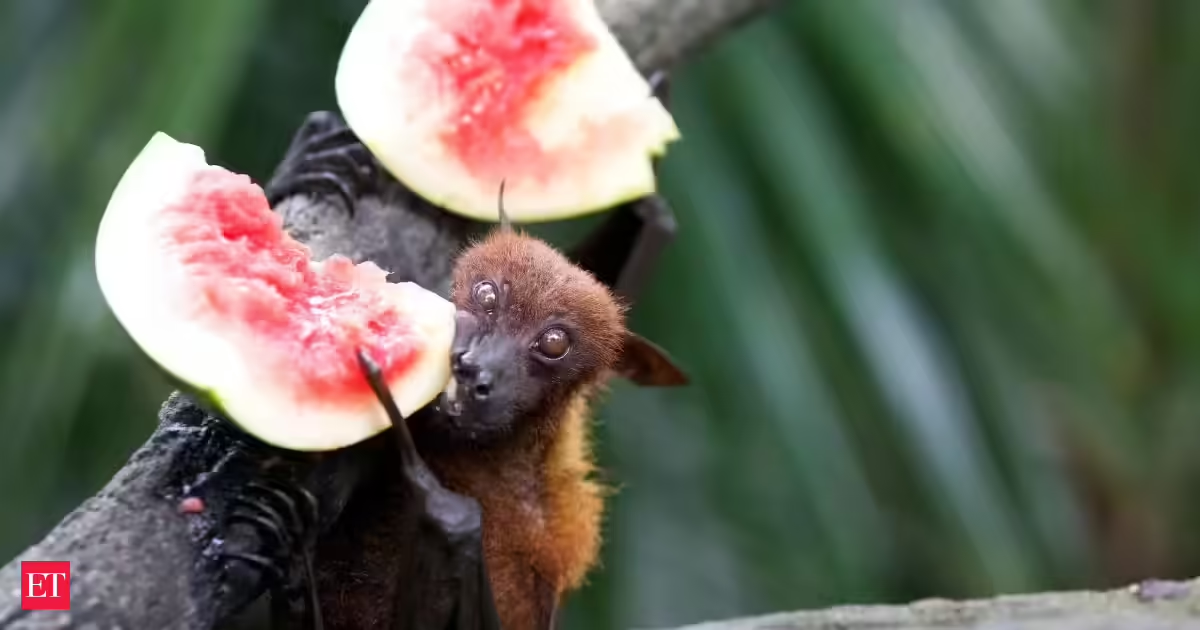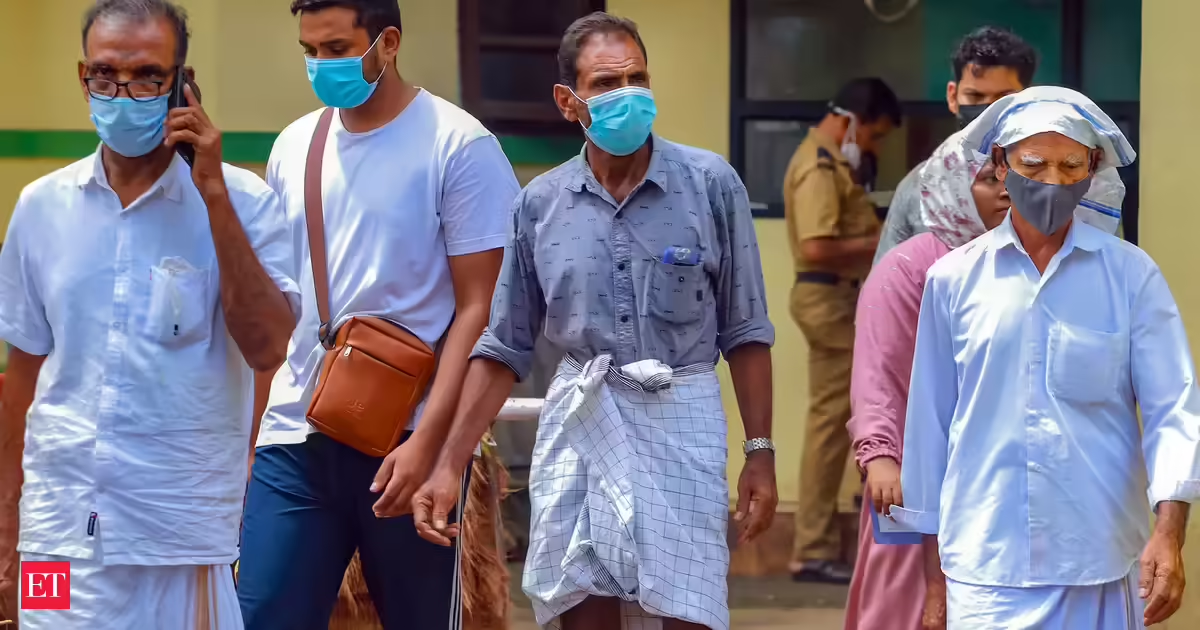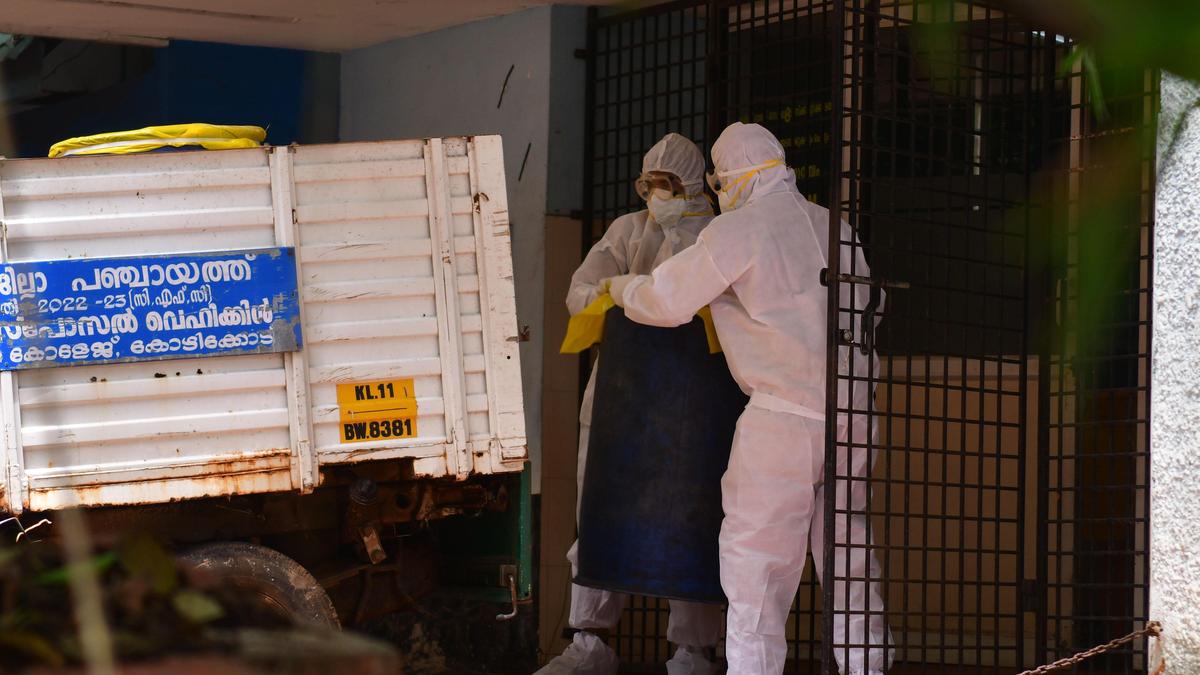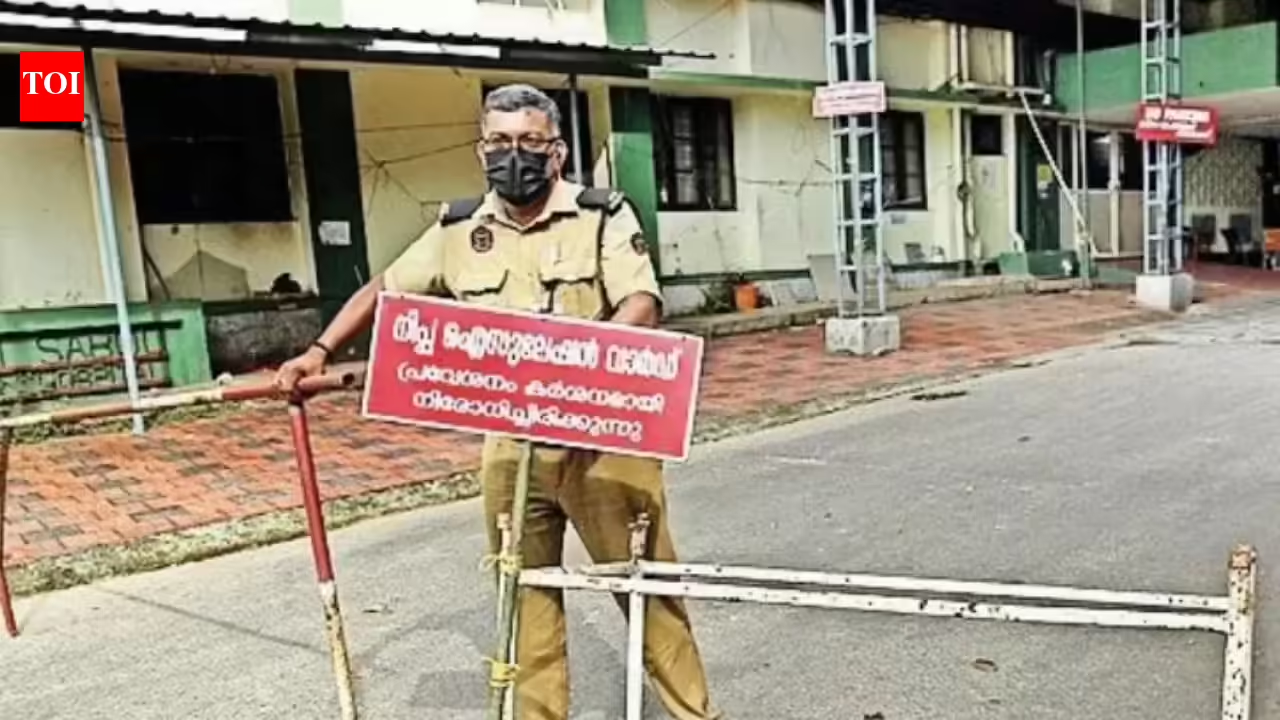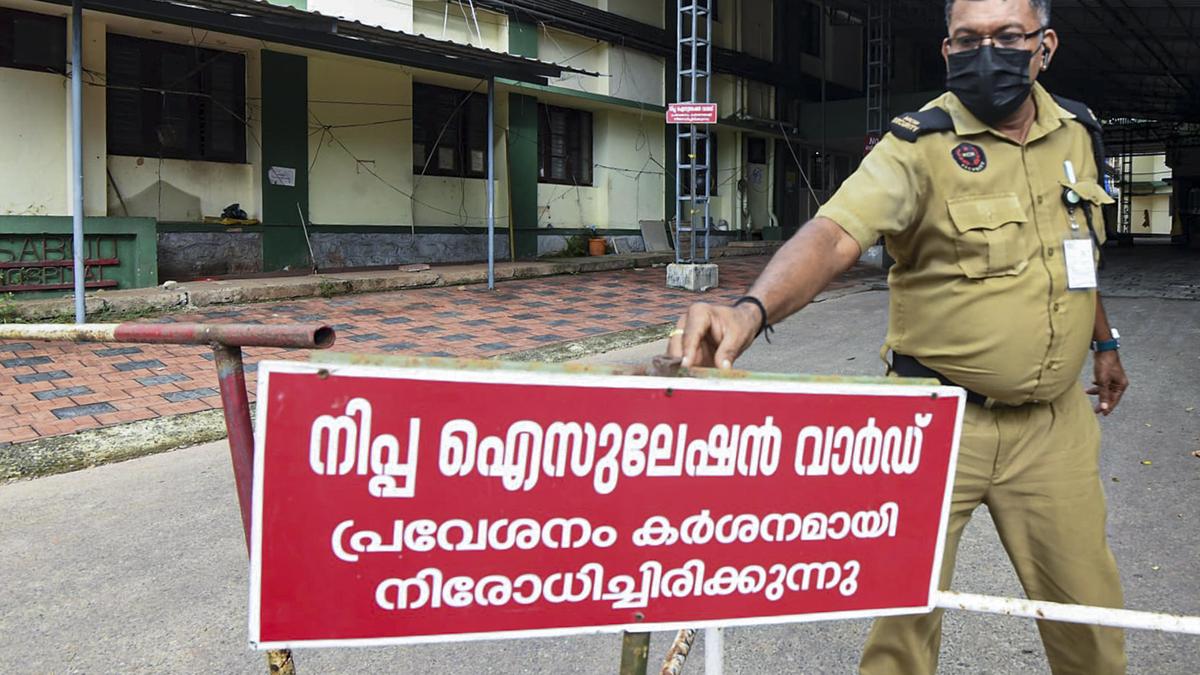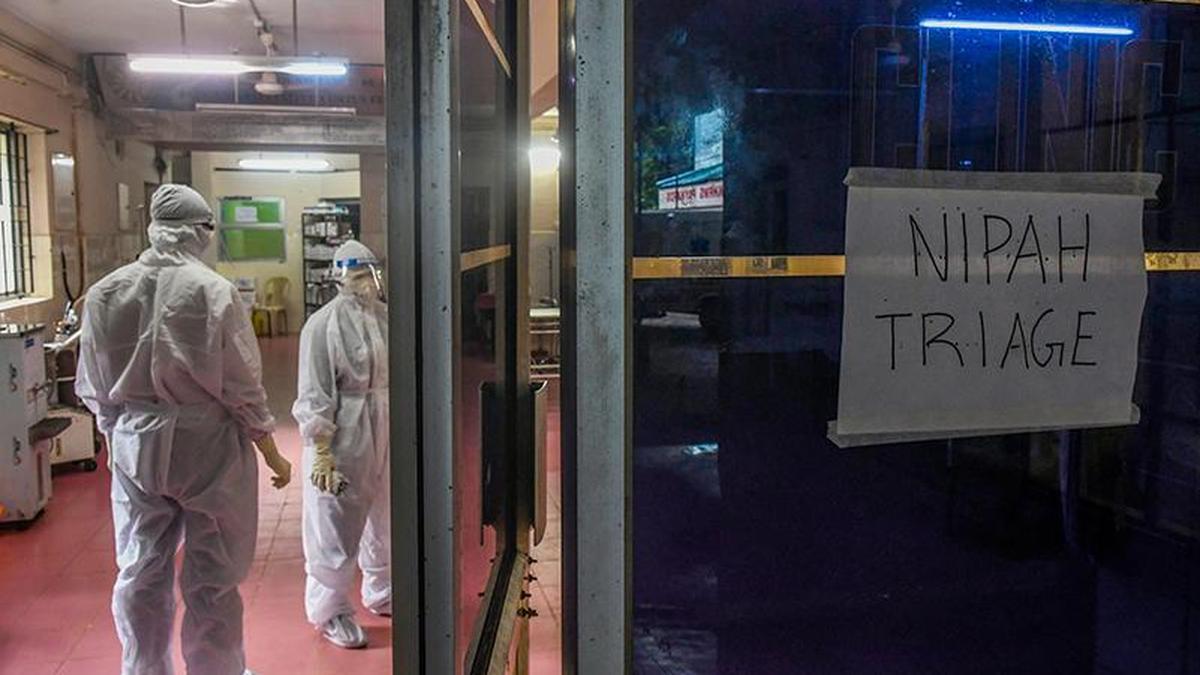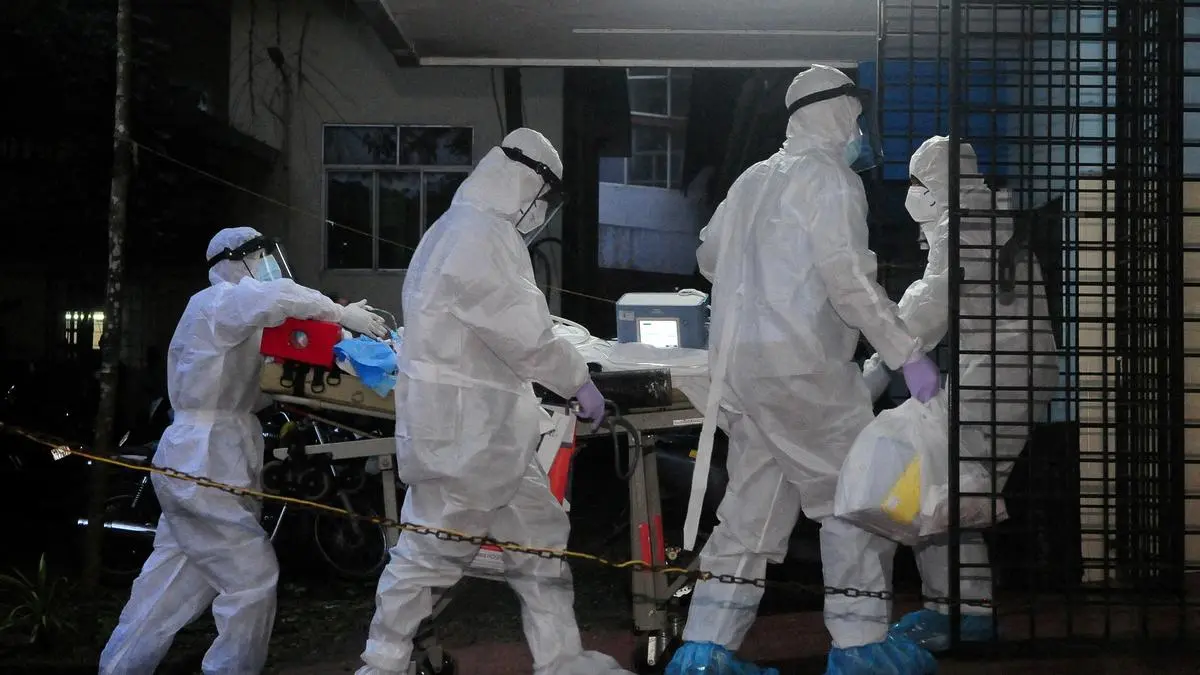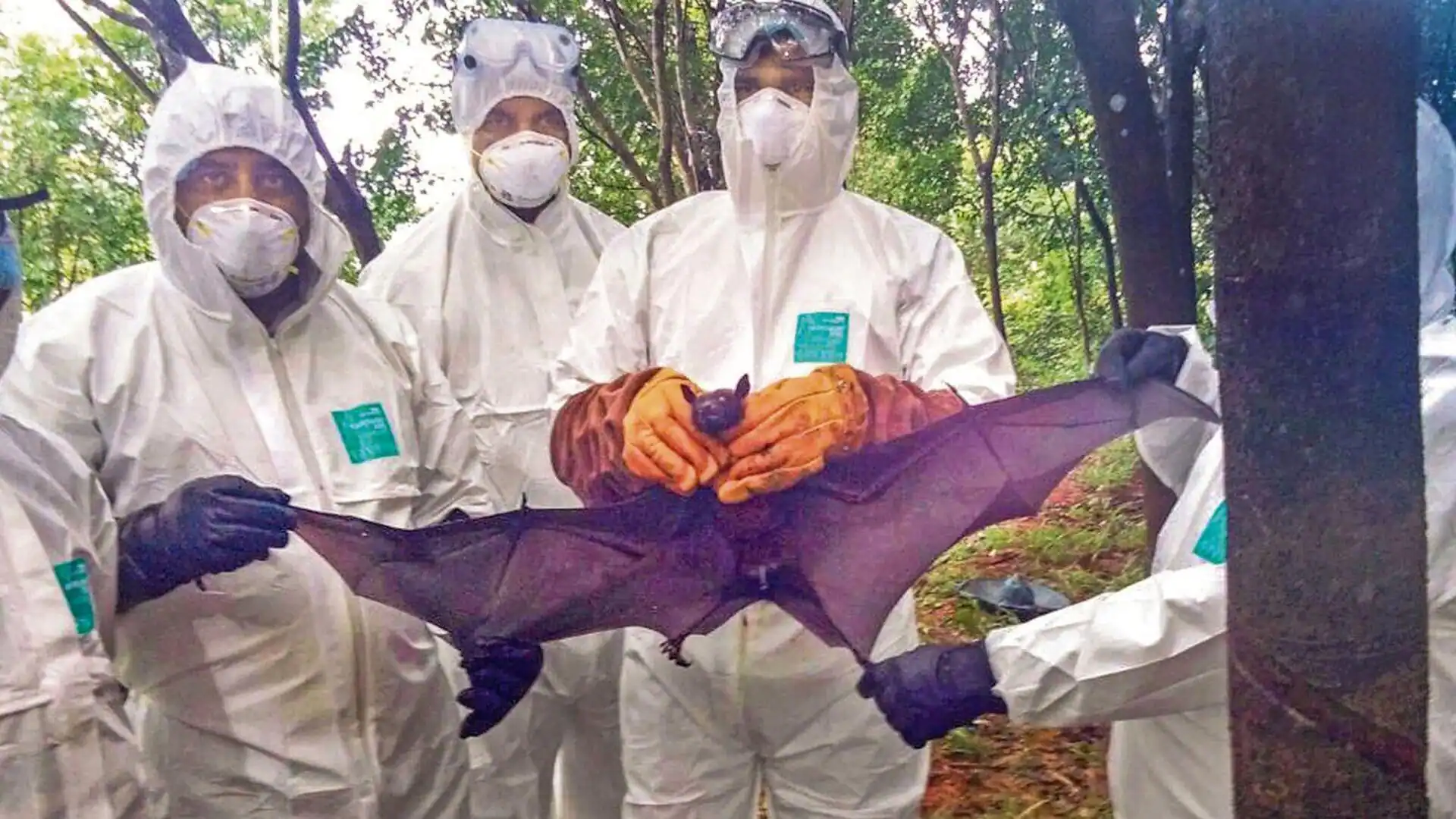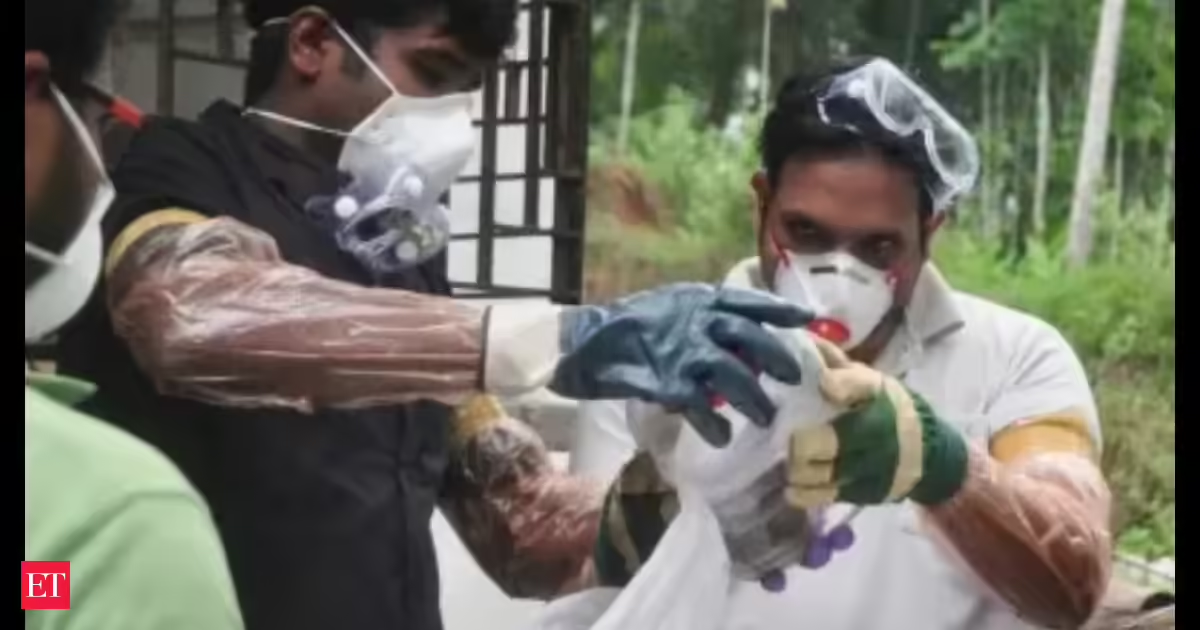
Kozhikode (Kerala): The district administration on Friday released the route map of a 43-year-old man infected with the Nipah virus and admitted to the Government Medical College Hospital here, officials said.The Ramanattukara native is currently on ventilator support. The district administration has taken preventive measures, including quarantining people who came into contact with him.According to the route map, the patient remained at home on May 30 and June 1.On June 2, he visited a private hospital in Feroke, where he stayed in the OP waiting area, visited the laboratory and day-care ward, and returned home by car at 12.50 pm.On June 3, 4, 5, and 6, he visited a post office near Feroke College by car and returned home.Also Read: Kerala reports fresh Nipah Virus case: Check symptoms, ways to prevent and other key detailsHe again visited the private hospital on June 7, travelling by autorickshaw. He was first admitted to the casualty department and later shifted to a private room.On June 8, he was discharged from the Feroke hospital and shifted to a private healthcare facility in Kozhikode.He was admitted to a ward there, underwent several tests, and was shifted to an isolation ward at 4.30 pm on June 9.On June 10, after preliminary tests indicated a Nipah infection, he was shifted to Kozhikode Government Medical College Hospital at 11.30 pm.The district administration has so far identified 77 persons on the contact list. Of these, 58 are healthcare workers, 14 are family members, and five are friends and colleagues.Among the 77 contacts, two have been classified in the highest-risk category, 13 in the high-risk category, and 62 in the low-risk category. All those in the highest-risk and high-risk categories have been placed under quarantine, a statement said.A document on the Kerala Directorate of Health Services website states that the Nipah virus is a zoonotic virus capable of transmission between animals and humans.Fruit bats, also known as flying foxes, are its natural reservoir. The virus can also cause illness in pigs.Nipah virus infection is associated with encephalitis (swelling of the brain) and can cause mild to severe illness and even death. Outbreaks occur almost annually in parts of Asia, primarily Bangladesh and India, the document said.The document states that Nipah virus infection can be prevented by avoiding contact with sick pigs and bats and by not consuming raw date palm sap, which may be contaminated.Standard infection-control practices can help prevent transmission in hospitals during outbreaks, it added.The Animal Husbandry Department has set up a district-level control room in Kozhikode following the confirmation of the Nipah case to prevent animal-to-human transmission and coordinate surveillance and preventive measures.The control room has been established at the Animal Disease Control Project Office under the District Animal Husbandry Office on Bank Road, Kozhikode, officials said.Authorities have intensified surveillance in Ramanattukara municipality, where the infection was reported, and in nearby areas.Special monitoring and field-level inspections have been launched, focusing on locations with bat populations, domestic animals, and pig farms.Members of the public can report disease symptoms in animals, unusual animal deaths, or the presence of bats by calling the control room at 0495-2762050.The department has issued precautionary guidelines, advising people not to consume wild fruits or fruits that have fallen on the ground if there is a possibility they have been bitten by bats or contaminated by bat saliva or droppings.Also Read: Nipah virus infection reported in Kerala's Kozhikode, 77 contacts identifiedIf bats are found near wells, the wells should be covered with nets or the water used only after proper chlorination, officials said.Unusual symptoms or deaths among domestic animals should be reported immediately to the control room or the nearest veterinary hospital.The department has advised against attempting to treat animals without professional assistance.People who come into direct contact with animals in affected areas have been asked to follow safety protocols, including wearing gloves and masks.The District Animal Husbandry Officer urged the public not to spread misinformation and to follow official advisories.
Kerala: Nipah patient's route map released; animal husbandry dept sets up control room
Kozhikode district administration has released the route map of a 43-year-old man infected with the Nipah virus. He is currently on ventilator support. Preventive measures are in place, including quarantining individuals who came into contact with him. Authorities have intensified surveillance and set up a control room to prevent animal-to-human transmission.
656 words~3 min read