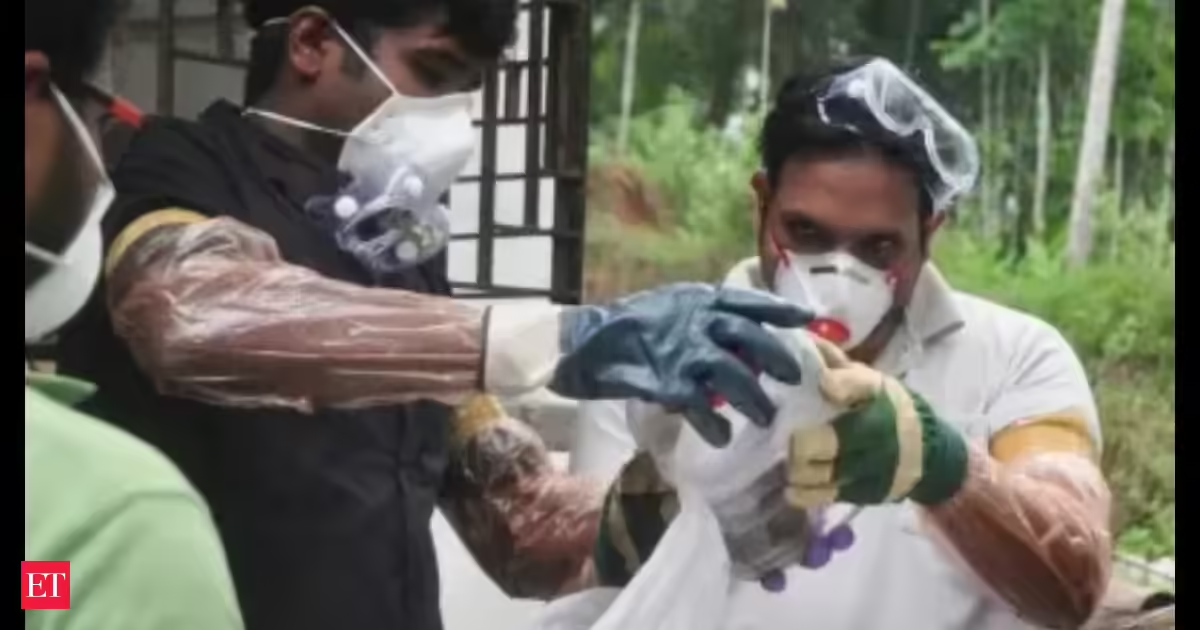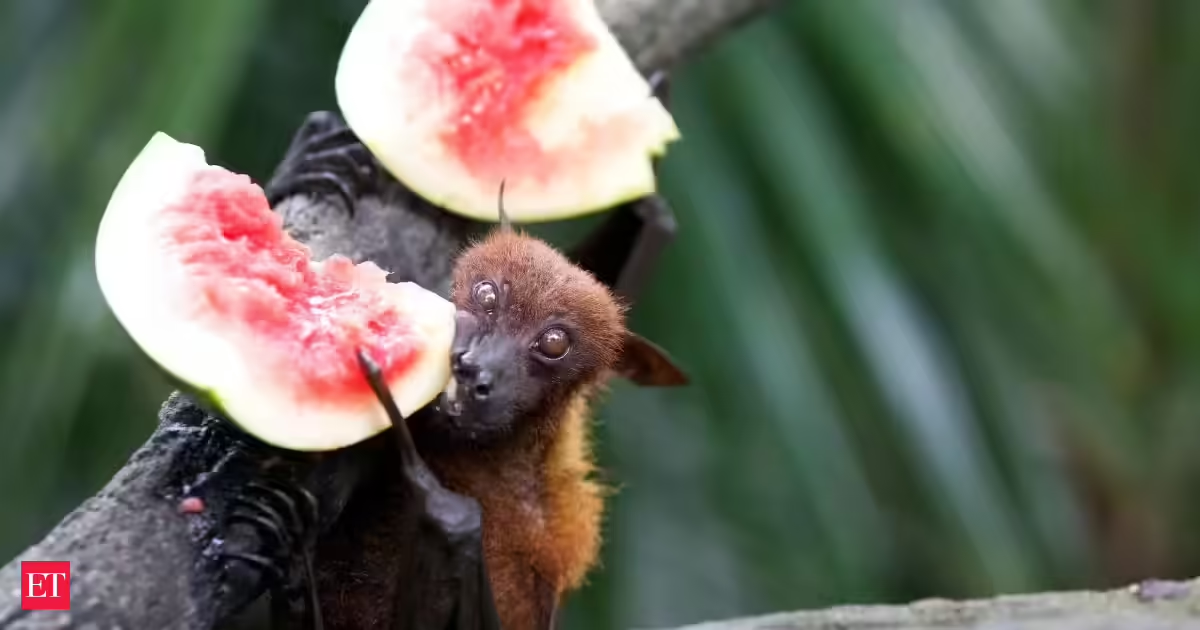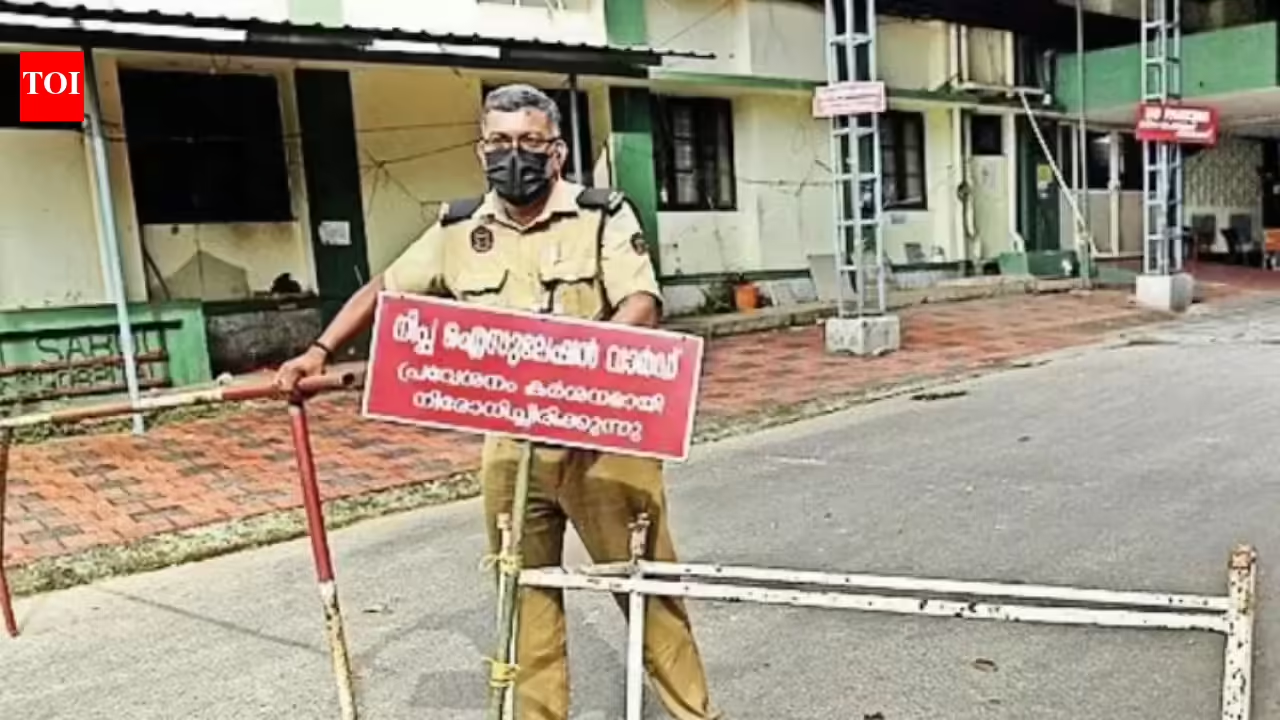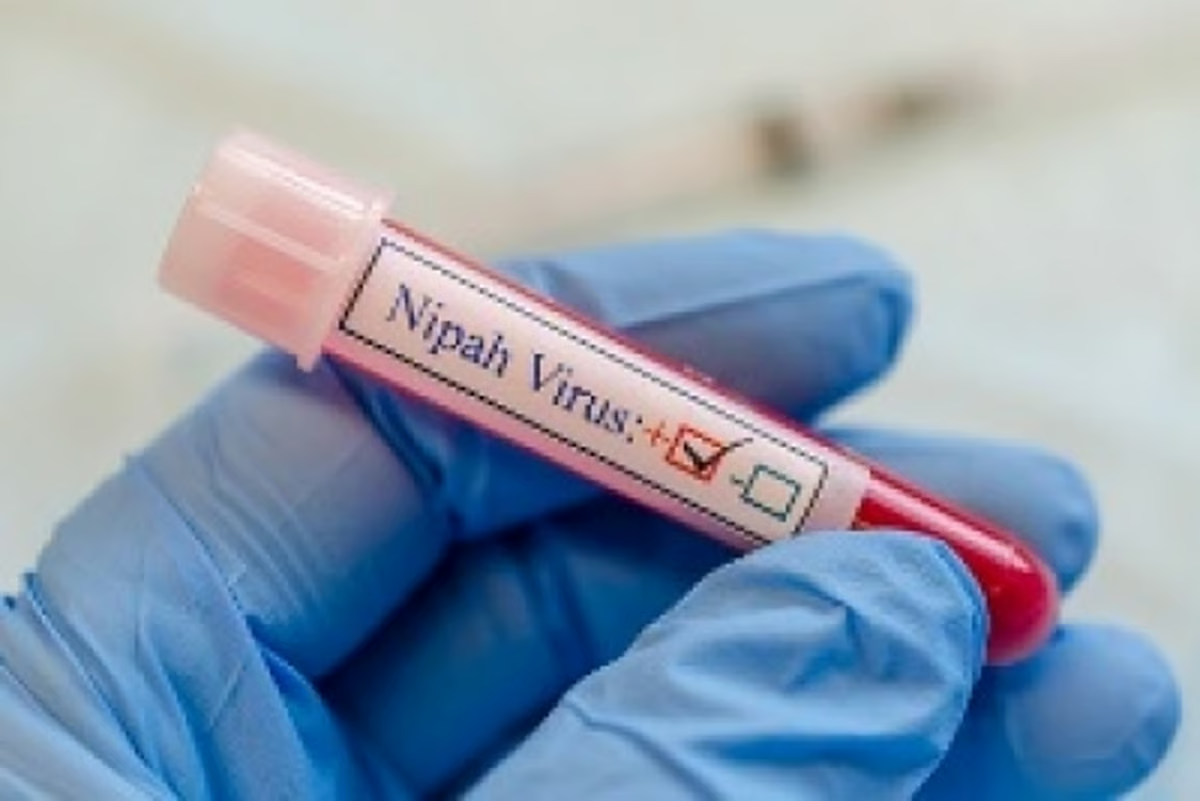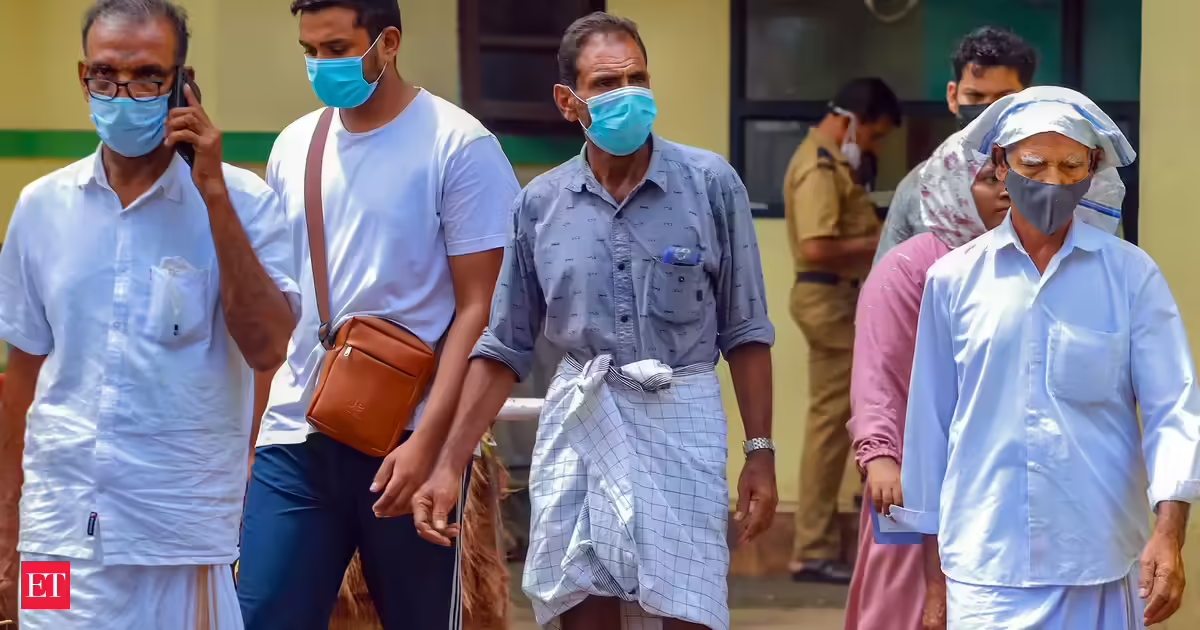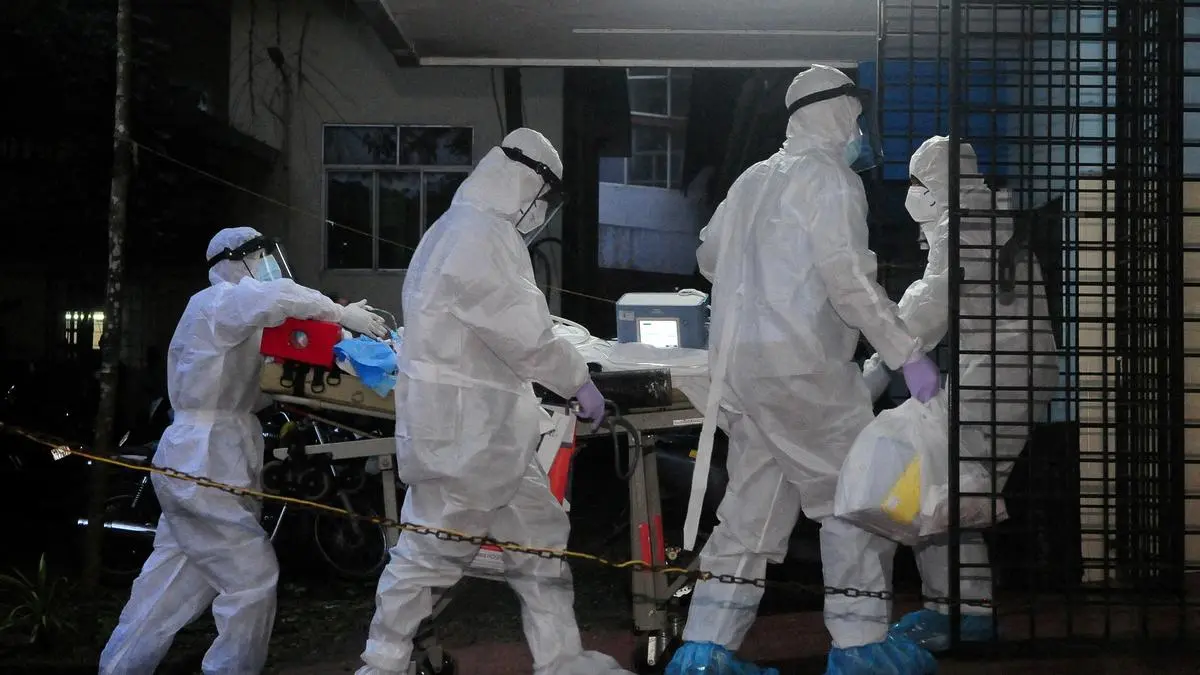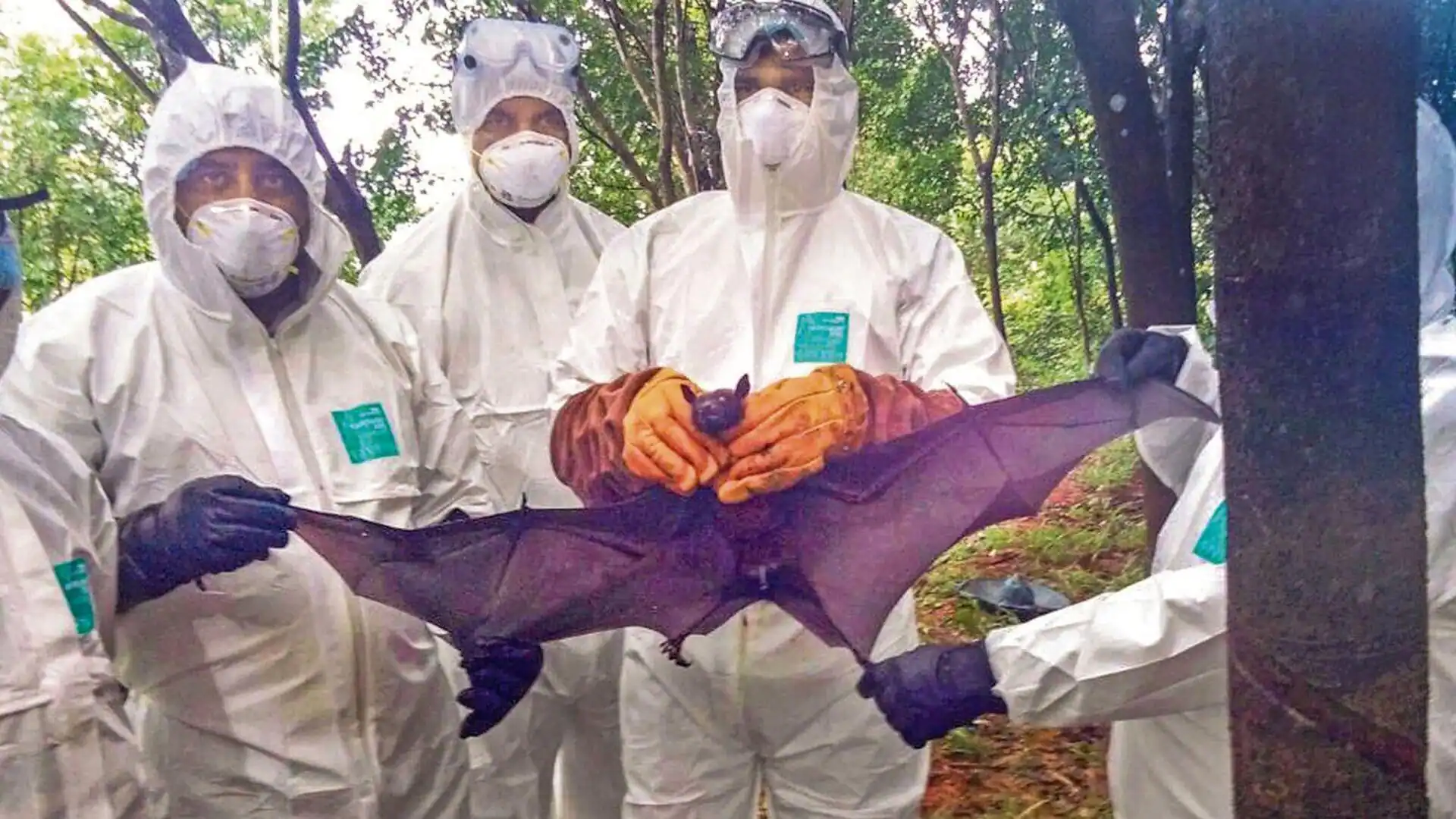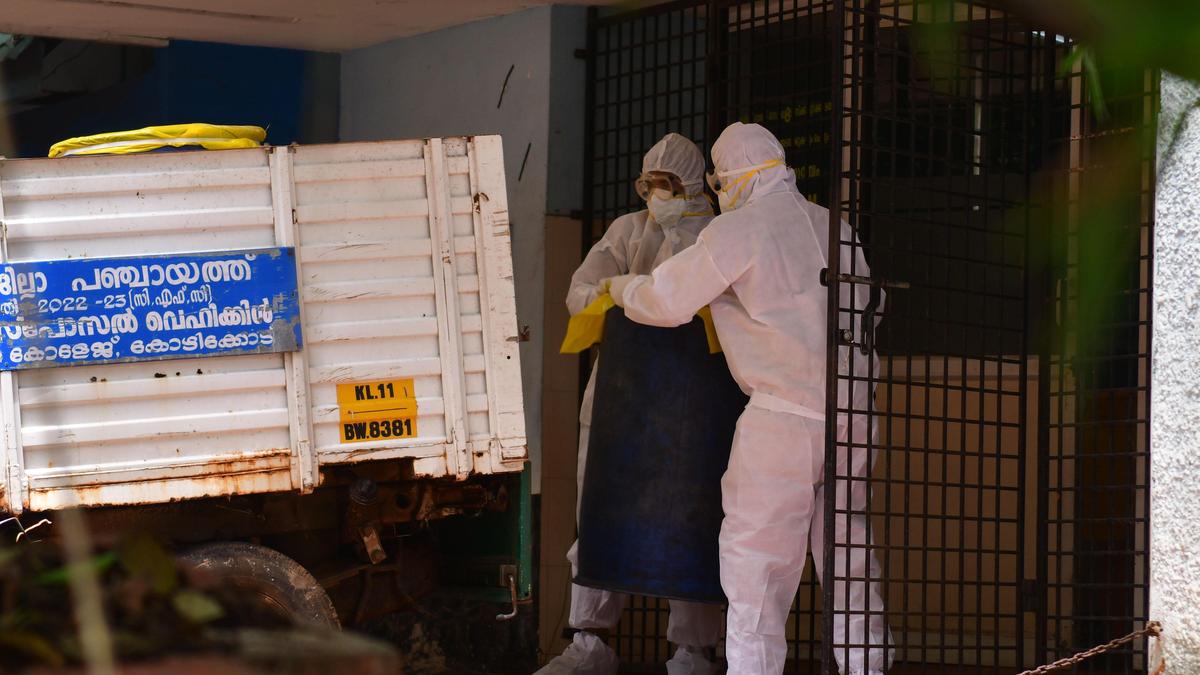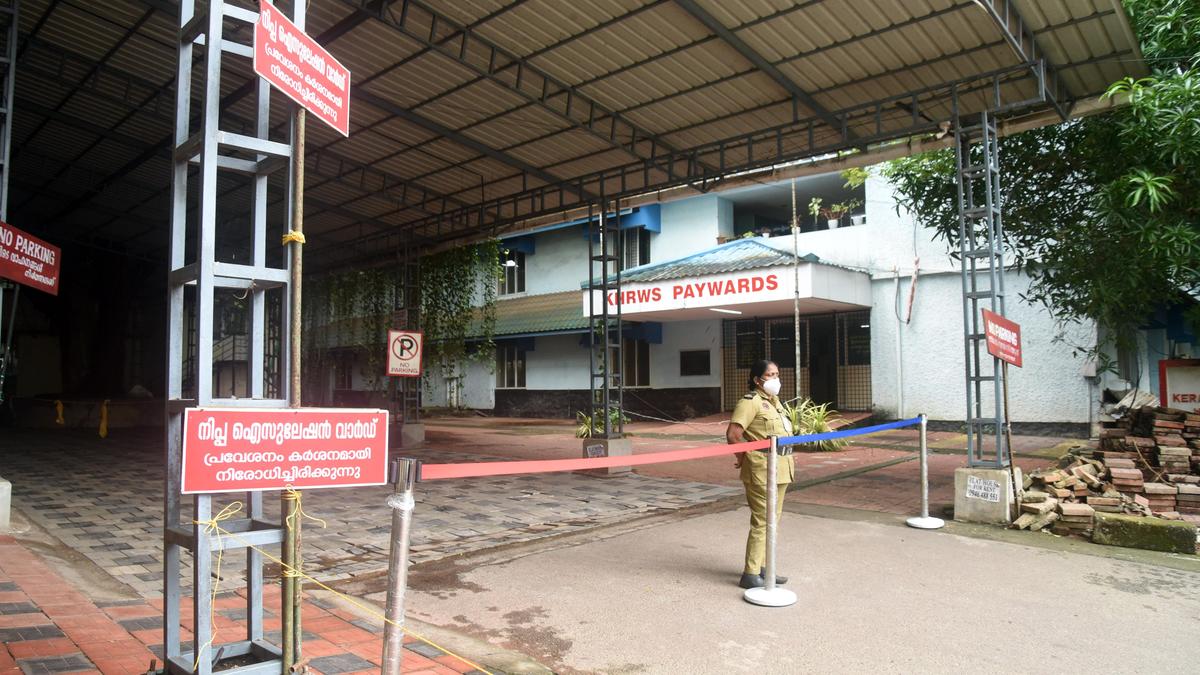
The Health department is exercising maximum vigil and taking all possible preventive measures to ensure that the current outbreak of Nipah in Kozhikode is contained and that no nosocomial or human-to-human transmission of the virus occurs.The patient, a 43-year-old man from Ramanattukara, who was transferred from a private hospital to the Government Medical College Hospital (MCH), Kozhikode, late night on Wednesday (June 10, 2026) with encephalitis symptoms, is stable and on ventilator support.Health Minister K. Muraleedharan, who spoke to mediapersons in Thiruvananthapuram on Thursday, after holding a high-level meeting with Health and Kozhikode MCH officials, said that a contact list of 77 persons who might have closely interacted with the patient had been drawn up by the Health department, including 58 persons were health-care workers, 14 patient’s family members and five co-workers and friends.Mr. Muraleedharan said that it was a matter of great relief that none of the contacts had displayed any symptoms so far. Of the 77 on the contact list, two persons had been categorised as “at highest risk,” 13 have been listed as “at high risk,” while the rest 62 are considered to be at low risk.Those in the highest risk and high risk categories have been asked to go on quarantine immediately.The Health department was preparing the patient’s route map and the person seemed to have visited several health-care establishments from May 10, before reaching the Kozhikode MCH. He had visited two private hospitals and also visited diagnostic centres for undergoing MRI scan and for Echocardiography test, Mr. Muraleedharan said.He said that as of now, there was no need for earmarking a containment zone as none other than the patient had shown any symptoms.Control room openedThe Rapid Response Team in Kozhikode had met and adequate stocks of personal protection equipment and medicines were being made available. A control room has been opened at Kozhikode district medical administration’s office ( 0495-2373901 / 90720 07767).In Kerala, the peak Nipah virus (NiV) spillover risk occurs from April to September, when the abundance of seasonal fruit-laden trees, increased bat foraging activity, bat breeding season and viral shedding dynamics coincide, increasing the risk of human exposure. This pattern has not changed since the State’s first encounter with NiV in 2018.The State Health administration systematically declares an NiV alert during these months and this seasonal alert has been helpful as it heightens the risk perception, helping clinicians pick up the infection early. This is Kerala’s 11th NiV spillover event. The initial outbreak in 2018 had resulted in 23 cases and the case fatality ratio was 91.3%. Recurrent spillover events have occurred in 2019, 2021, 2023, 2024, and 2025. Most were single case independent events, except in 2023, when a cluster of six cases was reported in Kozhikode.After its initial brush with NiV in 2028, the State has been investing heavily in acute-encephalitis syndrome surveillance, improved diagnostic facilities, training of health-care workers, improved infection control and emergency management protocols. This has paid off because despite the frequency of the virus spillover events, human-to-human transmission of NiV has occurred in Kerala only in 2018 and 2023.Public health experts point out that NiV has established itself in the environment and the Pteropus species of bats (fruit bats), which are found in abundance in the State, have been found to be the reservoir of NiV. However, the possibility that NiV transmission to humans could be through fruits bitten by bats has remained conjecture at best because NiV has never been isolated in any fruit samples collected and tested during outbreak investigations in Kerala.Given that there is a perennial virus reservoir in the State, it might not be possible to prevent recurrent NiV spillover events in Kerala and the health system’s focus remains on heightened surveillance and rapid containment measures in case the spillover happens. Published - June 11, 2026 08:20 pm IST
All effort to check further transmission of Nipah: Minister
Kerala's health department intensifies measures to contain Nipah virus transmission as patient remains stable and quarantines are implemented.
TL;DRAI
Kerala confirms 11th Nipah spillover since 2018 in a 43-year-old; 77 contacts traced remain asymptomatic, no human transmission detected. Virus endemic in local bats with April–September seasonal peak; despite recurring spillovers, Kerala's healthcare investments in surveillance and worker training limited human transmission to 2 of 11 events.
636 words~3 min read