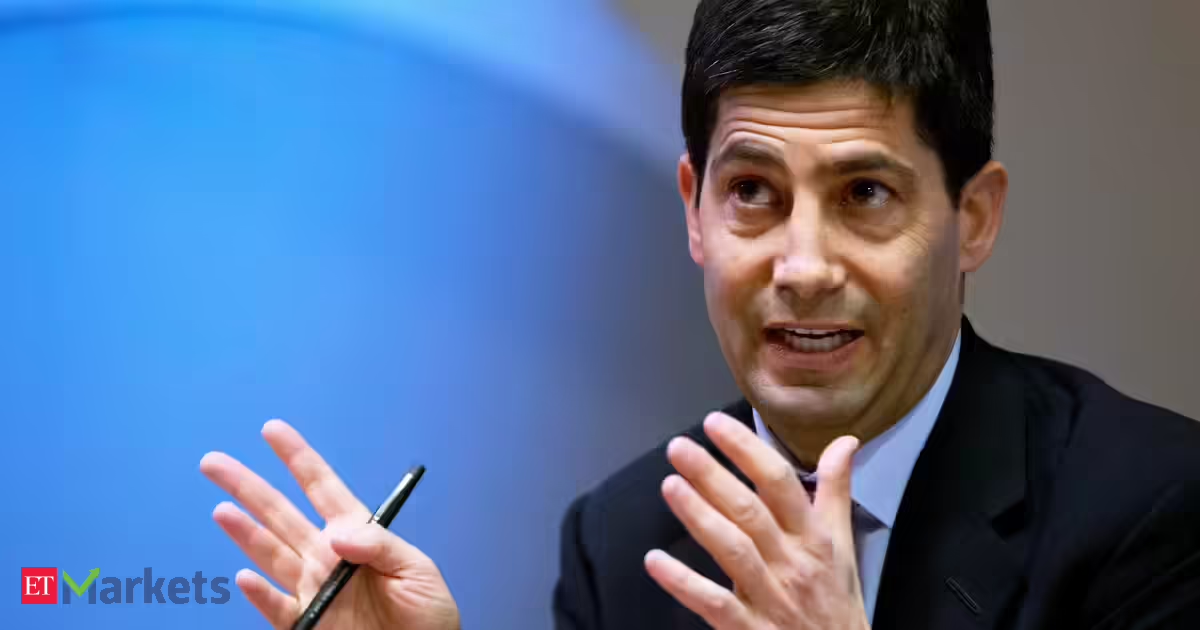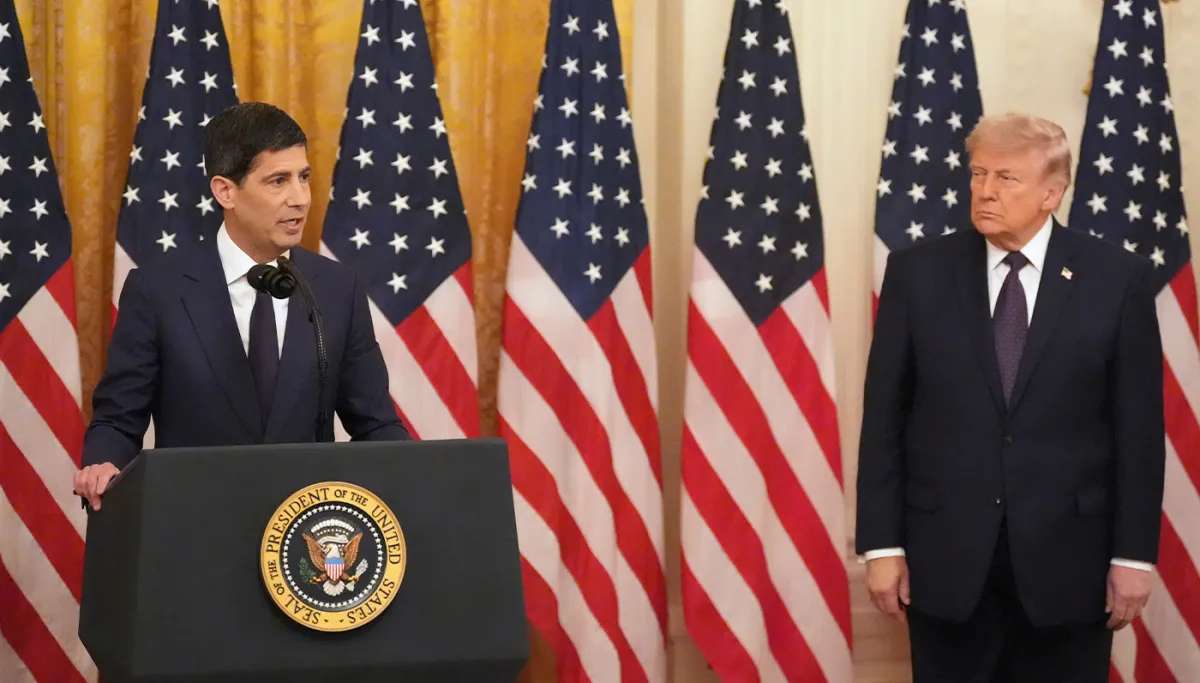
Federal Reserve Chairman Kevin Warsh is staring down a rise in inflation that is driven in large part by something the central bank cannot control: the war with Iran.In this scenario, where prices are rising because of disruption to the supply chain for a key global commodity, the advice to a central banker would normally be to avoid tightening monetary policy. Instead, the Fed should “look through” the rise in inflation caused by soaring oil and gas prices — that is, ignore it — in light of the fact that it does not otherwise appear the economy is overheating. So the Fed should continue holding interest rates steady, rather than hike them.
The problem for Warsh is that former Fed Chairman Jerome Powell faced a similar scenario as the pandemic waned, notoriously calling inflation “transitory,” and was slow to raise rates in 2021 and 2022. In retrospect, he has been panned for not acting fast enough to hike rates and prevent the worst inflation in decades.
“What’s happening now is similar, but on a smaller scale,” Ryan Young, senior economist at the Competitive Enterprise Institute, told the Washington Examiner.
The latest inflation numbers from the most closely watched inflation gauge, the consumer price index, once again came in hot in May.