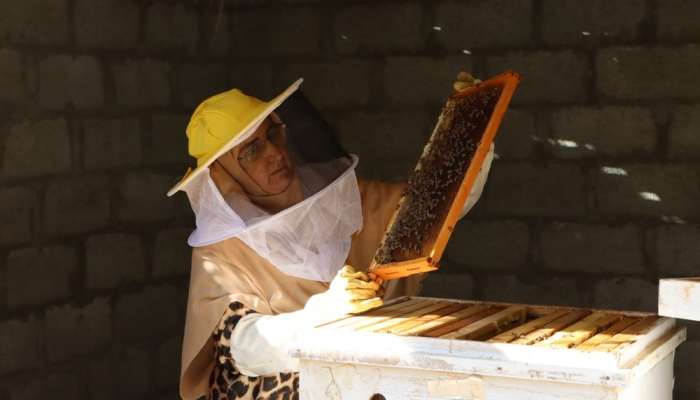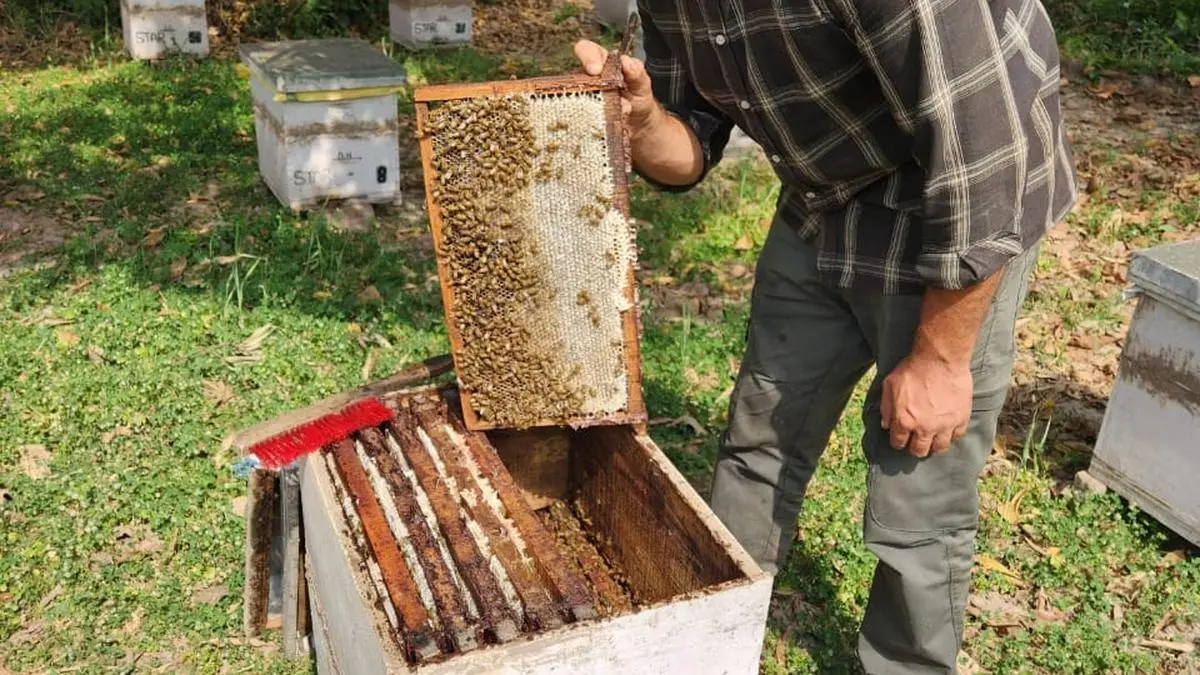
Abid Ali, a beekeeper from the Valley’s sleepy Gangoo village
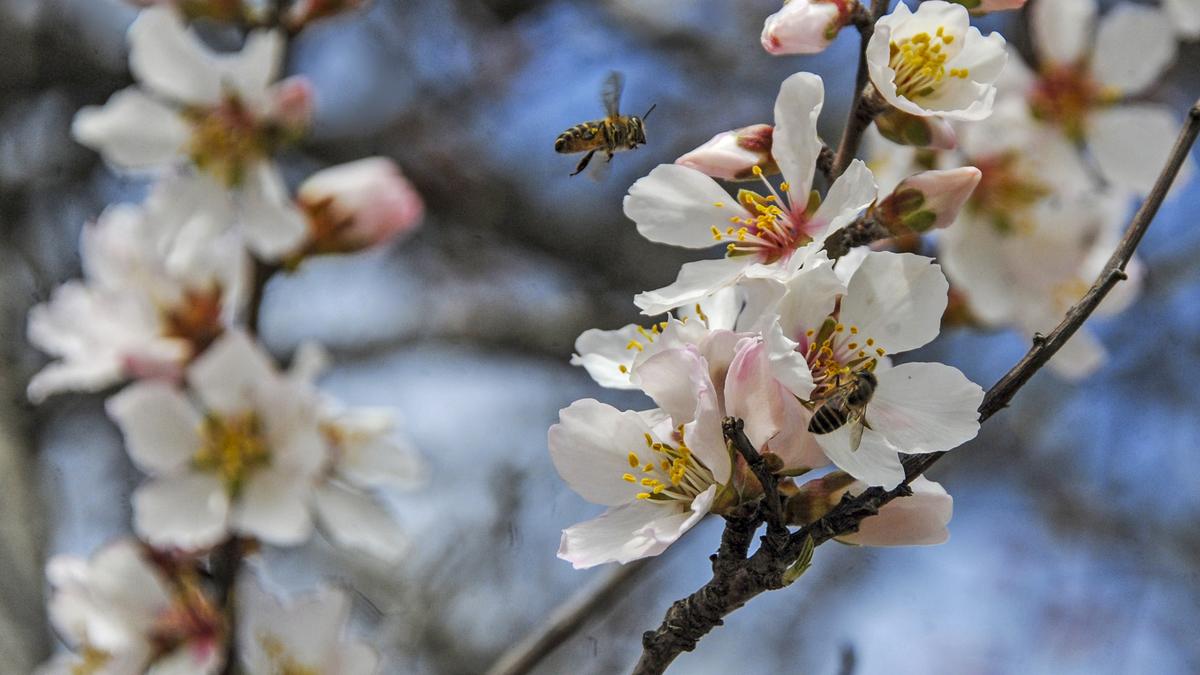
In the last week of April, when Abid Ali, a beekeeper from the Valley’s sleepy Gangoo village, about 30 kilometres south of Srinagar, returned home with dozens of beehives after spending the entire winter in Rajasthan and Punjab as part of his seasonal migratory beekeeping cycle, he was optimistic about a bumper honey harvest.However, erratic weather conditions, marked by prolonged rainfall and an unusually low temperatures and flowering season, dashed those hopes, leaving him and many other beekeepers in the Valley staring at a sharp decline in production this year.“I have over 150 colonies and I could extract only 30 kgs of honey, compared to usual 100 kgs,” Ali said.The sudden drop in temperatures kept the bees cooped up inside their hives, preventing them from venturing out to collect nectar. Moreover, flowers from acacia trees failed to bloom adequately, resulting in a shortage of nectar for the bees.“Acacia honey is considered a premium variety in the Valley. This unifloral honey is valued for its light colour, delicate flavour and high market demand,” said Ali.Apiculture sector scripted a notable success story under the Holistic Agriculture Development Programme (HADP) and the National Beekeeping and Honey Mission. over the past three years, honey production in Jammu and Kashmir has recorded a sharp rise of over 75 percent. Official data shows that production has increased from around 2,200 metric tonnes to more than 3,895 metric tonnes between 2023 to 2025.This season, however, the gains of the past few years have been sharply reversed by unfavourable weather conditions that pushed down the temperatures sharply. Poor harvestDue to the poor harvest, many young apiculturists are struggling to meet input costs. “Many of us could not even recoup the transport and bee maintenance costs this season due to the low production,” said Nazim Nazir, chairman of Valley’s prominent honey producer, Al Nahal Producer Company.According to Nazir, bees depend largely on either acacia or apple blossoms, but this season erratic weather conditions have adversely affected both flowering cycles. He added that the unpredictability of seasonal patterns is making migratory beekeeping increasingly difficult to plan and sustain.Experts say the sector, despite its recent growth, remains highly vulnerable to weather fluctuations as honey production is directly linked to flowering intensity and climate stability.Published on June 12, 2026