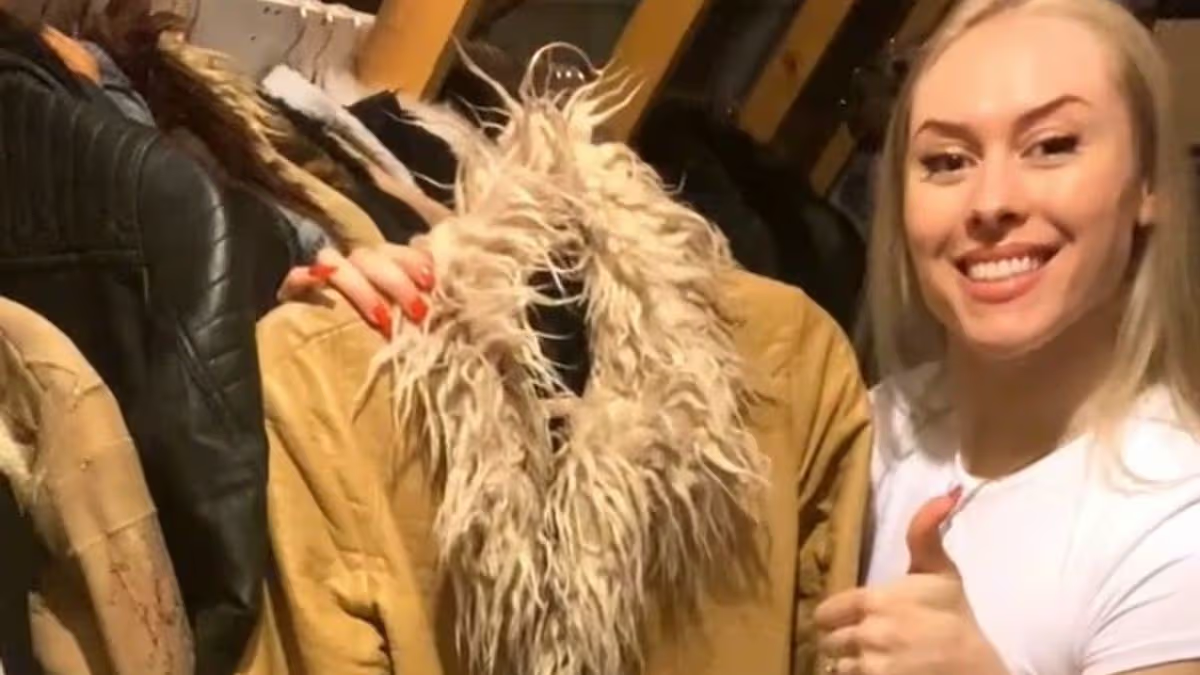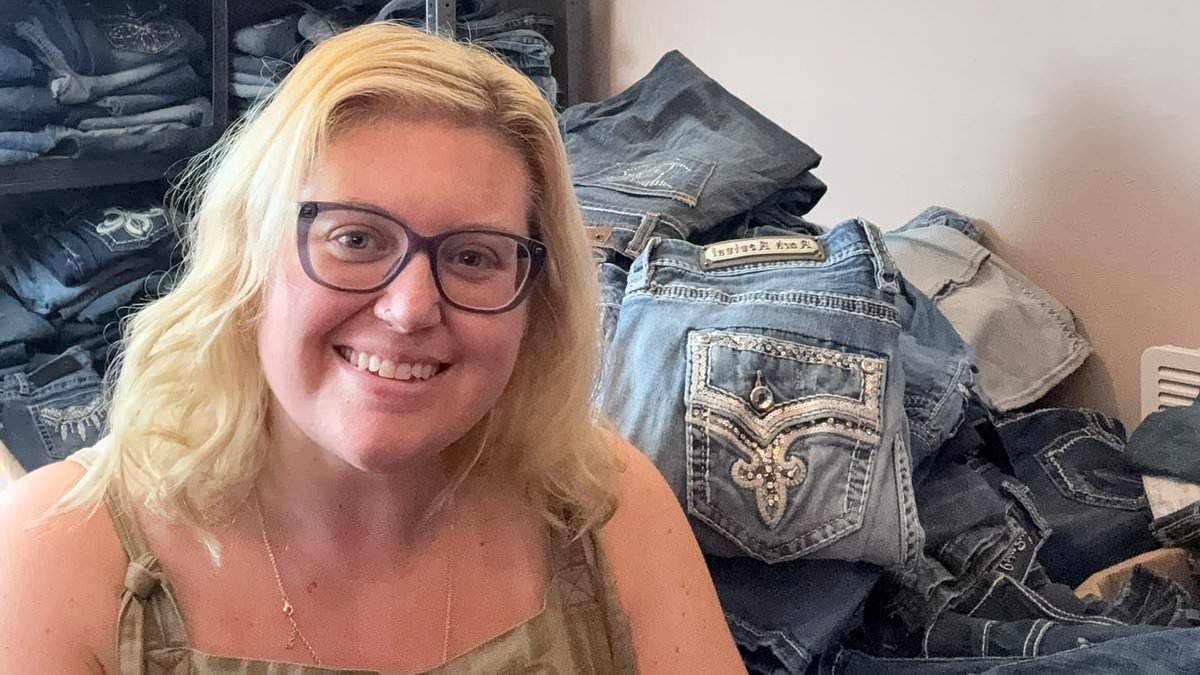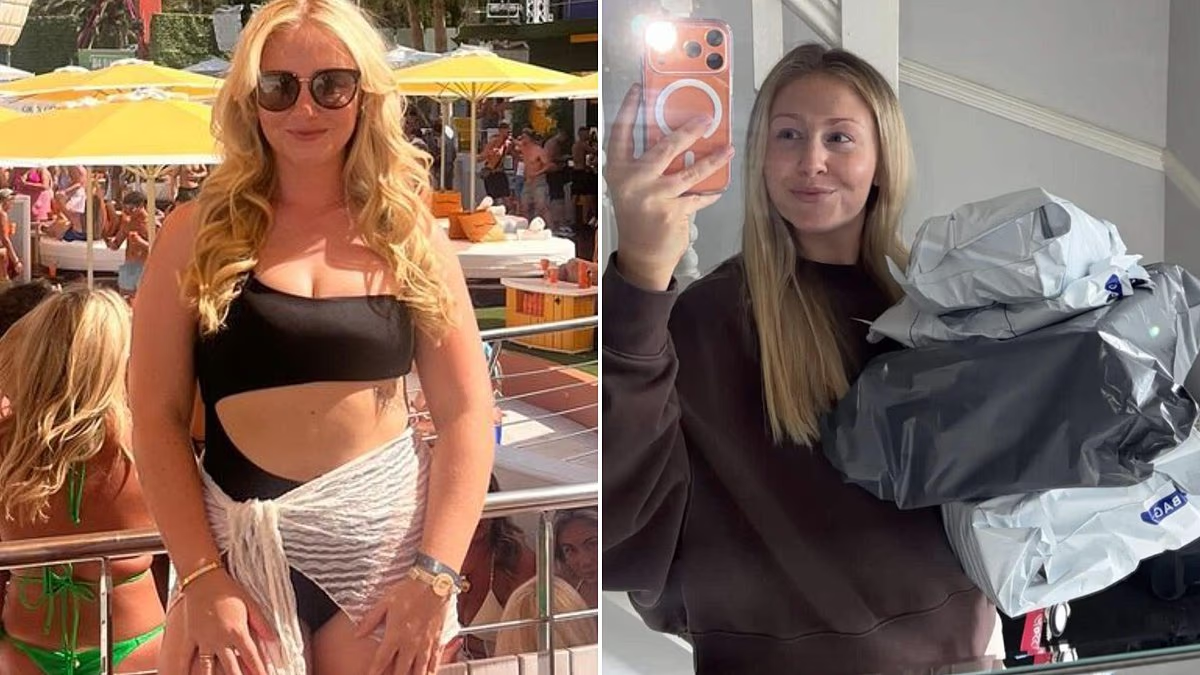
When Tanya first downloaded Vinted, she wasn’t expecting it to become a major income stream. The 60-year-old from Essex just wanted to declutter her home and raise some extra cash, after Long Covid and a number of other health conditions meant she had to leave her job as a community centre manager.Fast forward a year, and Tanya has earned £1,000 in a single month selling second-hand items on the site, which has helped fund a power wheelchair and a storage shed to house her growing collection of stock.Despite having no previous experience selling online, she says a few canny tricks are the key to both financial and personal success. ‘It‘s something I can do from my bed on difficult days,’ she says, ‘and has given me both a new lease of life‘ as well as a healthy supplementary income.Want to do the same? Here are Tanya’s top tips for making Vinted your job – and helping the planet out at the same time.Start with what you already ownLike many sellers, Tanya began by listing clothes she no longer wore.Having always loved second-hand fashion and sustainability, she already had plenty of items tucked away in wardrobes to shift online. Tanya, 60, began selling her unwanted clothes on Vinted for a bit of extra cash after leaving her job, but was surprised to make £1,000 in just one month According to Tanya, she was shocked by how quickly her first listings sold. And she suggests anyone else starting out should do the same.Instead of immediately investing hundreds of pounds, Tanya recommends learning the platform first by selling unwanted clothes, accessories and household items already sitting at home.Presentation matters more than the labelOne of the biggest mistakes new sellers make, according to Tanya, is assuming that expensive brands automatically sell themselves. The reality is the listing itself is every bit as important as the item.‘A good picture does way more than a fabulous garment,’ she explains. Over time, she's developed a routine for every listing. Clothes are steamed, photographed in good light and shown from multiple angles. She also includes close-up shots of details such as buttons, labels and any imperfections.The goal, she says, is helping buyers picture themselves wearing the item. To help them do this, she sometimes uses photo editing software like Photoroom, to provide a 3D model of how each garment actually fits. She also gets her photographer wife to help get images that are high quality and correctly cropped, so no sleeves or details are accidentally chopped off.As Tanya says, if you have a pristine garment with bad pictures and the same item, but slightly more worn, with great ones, the latter will sell quicker nine times out of ten.Know your labelsYou might assume the secret to making money on Vinted is stumbling across designer bargains and flogging them for a profit. But according to Tanya, her best-selling items are usually by high street labels. Designer labels don't automatically sell on Vinted. According to Tanya, the photo quality is much more important than luxury, and high street brands do particularly wellOne brand that consistently flies off the virtual shelves is Helly Hansen. Tanya says that whenever she lists an item from the outdoor clothing brand, it tends to sell almost immediately. Vintage sportswear also performs very well, with Nike and Adidas hoodies and sweatshirts proving popular among buyers looking for quality, retro streetwear.She has also had success with dependable high-street favourites including Next, Marks & Spencer and Wallis, because buyers are familiar with the quality, sizing and fit.The key takeaway is to focus on brands you yourself understand. 'Buy what you know' is the rule she swears by. Rather than spending hundreds on luxury labels you know nothing about and desperately trying to figure out how much to sell them for, she's built her business around spotting good-quality, mid-range clothing you can wear day to day, and people can actually afford.Work with the algorithmHowever much we hate (or, let's be honest, don't entirely understand) the phrase, working with the algorithm is a surprisingly important part of selling successfully on Vinted.According to Tanya, one of the biggest things she's learned is that the more active you are on the app, the more visible your items are. Rather than uploading a batch of items and then forgetting about them for weeks, she regularly tweaks listings, updates descriptions and adjusts prices to keep her account active.She explains that even if you're not adding new stock, making small changes can help push your listings back up the rankings and in front of more buyers. 'With Vinted's algorithms, even if you're not uploading, if you just change key words or hashtags, you keep up to the top of the algorithm, so people see your things better,' she says. Another top tip for getting noticed on Vinted is using your account regularly, as the more active you are the more visible your items will be Timing can also make a difference. Tanya has found that evenings tend to be when most people buy, particularly between 8pm and 11pm when people have finished work, put the kids to bed, settled down on the sofa and inevitably start scrolling. Weekends are also a great bet, while October and November are some of the best months for sales as shoppers start hunting for Christmas bargains.On the flip side, she says January is often quieter for sellers but it’s a great time to buy stock, as fewer people are spending money and bargains are easier to find. As with most things on Vinted, it’s often a case of playing the long game rather than expecting every item to sell overnight.Reinvest what you makeOnce Tanya realised Vinted could generate a decent income, she began putting her profits back into the business. After receiving a medical retirement payment, she started buying wholesale vintage clothing to resell, building up stock bit by bit rather than spending huge amounts in one go.But she warns against getting carried away. Plenty of new sellers make the mistake of spending hundreds of pounds on stock before they've even worked out what people actually want to buy. Tanya's approach was much slower and steadier: sell a few items, see what people like best, reinvest some of the profits, then repeat.Today, she has two sheds full of stock waiting to be photographed and listed, with everything from vintage sportswear to high-street finds ready to go online. Rather than trawling charity shops every weekend, because of her reduced mobility, much of her stock now comes from online auctions and wholesale vintage suppliers, where she can source items without having to spend hours on her feet.She also has great luck with overstock sales, when companies clear their inventories. One of her best finds was a batch of brand-new wool coats that were being sold off at a fraction of their original retail price, which Tanya resold individually on Vinted for a profit.Remember why you're doing itFor Tanya, Vinted was never just about making money. A lifelong fan of second-hand fashion, she's passionate about keeping clothes out of landfill, and also was eager to find new purpose after her health deteriorated.That passion has resulted in real rewards. The income she's earned has helped fund a new electric wheelchair, giving her more independence and mobility. Going forward, she hopes she might be able to get another wheelchair for outdoor trips, fund a holiday to Scotland when her health improves, and continue to treat her newborn grandson.And Tanya isn’t alone. In 2025, Vinted sellers made a whopping £9.3billion, highlighting that when used properly, resale can be a really lucrative income stream. It’s about knowing how to best make use of the opportunity – and Tanya’s tips can help you do exactly that.
I make almost £1,000 a month on Vinted - here's how to do the same
When Tanya first downloaded Vinted, she wasn't expecting it to become a major income stream...
1,289 words~6 min read