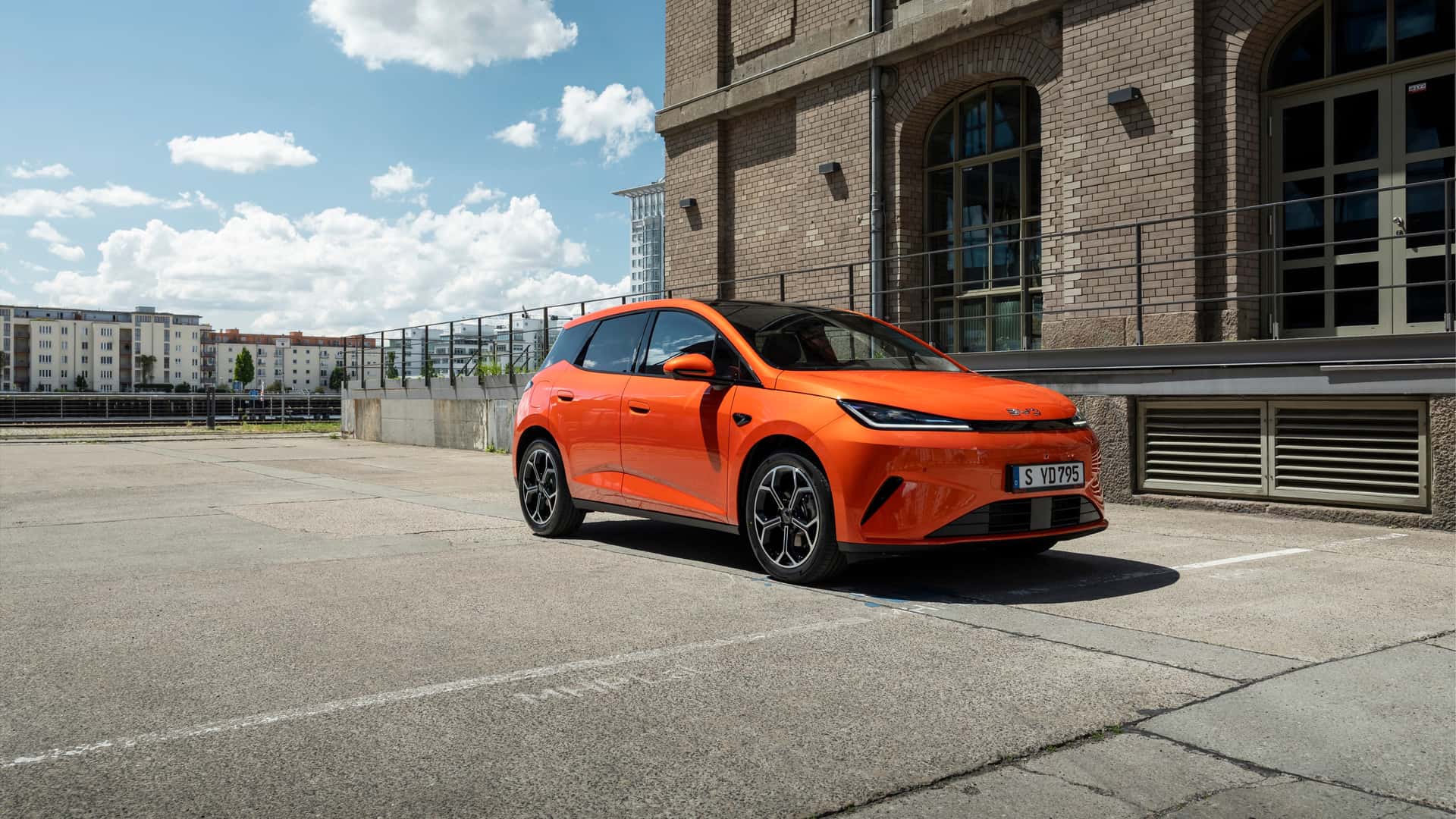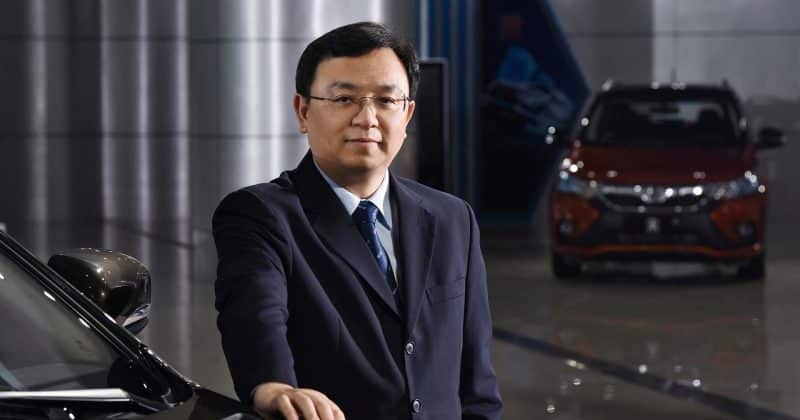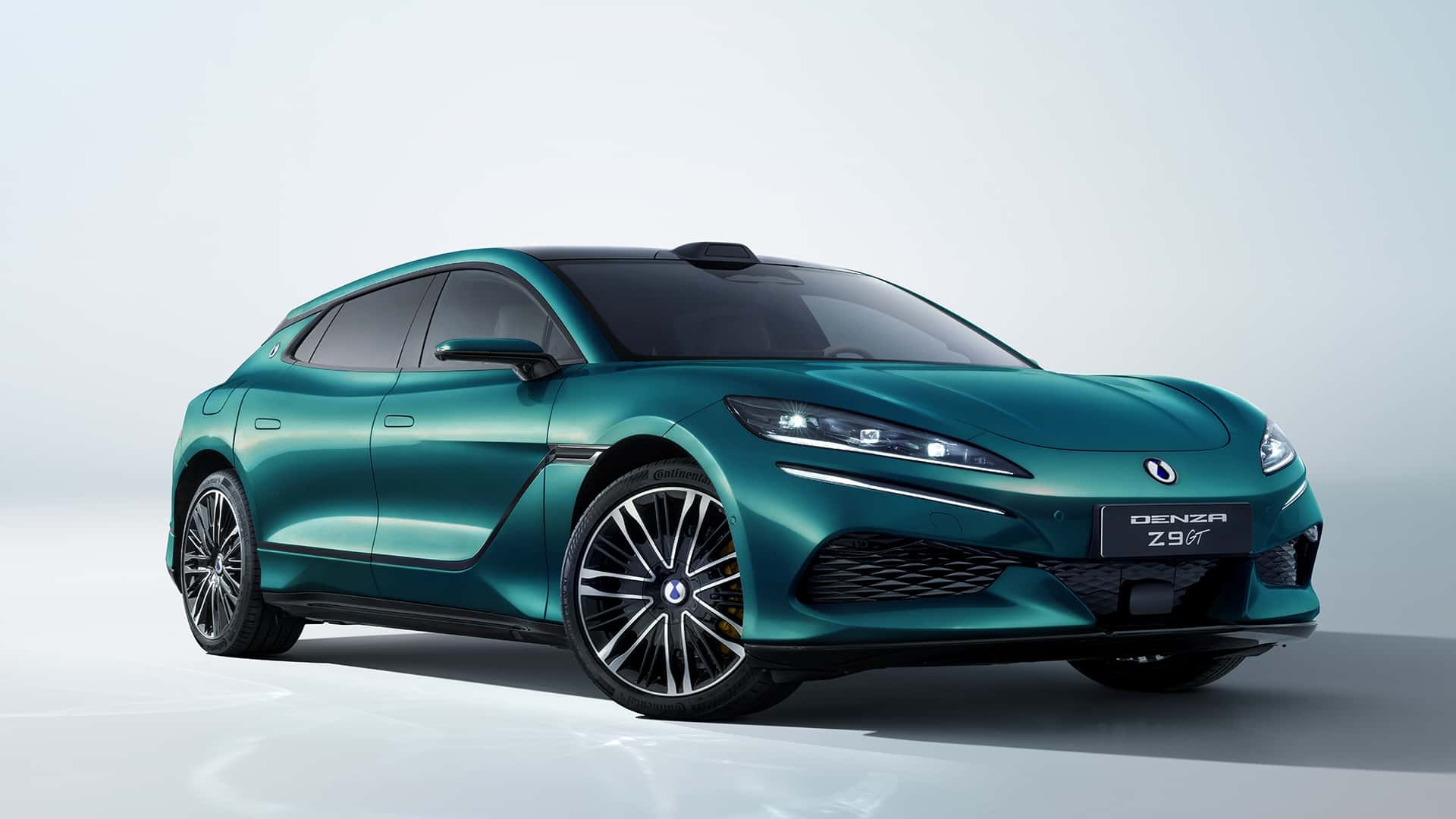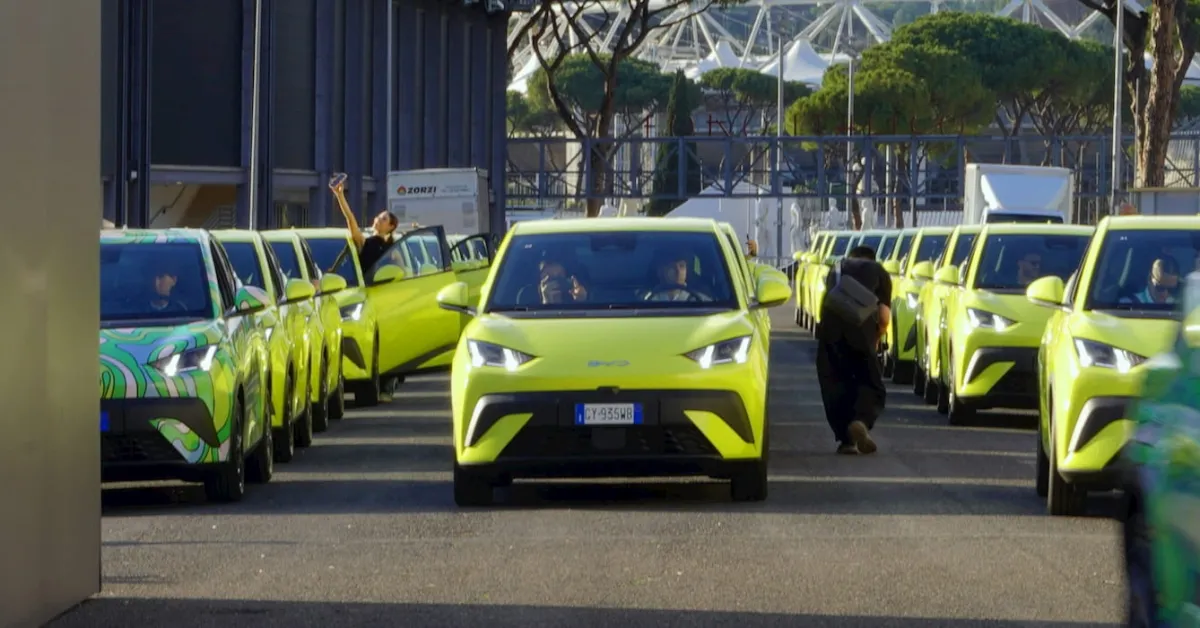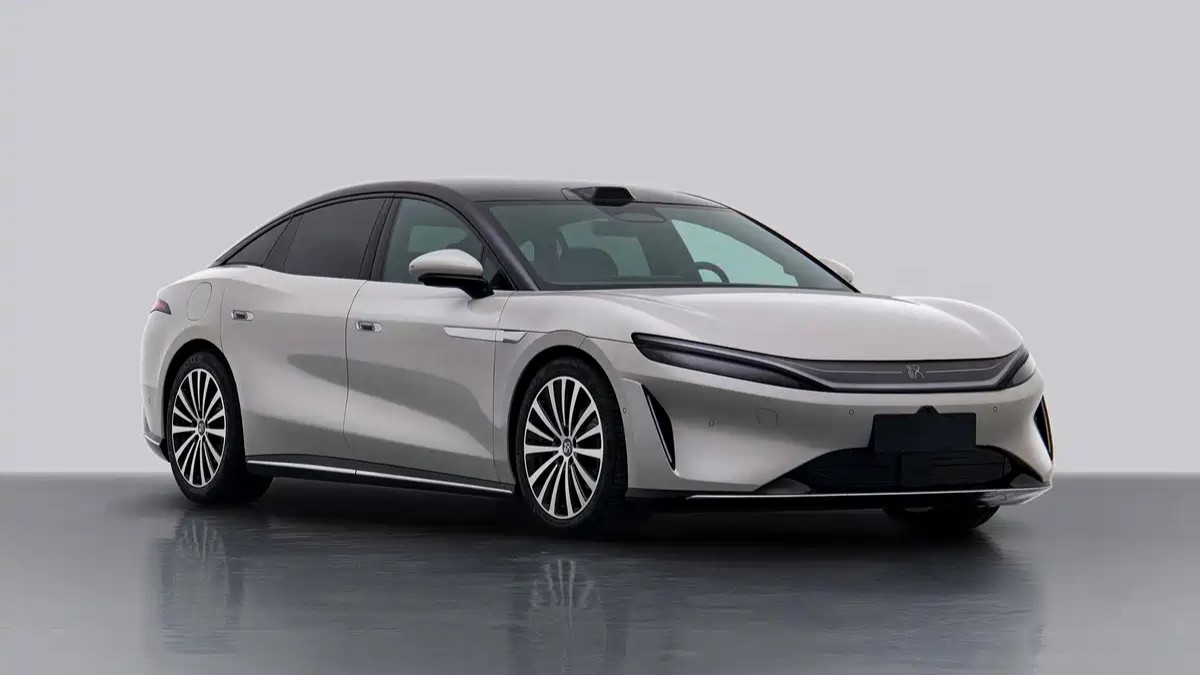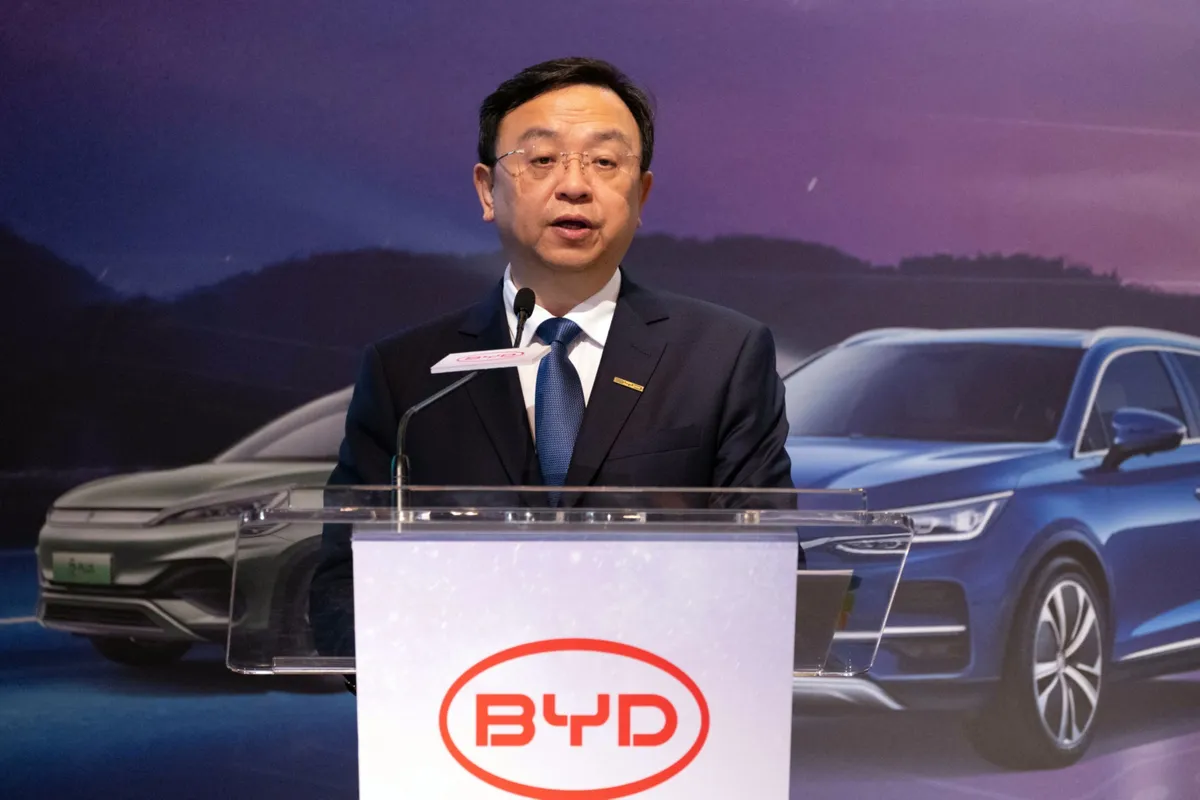
BYD, the giant Chinese car maker, has said that it wants to sell more cars globally than Toyota within five years. The claim was made by BYD’s founder, Wang Changfu, at the company’s annual shareholder meeting. That would require BYD more than doubling its current sales from about 4.5 million to meet Toyota’s annual average sales figure of more than 9 million (a figure that includes sales from the Toyota-owned Daihatsu). “BYD will truly become the No. 1 automaker globally in terms of scale in five years” said Changfu at the event, and many would assume that it’s effectively a done deal, given the vast and rapid expansion of China’s car makers, BYD especially, in the past few years. However, it’s not quite as clear cut as that. For a start, it would require — as things currently stand — a massive increase in BYD’s exports outside of China, not least because the brand is actually struggling somewhat in its home market. Indeed, for the past eight months, BYD’s Chinese sales have been declining, something that’s triggered a 33 per cent fall in the company’s Hong Kong traded shares. Doubtless, Changfu’s statement was designed to rally the sentiment behind the company, although a fractional sales recovery in China of 0.26 per cent in May, compared to May 2025, won’t have helped. Why has BYD’s sales fallen? It’s a complex mixture of a flattening demand for new cars in China — possibly because, as some economic experts reckon, China is actually experiencing an undeclared recession at the moment — and because some production has had to be moved and altered because of the ramp-up in production of BYD’s second-generation ‘Blade’ battery. So far, the first generation Blade battery has underpinned all of BYD’s fully electric and plug-in hybrid models, and its combination of rugged lithium-iron phosphate (LFP) chemistry and relatively affordable per-kWh costs have been critical to BYD’s success. The Blade battery’s ruggedness is even now backed up by a 250,000km warranty, which is available in Ireland, and covers not just new cars but retrospectively applies to older models too. However, the Blade has been dulled, somewhat, by the arrival of newer batteries from competitors, notably BMW, and Volvo (owned by BYD’s Chinese rival Geely) which are stretching electric car ranges to 900km and beyond. So, to reignite BYD’s sales fire, there’s a second-generation Blade on the way, and it has already been introduced in China in the Great Han saloon. While BYD hasn’t revealed a battery capacity for that model yet, in rear-wheel drive, single motor form it boasts a 1,008km range on China’s generally quite optimistic CLTC official test. On a European WLTP test, that could still be above 800km though, which would be hugely competitive. More importantly, the new Blade battery is compatible with BYD’s much-ballyhooed ‘Flash’ chargers, which are capable of supplying up to 1,500kW of charging power (Ireland’s most powerful current DC chargers run at up to 400kW) and which is claimed to allow a 10-80 per cent charge in just five minutes, or a full battery top up (well, up to 97 per cent at any rate) in just nine minutes. BYD has earmarked some 3,000 of these ultra-fast chargers for Europe, but already the company has run into controversy thanks to rumours which surfaced at the time of the Beijing motor show that its live demonstration of Flash technology was merely an animated dashboard, with the car actually not drawing any power. Couple that with accusations of working practice breaches at its new factory in Hungary, and BYD could almost be said to be a company in crisis. Given, though, that BYD has accelerated from nowhere to become the world’s sixth largest car maker — building more cars last year than Ford — perhaps this is a crisis it can weather.
BYD says it wants to outsell Toyota by 2031
Chinese brand looks for massive expansion, but it’s struggling at home
637 words~3 min read