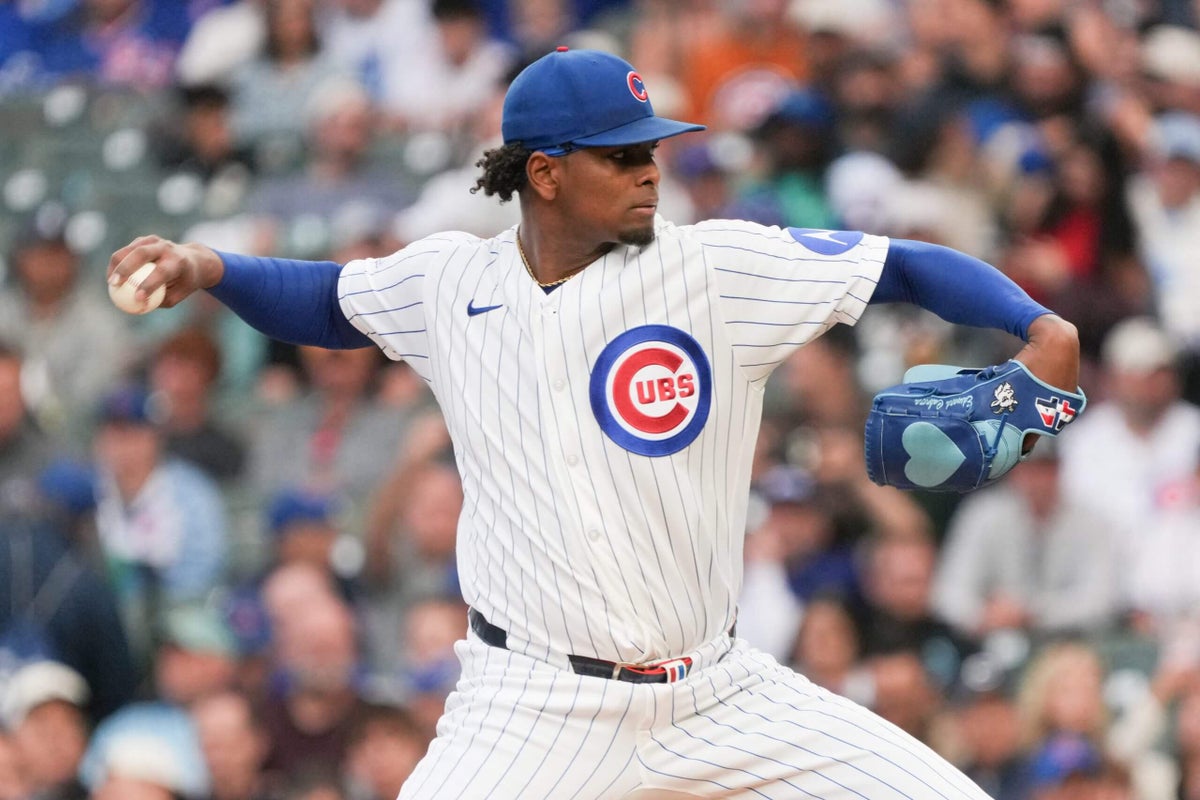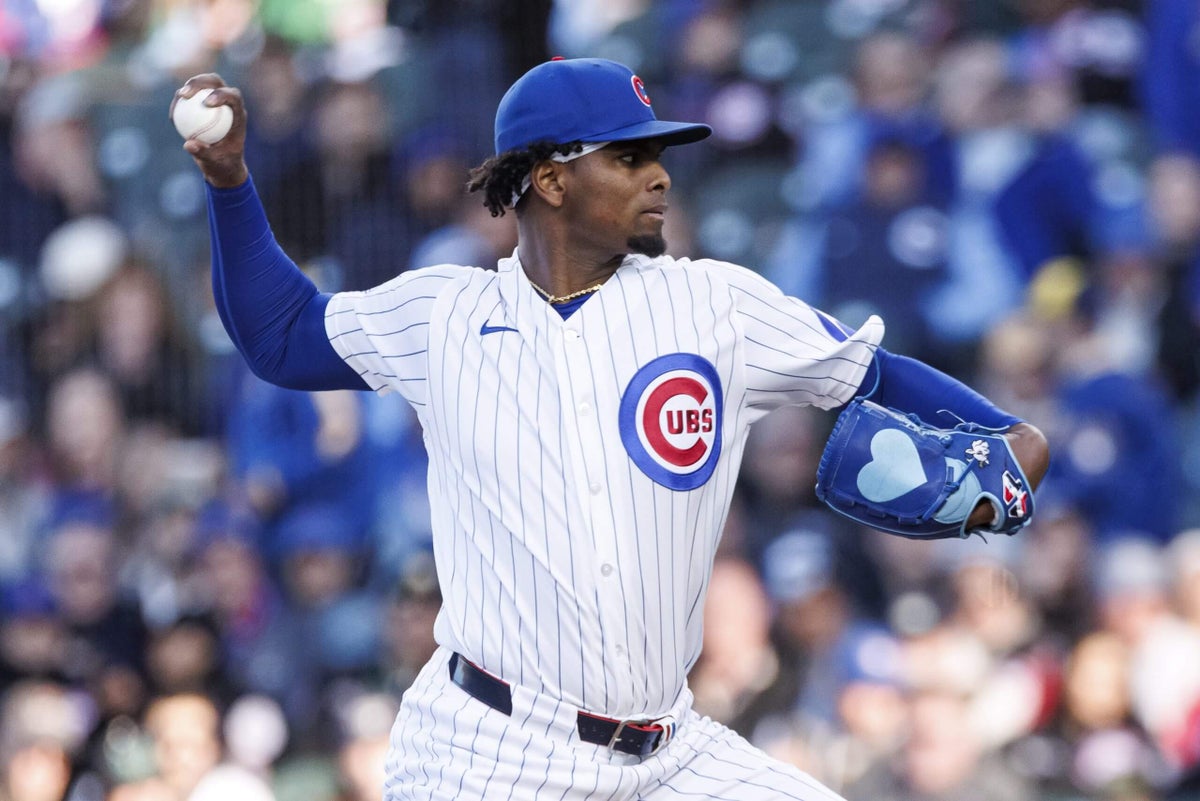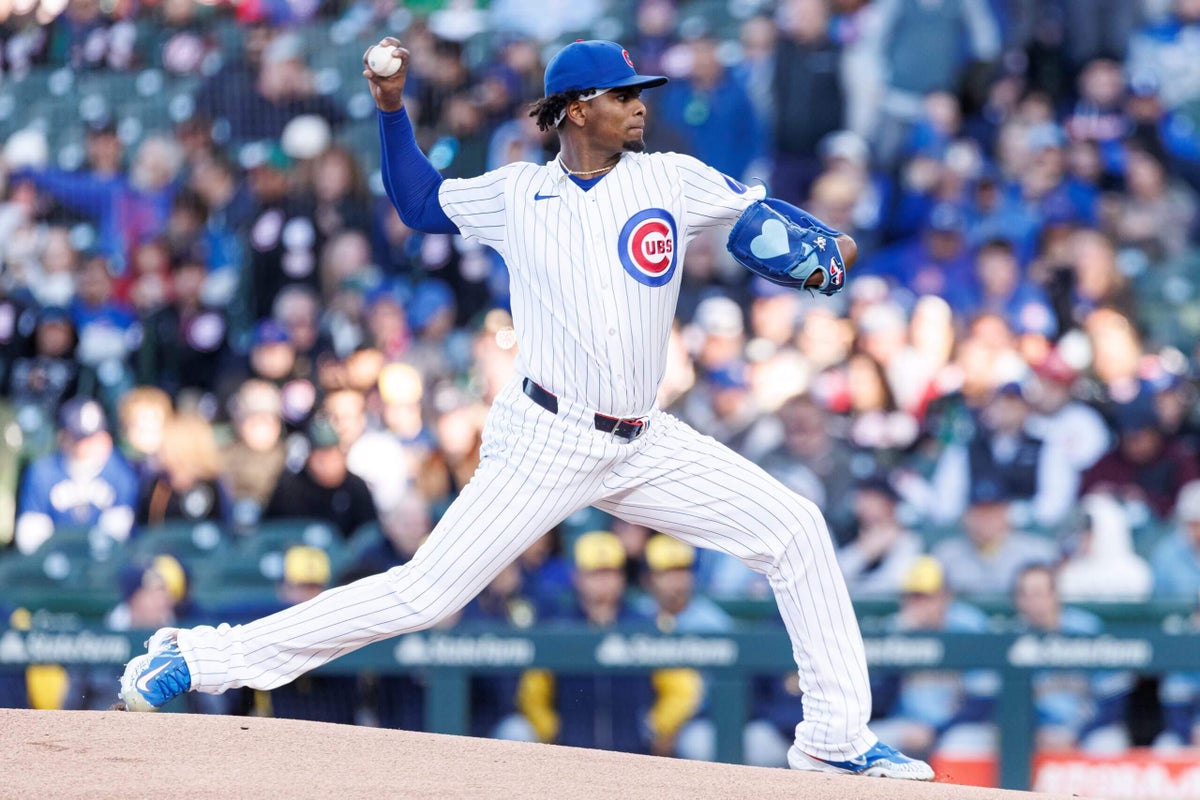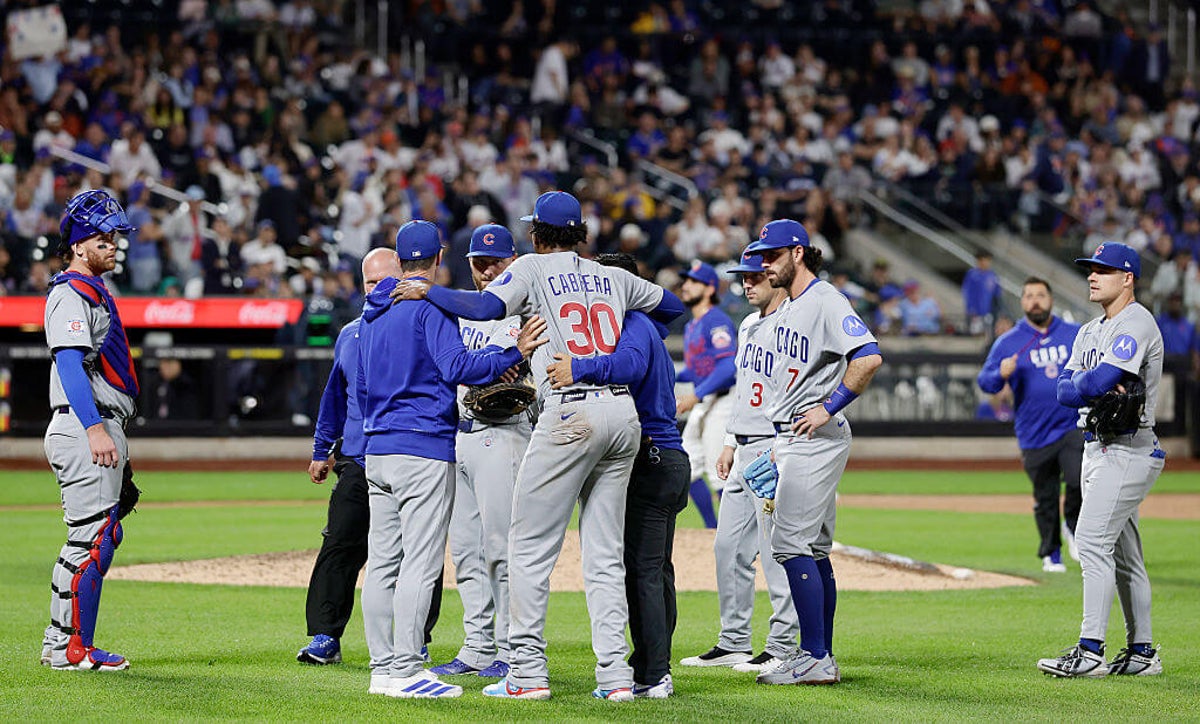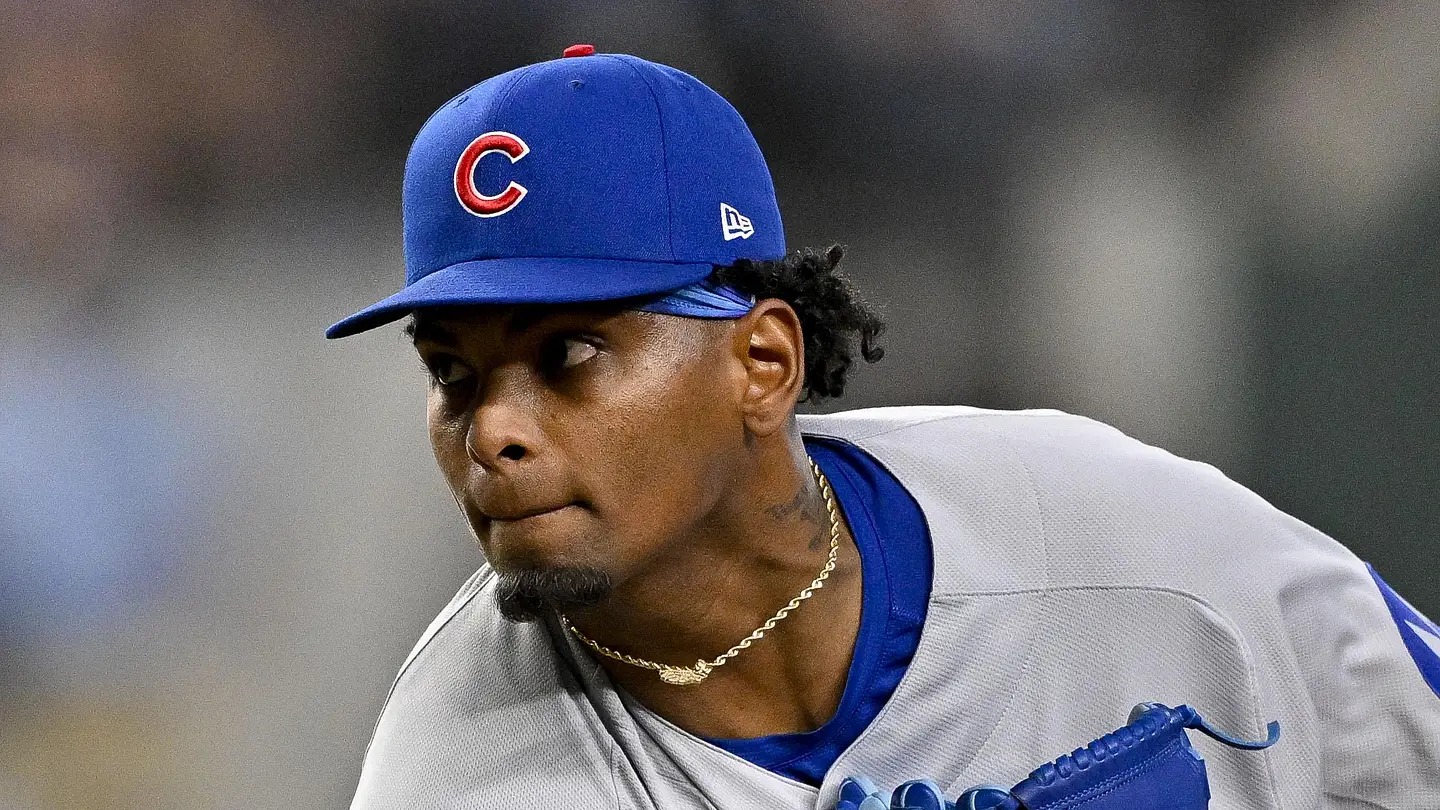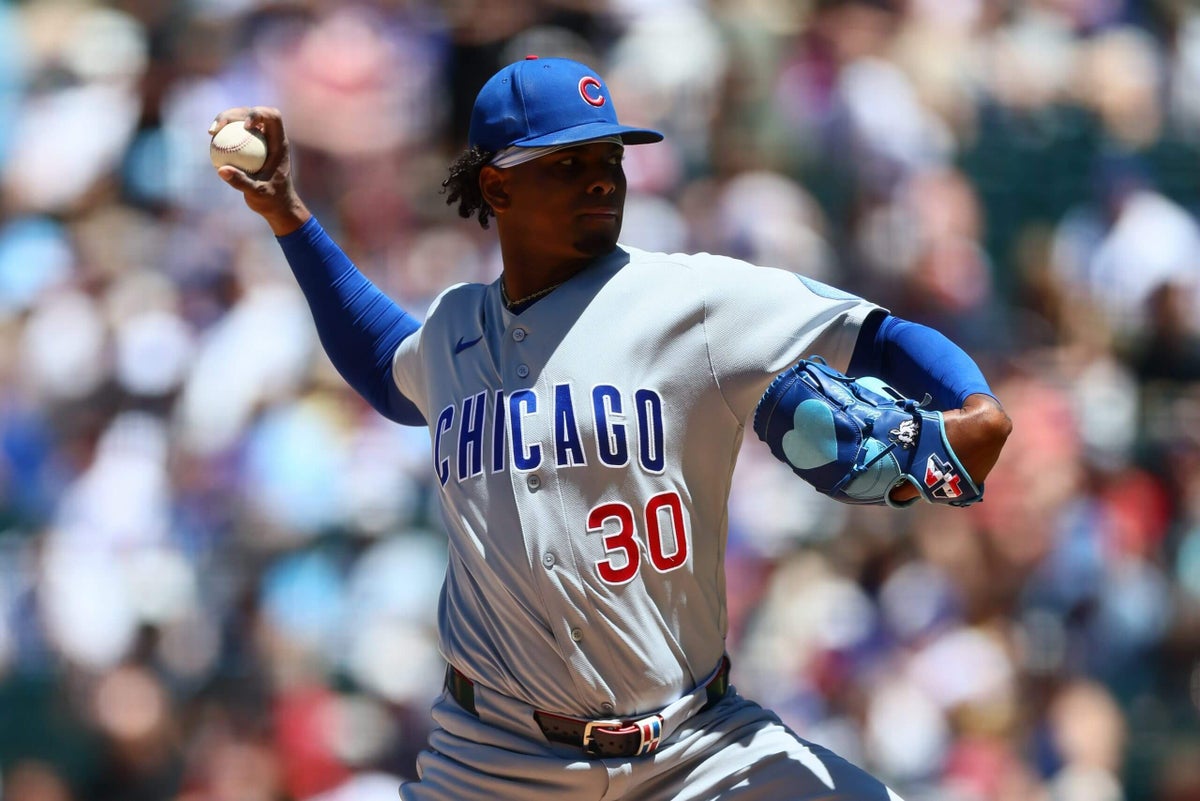
The Chicago Cubs had long coveted Edward Cabrera, and in January, they finally were able to acquire him in a trade with the Miami Marlins. For a starting rotation lacking in both velocity and swing-and-miss stuff, Cabrera seemed like a perfect fit.The fact that he was entering his age-28 season, plus being under team control for three years, led the Cubs to believe they were about to get the best of the talented righty. But something looked off with Cabrera in his first 10 starts. His fastball was down a full tick from 2025, and his stuff didn’t look as crisp.The results were uneven, with Cabrera posting a 4.00 ERA and a strikeout rate of just 20.7 percent. So when he hit the injured list with a blister issue, Chicago’s coaching staff went to work with him.Pitching coach Tommy Hottovy and assistant pitching coach Casey Jacobson took advantage of the fact that this wasn’t a debilitating injury for Cabrera. Jacobson pointed out that these types of opportunities are rare during a season. Either an injury keeps them from getting the work done or the urgency of getting ready for the next start doesn’t allow the staff to really work on the issues.For Cabrera, the main issue manifested in a lower arm angle. Sometimes, this can mean compensation for an injury. The Cubs were certain that wasn’t the case.“Usually when you see guys’ arm slot drop, a lot of times there’s a shoulder impingement and they don’t want to get into that so they work (down) to create space,” Hottovy said. “His is much more about an inefficiency with the lower body that was creating a rotational move with the upper body.”How exactly did these mechanical issues develop?One theory was that Cabrera didn’t think his stuff was moving like it should — he was right — but instead of fixing the mechanical issue, he tried forcing the movement.“Usually when you’re working on a breaking ball or creating shapes up at the top of the strike zone, you get this whippy-type throw,” Hottovy said. “You fly open, let everything open up and you feel like you create space to throw shapes — sliders, curveballs, heaters up. In reality, you don’t want to see those happen. You want them to happen so late — I would rather a pitcher turn to me and say, ‘Did that move at all?’ Because you don’t see it if your head is on-line; you finish and it breaks.”
How the Cubs used Edward Cabrera’s 15-day IL stint to get his stuff back
When Edward Cabrera hit the injured list with a blister issue, Chicago's coaching staff went to work with him.
1,059 words~5 min read