In your early 20s, the decision may seem simple. You have just finished your undergraduate degree in computer science, engineering, mathematics or another scientific field at a Greek university, and doctoral programs across America are extending offers. The path forward appears obvious: Take the opportunity and leave.
What no one tells you is that this moment, this seemingly reversible choice, becomes the irreversible turning point in your 30s. By then, you have adapted to a work ethic forged abroad, potentially built a family in the US, and have become a fundamentally different person. The researcher who left their home country is gone, and the Greece they knew has changed, too.
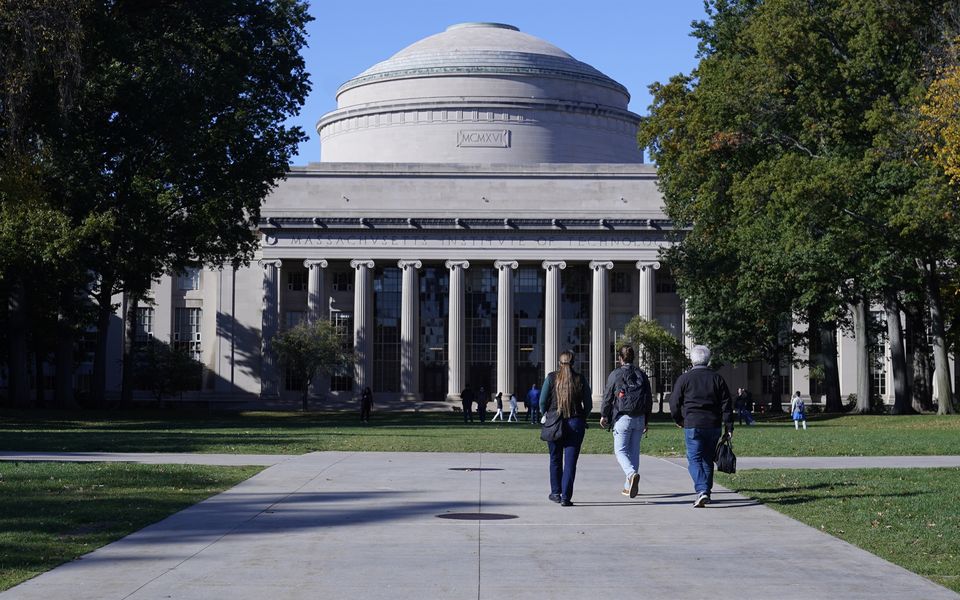
“A decade living abroad, and you are a whole different person,” explained Constantinos Daskalakis, professor at the Massachusetts Institute of Technology in the department of electrical engineering and computer science, who has watched this pattern repeat across generations of Greek doctoral students. “You won’t return to an environment you have grown unaccustomed to.”
This is Greece’s brain drain in its most insidious form, not a dramatic flight of established academics, but a quiet hemorrhaging of young adults who never get the chance to build research careers at home. The numbers tell a stark story: Of the dozen Greek researchers who have passed through Daskalakis’ mentorship at MIT, only one returned to Greece.