June 10, 2026
Yes, it’s a warning about the dangers of AI. But that’s the tip of the iceberg.
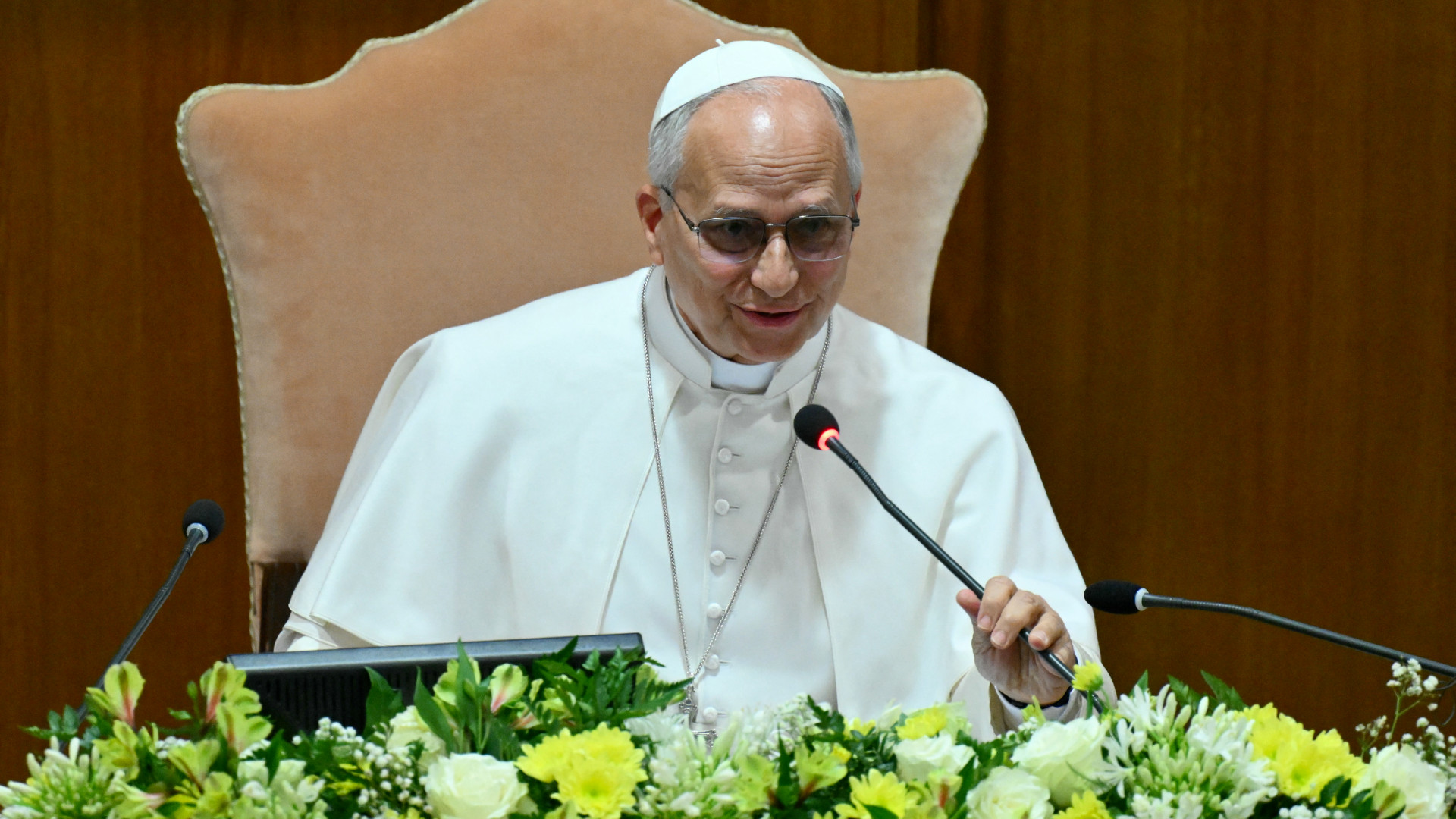
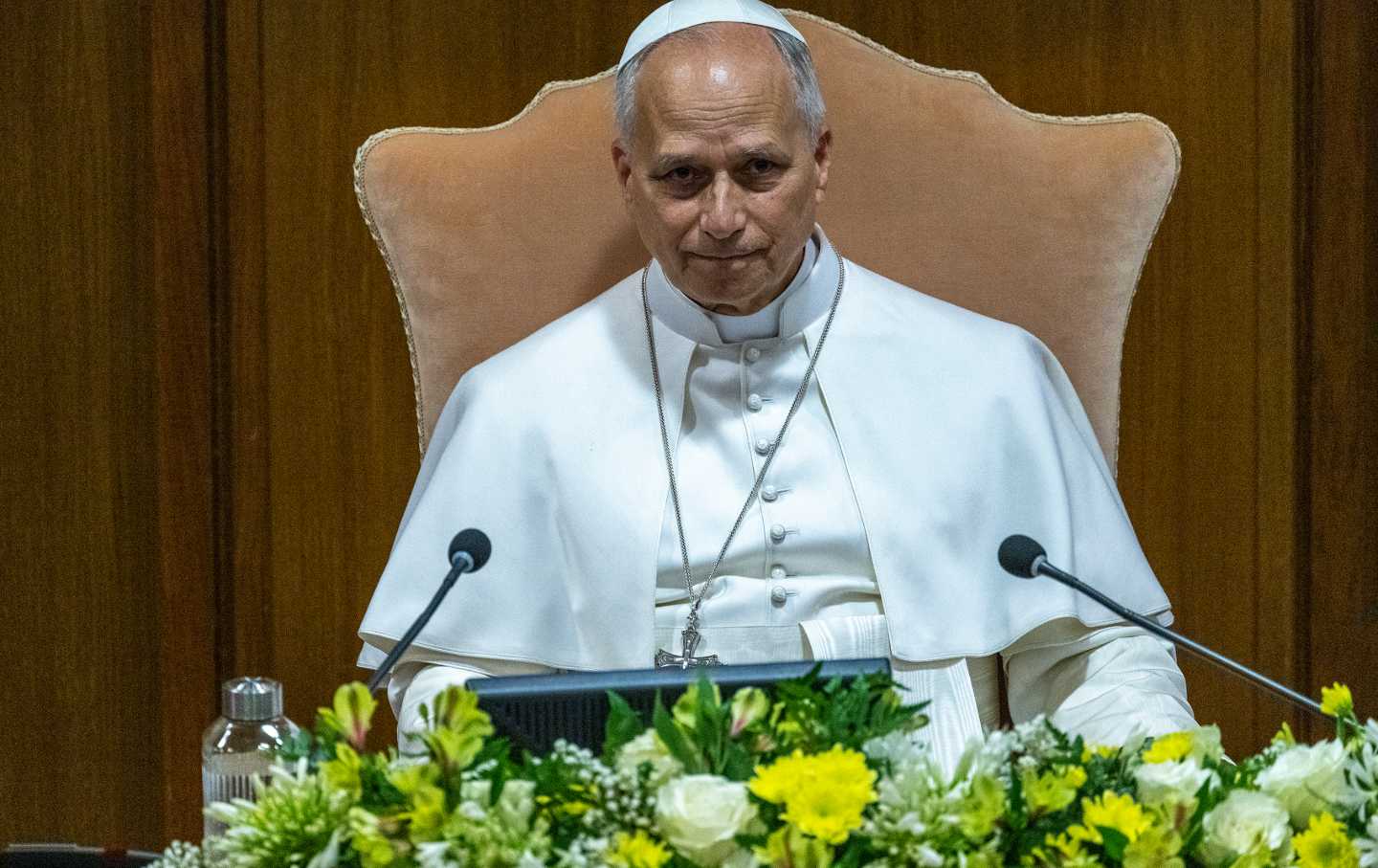
Pope Leo XIV attends the presentation of his first encyclical at the Synod Hall on May 25, 2026, in Vatican City.(Alessia Giuliani / Getty)
Something that has been oddly overlooked about Pope Leo XIV in digesting his first encyclical, Magnifica humanitas, is that he is the head of the Roman Catholic Church. The volume of takes on artificial intelligence flooding the public sphere in the last few years has been so torrential that it is tempting to think of Leo as simply one more thought leader throwing his hat into the discursive ring. And secular readers will reasonably default to bracketing everything theological in the encyclical and focusing on the parts that can speak to their own concerns in an idiom they recognize.
But Magnifica humanitas, published on May 25, is not just one AI treatise among others, nor is it merely a reflection on AI from an irreducibly theological standpoint, although it is both of those things. It is also—and foremost, in my view—a pastoral statement to the church that Leo leads, the most robust articulation to date of his vision for his pontificate, and an act of position-taking in the debates that have riven Catholicism since the mid-20th century and which have threatened, since the election of Leo’s predecessor Pope Francis, to tear the church apart. Understanding Magnifica humanitas as a fundamentally ecclesiological document is necessary not only to interpret the text correctly, but, counterintuitively, to grasp its most important lessons for the secular left.