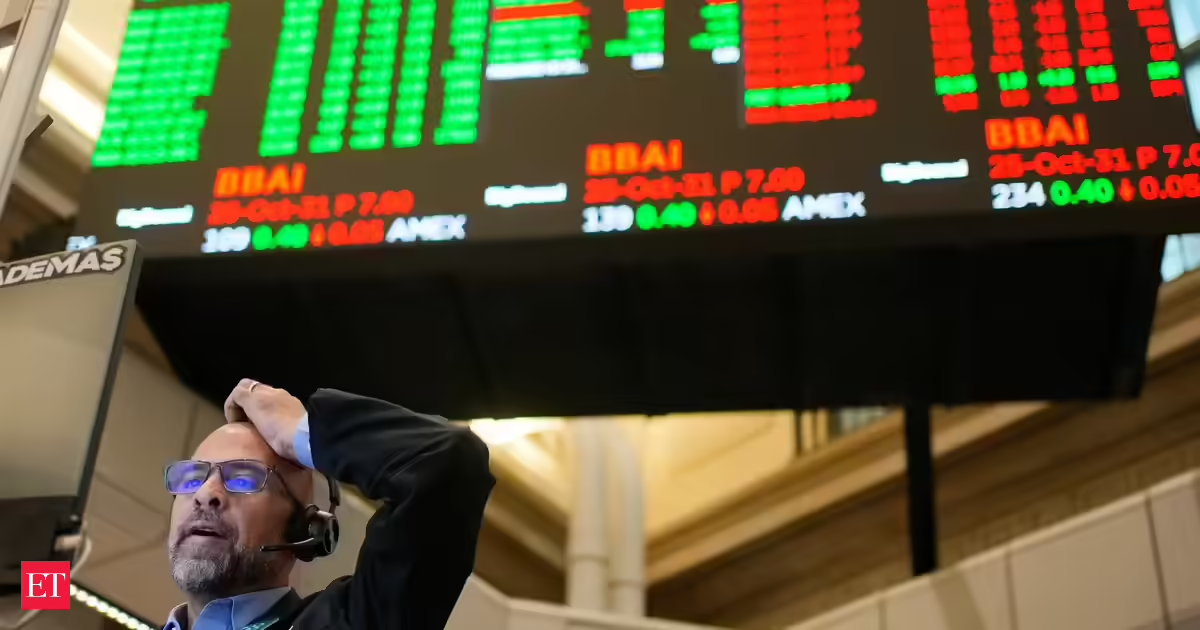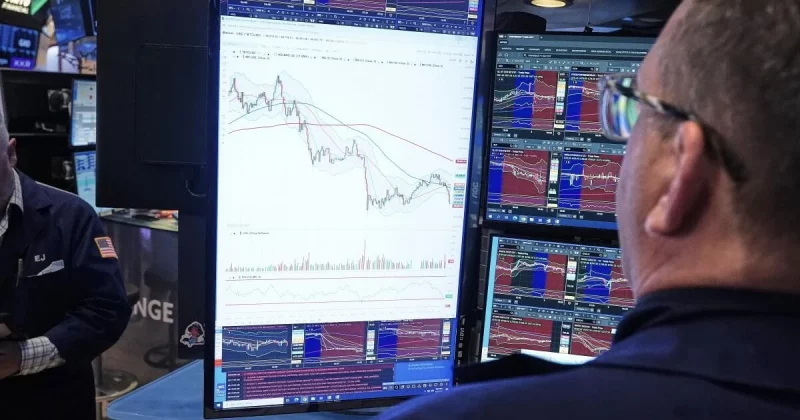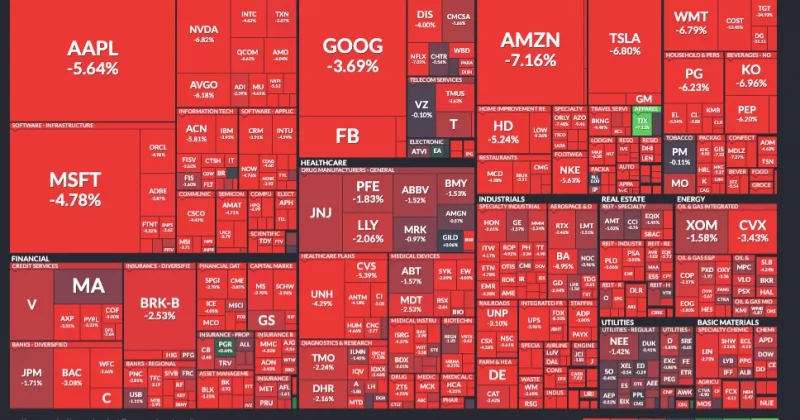
When chip stocks erased more than $1 trillion in market value on June 5 and dragged the Nasdaq down 4.18% in a single session, plenty of investors opened their brokerage apps and winced. Watching a portfolio shrink that fast raises a blunt question: is there a floor, or can a stock keep falling until you actually owe money?The short answer is reassuring, but it comes with two important exceptions worth understanding before the next selloff hits.Can a Stock Price Go Below Zero?No. A stock's price cannot fall below zero, and if you bought shares with your own cash in a standard brokerage account, the most you can ever lose is the amount you invested.Stocks represent ownership in a company, and ownership comes with limited liability.That legal structure means shareholders are never on the hook for a company's debts, so a share that becomes worthless simply goes to zero and stops there.If you put $2,000 into a stock and the company collapses entirely, your maximum loss is $2,000, not a penny more.What Happens When a Stock Hits ZeroA stock typically only reaches zero when the company goes bankrupt, as Lehman Brothers did in 2008 and Enron did in 2001.In a Chapter 7 or Chapter 11 bankruptcy, creditors, bondholders, and preferred shareholders all get paid before common stockholders, who usually recover nothing.Long before a stock actually hits zero, exchanges step in.The Nasdaq and the New York Stock Exchange can delist a stock that trades below $1 for an extended period, pushing it to over-the-counter markets where it may trade for fractions of a cent.So in practice, a true zero is rare, but a 99% loss can feel functionally identical.When You Can Lose More Than You InvestedHere is the first exception: borrowed money changes the math.If you trade in a margin account, you are using funds loaned by your broker, and under Federal Reserve Regulation T, you can borrow up to 50% of a stock's purchase price.A sharp decline can wipe out your own equity and leave you owing the broker the borrowed balance, plus interest, even after your shares are sold.The second exception is short selling, where you borrow shares, sell them, and hope to buy them back cheaper.Because a stock's price can rise without limit, the potential loss on a short position is theoretically unlimited, which is why shorting a stock is generally considered an advanced strategy.GameStop's 2021 short squeeze, when the stock rocketed from under $20 to an intraday peak near $483 in a matter of weeks, showed exactly how fast short sellers can lose multiples of their original position.Investors who want downside bets with defined risk often compare short selling against put options, since a put's maximum loss is capped at the premium paid.Wait, Didn't Oil Prices Go Negative?Yes, but that was a futures contract, not a stock.On April 20, 2020, the May contract for West Texas Intermediate crude settled at negative $37.63 per barrel, according to CME Group data, because traders holding expiring contracts faced taking physical delivery of oil with nowhere to store it.Futures carry delivery obligations that stocks do not, which is why that bizarre day has no equivalent in the equity market.What This Means During a SelloffUnderstanding how a stock selloff works makes weeks like early June easier to stomach.The recent rout was triggered by Broadcom's disappointing AI chip guidance and a hotter-than-expected May jobs report, yet chip stocks rebounded sharply within days, and Benzinga covered how the S&P 500 recovered ground as semiconductors bounced back.Investors who held diversified positions in cash accounts never faced anything worse than paper losses.If you are investing without margin, the worst-case scenario is always known in advance: the dollar amount you put in.For investors who want to keep things on that simpler footing, SoFi's active investing platform lets you buy stocks and fractional shares commission-free in a standard cash account, with no margin required to get started.One detail worth checking today: log into your brokerage and confirm whether your account is set up as a cash account or a margin account, because many platforms enable margin by default and the difference determines whether zero is truly your floor.
Can Stocks Go Negative?
Can stocks go negative? Explore what happens if they do, the impact on investors, and how stock price limits affect your portfolio and investment strategy.
689 words~3 min read