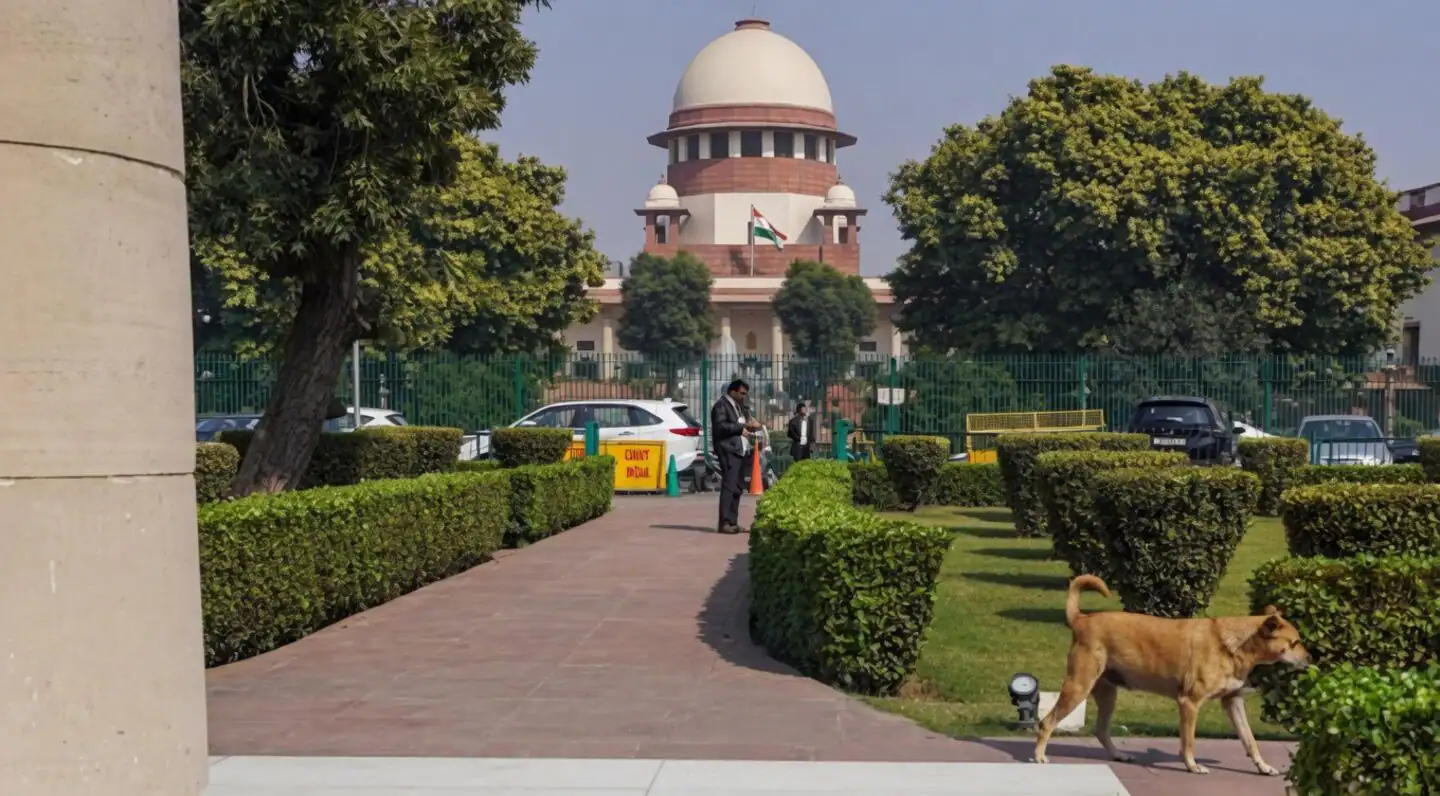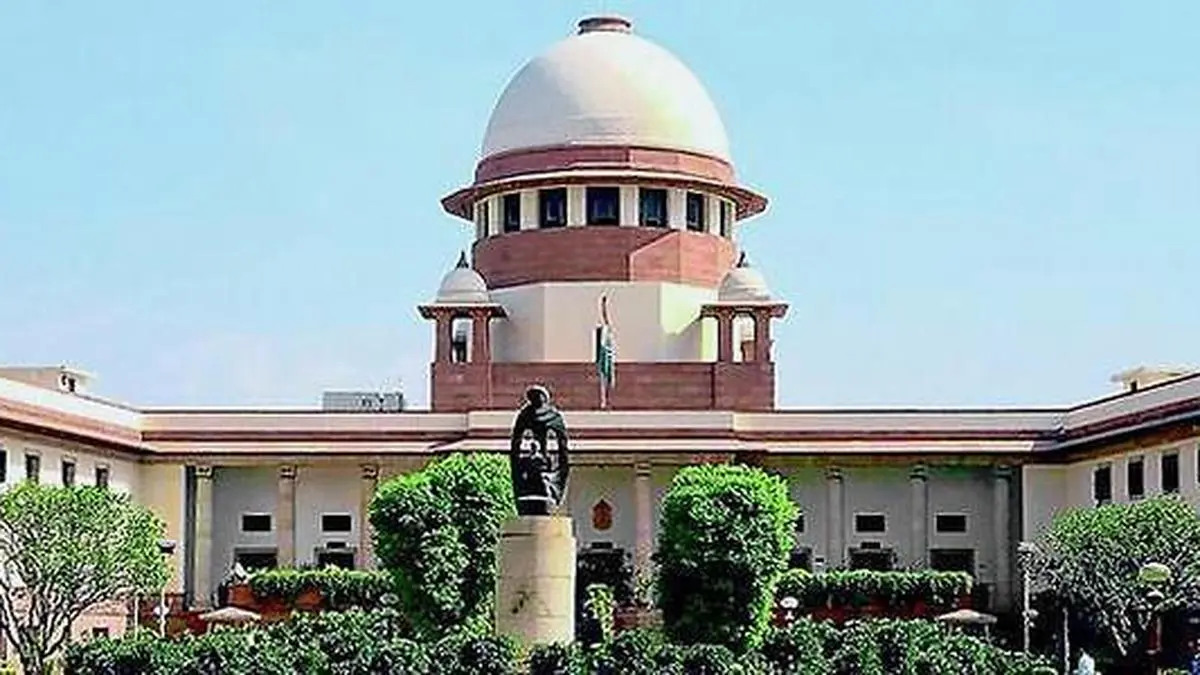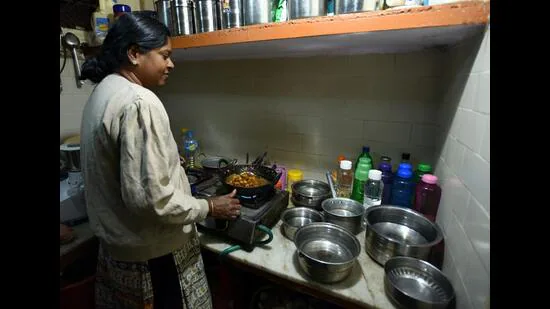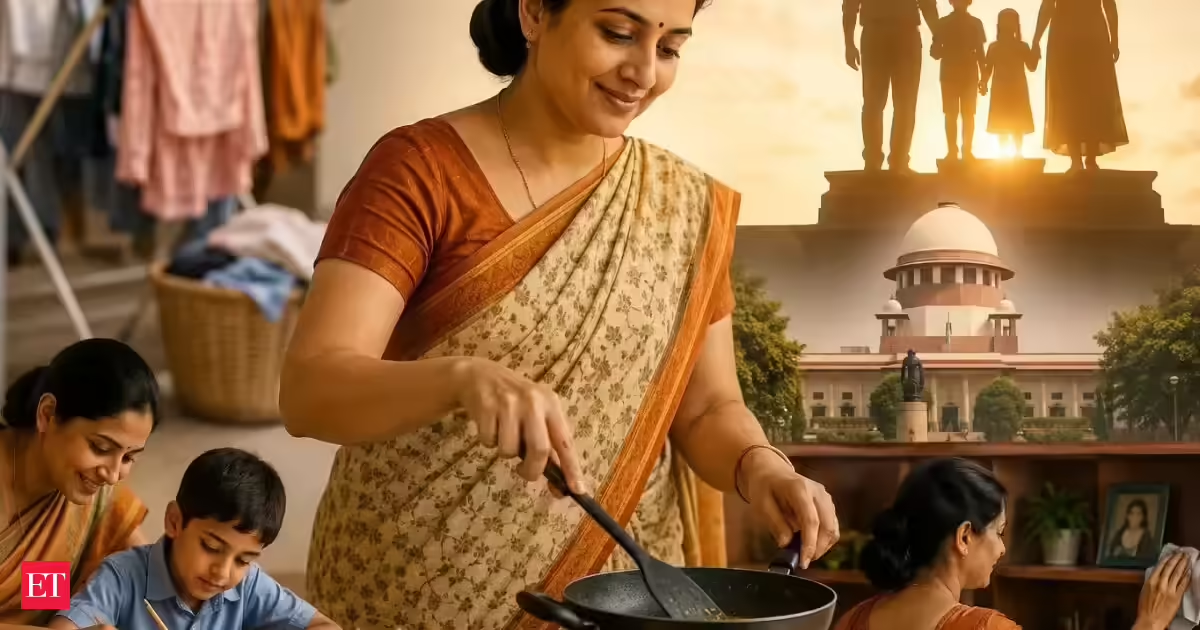
In a ruling that could reshape how unpaid household work is viewed in India, the Supreme Court has recognised homemakers as “nation builders” and said the loss of domestic care provided by them must be treated as a separate category while deciding compensation in motor accident cases. The court also fixed a notional monthly income of Rs 30,000 for calculating such loss. The judgment was delivered on Thursday by a bench of Justices Sanjay Karol and N Kotiswar Singh while hearing an appeal linked to a motor accident compensation case.Domestic care gets separate legal recognitionThe top court said the work performed by homemakers cannot be reduced to routine household duties alone. It observed that domestic care has measurable economic and social value and deserves independent recognition under compensation calculations under the Motor Vehicles Act.The bench made it clear that when a family loses the support of a homemaker due to death or incapacity, that loss goes beyond emotional impact and should also be reflected in financial compensation.Court fixes Rs 30,000 as notional monthly incomeTo bring consistency in such cases, the Supreme Court said compensation for loss of domestic care services should be assessed using a minimum notional income of Rs 30,000 per month.“Housewives contribute to the household. They are nation builders. They build the nation. How do you assess that contribution and monetise it? The word ‘homemaker’ would now acquire the acronym of ‘nation builder,” the court observed.While pronouncing the verdict, Justice Karol further said: “We are also of the view that the housewife contributes to the growth of the human being and the nation. The homemaker builds nation. So we have laid down the principles, and as a nation builder, we have quantified the amount that the loss of domestic care monthly income minimum in any event would be Rs 30,000 per month.”Beyond existing compensation categoriesThe bench clarified that this recognition of loss of domestic care would operate as an additional ground for compensation and would stand alongside categories of damages already recognised in the Supreme Court’s earlier Pranay Sethi judgment.The ruling signals a broader shift in acknowledging unpaid labour inside homes, an area that has traditionally remained outside conventional economic measurement.A message beyond the courtroomThe Supreme Court also expressed hope that the contribution of homemakers receives wider recognition in public life and legal processes.“We only hope and trust that the word Home Maker will now acquire the acronym of nation builder,” Justice Karol said.The court added that directions had been issued on implementation and expressed hope that Chief Justices across High Courts would monitor how the principles are applied.The decision follows an earlier observation made by the apex court in 2024, where it stated that the belief that homemakers do not work is misplaced and held that their deemed income should not fall below the minimum wage paid to a daily wage worker.
SC sets Rs 30,000 monthly income for housewives, calls them 'nation builders'
The Supreme Court has declared homemakers as nation builders. Their domestic care work will now be recognized as a separate category for compensation in motor accident cases. A notional monthly income of Rs 30,000 has been fixed for calculating this loss. This ruling aims to provide financial recognition for unpaid household labor.
475 words~2 min read