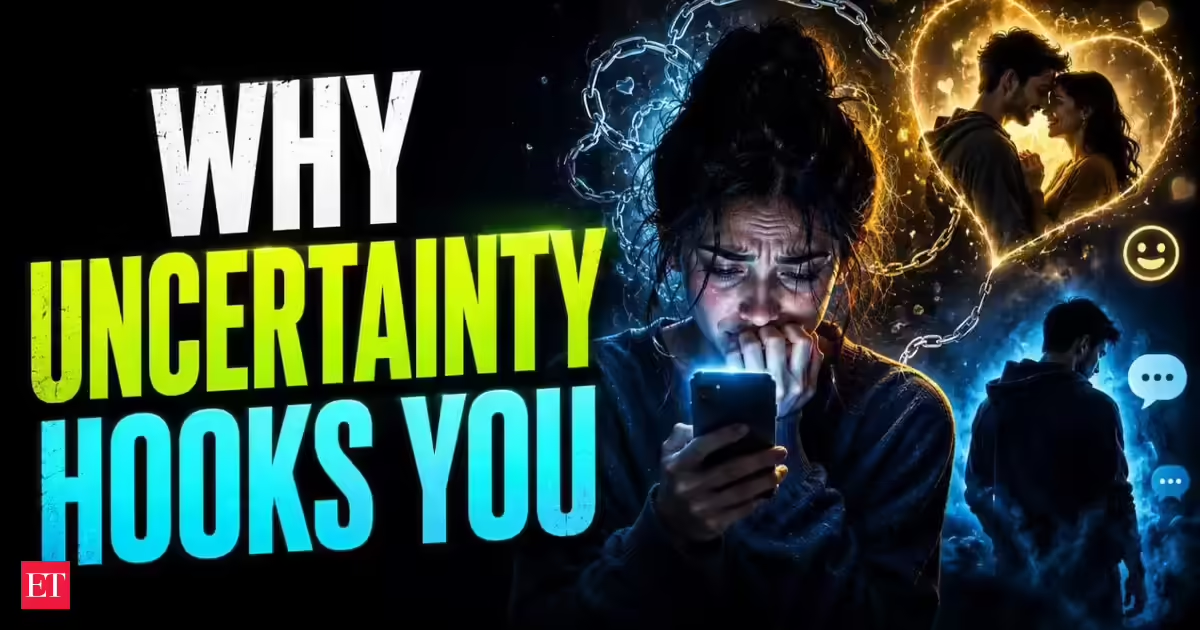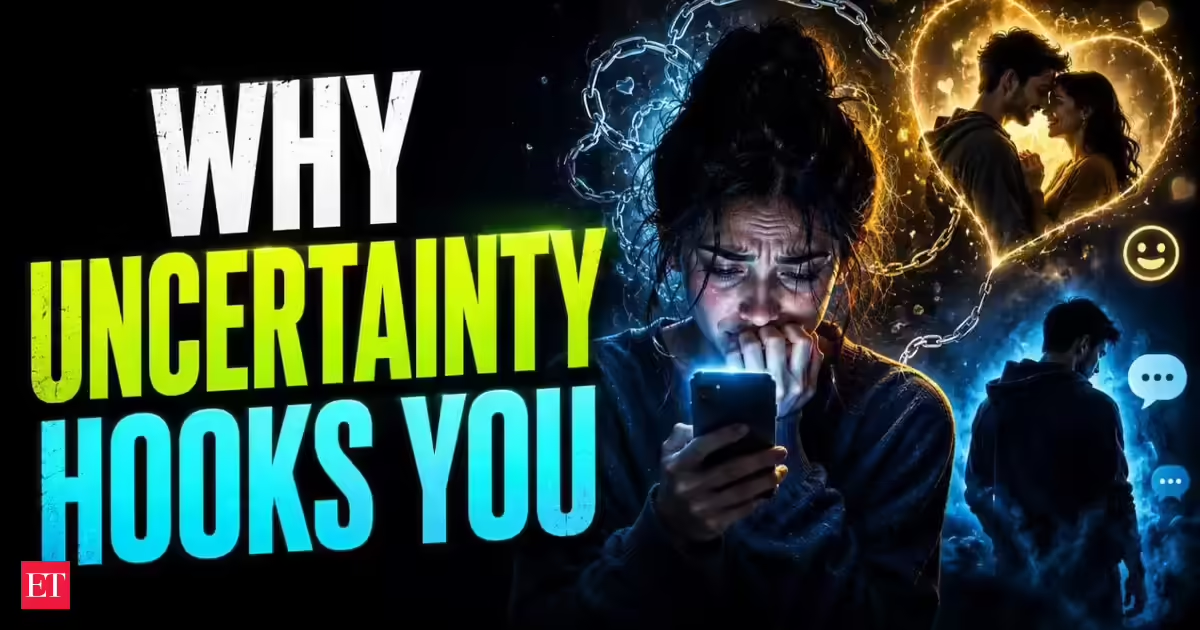
Many people have experienced the confusion of being close to someone who appears deeply interested one day and emotionally distant the next. At first, the relationship feels promising. Conversations flow easily, affection is present, and the connection appears genuine. Then, without warning, the person begins withdrawing, becoming harder to reach, less expressive, or emotionally unavailable.Psychology suggests that this behavior is not always manipulation or lack of interest. In many cases, it reflects an internal conflict between the desire for connection and the fear of emotional vulnerability.These individuals often want love just as much as anyone else. The challenge is that genuine intimacy can trigger discomfort, anxiety, and a strong urge to create distance. As a result, they may move closer when they feel lonely and pull away when the relationship becomes emotionally significant.The Push-Pull Pattern Is Often Linked to Attachment TheoryOne of the most widely studied explanations comes from Attachment Theory, which suggests that early relationship experiences influence how people approach closeness and intimacy later in life.Individuals with avoidant attachment tendencies often value independence and self-reliance. While they may enjoy companionship and affection, they can become uncomfortable when relationships require deeper emotional openness.As intimacy increases, their brain may begin interpreting closeness as a threat to personal freedom or emotional safety. This creates what psychologists call a push-pull dynamic, where a person seeks connection but retreats once the relationship becomes more serious.A modern example might involve someone who enthusiastically plans dates, sends affectionate messages, and talks about the future, only to become distant after the relationship starts feeling emotionally secure.Why Emotional Intimacy Can Feel ThreateningMost people assume that love automatically feels safe and comforting. Psychology suggests that for some individuals, emotional closeness can activate anxiety rather than security.Researchers studying emotional regulation have found that vulnerability requires people to lower their psychological defenses. Doing so creates the possibility of rejection, disappointment, or emotional pain.For someone who has experienced past heartbreak, inconsistent caregiving, or difficult relationships, intimacy may unconsciously become associated with risk. The result is a paradox: the person wants connection but becomes uncomfortable when that connection is finally available.Fear of Vulnerability Often Hides Behind Emotional DistancePsychologists frequently describe vulnerability as one of the foundations of healthy relationships. However, not everyone feels comfortable expressing fears, insecurities, or emotional needs.Some emotionally unavailable individuals have learned to protect themselves by limiting emotional exposure. They may avoid difficult conversations, suppress feelings, or withdraw when conflicts arise.A modern example is someone who enjoys spending time with a partner but changes the subject whenever conversations become deeply personal. The behavior is often misunderstood as indifference when it may actually be self-protection.In these situations, emotional distance functions as a coping mechanism rather than a lack of caring.The Brain Often Chooses Safety Over ConnectionAccording to cognitive psychology, the brain is constantly trying to protect people from perceived threats. Unfortunately, the brain does not always distinguish between physical danger and emotional discomfort.When a relationship becomes serious, some individuals begin imagining future risks. What if they get hurt? What if the relationship fails? What if they become too dependent on someone else?Psychologists refer to this tendency as avoidance coping, where people manage anxiety by creating distance from situations that make them uncomfortable. While this strategy may reduce anxiety temporarily, it often prevents deeper emotional bonds from developing.Why Emotionally Unavailable Partners Can Feel So AttractiveInterestingly, emotionally unavailable people often create strong emotional reactions in others. Part of the reason involves uncertainty.Research suggests that uncertainty can increase emotional focus and attention. When affection feels inconsistent, people naturally spend more time trying to understand the relationship.A partner who occasionally withdraws may become more emotionally captivating than someone who consistently communicates their feelings. This dynamic can create confusion because emotional intensity is often mistaken for emotional compatibility.What Psychology Really Says About Emotionally Unavailable PartnersPsychology does not suggest that emotionally unavailable people are incapable of love or intentionally trying to hurt others. Human relationships are far more complicated than that.Research indicates that attachment patterns, fear of vulnerability, avoidance coping, emotional regulation challenges, and past relationship experiences can all contribute to the push-pull behavior many people find confusing.The important distinction is that wanting love and being comfortable with intimacy are not always the same thing. Some people genuinely desire connection, yet struggle when that connection becomes emotionally real.Understanding this difference can help explain why a person may pull someone closer one week and create distance the next, not because they do not care, but because closeness itself feels overwhelming.Social Media Has Made the Pattern More VisibleTechnology has amplified many relationship behaviors. Today, people can observe changes in texting frequency, online activity, story views, and social media engagement. When an emotionally unavailable partner begins pulling away, these digital clues often become sources of anxiety.Someone may notice shorter replies, fewer interactions, or reduced communication and immediately assume the relationship is ending.Psychologists suggest that digital communication can magnify relationship uncertainty because people receive fragments of information without full context.FAQsWhat does it mean when someone wants love but fears closeness?Psychologists suggest it often reflects a conflict between the desire for connection and discomfort with emotional vulnerability.Are emotionally unavailable people incapable of relationships?No. Many emotionally unavailable individuals want meaningful relationships but struggle with intimacy, trust, or vulnerability.
Psychology says some people want love but fear closeness. Why emotionally unavailable partners pull you in, then suddenly push you away
Psychology does not suggest that emotionally unavailable individuals are incapable of loving others or deliberately seeking to cause harm. Human emotions and relationships are far more complex, shaped by a wide range of personal experiences, attachment patterns and emotional challenges.
865 words~4 min read