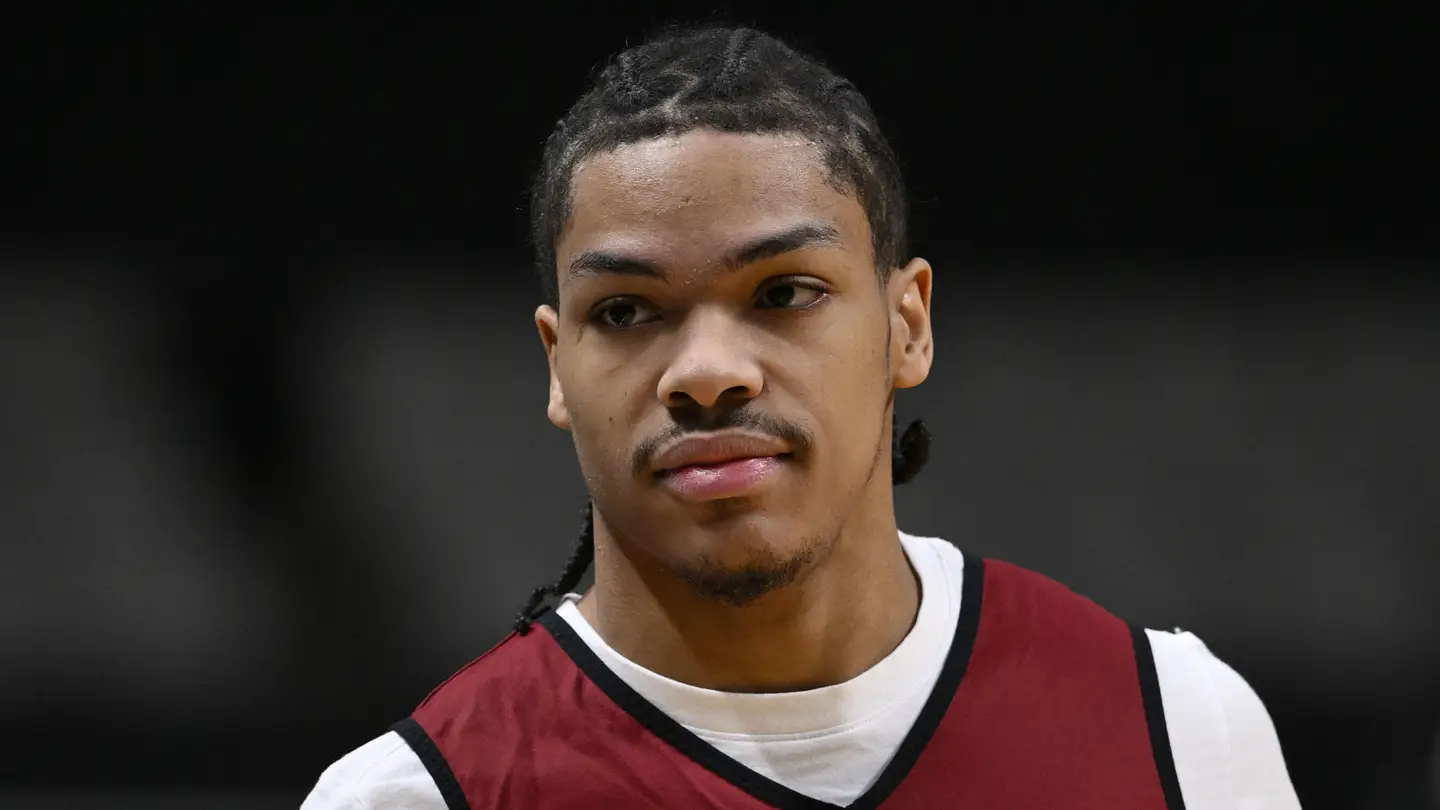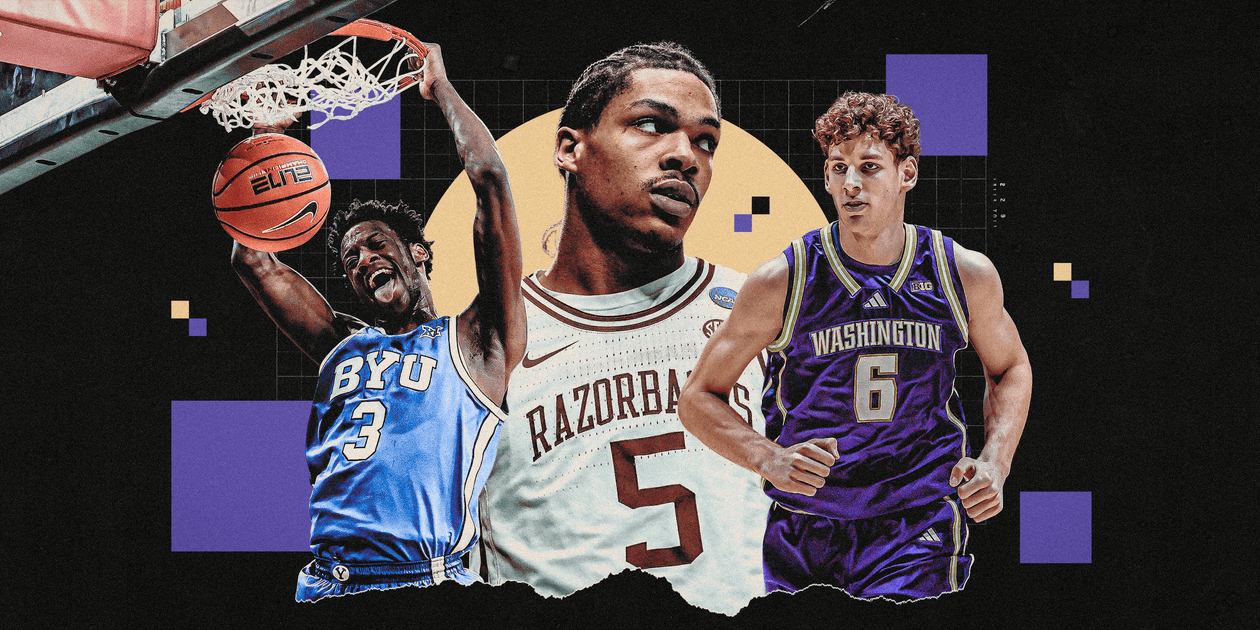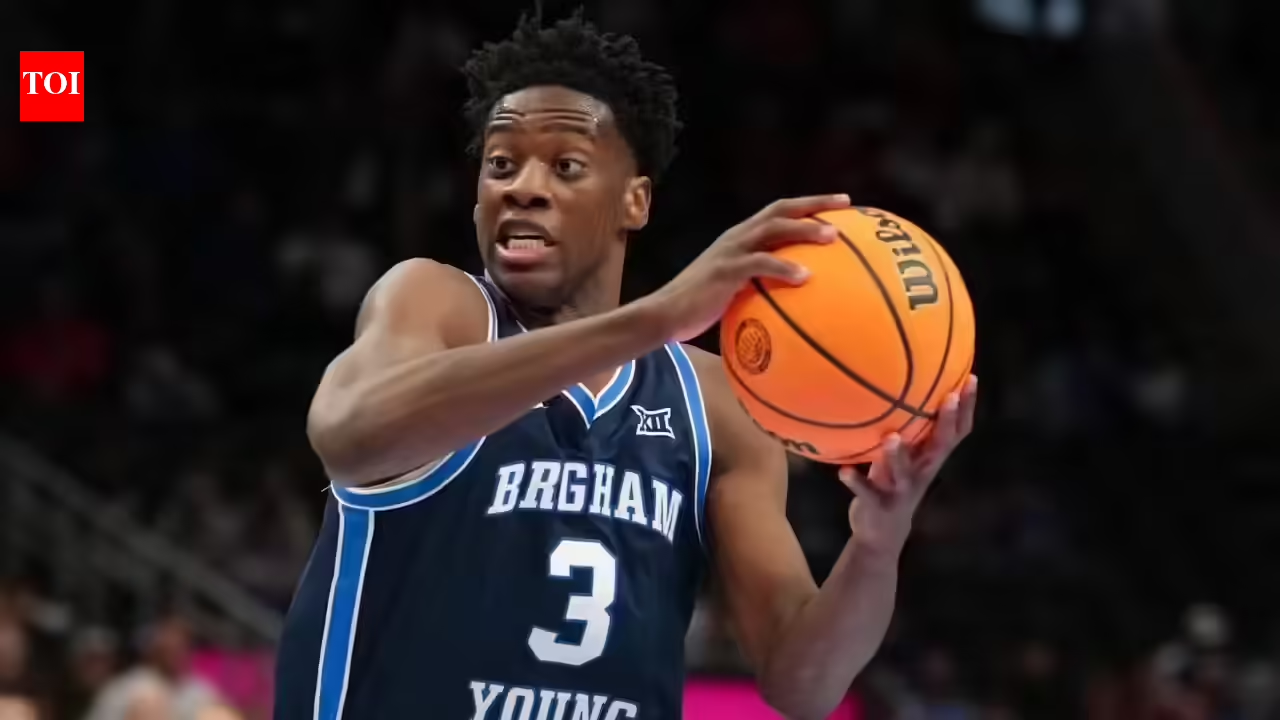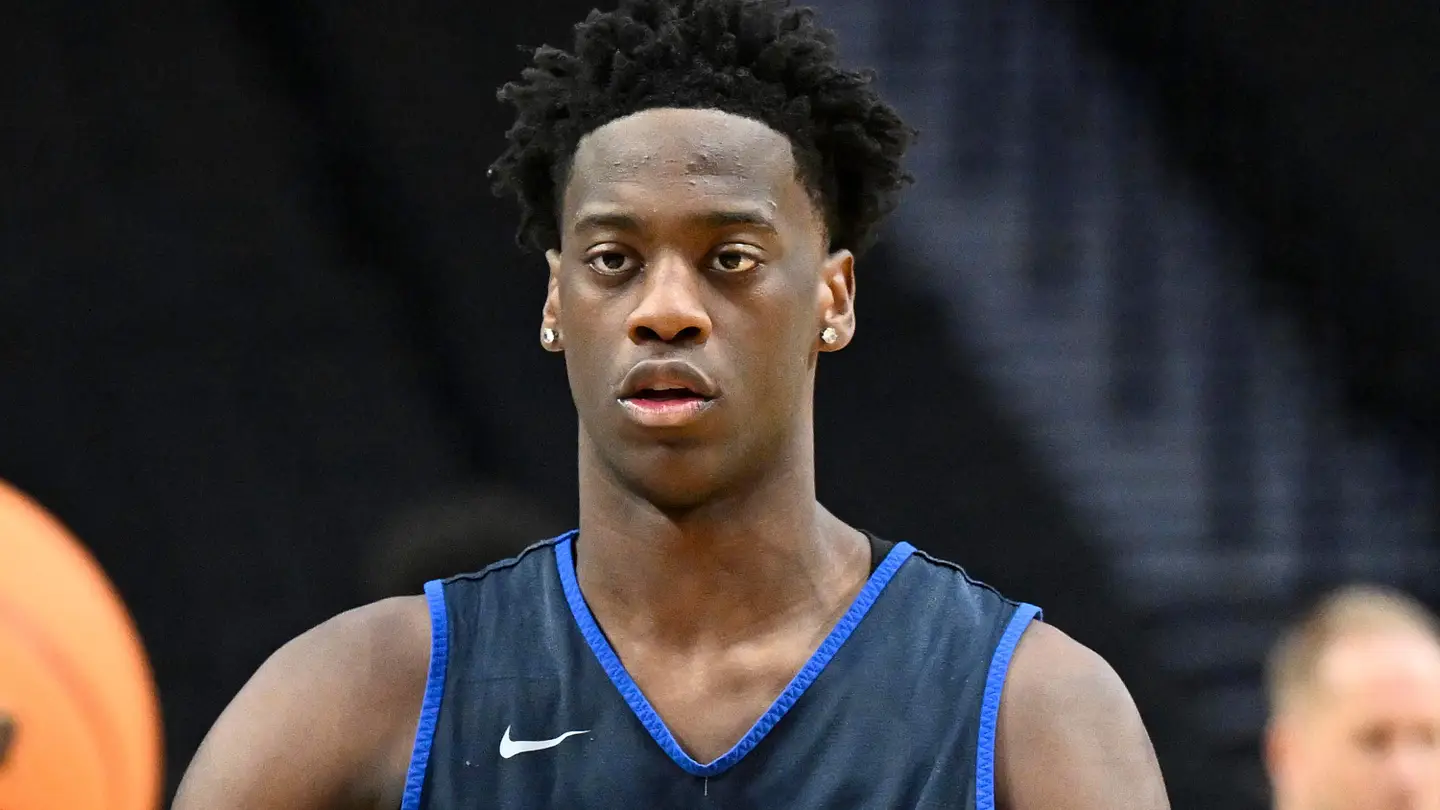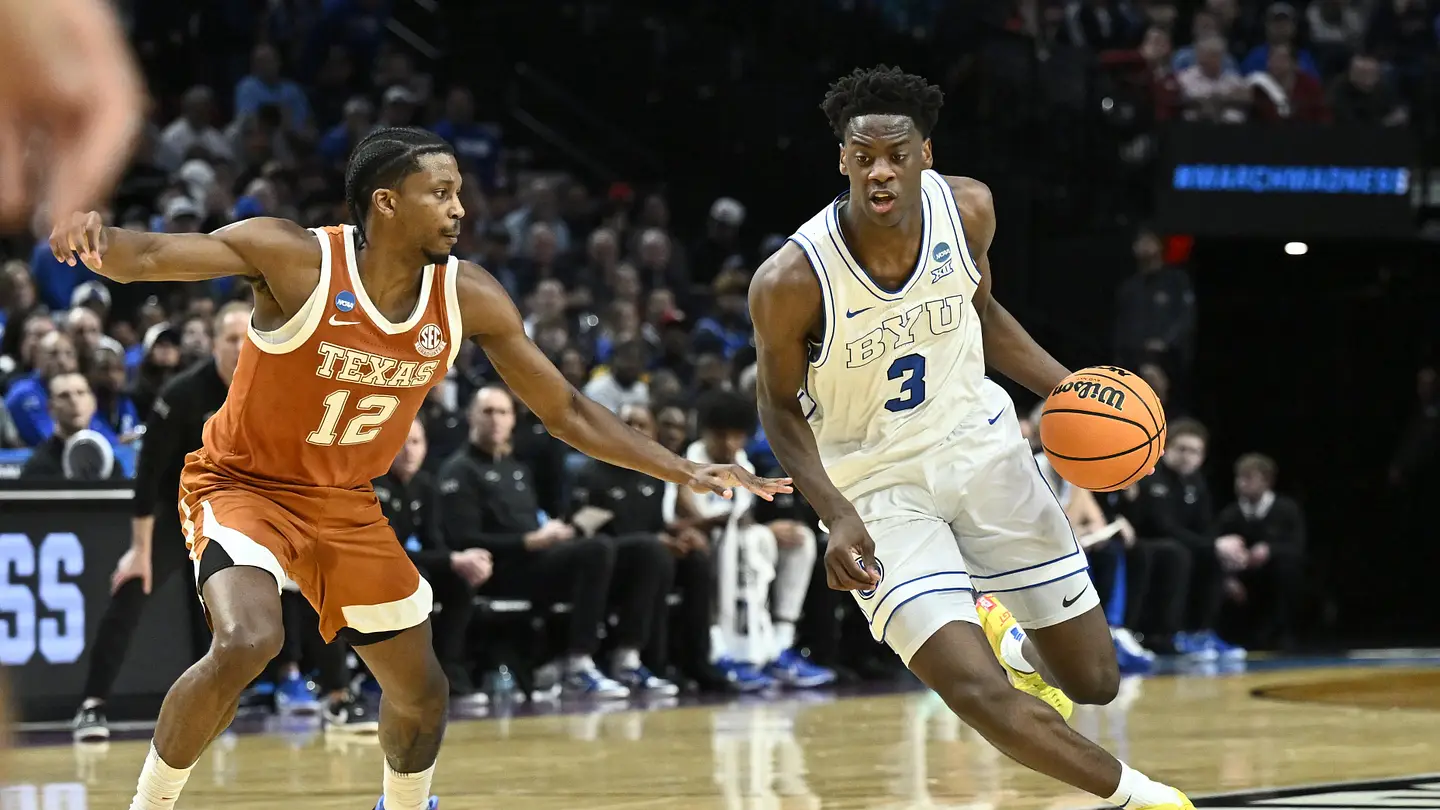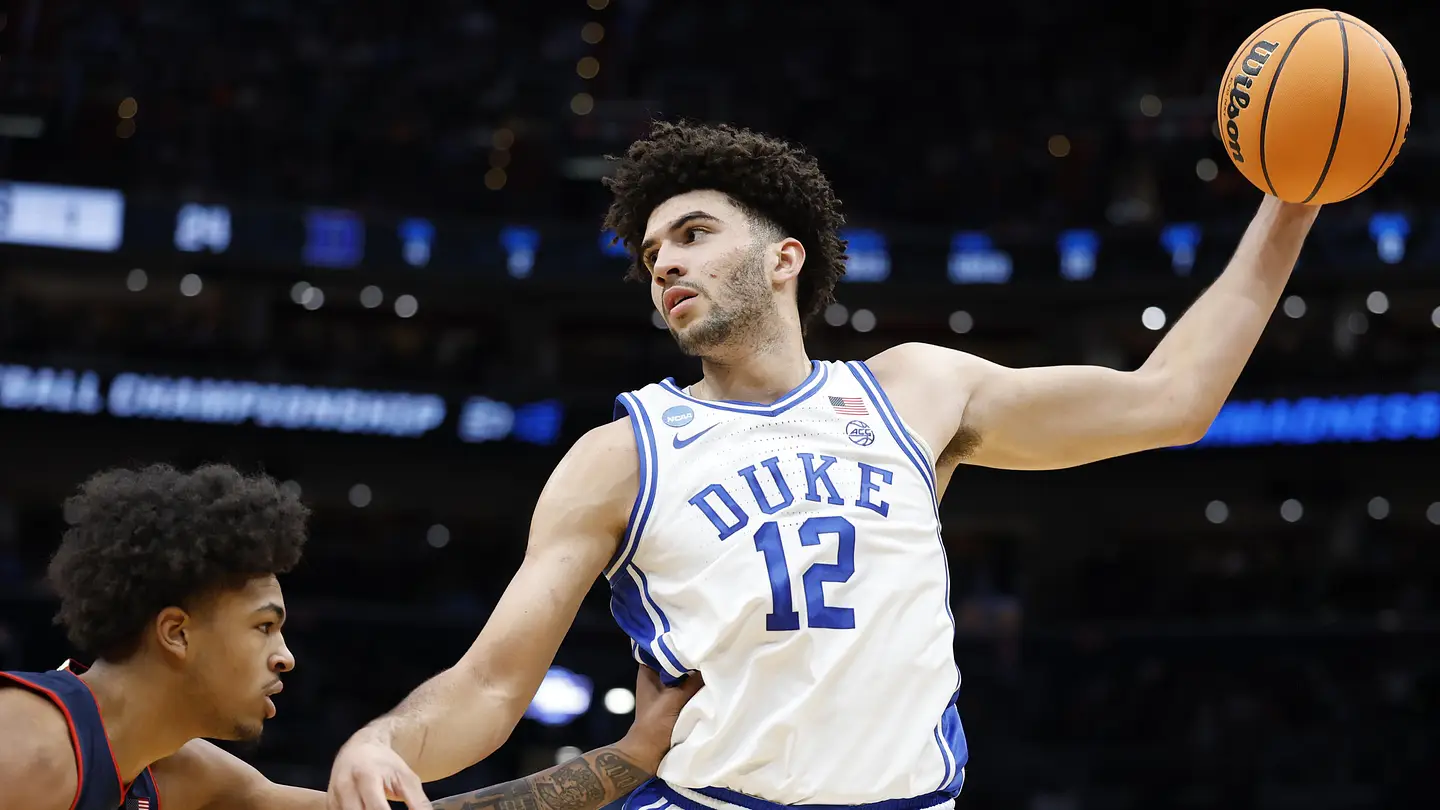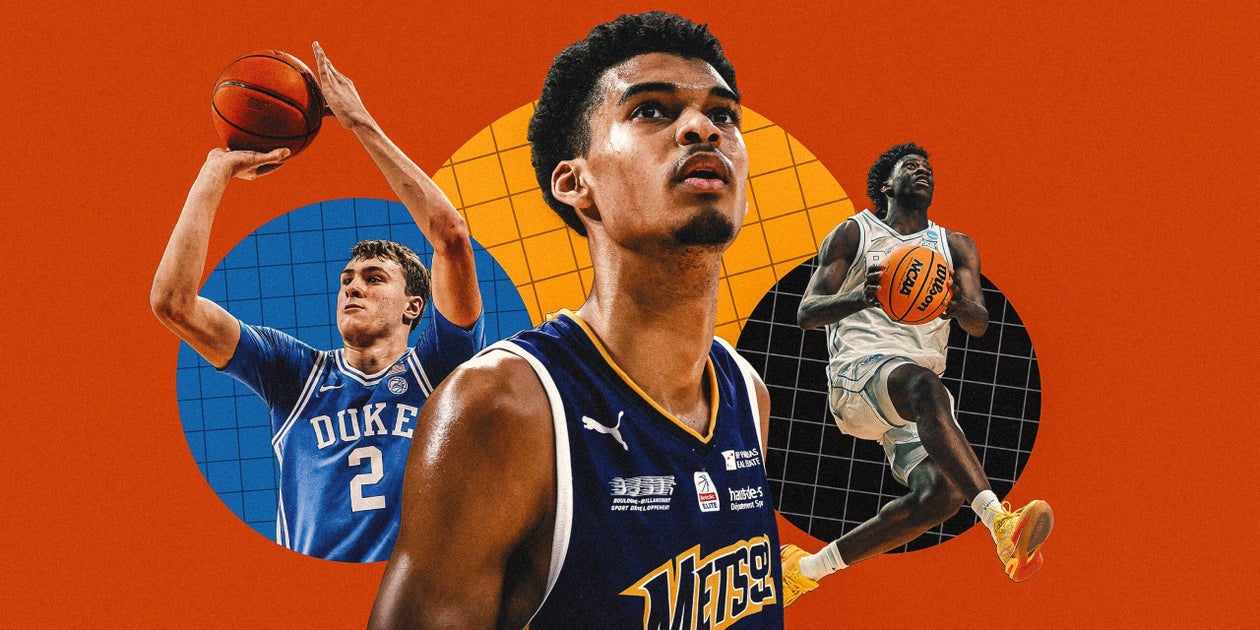
I’ve been evaluating NBA Draft prospects professionally for more than a decade, first at CBS Sports and now at The Athletic. So let’s re-heat a project I did last season, assessing where the best prospects in the 2026 NBA Draft would rank if I were slotting them compared to every other draftee I’ve evaluated since 2015.How strong is the top end of the 2026 class? Four players who will be drafted later this month are listed within my top-20 prospects. However, none of those players are inside the top five, which also reflects conversations I’ve had with NBA executives about whether there is truly a No. 1 player on a title team in this class.Still, teams and fans of teams with top-four picks in this draft should be absolutely thrilled, as they’re locked into getting an elite prospect.A few notes:• The players who fell off last year’s list to make way for the new four? Brandon Ingram, LaMelo Ball, Jabari Smith Jr. and Paolo Banchero.• The highest-graded players on my board who didn’t make the previous list? Jahlil Okafor, D’Angelo Russell, James Wiseman, Anthony Edwards, Jalen Green and R.J. Barrett. The big miss is obviously Edwards, who went No. 1 in 2020. I was too skeptical of his ability to consistently create rim pressure and paint touches, as he often settled for pull-up jumpers.• There are only two drafts not represented here. The most recent one is 2024, which featured zero Tier One or Tier Two players. No player in that class would have even rated within my top-35 prospects of the decade. The 2020 class is also not featured with Ball falling off. That makes sense looking back, as that class featured an immense level of uncertainty given the pandemic. But with Ball, Edwards, Deni Avdija, Tyrese Haliburton and Tyrese Maxey emerging as franchise players, it’s clear I undervalued that class.• This list is based solely upon how I graded these players as prospects when they entered the draft, not how they played as pros.1. Victor Wembanyama | 7-4 center | Metropolitans 92 | 2023Wembanyama is the clear No. 1 prospect, because we had never seen a player like this before. That’s not to say that truly special talents like Kareem Abdul-Jabbar (then Lew Alcindor), Ralph Sampson, Shaquille O’Neal and LeBron James weren’t as impressive; rather, we’d never seen a 7-foot-4 human who could dribble, pass and shoot at this level as a teenager. Maybe if Sampson and Abdul-Jabbar had been born in this era, they would have developed those skills.But Wembanyama was entirely novel. Essentially, he projected to be Rudy Gobert-like on defense while also being a legitimate shot creator and shot-maker on offense. It’s a truly absurd combination of skills.Wembanyama is the highest-upside prospect to enter the NBA since LeBron, and his performance through his first three years in the NBA has only put an exclamation mark on his game. All he’s done is lead the San Antonio Spurs to the NBA Finals before the end of his rookie-scale contract while finishing third in MVP voting, winning the Defensive Player of the Year award and being named First Team All-NBA.I don’t think we’ll see a prospect like Wembanyama again in quite some time.2. Cooper Flagg | 6-8 wing | Duke | 2025Flagg and the next guy on this list are the clear contenders for the No. 2 spot. Flagg is safer when it comes to health, as he’s never suffered a major injury.Flagg led Duke to a Final Four, an ACC title and a 35-4 record as a freshman. On offense, he became a highly skilled mismatch nightmare who could bully smaller players by backing them down, shooting over the top of them or posting up. Or he could hammer bigger players by getting off-balance, and either going around them to the rim or hitting a stepback. When defenders collapsed onto him, he always made the right reads. And then on defense, he was a force in help all season and competed on the ball at a high level. It wouldn’t stun anyone if he makes an All-Defensive team at some point.He’s also one of the most competitive, winning-focused teenagers to enter the NBA in a long time. He wants to be great, but he does whatever it takes for the team to win. He plays hard all the time and is relentless in his aggression on both ends. He gives energy to his teammates and is all sorts of tough and fearless. He’s the easiest person to buy into becoming a winning basketball player because he amplifies those around him. Outside of Wembanyama, Flagg has the best combination of a ridiculously high floor and also a ridiculously high ceiling if everything goes right in his development. He has a chance to become the next apex wing in the NBA.Flagg won Rookie of the Year this season with the Dallas Mavericks, averaging 21 points, 6.7 rebounds and 4.5 assists. He looks like a future superstar.3. Zion Williamson | 6-6 wing | Duke | 2019When Williamson played at Duke, he had the best blend of power and explosiveness I’ve ever seen on a basketball court. Built more like an elite defensive end than a traditional basketball player, Williamson waddled around between plays but was an undeniable force once the game began. The way he leaped with force but then hung in the air like he was levitating is still a unique viewing experience.He was sudden with his movements as a ballhandler, freezing defenders with nasty inside-out moves before pulling up from the midrange. He was more comfortable shooting from distance then than he is now. His ability to pressure the rim was unique then and has translated to the NBA when he’s been on the court.Alas, the injury concerns were there before the draft with Williamson. He suffered a foot injury in high school, a thumb injury at the McDonald’s All-American game, a minor knee injury in the spring of 2017 and a right knee sprain at Duke. While Williamson was remarkably skilled for his size, there were worries he would lose some of his elite explosiveness as he aged.Still, Williamson’s upside at the time was seen as potentially the best player in the NBA. He’s clearly the No. 3 player here.Cade Cunningham has fulfilled his potential with the Detroit Pistons. (Ken Blaze / Imagn Images)4. Cade Cunningham | 6-6 guard | Oklahoma State | 2021I was higher on Cunningham than many entering the 2021 NBA Draft. I had him as my lone Tier 1 player in that class largely because of how he created shots for both himself and his teammates. Going back to his final year at Montverde (Fla.) Academy, Cunningham possessed a unique ability to control the game at a high level. He and Luka Dončić are likely the two most polished ball-screen creators to enter the league in a long while; both have enormous frames that allow them to maintain advantages in drop-coverage situations with defenders trailing, or in switch situations where they would get matched up against smaller players in guard-to-guard actions.In both high school and college, Cunningham showed he could hit every passing read off a live dribble with either hand, something that has translated nicely to the NBA, given that he averaged 9.9 assists per game this season for the Detroit Pistons.Cunningham’s ability to separate in isolation was questionable because he wasn’t all that fast. Defensively, he was OK, not great. Cunningham was also a turnover machine at Oklahoma State, averaging four per game. That hasn’t changed in the NBA. And yet, it didn’t worry me enough to think that Cunningham wouldn’t be a tremendous, All-NBA caliber talent. And that has played out over his rookie-scale deal.Troy Weaver, the former Pistons’ general manager, did a catastrophic job of building around Cunningham for three years before the team fired him and hired Trajan Langdon. After a summer of focusing on shooting, Cunningham made Third Team All-NBA in his fourth season. Then he led Detroit to the No. 1 seed in the Eastern Conference in his fifth season, earning First Team All-NBA status. Yeah, he’s turned out just fine.5. Karl-Anthony Towns | 6-11 big | Kentucky | 2015Towns was a part of what is still the best college basketball team I have watched in recent memory: the dominant, platoon-based, 38-1 Kentucky Wildcats who ran the table before losing to Wisconsin in the 2015 Final Four. Towns in the middle was the key to all of it.His college numbers looked relatively pedestrian: 10.3 points, 6.7 rebounds and 2.3 blocks. But he did that in just 21.1 minutes per game while playing on a laughably loaded team where no one averaged more than 11 points. He was wildly efficient as a post player with clearly elite touch, and everyone who saw him in high school knew he could shoot even though he made only two 3s during his collegiate season. He looked like a mismatch nightmare with his ability to dribble, pass and shoot at 7 feet tall. His defense looked like the easiest translatable skill. He swatted shots with impunity, finishing top 20 in the country in block rate. He rebounded well and was used in a variety of ball-screen coverages effectively.His pro career has gone differently, even though he has made three All-NBA teams. Towns has become arguably the best 7-foot shooter at the center position in league history. He’s a career 39.7 percent 3-point shooter on 3,097 career attempts, won the 3-point contest at All-Star Weekend in 2022 and will enter the top 100 all-time in 3-point makes next season. On defense, Towns turned into a difficult player to build around early in his career but he has drastically changed the perception of his career during the Knicks’ run to the NBA Finals this year. He’s done a great job defensively and showcased serious toughness in all aspects of his game.6. AJ Dybantsa | 6-9 wing | BYU | 2026Dybantsa has long been seen as a potential No. 1 pick, and as a freshman at BYU he averaged 25.5 points while shooting 51 percent from the field, 33 percent from 3 and 77.4 percent from the line. You can count the number of players who matched those marks on two fingers. He has better physical tools than any wing I’ve seen in a while. His ability to play with elite bend mixed with explosiveness allows him to consistently get into the teeth of the defense as a straight-line driver. In transition, he’s an absolute menace. His nose for the foul line is second to none. He has all of the tools to become an apex wing shot creator in the league, but he’ll need to iron out some parts of his game. That’s why he’s ranked sixth here. First, he needs to improve as a shooter from distance. His midrange game is strong, but he can lean on that too aggressively sometimes. He’s a good passer, but he will occasionally miss passing reads. Defensively, Dybantsa is a good, switchable on-ball defender but has moments of not disrupting the game as well as you’d expect.Still, Dybantsa is a special prospect, and one who projects exceptionally well in the NBA because of how effective he is at creating rim pressure, in addition to his improved shooting. It’s not impossible that he could average 30 points per game at some point.
Where do AJ Dybantsa, Cameron Boozer rank among NBA Draft prospects since 2015?
Four players in the 2026 draft class rank among the best 20 prospects Sam Vecenie has evaluated in the past 11 years.
5,719 words~26 min read