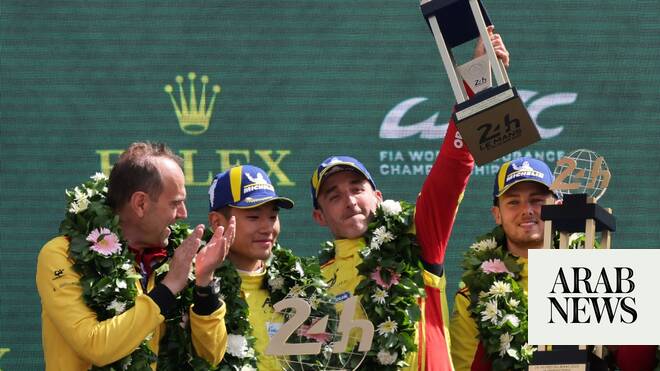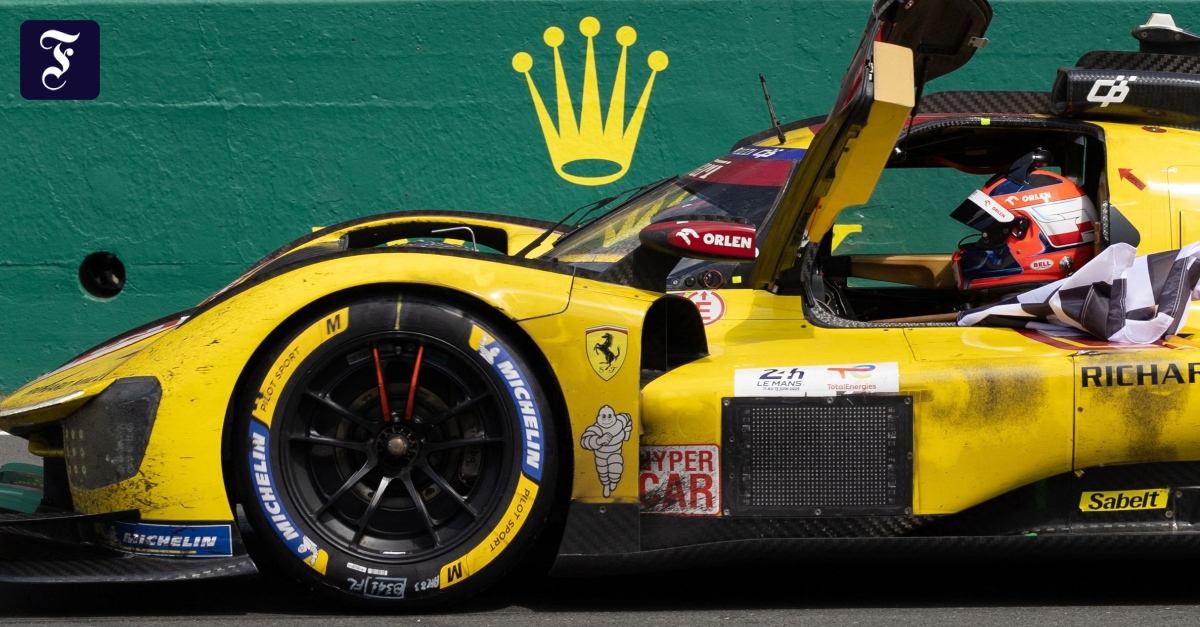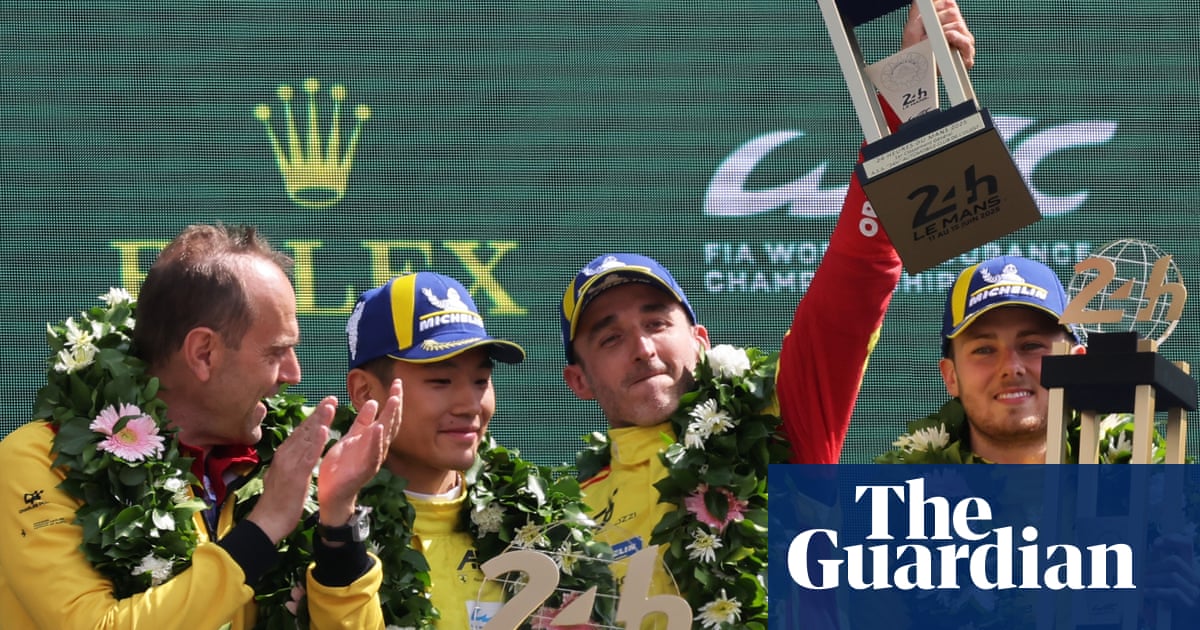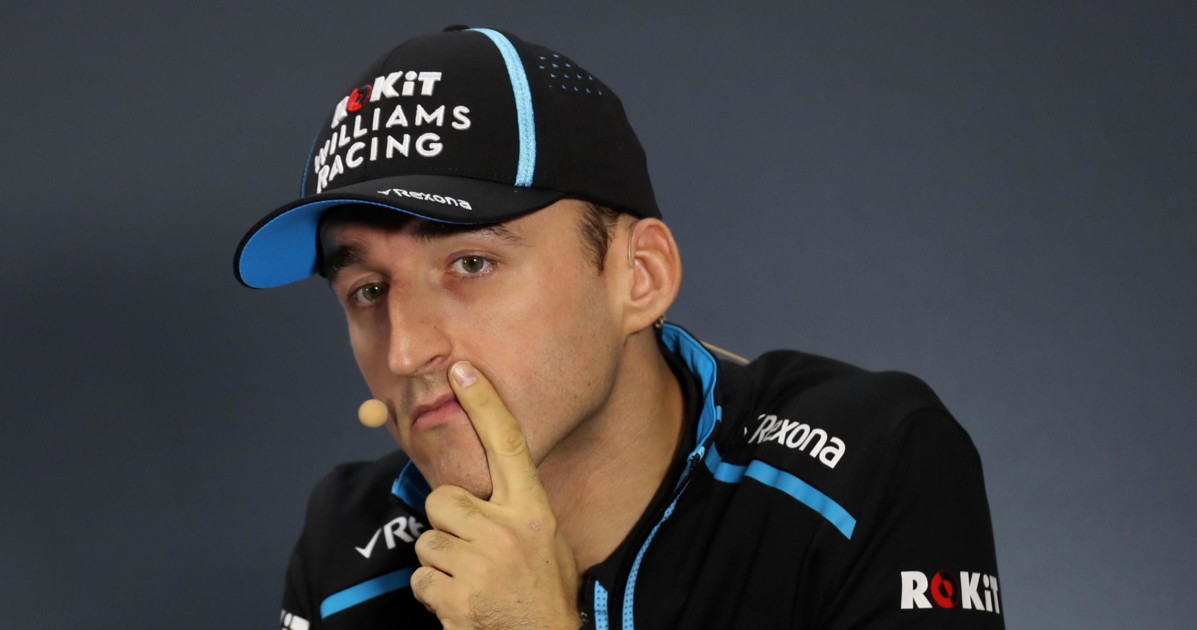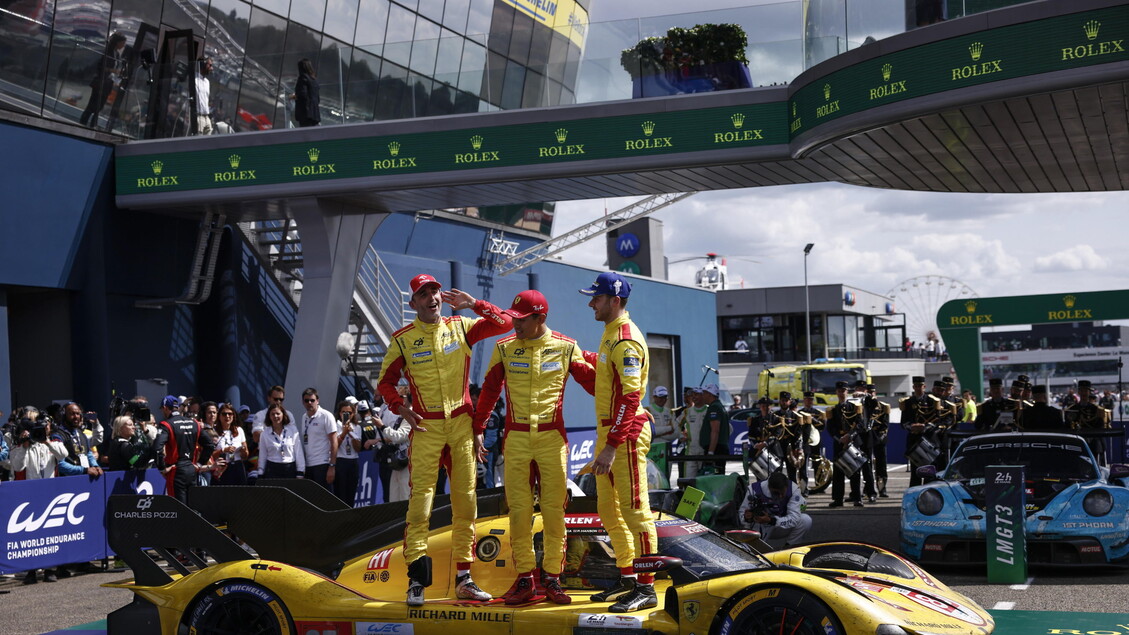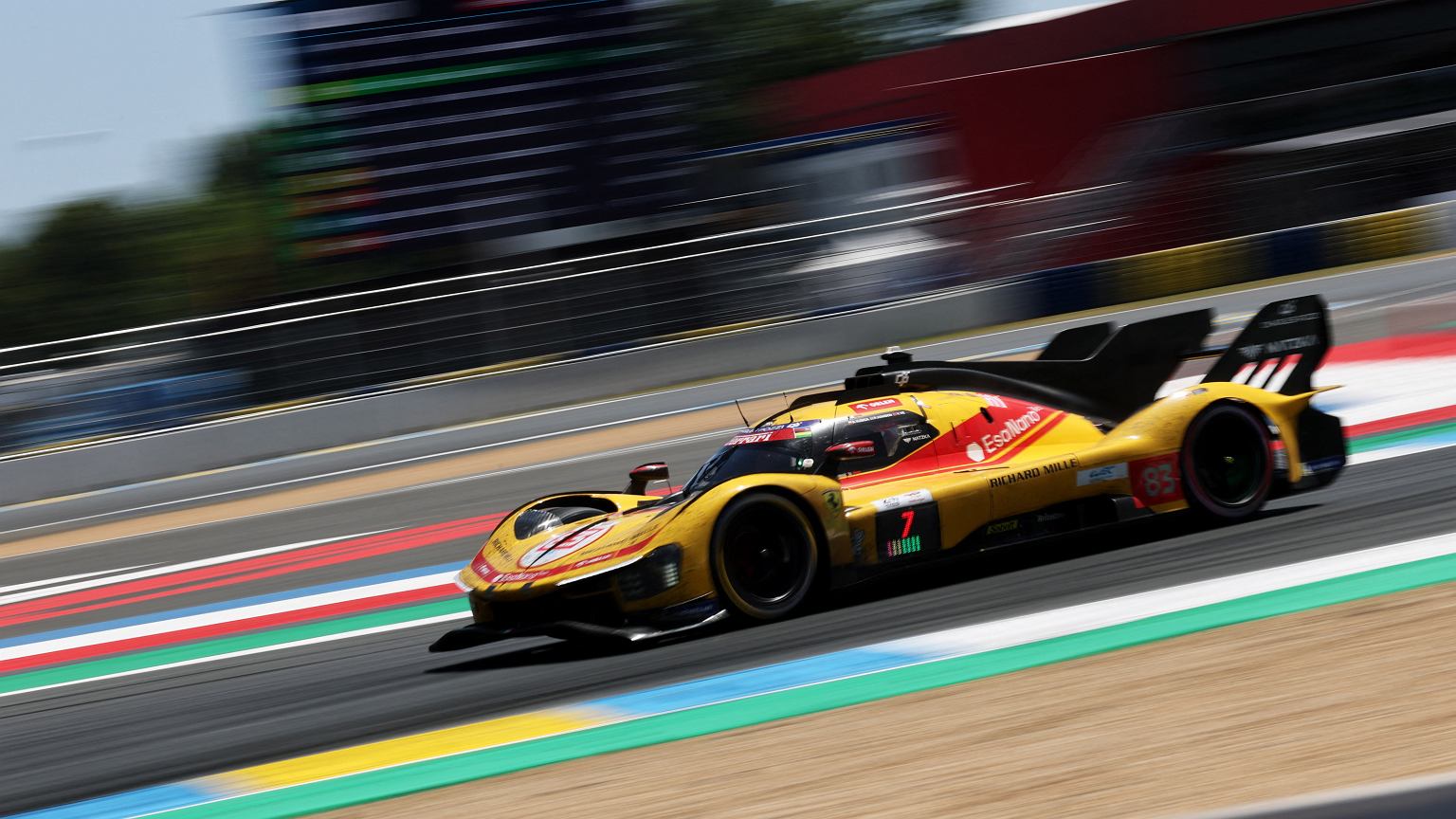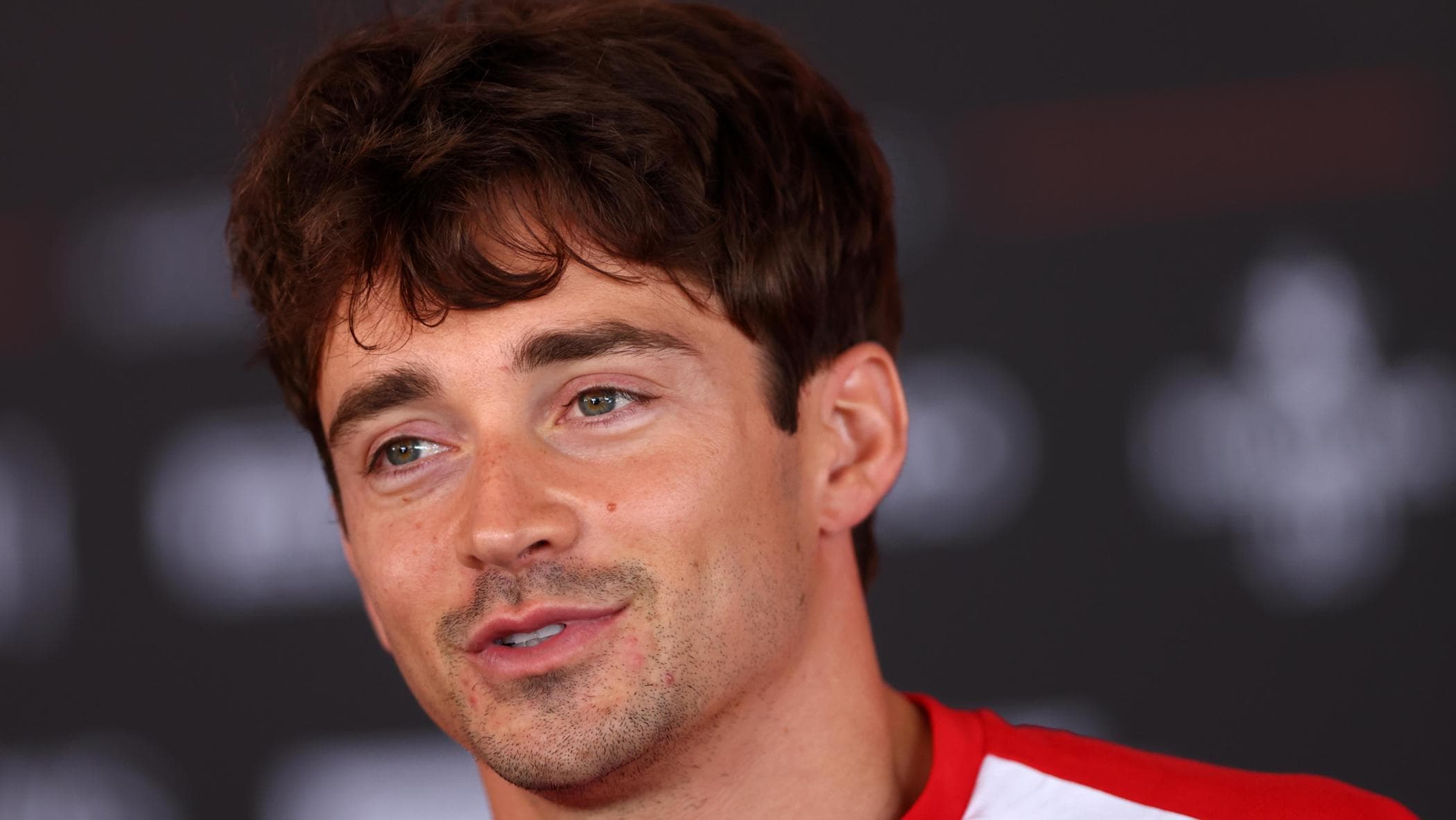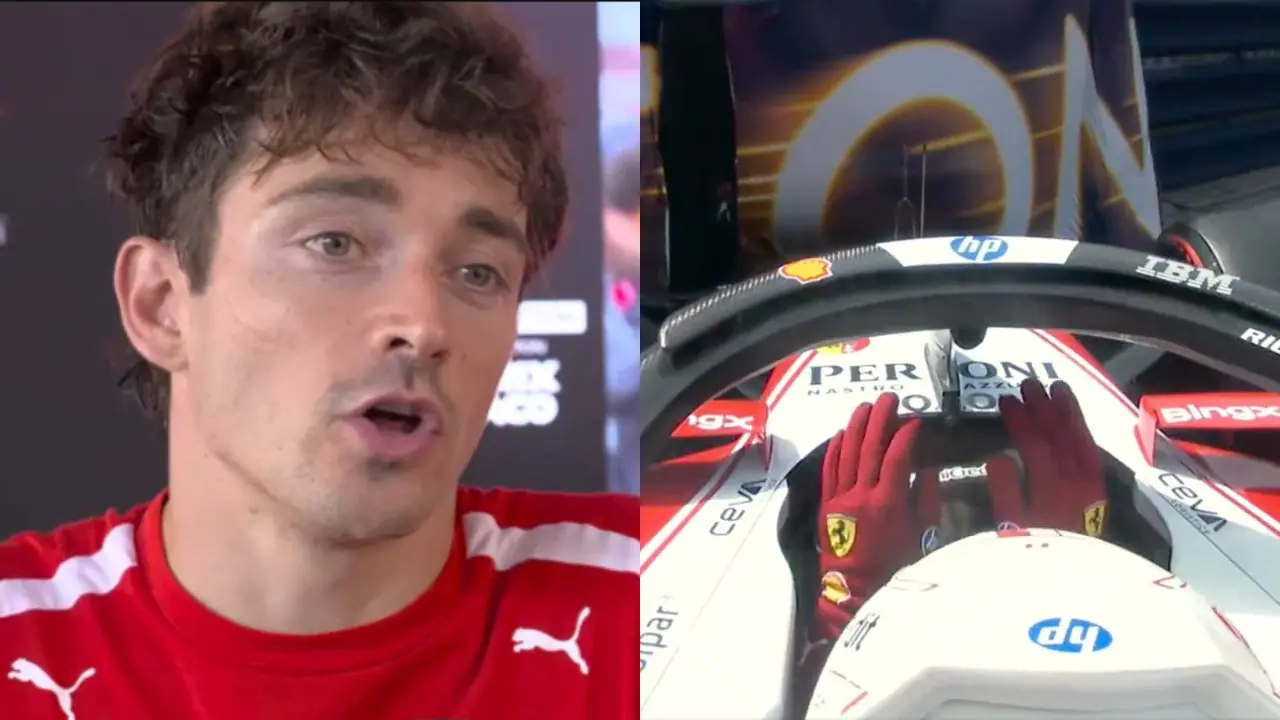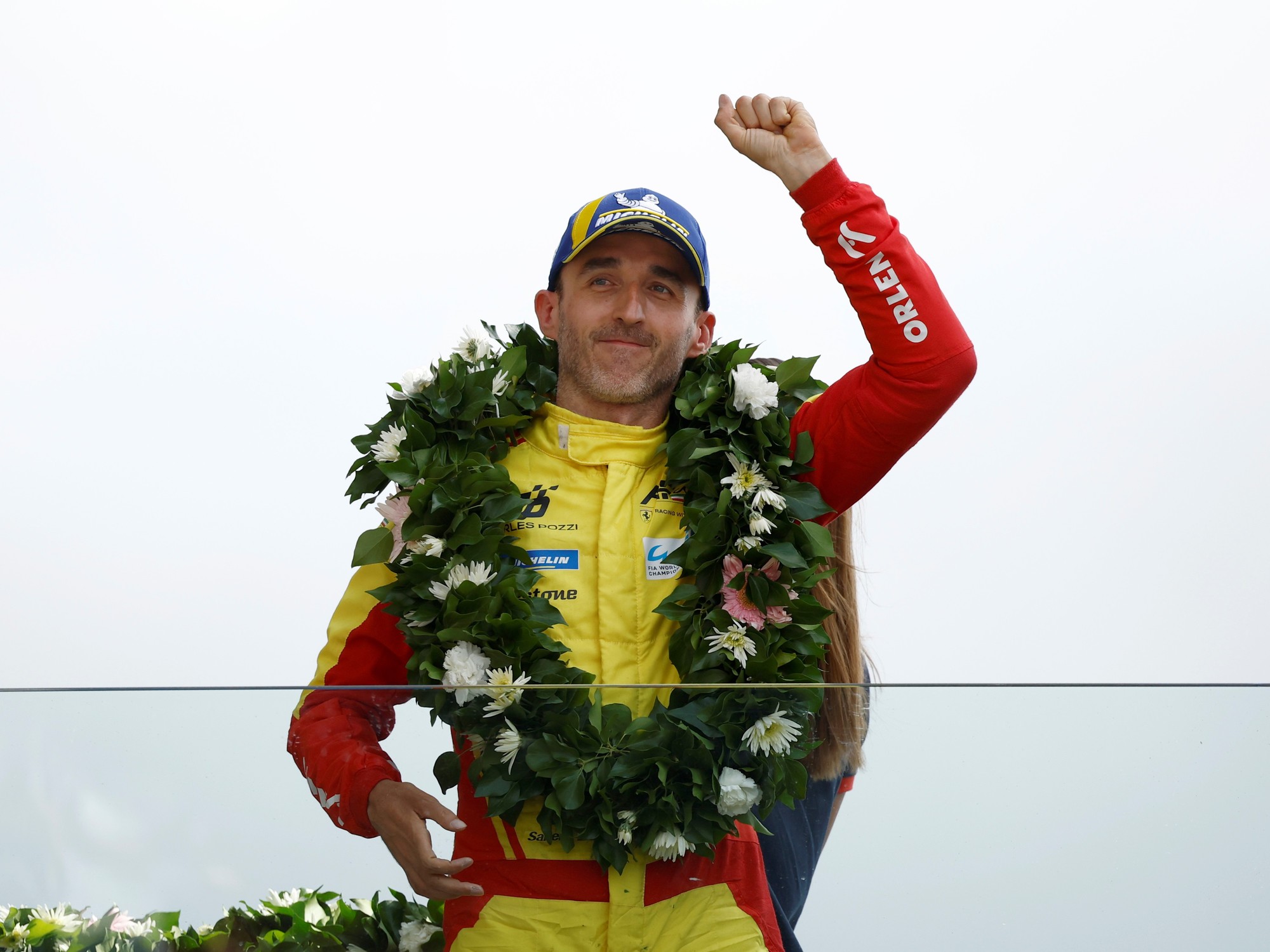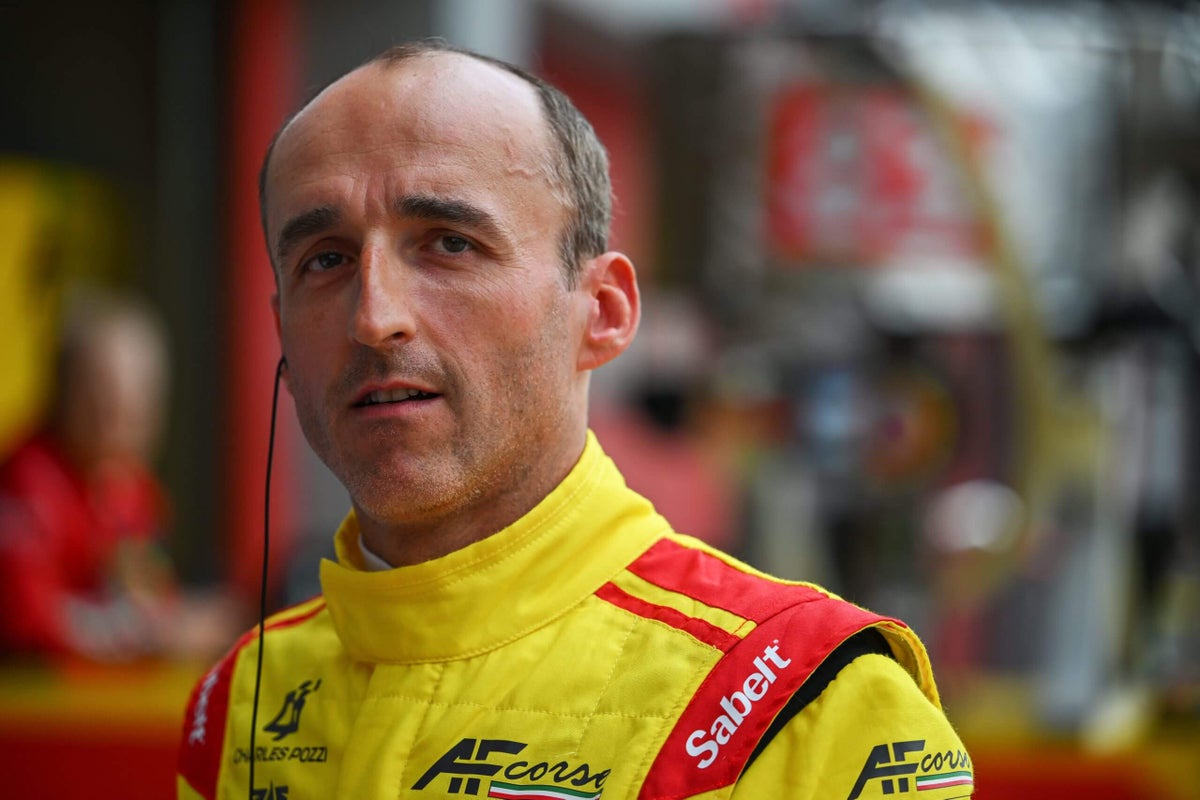
Regret is not a feeling that Robert Kubica dwells upon when discussing his racing career.But there is one thing he never got the chance to do.“In so many years, I kind of accepted many things, and I’m fine with what happened in my life, and I went beyond it,” Kubica, now 41, told The Athletic.“But to miss the opportunity to drive for Ferrari in F1 has always been creating some kind of emotions.”On another timeline, Kubica would have gotten that opportunity. In that alternate timeline he would have signed a pre-contract agreement with Ferrari with a view to joining the team for 2012. Wearing the famous red suit and racing alongside Fernando Alonso, he would have surely added to his single grand prix victory achieved with BMW in 2008, and perhaps even fought for a world championship.Kubica was a contemporary of Lewis Hamilton as they rose the racing ladder, and was widely regarded as one of the elite talents in the sport through the late 2000s. There was so much promise.An accident in February 2011 changed everything.Taking part in a rally event ahead of that new F1 season, where he was due to race for Renault, Kubica crashed into a barrier that pierced the cockpit of his car and partially severed his right forearm. He was trapped in the car for more than an hour and suffered fractures to his shoulder, elbow and leg, as well as a significant loss of blood.F1 driver Robert Kubica’s wrecked rally car is towed away following a severe crash at the Ronde di Andora Rally in Italy on February 6, 2011. (STR / AFP via Getty Images)It left him fighting for his life. Several surgeries followed to stabilize Kubica and operate on his injured arm. His exceptional fitness and strength, thanks to his F1 career, helped him through the rehabilitation, but his dream of driving a Ferrari was over.What followed was what should be regarded as one of the greatest comebacks in motorsport history, if not all of sport. Kubica not only got behind the wheel of a racing car less than 18 months after his accident, starting in rally events, but he made it all the way back to F1.Initial tests with Renault through 2017 showed Kubica could again manage F1 machinery despite the more limited mobility and dexterity in his right arm and hand. In 2019, he raced full-time for Williams before making a number of stand-in appearances for Alfa Romeo as its reserve driver through 2021.An astonishing return, yet Kubica was never in a car capable of fighting for very much, scoring just a single point in his comeback. His next step into sports car racing, entering the famed 24 Hours of Le Mans, offered a better chance to whet that competitive appetite.And then in 2024 came the opportunity to drive a Ferrari. Kubica knew what he had to do.“Probably if I would not take it, I will, in many years’ time, live with the regret of not having done it,” Kubica said. “That’s why I ended up here.”Kubica is clear that he is not technically a Ferrari driver. He races for Ferrari’s customer team, AF Corse, in the World Endurance Championship’s top category called Hypercar. But he has the same car, the Ferrari 499P, as the two Ferrari factory cars at Le Mans, emblazoned with its Prancing Horse logo. The honor is not lost on him. “The Ferrari aura and history is huge,” he said.The #83 AF Corse Ferrari 499P on track during practice for the 2026 Le Mans 24 Hours (Ker Robertson / Getty Images)Yet Kubica is now very much a part of the brand’s story at Le Mans, having been the lynchpin in the #83 AF Corse car’s victory in 2025 alongside Phil Hanson and Yifei Ye. Out of the 24 hours, Kubica was in the car for almost half the race (11 hours and 22 minutes), setting a new record for the most drive time by a driver in the winning car.It was a monumental effort to help capture Ferrari’s 12th outright victory at Le Mans and third in a row — and the greatest accolade of Kubica’s racing career to date.“Winning Le Mans is something special, achieving it for the third time in the row for a Ferrari car,” Kubica said. “I think it’s the most demanding race probably I ever raced. The one which is most challenging, and also because of 24 hours, you can never relax, and you can never think, ‘yes, the race will go well.’”The bumper stint behind the wheel portrayed Kubica’s character and mentality. The competitive animal that made him such a bright talent in F1 never diminished despite his setbacks. He remains relentless.“He’s an incredibly hungry driver, even at his point in the career, where I think with potentially other drivers you don’t see that hunger stay at that level,” said Hanson, 26, who is Kubica’s crewmate in the #83 car.“I can’t imagine if he was ever more hungry than this, because I don’t know if that would even be possible. If I saw myself at his age, at his point in the career, would I be able to keep that motivation up? I don’t know. It’s incredibly impressive.”Kubica offered insight into his mindset and focus, which did not revolve solely around winning. “In my life, I think I have only three or four seasons where I really felt like we had everything needed to fight for the championship,” Kubica said. “I learned that in motorsport, if you will be only result-oriented, probably I would have given up! Passion is a key point.”To him, finishing sixth or seventh, when that was the best possible result, meant more than finishing second or third while leaving more on the table.“At Spa in 2010 with Renault (F1), I finished third,” Kubica said. “If you look at my face on the podium, I was so pissed off because I did a small mistake, which cost me one position. So I learned this is my characteristic. I’m looking forward to going home happy, which doesn’t necessarily mean winning or finishing on the podium.“I’m focused more on the quality and efficiency of work and seeing progress, which is fundamental.”Ferrari AF Corse’s Robert Kubica signs autographs for fans ahead of the 2026 WEC 6 Hours of Imola. (Sam Bagnall / Getty Images)Sports car racing also prompted a rewiring of Kubica’s racing brain. Having spent his entire career racing single-seaters and trying to beat his teammates, he now has to share a car with two other drivers. Making compromises to work as a team is very common.“Sometimes you need to sacrifice yourself in order to help your teammates,” Kubica explained. “You go into a (car0 setup direction, which maybe is not suiting you perfectly. You have to be open-minded. I think WEC is connecting me with people more than what I’ve been doing in the past.”Antonello Coletta, Ferrari’s global sports car racing chief, described Kubica as “one of the most important talents that our sport had in the last 20 years,” and hailed his impact on the #83 crew alongside two young drivers in Hanson and Ye.“Unfortunately, all of us know very well his history,” Coletta told The Athletic. “He lost the chance to have a normal career. But it has been an honor for us when we joined with him, and his experience has been at the base of the result of the #83 car.“Robert is very professional and very fast,” Coletta said. “His character is sometimes not easy. But I prefer to have the best athlete (who is) complicated to manage instead of having a normal athlete who is easy to manage.”The respect Kubica garners reaches far beyond the walls of AF Corse. WEC CEO Frederic Lequien said that while he found it hard to give opinions on drivers in his position he described Kubica a hero in motorsport because of his story and success. “This guy is just a genius,” Lequien said.Kubica will return this weekend to Le Mans to defend his title alongside Hanson and Ye. The trio knows the competition will be fierce, having not stood on a WEC podium since their win at the Circuit de la Sarthe.But they also know what it takes to win such an iconic race. It demands a perfection that Kubica pursues without hesitation.“We have in our hands everything we can do to run it properly, to improve things, to prepare well,” Kubica said. “It will be a big challenge.”Robert Kubica and his AF Corse Ferrari teammates celebrate their victory at the 2025 24 Hours of Le Mans. (Ker Robertson / Getty Images)“But I have to say, I’m looking forward (to it),” Kubica said. “I didn’t have many opportunities in my life to go to the race which I won the year before. It will be something different, (or) maybe not. Knowing myself, I think it will be different, but it will be exactly the same!”With or without last year’s victory and the spotlight that comes with defending that crown, Kubica relishes Le Mans more than any other race in the world. When he made his debut at the race in 2021, racing for Team WRT in the Le Mans Prototype 2 class, he immediately fell in love with the history, the ceremony, the night racing, and the respect Le Mans garnered.Even the heartbreak. Kubica was leading his class on the very last lap in 2021, only to retire due to a throttle sensor issue. It didn’t stop him from wanting to return, bowled over by the novelty of the event.“You miss the feeling I had when I was go-karting as a young kid, a bit of this awareness that you go to face something which you don’t know exactly how it looks,” Kubica said.“This was exactly what happened to me at Le Mans in 2021. Those emotions were something which I hadn’t felt for a long time.”In fact, one of Kubica’s few regrets is that he didn’t do Le Mans sooner.“When I was in F1, people were saying very positive things about Le Mans, and I was saying, ‘yeah, well, I’m in F1!’ But having lived it and experienced it, I have to say, there is something special about this race.” If he could do Le Mans five times a year, Kubica said he would gladly do so. It means a lot to him.Le Mans offered the chance to fulfill his Ferrari dream differently. Perhaps more importantly, it offered fresh ignition for Kubica’s love for racing, one he is keen to nurture as long as he can.“So long as the passion will be there and the wish to race, I hope to be here (at Le Mans) or to have the opportunity to race. There are many good drivers around. The competition is high. I’m already ahead in my years. So you never know.“But definitely, I would like to race as many Le Mans as possible in my life.”
An accident denied Robert Kubica his Ferrari dream, so he made up for it at Le Mans
A crash derailed Robert Kubica's early F1 career but the journey back to racing led him to success at the famed 24 Hours of Le Mans.
1,823 words~8 min read