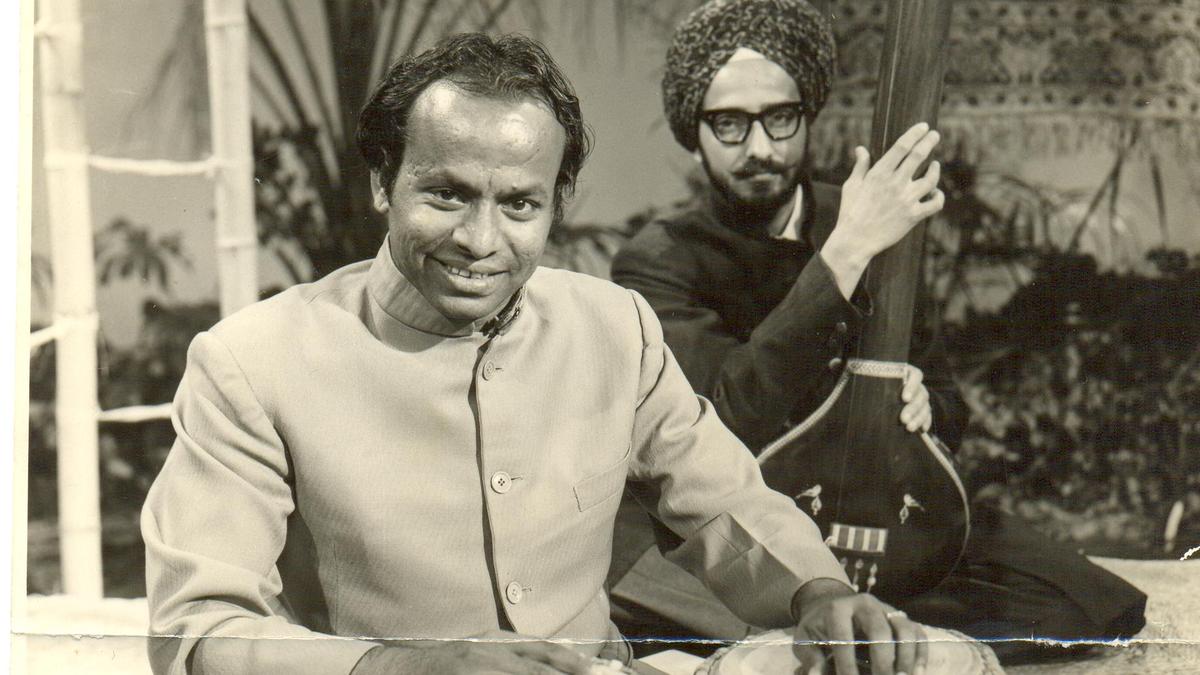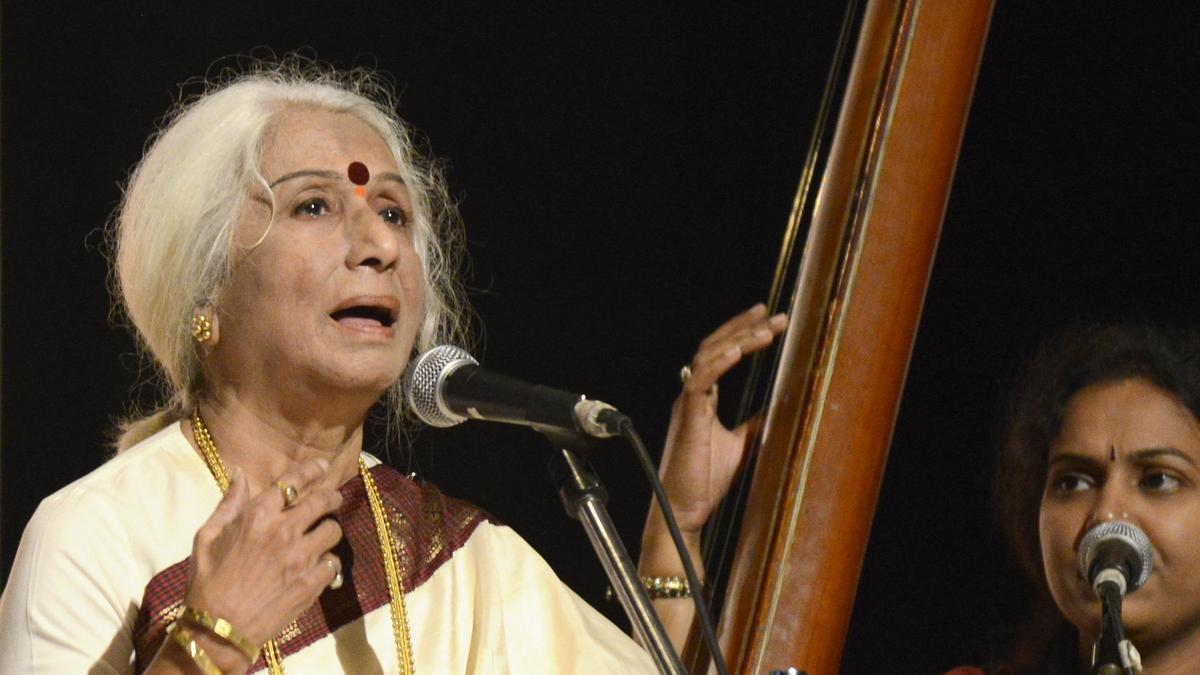
It was a quarter century ago that I began my journey with Lalithji, who opened up a whole new world for me. Music had been a hobby until then, but the moment she held my hand and led me into the depths of this vast ocean through her intensive taalim, it became my calling.Lalithji was an institution in herself, with abundant knowledge and remarkable clarity on every aspect of music. Every class was an experience. She would make each raag emerge like a beautiful painting — bold in its strokes yet delicate in its hues — offering a vivid sense of the Agra gayaki she so cherished and took pride in.“The throw of the voice,” she would say, “should have a three-dimensional effect, with emotions that touch the listener, only then will there be a spark in your singing.” Always supportive and encouraging, she consistently emphasised open-throated singing, one of the defining attributes of the Agra gayaki.“I will teach you, but I don’t take any gurudakshina. You should practise and sing well, that will be a tribute to my gurus,” she said before accepting me as her disciple; those words continue to ring in my ears.It was in 2000 that Lalithji moved to Bengaluru with her husband, Jayavanth Rao. At the peak of her performing career, she lost her voice due to sinusitis. She also became selective about accepting students. Fortunately, I was part of a small group of sishyas who were not only taught but also cared for by Lalithji and Jayavanthji.“Close the book,” she would say whenever we referred to the written bandish. “Repeat it a hundred and eight times so that you will never forget it. Your creative mind will not be available to you if you keep referring to the book.”It was a great learning experience to travel with her for concerts and lec-dems. Her remarkable stage presence, rapport with the accompanying artistes, respect for the organisers and instant connect with the audience made it all memorable.Punctuality meant a lot to her. Lalithji and Jayavanthji organised concerts in memory of her guru, Ustad Khadim Hussain Khan, in Bengaluru and ensured that the event began on time, even if there were only 10 or 15 people in the audience. Knowing this, audiences would arrive early. A perfectionist that she was, everything needed for the venue was packed immaculately — home-made herbal tea for the artistes, hot water, cups, biscuits, a lamp, oil, wicks, matchboxes and trays. Artistes coming from other cities would be lovingly hosted at their house.Lalithji would also organise baithaks and lec-dems. We, her students, have had the good fortune of listening to the likes of Pt. SCR Bhat, Pt. Dinkar Kaikini, vidushi Neela Bhagwat, vidushi Meera Savoor and Pt. Ulhas Kashalkar.It is hard to find a guru who never missed being part of important occasions in our lives, visited us when we were unwell and even shared her room to ensure our comfort during trips. Beyond music, what we imbibed from her were the values of humility, honesty and affection. You could never separate the artiste from the fine human being she was — and that, I feel, is the greatest takeaway for us in today’s times.Our journey of learning under her was a path studded with precious gems, with a series of brilliant thematic presentations that she conceived and directed such as ‘Bhairav to Bhairavi’, ‘Raag rang samay yatra’, ‘Agra gharana ek vatavriksh’, ‘Panchrangi raagon ka ek guldasta’, ‘Naman sajan piya’ on Ustad Khadim Hussain Khan, ‘Namananjali (for Pt. SCR Bhat’s centenary) and ‘Guru Smaranaanjali’ (for Pt. Rama Rao V Naik’s centenary).When working on these presentations, she would always be open to ideas from anyone, and if that was incorporated, she would never miss to acknowledge that person in public. Her sole aim was to constantly enhance the quality of the productions.Each of these presentations featured her evocative narration, interspersed with our renditions of khayal, dhrupad, dhamar, thumri, tarana, dadra, hori and kajri — in solos, duets and chorus. They required extensive rehearsals, for which she would bring us together with enthusiasm. After every such session, her dining table would be laid out with a generous spread.Ustad Khadim Hussain Khan saab was remembered in almost every other class, and Jayavanthji would often join in, sharing anecdotes in his inimitable style. At times, she would grow emotional while recalling her guru.
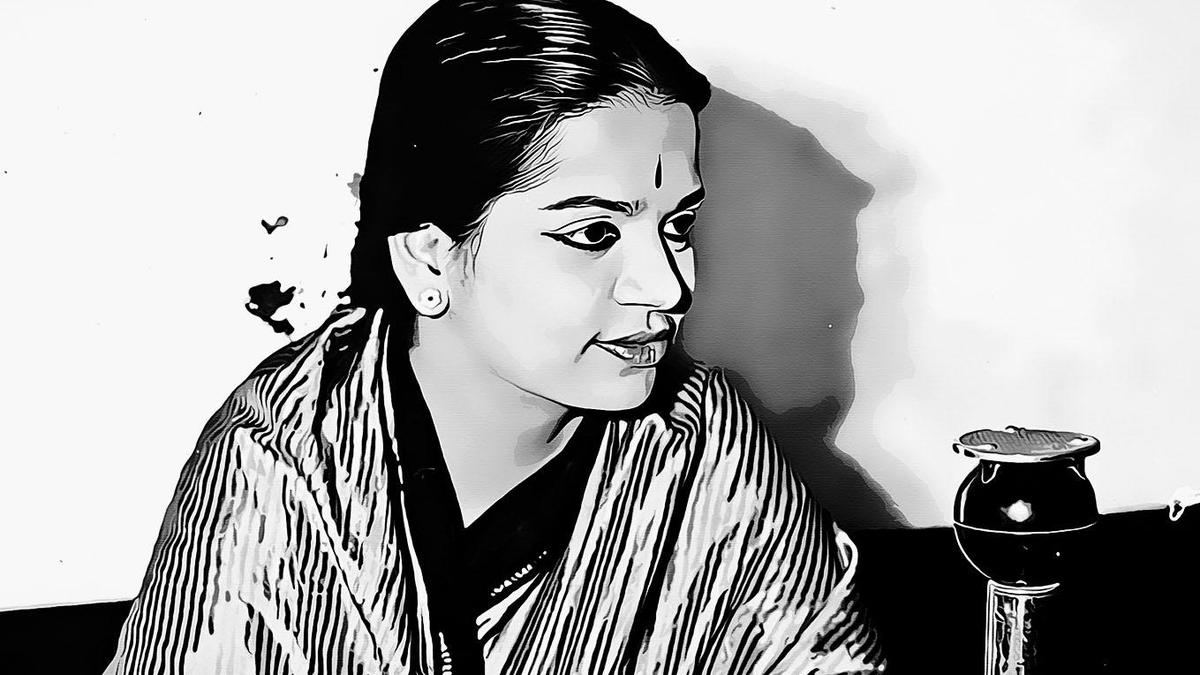
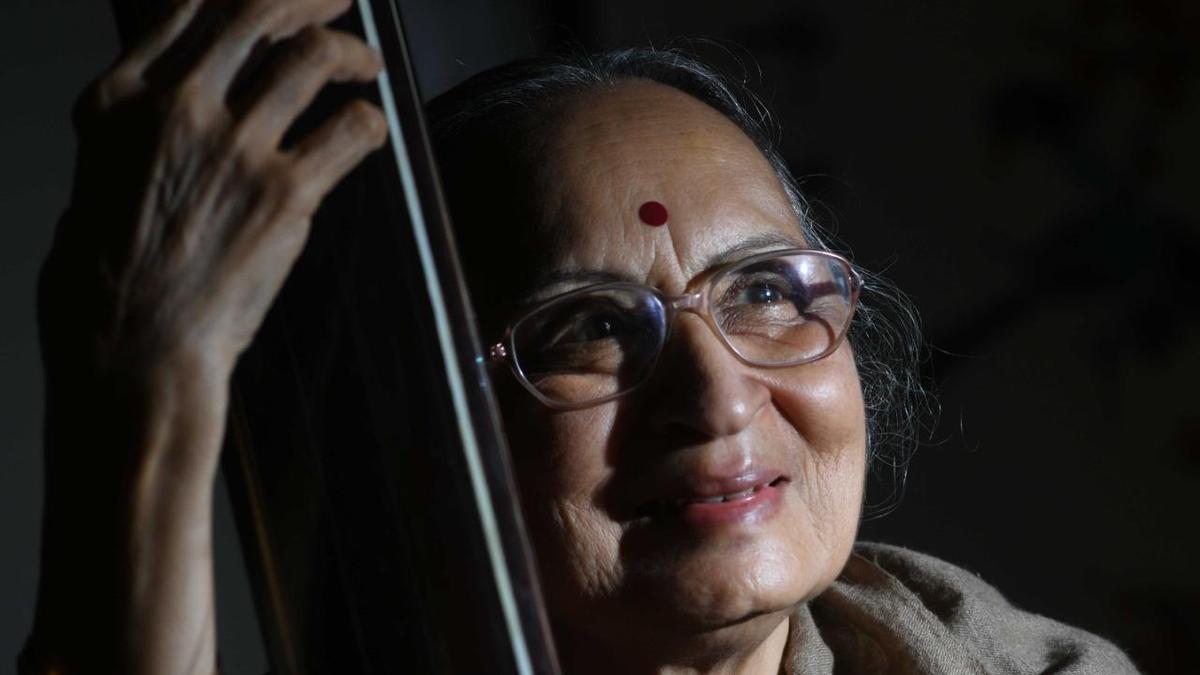
Lalith J. Rao devoted her life to preserving the distinctive style of the Agra gayaki
The musician, who passed away recently, was an inspiring guru who trained generations of disciples in the authentic Agra gharana idiom.
1,189 words~5 min read