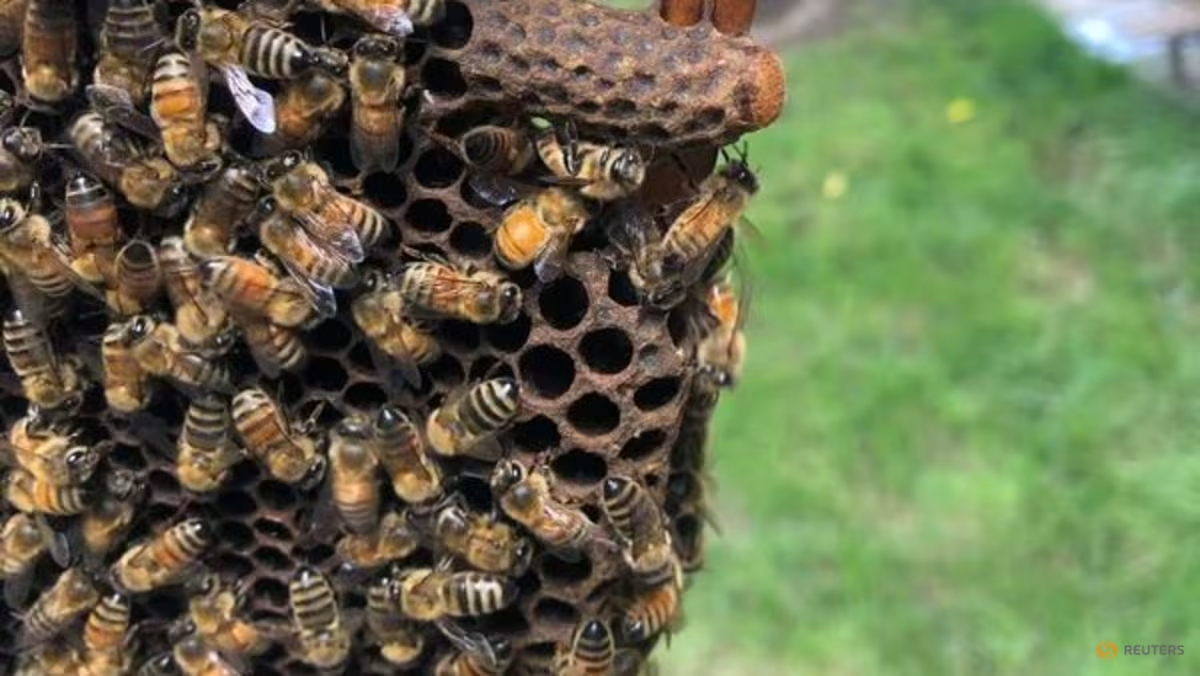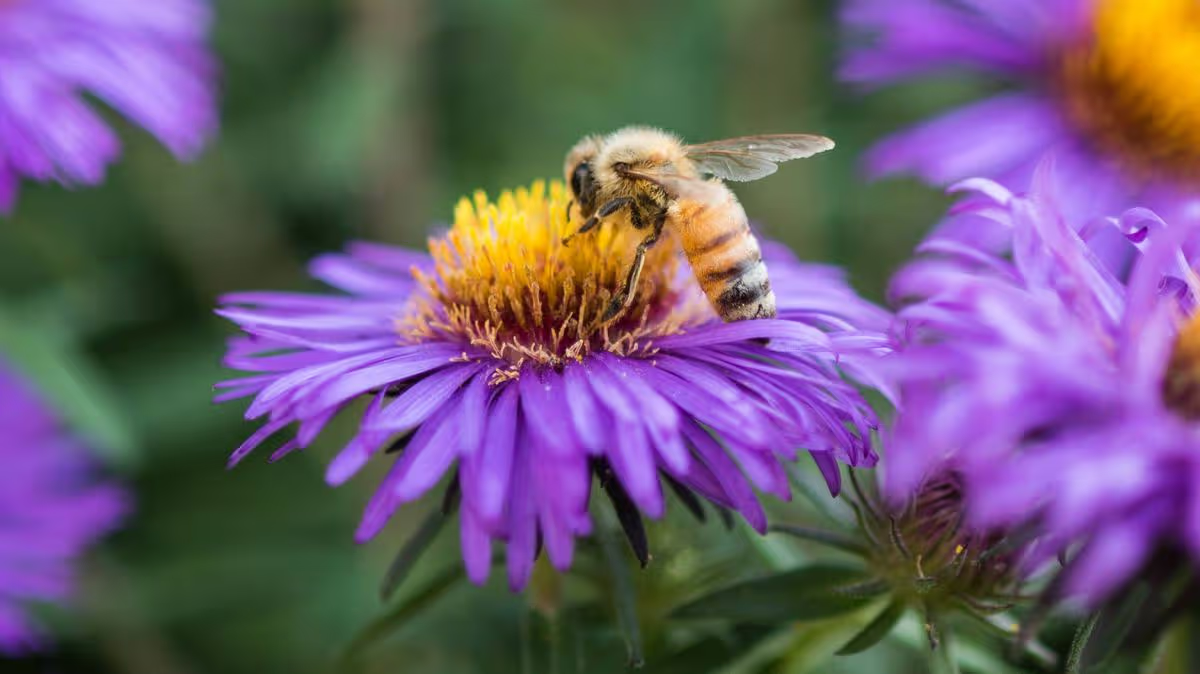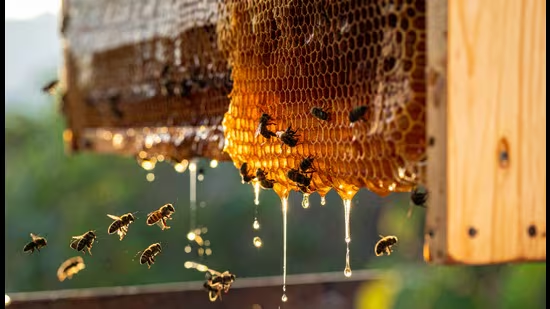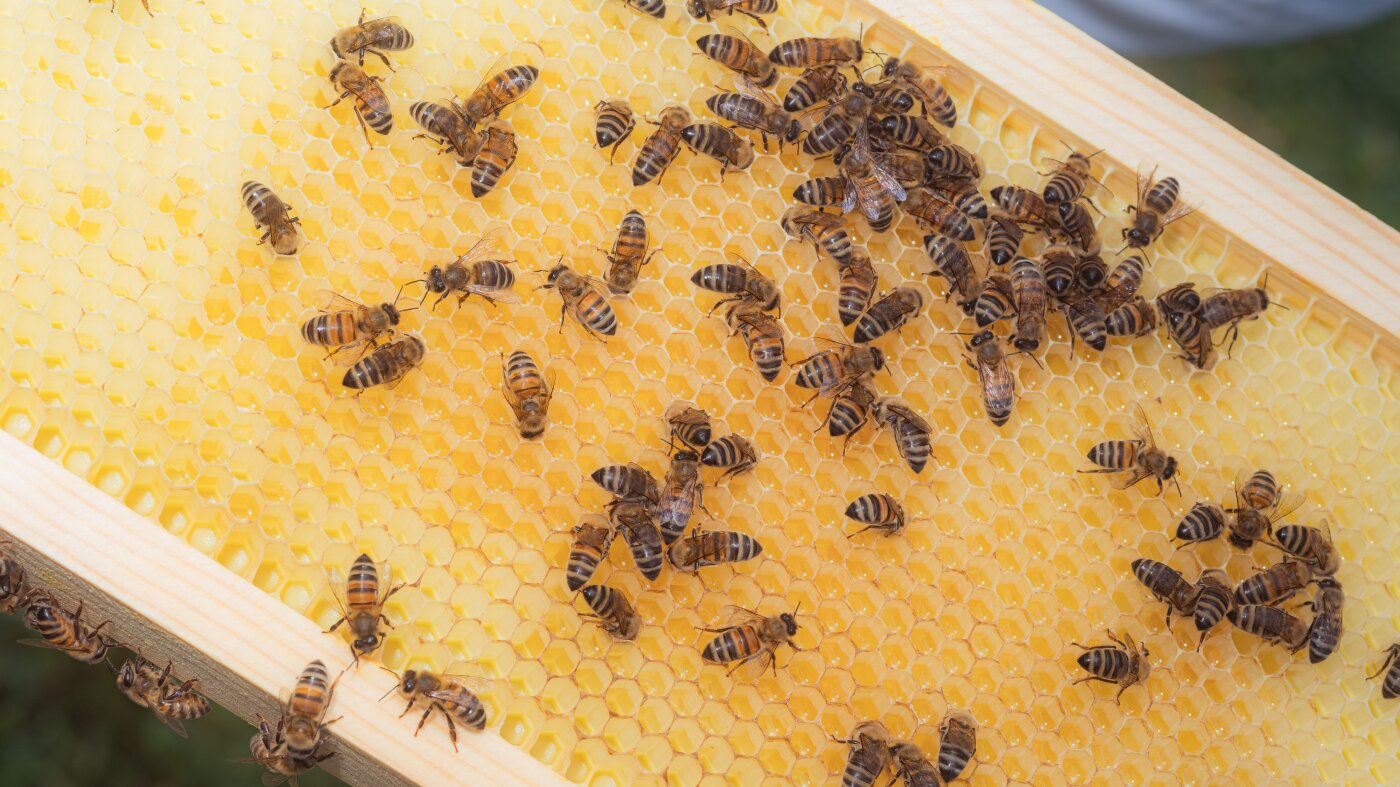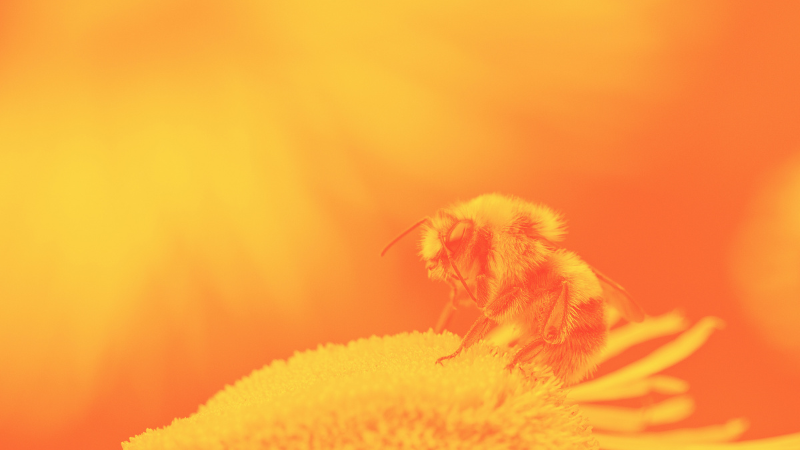
It’s spring in Prague and as I write my desk is covered in pollen. Morning bees browse around my window, foraging for materials. I was recently translating some verses of Virgil, Book IV of the Georgics, which is dedicated almost entirely to bees, the myth of Aristaeus (the minor, beekeeper deity) and the role they play in the story of Orpheus and Eurydice. Virgil recognized that bees had what we might call social being–co-dependent, organized, enterprising–and he praised them for having all the virtues of a Roman citizen: industrious, hardworking, loyal, and a willingness to die to defend the colony.Article continues after advertisement
Aristotle argued that bees had something of the “divine spark” in them, since they too were social animals with something like a polis and something like a language. Petronius wrote, “Apes…ego divinas bestias puto” (“I believe bees are divine creatures”), and in The Phaedo, Socrates says that it is possible for souls in metempsychosis (transmigration) to pass into creatures such as bees before returning again to humans. It was said that bees landed on the lips of Pindar, Sophocles, Plato, Socrates and Virgil as children, blessing them with mellifluous mouths and honeyed-tongues. Beeswax is associated with craftsmanship (Dedalus fashioned wings from wax) and poetic technique is often likened to honey. In On the Nature of Things, Lucretius compares his verse to a sweetening agent, meant to help the reader digest the bitter pill of materialism and mortality: