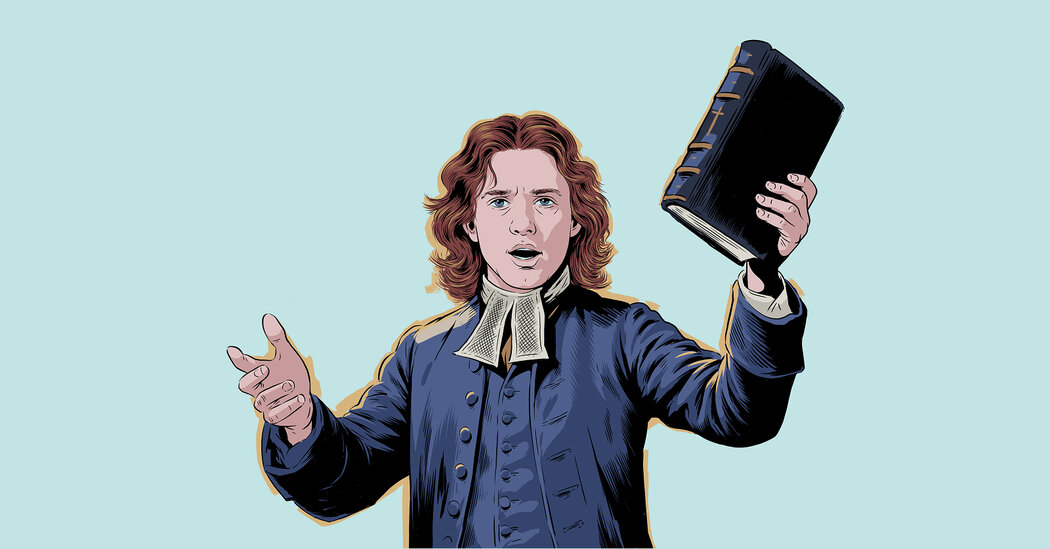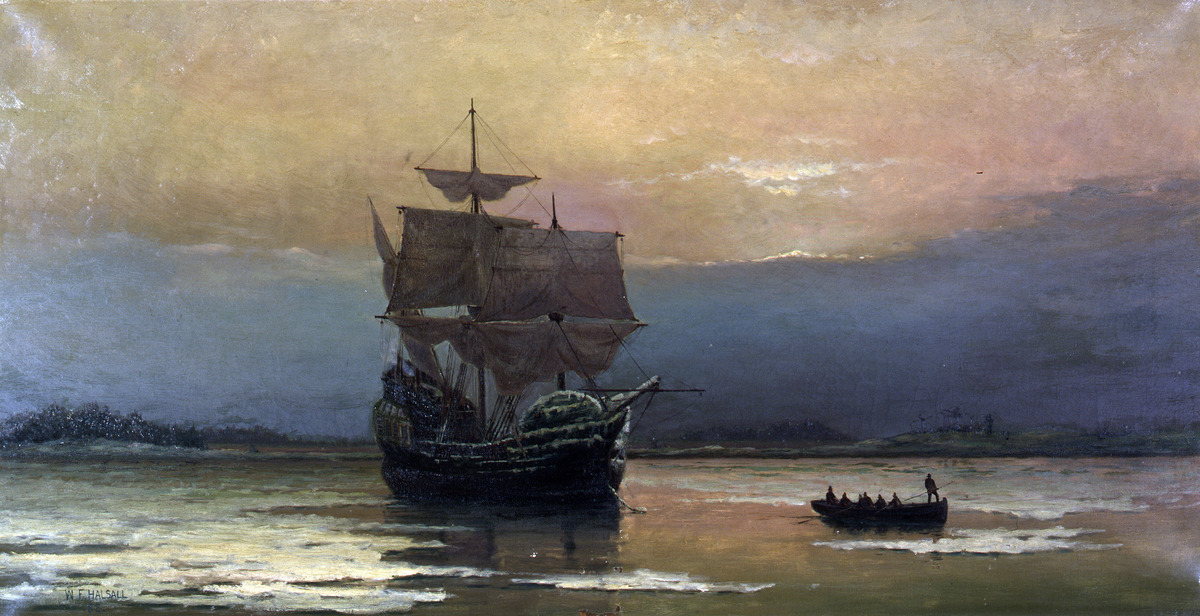
The Mayflower Pilgrims believed that they were freedom seekers, escaping centuries of bondage. William Bradford, a Mayflower passenger who served as Plymouth’s longtime governor, began his History of Plymouth Plantation by describing the oppression that religious intolerance had caused over the centuries. The “Heathen Emperours” of ancient Rome, Bradford wrote, initiated the kind of “bloody & barbarous persecutions” that were later inflicted on alleged heretics during the Inquisition and under English monarchs. King Henry VIII’s persecution of Catholics had been followed by the ruthless anti‑Protestant campaign of his Catholic daughter, Mary I. Under Mary’s rule, around 280 Protestants were executed—most of them by being burned at the stake. Mary’s crusade against Protestants was vividly captured in John Foxe’s Book of Martyrs, an influential work among the Pilgrims. Bradford wrote of “Mr. Foxe [who] recordeth…those worthy martires & confessors which were burned in queene Marys days & otherwise tormented.”Article continues after advertisement
It was the practices of Mary’s Anglican successors Elizabeth and James I that most directly affected Bradford and his fellow Puritans. Elizabeth and James imposed strict Anglican conformity, penalizing Catholics as traitors and Puritan Separatists as religious dissenters. Elizabeth oversaw the execution of nearly two hundred Catholics, including her cousin Mary, Queen of Scots, whose beheading was gruesomely botched when the errant executioner sliced parts of her neck twice with his axe before finishing her off with the third blow.