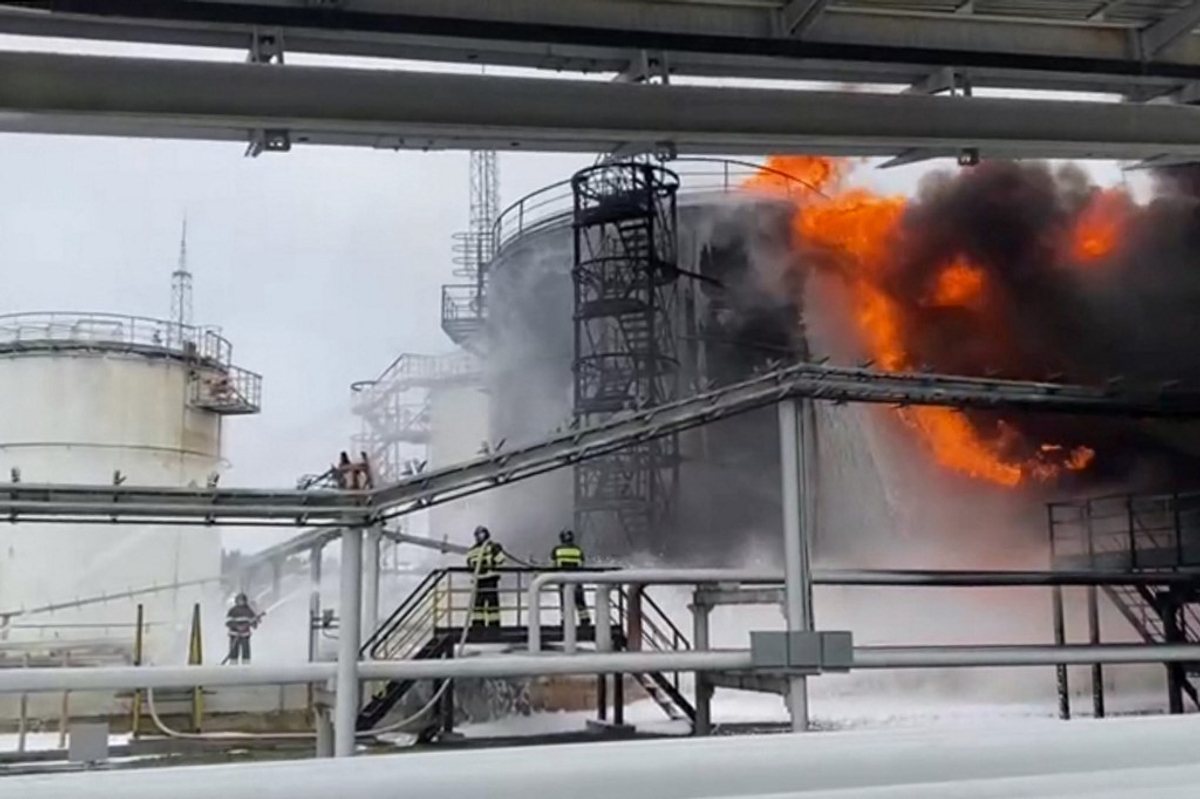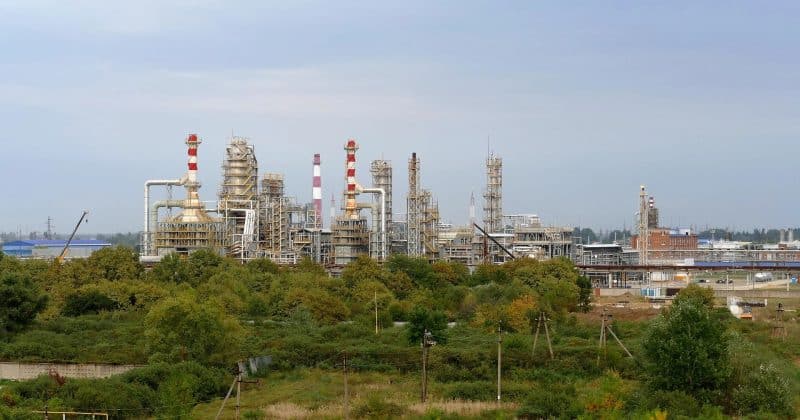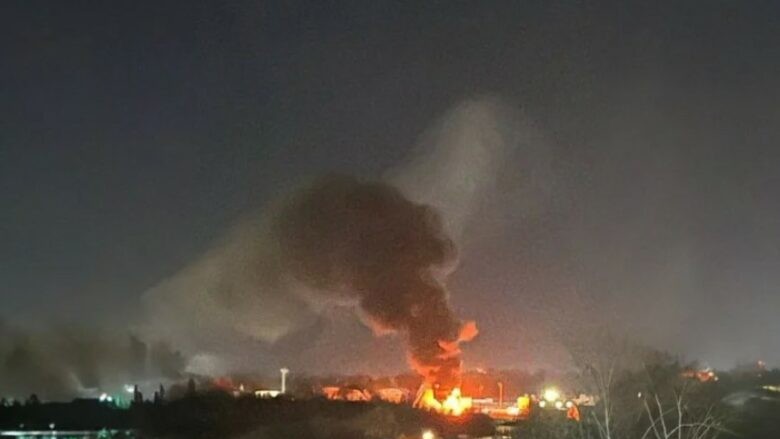
The grinding war between Russia and Ukraine, now in its fifth year, is weighing on Russia's upstream sector. Russian officials now admit that continuous Ukrainian drone attacks on energy infrastructure have led to a decline in oil production. Still, Deputy Prime Minister Alexander Novak asserts that Russia will be able to meet its Opec-plus production quota this year, assuming drone-damaged refineries can resume operations soon. But industry sources say a drop in upstream investment — due largely to lower oil prices prior to the US-Israeli conflict with Iran — is also to blame for the production decline, which has been under way since last November. Energy Intelligence calculates that Russia produced 8.92 million barrels per day of crude in May. That's about 50,000 b/d less than in April and 780,000 b/d below its May Opec-plus target. Including gas condensate, liquids output totaled about 10 million b/d, down from 10.54 million b/d last November, when production first started to fall after the US sanctioned top Russian producers Rosneft and Lukoil and tightened export restrictions. Rosneft also blamed harsh weather in Siberia for a 0.9% decline in its first-quarter production compared to the previous three months. Damage to refineries in recent months also has hit Russian output — drone attacks have knocked out around 30% of Russia's primary refining capacity, forcing companies to redirect some barrels for export to avoid production cuts. But not all the upstream volumes can be redirected: Crude deliveries to Russian refineries dropped to just 4.5 million b/d in May compared to an average of 5.4 million b/d in the first two months of 2026 before Ukrainian attacks on refineries intensified.
Ukraine War Weighs on Russia's Upstream Sector
Drone attacks have added to challenges for Russia's producers, while officials express confidence they can still meet Opec-plus output quotas.
273 words~1 min read